You are standing in a group chat or a living room with fifteen people arriving in ninety minutes and someone just said pizza. The slice math does not work. You need whole pies, you need them ready when you show up, and you need to move them six blocks without turning dinner into a cardboard-tasting regret. This is a different decision tree than buying yourself lunch.
Need to know which pizzerias near you can turn around four pies in twenty minutes without advance notice? Ask Karpo for places that handle group orders smoothly, sorted by how fast you can walk out with hot boxes.
When Whole Pies Make Sense and When They Don't
Whole pies become the better option once you cross six people. Two slices per person means twelve slices, which is more than a pie and a half. At that point you are paying slice premium for no reason and the counter is boxing individual pieces while your group stands there fragmenting into subconversations. A whole pie is eight slices, sometimes six if it is a thicker Sicilian or grandma format. Budget one pie per four people if the crowd skews hungry or under thirty, one per five if it is a mixed-age daytime event.
The break-even is not about price alone. It is about logistics. A busy slice counter in Midtown or the East Village at seven on a weeknight is optimized for single transactions. You can watch the rhythm break when someone orders five pies. The oven pipeline is tuned for reheating and topping pre-baked rounds, not staging twenty minutes of coordinated baking. If you do not call ahead, you are introducing a coordination problem that the counter may solve by telling you thirty minutes, which defeats the whole point of walking in.
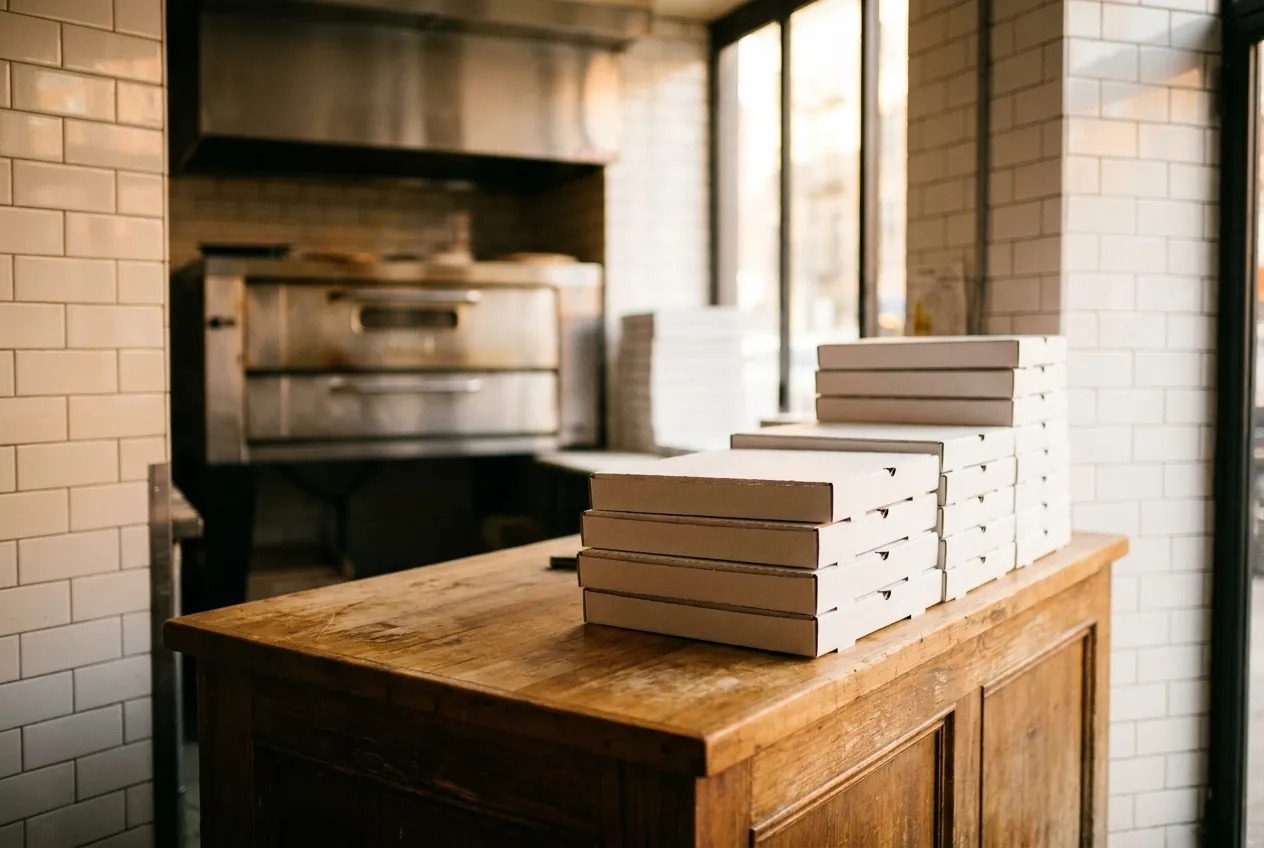
Counters that move whole pies easily tend to cluster in a few patterns. Look for pizzerias on blocks with offices or near schools, where group orders are a daily part of the business model. Look for places with visible deck ovens or gas ovens that can hold four pies at once, not single conveyor belt setups. And look for spots that do not have a line out the door at the moment you need them, because a line means the oven is already spoken for.
Timing the Order and the Pickup Window
The standard bake time for a New York pie is seven to twelve minutes depending on oven type and temperature. That is the floor. The real wait is determined by what is already in the oven when you order and whether the counter can batch your pies or has to sequence them. If you walk into a quiet moment mid-afternoon, you might get four pies in fifteen minutes. Walk in at peak and the same order can stretch to forty minutes because the oven is running a queue of phone orders and walk-ins.
Calling ahead works if you can commit to a pickup time and you are ordering five or more pies. Most counters appreciate twenty to thirty minutes of notice for that volume. But calling fifteen minutes out for two pies usually just creates confusion because you will arrive before the order is up and the counter has no place to stage you. The better move for two to four pies is to walk in during a known slow window: mid-afternoon weekdays between two and four, or late morning on weekends before the brunch crowds finish.
The pickup window matters more than the pizzeria name when you are feeding a crowd. A top-rated place at peak hours will make you wait and the pies will come out of the oven into a hot box that sits on the counter for five minutes while they finish the three orders ahead of you. A decent neighborhood place at three in the afternoon will slide your pies into boxes thirty seconds after they come out, and you will walk out with food that is fifteen degrees hotter. Heat retention is everything when you are moving pies across distance.
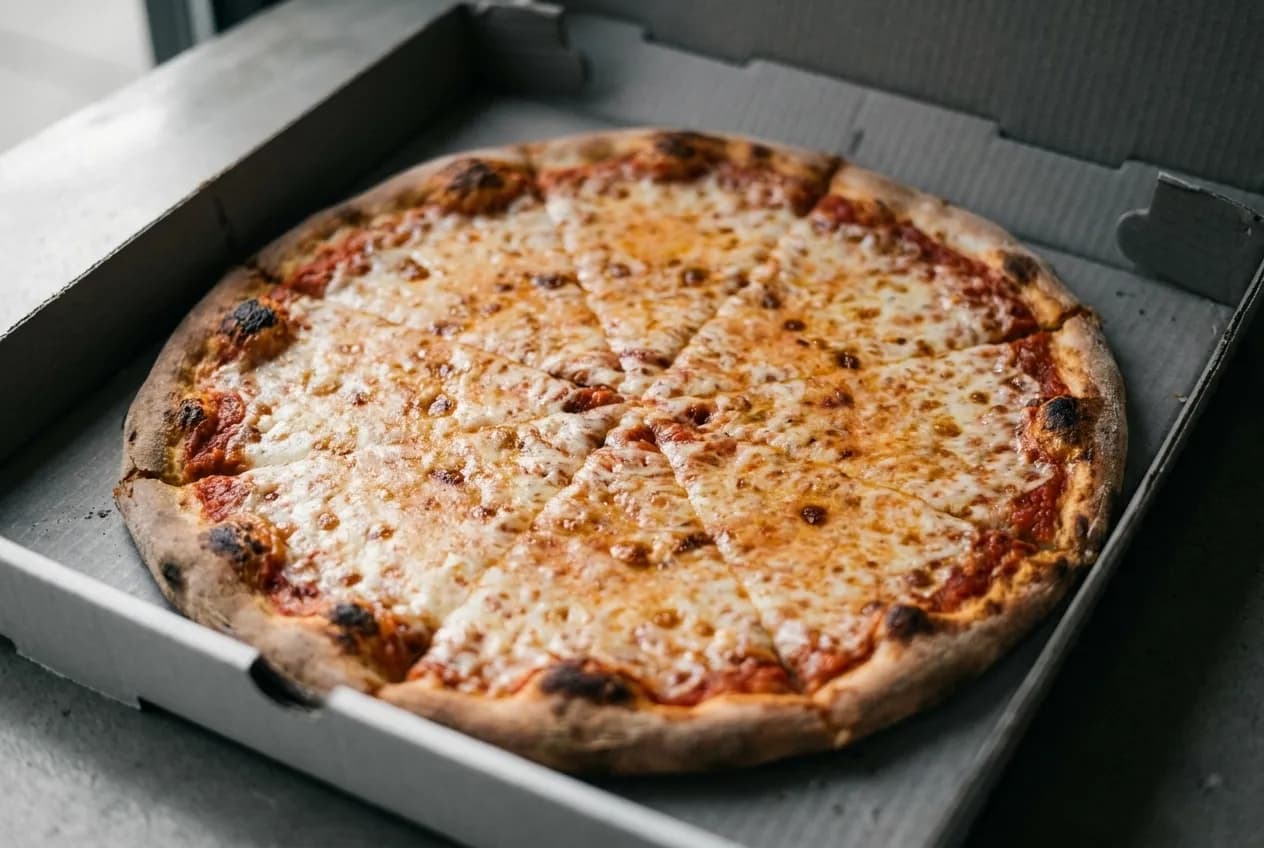
Keeping Pies Hot During Transport
A pizza box is not insulated. It is a thin cardboard shell that starts losing heat the moment you step outside. If you are walking more than four blocks or taking a subway, the pies will arrive warm but not hot unless you manage the thermal mass. The simplest method is to stack the boxes and wrap the stack in a large towel or a reusable shopping bag. The center of the stack stays significantly hotter than the top and bottom boxes. If you are taking a cab or rideshare, ask the driver to turn off the AC or crack the windows instead of blasting cold air directly at the boxes.
Subway transport is workable if you are traveling fewer than four stops and you board a car that is not freezing. Hold the stack flat or brace it on a seat if the car is empty. Do not stand the boxes on edge or carry them vertically for more than a minute because the cheese will slide and pool at one end. If you are moving pies in winter, the outdoor segments are the problem. Limit your exposure to wind. Walk the long block through a building lobby instead of around it.
The format of the pie affects how well it travels. A thin-crust round with light cheese will lose structural integrity faster than a thicker grandma or Sicilian. If you know you have a fifteen-minute walk, bias toward pies with a sturdier base. This is not about quality rankings. It is about whether the pizza is still holding together when you open the box.
Absorbing Large Orders Without Drama
Some counter formats are built to handle volume and some are not. Full-service pizzerias with table service almost always have the oven capacity and the workflow to take a six-pie order without disrupting the room. They are used to birthday parties and office pickups. The trade-off is that you are paying sit-down prices for takeout, and you may be waiting longer because the kitchen is balancing your order against seated tables.
Counter-service spots with a separate takeout or delivery operation can often handle large orders smoothly because they have a second oven or a second staging area. You can usually spot this setup by watching for a separate phone line or a dedicated packing station. If you see someone working a stack of delivery boxes while the front counter serves walk-ins, that is a place that can absorb your order.
The places that struggle are single-oven slice counters that rely on pre-baked rounds and a high-speed reheating cycle. These spots are optimized for turning two slices and a soda in ninety seconds. A whole-pie order forces them to break their rhythm and commit oven space they were planning to use for the next twenty walk-ins. If you are ordering from this kind of counter, do it at off-peak and be prepared to wait or to hear that they cannot do it.
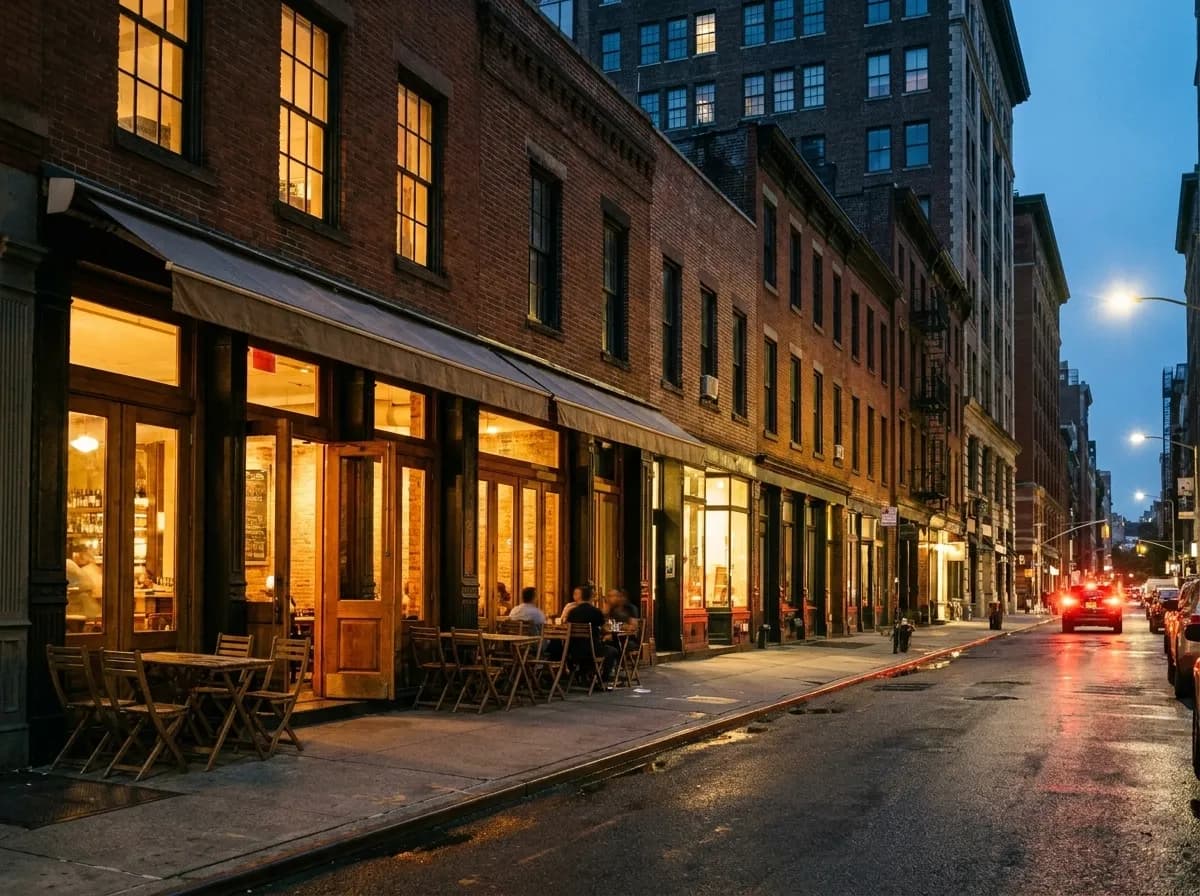
Neighborhood pizzerias in residential blocks tend to be more flexible than the high-traffic tourist zones. They see fewer walk-ins per hour and they have more slack in the system. A pizzeria on a quiet stretch in Astoria or Sunset Park is more likely to say yes to four pies on the spot than a pizzeria two blocks from Penn Station at six on a Thursday.
One transferable habit: when you walk in, look at the oven before you look at the menu. If you see pies already baking and a line of tickets clipped above the counter, you are walking into a queue. If the oven is mostly empty and the counter is quiet, you have room to ask for volume. The oven tells you what the next twenty minutes look like more accurately than anything the person at the register will say.
Tags: #PizzaNearMe #NYCPizza #WholePiePizza #GroupOrders #FeedingACrowd #PizzaLogistics #NYCEats #PizzaPickup #CrowdPleaser #PizzaTiming #NewYorkPizza #PizzaForGroups #NYCFood #PizzaTransport #OrderingPizza
All trademarks are the property of their respective owners.
Ask Karpo first
Before you walk into a pizzeria hoping they can turn around six pies, ask Karpo which spots near you have ovens that can handle the volume right now and what the current wait looks like. The app routes you to places where the timing actually works, not just the ratings.