 WORD Bookstore in Greenpoint Remains a Community-Focused Indie Bookstore Near Me
Hidden Gems & Odd Finds
Obscura Antiques and Oddities When the East Village Curiosity Hunters Arrive at Opening
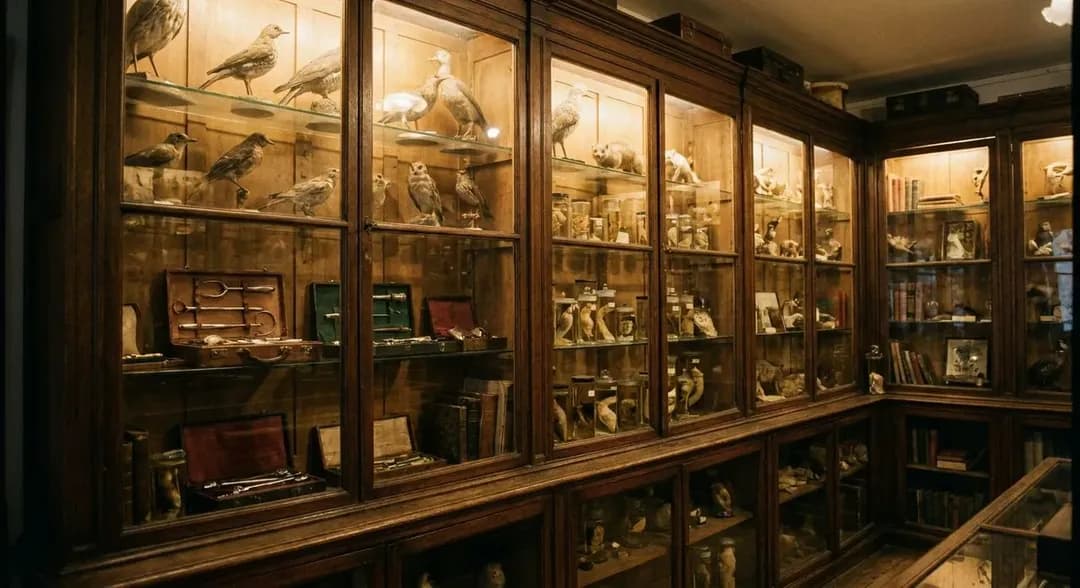
The taxidermy and medical oddity shop at its quietest hour, before weekend browsers crowd the Victorian surgical tools and articulated bat skeletons that fill every glass case from floor to ceiling.
The first turn of the key at Obscura Antiques and Oddities produces a particular kind of silence—the held-breath quiet of a cabinet of curiosities waiting to be discovered. Before the afternoon light slants hard through the storefront windows, before the casual browsers and phone-camera tourists arrive, the shop belongs to a smaller circle: collectors who know exactly what they're hunting and dealers who've learned to arrive when the cases still hold surprises. It's a narrow window, measured in hours rather than crowds, and it requires a willingness to treat a Tuesday afternoon as prime hunting ground.
The opening hour advantage
Obscura unlocks its doors at one o'clock on weekdays, a late-morning schedule that feels eccentric until you understand the shop's rhythm. That narrow window between opening and the weekend rush—when tour groups and casual East Village wanderers pack the aisles—is when serious collectors stake their claims. The difference between a Tuesday at 1:15 and a Saturday at three is the difference between contemplation and competition, between asking detailed provenance questions and jostling for a view of the glass cases.
The weekday opening also means encountering the shop in its most considered state. Displays have been refreshed overnight, new pieces positioned under the best light, and the staff has time to discuss the history of a Civil War-era amputation kit or the origin story of a two-headed duckling in a jar. It's the version of Obscura that rewards patience with access.
Timing the acquisition cycle
Regulars have learned to map their visits to the shop's restocking calendar. New acquisitions are typically unpacked and priced on Monday and Tuesday mornings, appearing in the cases by early afternoon—which means a Tuesday arrival at opening offers first look at pieces that haven't yet been photographed for social media or claimed by the shop's network of repeat customers. It's a cycle that mirrors the auction houses and estate sales Obscura sources from, a weekly refresh that keeps the inventory in constant rotation.
This rotation matters when you're hunting for specific categories: antique medical instruments, Victorian mourning jewelry, taxidermy in particular poses or species. The difference between Monday's empty velvet tray and Tuesday's newly arranged display of bone-handled surgical tools can define a collector's month. Summer of 2026 has brought a particularly strong flow of anatomical models and apothecary glassware, the kind of pieces that move quickly once they're posted online.
What fills the cases
The Victorian surgical kits are what most first-time visitors remember—gleaming steel saws and scalpels in fitted mahogany boxes lined with crimson velvet, each tool precisely nested in its original slot. But the deeper collection spans centuries and continents: articulated bat skeletons suspended in flight configuration, antique embalming fluid bottles with their original paper labels intact, phrenology heads mapping the bumps of character across painted ceramic skulls. Glass domes protect taxidermy mice arranged in anthropomorphic tableaux, and specimen jars hold things both beautiful and unsettling depending on your threshold.
The shop's aesthetic sits somewhere between natural history museum and Victorian gentleman's study, each piece selected for its intersection of scientific purpose and strange beauty. This isn't decor; these are artifacts with provenances, pieces that came from medical schools and apothecaries and the estates of collectors who came before. The price tags reflect both scarcity and condition, though the range is wider than newcomers expect—a small memento mori cabinet card might run thirty dollars, while a complete 19th-century articulated human skeleton commands five figures.
The high-shelf rotation
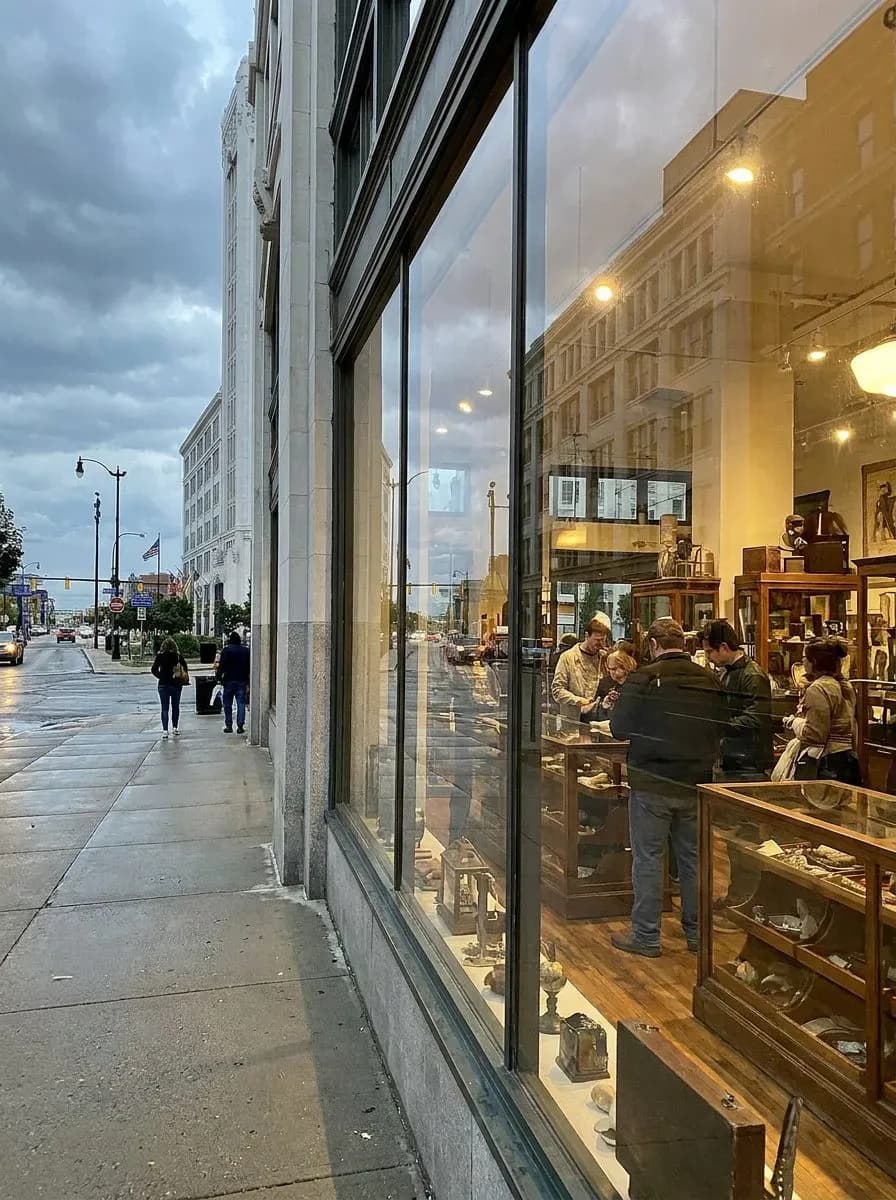
The back wall's top-shelf taxidermy pieces are Obscura's quiet showstoppers, the mounts too large or valuable to sit within easy reach. They rotate monthly and require staff assistance to examine up close—which means building a relationship with the people behind the counter pays dividends. A mid-century fox mount in summer coat, a Victorian glass-domed bird tableau, a large-format anatomical chart on its original wooden rollers: these are the pieces that anchor the room but reveal their details only when lifted down and held in good light.
Asking to see the high-shelf pieces is both permission and signal. It tells staff you're serious, that you understand the difference between browsing and collecting, and that you're willing to spend time with an object before deciding. The early-afternoon quiet makes these requests feasible; by the time weekend plans bring crowds into the East Village, the staff's attention is divided among a dozen conversations and the top shelf stays put.
Light and the art of looking
Natural light matters more in a curiosity shop than you'd think. The afternoon sun that angles through Obscura's windows in late summer catches details that overhead lighting flattens: the grain in century-old wood, the patina on surgical brass, the iridescence in certain beetle specimens under glass. Taxidermy in particular changes under different light, the glass eyes taking on new depth, the fur or feathers showing their true color and condition. Collectors who care about such things arrive when the light is working in their favor.
There's also the matter of what you can see when you're not competing for space. With room to step back from a case, to shift angles and catch reflections at different positions, the full context of a display emerges. That articulated bat skeleton reveals the engineering of its wing structure. The embalming kit shows how each bottle and tool was designed to nest together for a country doctor's house calls. The shop rewards slow looking, and slow looking requires space.
Who else arrives early
The early crowd at Obscura skews toward a particular profile: set designers hunting for specific props, tattoo artists mining Victorian medical illustration for flash designs, academics researching material culture, and private collectors building cabinets of curiosity in their own homes. There's an unspoken etiquette—people don't hover while you're examining a piece, don't ask what you're buying or why. Conversations happen, particularly between regulars who recognize each other visit after visit, but they're rooted in shared appreciation rather than social performance. It's one of the few retail environments in contemporary NYC where quiet focus is still the default mode.
Practical notes
Obscura Antiques and Oddities is located in Manhattan's East Village; verify the current street address before publication in Manhattan's East Village. Transit and parking details should be verified directly before publication. The shop's hours should be verified directly before publication—verify hours directly before planning a visit. The space has a single step at entry and narrow aisles; large bags should be checked at the counter. Bring a flashlight for examining pieces in dim cases, and cash or card are both accepted. Photography is permitted but ask before shooting specific high-value items.
Tags: #ObscuraAntiques #TheOddEdit #EastVillageNYC #CabinetOfCuriosities #VictorianMedical #TaxidermyCollector #NYCHiddenGems #AntiqueShopping #MedicalOddities #CuriosityShop #ManhattanFinds #SummerInNYC #CollectorCulture #EastVillageShopping #NYCWeekendPlans
Sources consulted: Taxidermy · East Village, Manhattan · NYC East Village Guide · MTA Transit Info · Cabinet of Curiosities
All trademarks are the property of their respective owners.
Ask Karpo for more information.
Keep reading
- WORD Bookstore in Greenpoint Remains a Community-Focused Indie Bookstore Near Me
 The Corner Bookstore on Madison Avenue Is Carnegie Hill's Indie Bookstore Near Me
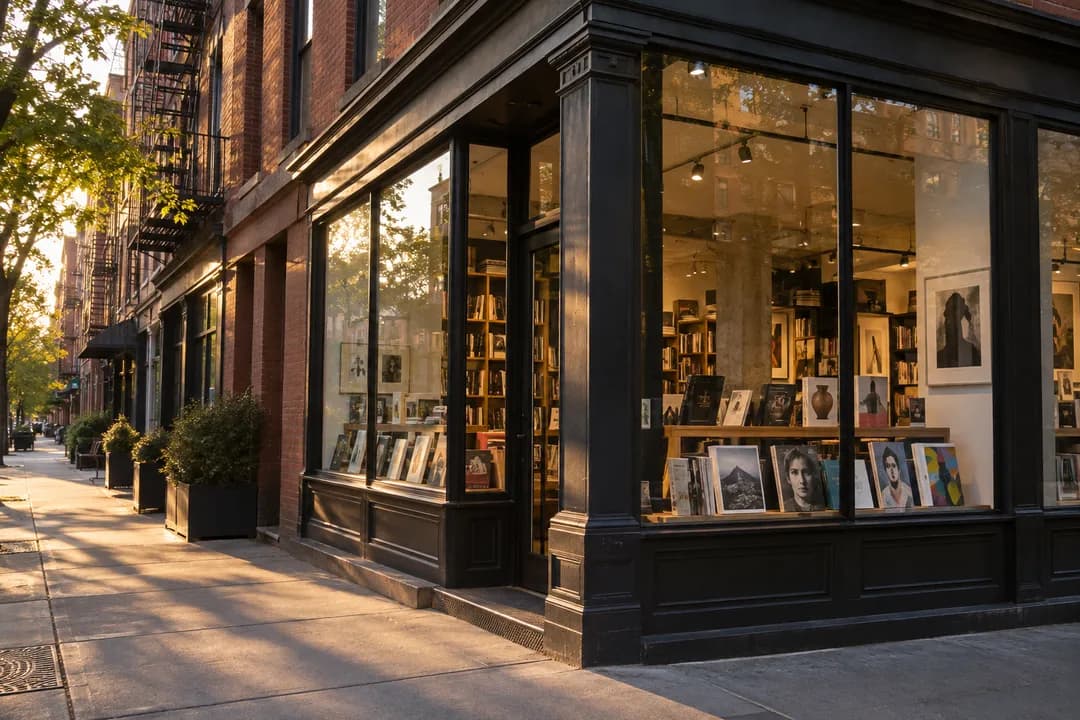 192 Books in Chelsea Brings Art and Fiction to Indie Bookstore Near Me