 Washington Heights Arepa Lunch Spot Picker for a Newcomer
Restaurants
Yakitori Near Me in Hell's Kitchen: Torishin Charcoal Counter
A Hell's Kitchen guide to Torishin on West 53rd Street, featuring binchotan-grilled yakitori skewers, heritage chicken cuts, chef counter omakase, and refined Tokyo-style dining.
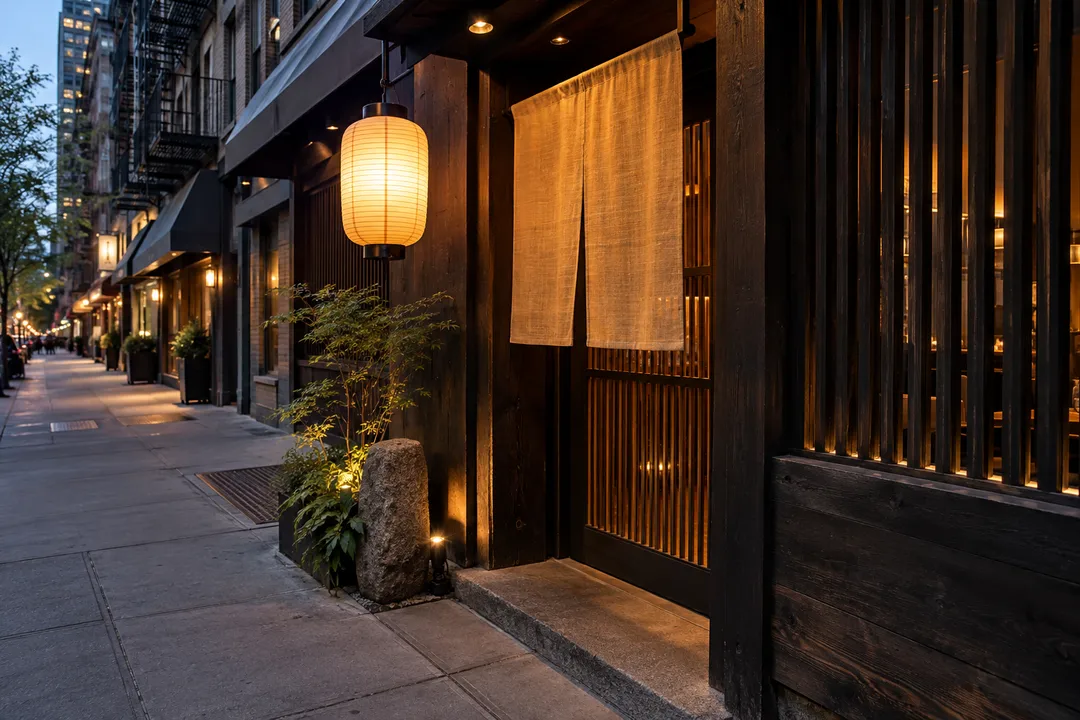
Torishin stands among the most disciplined answers to yakitori near me in Manhattan, anchoring a serene block of West 53rd Street with traditional Tokyo craftsmanship. The dining room trades Midtown bustle for blonde cedar wood and focused culinary theater, centering on a dedicated binchotan charcoal hearth. Here, skewering chicken is elevated into an art form where every anatomical cut receives specialized butchery and precise heat control. Diners seeking authentic Japanese skewer craft find an uncompromising temple dedicated to single-origin poultry.
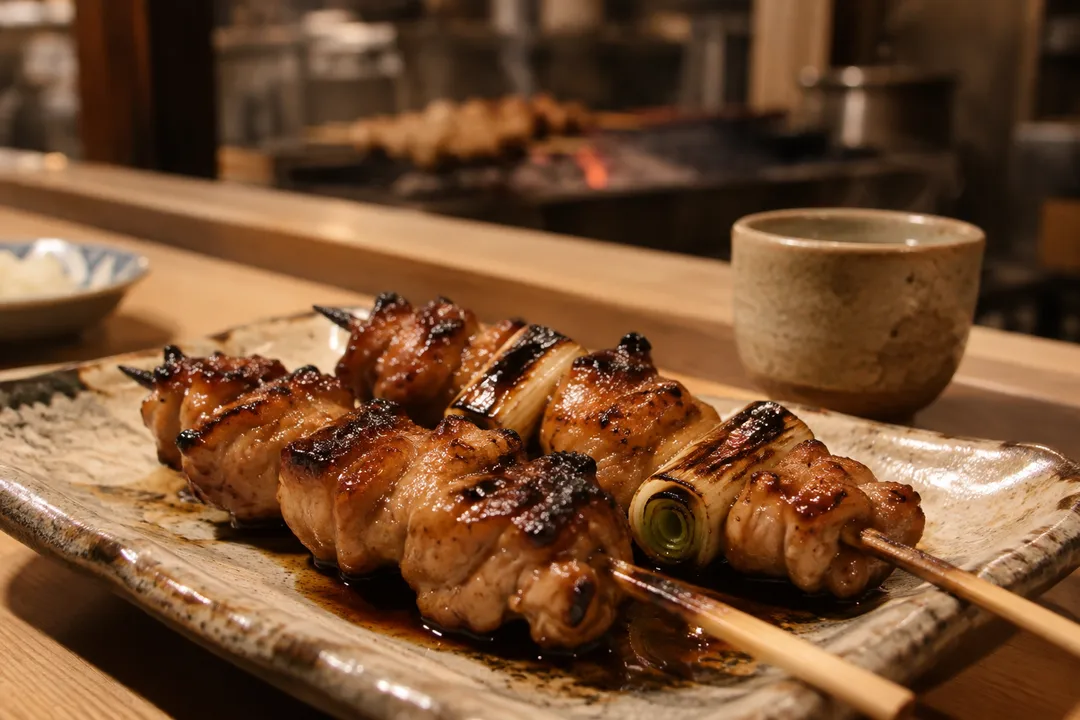
Finding your way to the entrance at 362 W 53rd St is effortless whether arriving from Columbus Circle or navigating the Theater District. The discreet wooden noren curtain marks a calm transition from the avenue traffic into an intimate dining haven. Walking from the 50th Street subway station takes under five minutes, placing you directly in front of the understated storefront. The surrounding corridor offers a relaxed neighborhood tempo that contrasts sharply with the nearby neon corridors of Broadway.
What immediately separates Torishin from informal Manhattan yakitori dens is its obsessive sourcing and Kappo-style counter etiquette. The kitchen butchers whole heritage birds daily in-house to guarantee unmatched freshness and structural integrity across every skewer. Instead of generic chicken breast or pre-formed meatballs, the chefs showcase rare anatomical morsels like oyster, knee cartilage, and inner thigh with surgical precision. White binchotan charcoal imported from Kishu burns without flame, sealing in succulent juices while imparting a pure, smokeless wood perfume.
The skewer repertoire begins with foundational chicken cuts that demonstrate absolute temperature mastery on the grill. A succulent negima skewer costs $6 and features alternating nuggets of chicken thigh and sweet charred Tokyo scallions finished with aged tare. The soriresu or chicken oyster skewer is priced at $7 and delivers rich, tender dark meat with an intensely crispy skin edge. For fans of nuanced textures, the sunagimo chicken gizzard skewer costs $5 and offers a snappy, clean crunch seasoned solely with sea salt.
Beyond individual chicken skewers, the kitchen crafts elevated specialty items that showcase balanced savory complexity. The house-made tsukune chicken meatball skewer costs $6 and arrives seasoned with minced shiso leaf and served alongside a rich raw egg yolk for dipping. Guests opting for the full culinary journey often select the multi-course Chef Omakase priced at $120, which traverses fifteen skewers alongside seasonal sashimi and dashi broth. Even vegetable selections like grilled shiitake mushrooms at $5 reveal deep umami through careful brushings of seasoned poultry drippings.
Watching the grill master work behind the counter is an exercise in rhythmic Japanese culinary tradition and unwavering focus. The chef constantly fans the binchotan embers with a woven uchiwa fan to regulate oxygen flow and suppress stray flare-ups. Skewers rotate across steel bars positioned mere inches above glowing charcoal, ensuring even rendering of subcutaneous fat without scorching delicate meat. Sea salt is scattered from high above the hearth to create a uniform, crystalline crust that accentuates the pure chicken flavor.
Beverage selections at Torishin are deliberately curated to cleanse the palate between rich bites of rendered poultry fat and caramelized tare. A chilled glass of crisp dry Junmai sake costs $14 and cuts cleanly through the richness of grilled chicken skin and liver. Diners can also enjoy an ice-cold Japanese draft beer for $9 or explore an extensive collection of rare seasonal bottles from small regional breweries. Warm hojicha roasted green tea is poured continuously throughout the meal, providing soothing earthy warmth between courses.
Planning your dinner requires a bit of foresight because counter seats fill rapidly weeks in advance through online booking portals. Booking several weeks ahead ensures prime real estate right along the counter where you can witness the grill master's precise handwork. Arriving at the opening seating around 5:00 PM on a weekday provides the calmest dining atmosphere before the bustling post-theater dinner rush begins. Late evening reservations after 8:30 PM offer a relaxed, lingering pace ideal for pairing extra skewers with sake.
The interior layout prioritizes sightlines and acoustic calm, seating approximately twenty guests along an L-shaped wooden counter with additional banquette tables. Low ambient lighting focuses attention directly onto the polished open hearth where glowing coals cast a soft golden radiance. Guests converse in hushed tones, allowing the gentle sizzle of skewered chicken and the soft tap of bamboo sticks to define the room's auditory backdrop. It is an environment that encourages mindful appreciation of every bite.
Torishin first opened its doors in New York back in 2007, originally launching on the Upper East Side before moving to its expanded Hell's Kitchen home. It made history as the very first traditional yakitori establishment in the United States to earn a Michelin star, proving that chicken skewers could stand shoulder-to-shoulder with luxury sushi. Master Chef Atsushi Kono honed the restaurant's reputation over many years, establishing rigorous butchery standards that continue to guide the kitchen team today.
After completing your meal, take time to explore the vibrant neighborhood streets that frame this quiet corner of Midtown West. A short walk west brings you toward the Hudson River Greenway, where cool river breezes provide a refreshing digestif stroll under the evening skyline. Alternatively, wander southward through Hell's Kitchen along Ninth Avenue to browse eclectic dessert parlors, artisanal cocktail lounges, and neighborhood bakeries. The central location makes it remarkably convenient to combine world-class dining with an evening walk.
The restaurant opens Tuesday through Saturday from 5:00 PM until 10:30 PM, remaining closed on Sundays and Mondays. Public parking garages operate along 54th Street, though taking the C or E train to 50th Street eliminates the hassle of Midtown parking. The counter accepts major credit cards, and reservations typically require a deposit during peak weekend dinner slots.
First-time visitors will maximize their experience by ordering a cohesive flight that showcases both salt-seasoned and tare-glazed preparations. Begin your tasting with the $6 negima skewer and the $5 gizzard to appreciate how subtle salt highlighting enhances clean poultry flavors. Follow with the $7 chicken oyster and the $6 tsukune meatball dipped in golden egg yolk to experience the deep savory richness of house tare. Totaling around $24 before tax and drinks, this curated quartet delivers a thorough introduction to the kitchen's technical prowess.
This Hell's Kitchen benchmark is tailored for discerning eaters who appreciate technical butchery, unhurried counter dining, and authentic Tokyo gastronomy. It is equally suited for an intimate solo meal where you can study the hearth techniques or an elegant date night exploring rare vintage sake. While casual diners looking for quick takeout skewers might look elsewhere, anyone seeking the pinnacle of charcoal poultry artistry will find Torishin essential.
Ask Karpo for more information.
Keep reading
- Washington Heights Arepa Lunch Spot Picker for a Newcomer
 Williamsburg Arepa Lunch Spot Picker for Parents of Toddlers
 Lower East Side Arepa Lunch Spot Picker for Coeliac Friends