 Haaland Has Seven Goals and Norway Runs Entirely Through Him
⚽️2026 FIFA WORLD CUP

The World Cup Resale Map: How NYC Fans Read the Price Board
Navigating the World Cup resale market in NYC means understanding official channels, fluctuating prices, and the impact of service fees on your match-day budget.
As the 2026 FIFA World Cup approaches, New York City fans are already looking ahead, not just to the matches themselves, but to the intricate world of ticket acquisition. With MetLife Stadium hosting the final, the local market is poised for significant activity, and understanding the nuances of ticket pricing, especially in the resale sphere, will be crucial. This isn't just about finding a seat; it's about navigating a complex landscape where headline prices can be misleading and official warnings about unauthorized channels are ever-present.
The expanded format of the 2026 World Cup, featuring 48 teams and a substantial 104 matches, offers a larger inventory of tickets compared to previous tournaments. This increase in availability might, in theory, alleviate some of the intense demand. However, for marquee matches, particularly those involving popular teams or the tournament final, competition is expected to remain fierce. For NYC residents, the proximity of the final at MetLife Stadium adds a unique dynamic, likely creating a localized price premium as the tournament progresses toward its climax. Savvy fans are already considering how to approach this market, whether through official channels or the often-tempting, yet risky, resale platforms.
Decoding Resale: Beyond the Headline Price
One of the most critical aspects for any fan considering resale tickets is understanding the true cost. Many resale marketplaces display a prominent "headline price" for a ticket. This figure, however, is rarely the final amount you'll pay at checkout. Buyer fees, service charges, and sometimes even delivery fees are typically added on top, and these can significantly inflate the total. It’s not uncommon for these additional costs to add 20-30% or more to the initial price, transforming what seemed like a reasonable deal into a much more substantial investment.
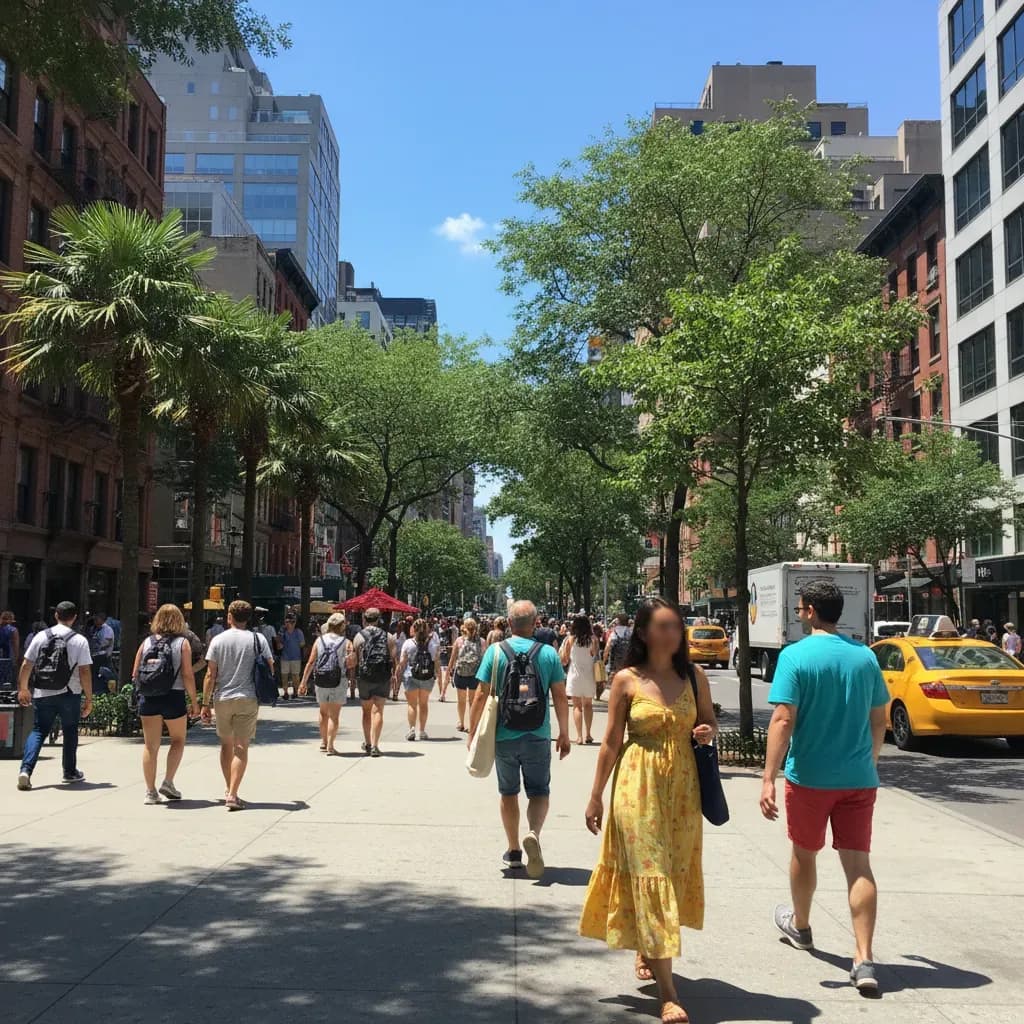
For instance, a ticket advertised at $500 might easily become $650 or more after all fees are applied. This discrepancy demands a careful approach: always proceed to the checkout page to see the full, all-inclusive price before committing. This transparency, or lack thereof, is a key point of friction for consumers in the secondary market. Fans need to be aware that the journey from browsing to purchase involves several financial steps, each potentially adding to the final tally. This practice isn't unique to World Cup tickets but is a standard operating procedure across many event ticketing platforms.
Official vs. Unofficial: The Risk-Reward Calculation
FIFA has consistently advised fans to use official ticketing channels for purchasing World Cup tickets. Their warnings are clear: unauthorized resale can lead to tickets being invalidated, resulting in denied entry to the stadium. This is a significant risk, especially when considering the investment in travel, accommodation, and the ticket itself. The allure of finding a "deal" on an unofficial platform can be strong, but the potential consequence of being turned away at the gate is a sobering thought.
The official channels offer a guarantee of authenticity and entry, which carries its own value. While official sales might involve lotteries or specific sales windows that require patience and timing, they eliminate the uncertainty associated with secondary markets. For the 2026 World Cup, with its expanded schedule and numerous venues, the official route remains the safest bet for securing legitimate access. Fans should regularly check the official FIFA ticketing website for updates on sales phases, registration details, and available inventory.
The USMNT Factor: Driving Local Interest
The presence of the United States Men's National Team (USMNT) in the tournament, as a co-host, is a significant driver of local interest and, consequently, ticket demand. Recent Google Trends data for the US shows a consistent search interest around the USMNT, including queries about the "USMNT roster" and specific players like "Christian Pulisic." This indicates a strong and active fanbase eager to follow the team's journey.
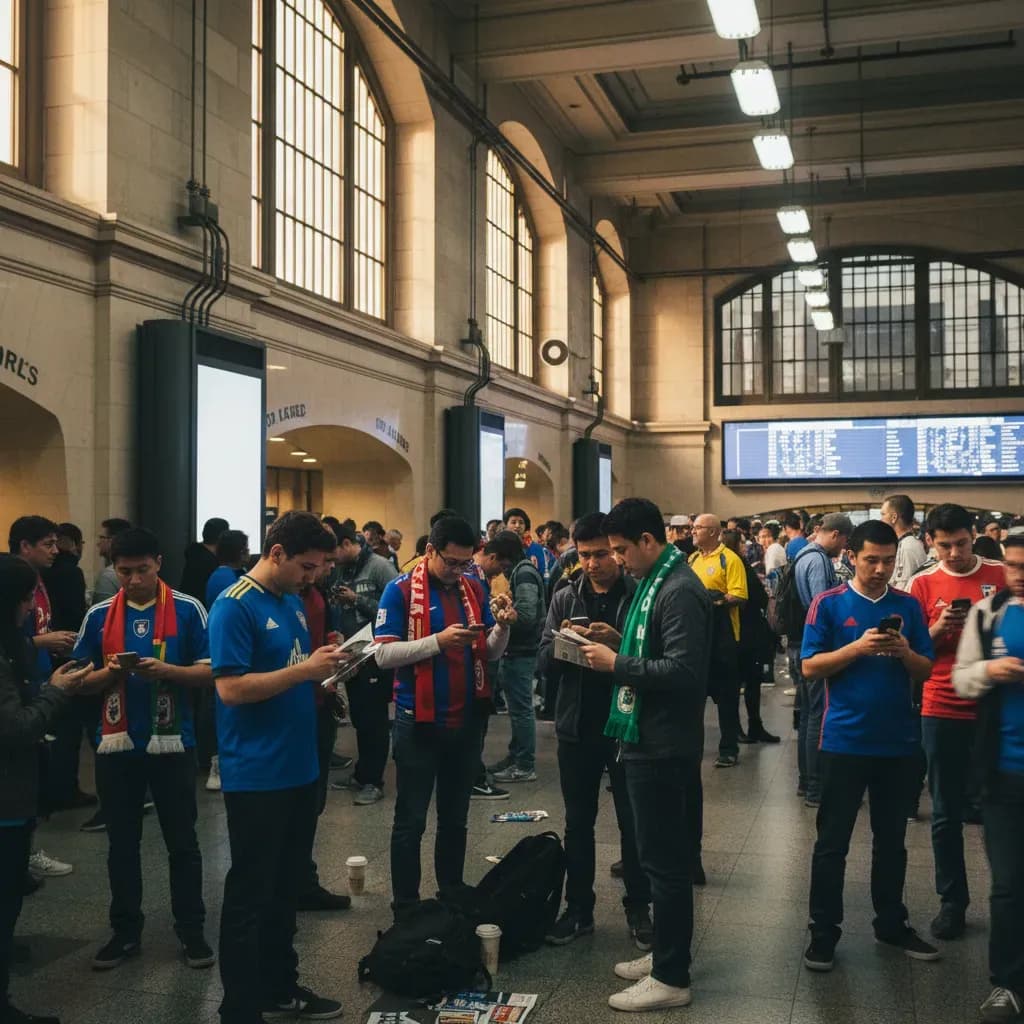
Matches involving the USMNT, particularly those played in the US, are expected to command higher prices on both primary and secondary markets. For NYC fans, this means that any USMNT game at MetLife Stadium or nearby venues will likely be hot tickets. Understanding this dynamic is crucial for planning. If attending a USMNT match is a priority, fans should prepare for increased competition and potentially higher prices, reinforcing the need to engage with official channels early or navigate the resale market with extreme caution and price literacy. The emotional connection to the home team often overrides purely rational pricing considerations for many supporters.
The MetLife Final: A Local Premium
The announcement that MetLife Stadium will host the 2026 FIFA World Cup Final is a monumental event for the New York/New Jersey metropolitan area. This designation immediately elevates the status of the local market, making tickets for the final match particularly sought after. Historically, World Cup finals are among the most expensive sporting event tickets globally, and the 2026 edition is unlikely to be an exception.
The local premium for the final week in the NYC area will likely extend beyond just the match ticket itself. Accommodation, local transportation, and even dining are expected to see increased demand and prices. For fans hoping to experience the final in person, careful financial planning and an early start to the ticket search are paramount. The "local price premium" means that even if you live in the area, the convenience of proximity might be offset by the heightened cost of entry. This is where understanding the true cost of resale tickets, including all fees, becomes even more critical, as the base prices themselves will be at an all-time high.
Navigating the Market: A Consumer's Guide
For NYC fans looking to engage with the 2026 World Cup ticket market, a multi-pronged approach is advisable. First, prioritize official FIFA channels for initial ticket purchases. Register for updates, understand the sales phases, and be ready to act when tickets become available. This is the most secure route to legitimate entry.

Second, if considering the resale market, exercise extreme diligence. Always scrutinize the total price, including all fees, before committing to a purchase. Be wary of deals that seem too good to be true, as they often are. Research the reputation of any resale platform you consider using. Websites like USA.gov offer guidance on avoiding online purchase scams, a relevant resource given the high-value nature of World Cup tickets.
Finally, stay informed. Follow official announcements from FIFA and local organizing committees. Keep an eye on news about team performance and fan interest, especially concerning the USMNT, as these factors will influence demand and pricing. For the 2026 World Cup, being a well-informed consumer is just as important as being a passionate fan. The journey to securing a seat is part of the experience, and navigating it wisely ensures the ultimate reward: witnessing history unfold.
Tags: #WorldCupTickets #TicketPrices #ResaleMarket #WorldCup2026 #USMNT #MetLifeStadium #NYCGuide #FanPlanning #FIFAWorldCup #ConsumerGuide #KarpoFinds #TheOddEdit #Summer2026 #StadiumSeats #PriceMap
Sources consulted
Sources consulted: FIFA Tickets (https://www.fifa.com/en/tickets) · 2026 FIFA World Cup overview (https://en.wikipedia.org/wiki/2026_FIFA_World_Cup) · MetLife Stadium (https://en.wikipedia.org/wiki/MetLife_Stadium) · New Jersey Consumer Affairs (https://www.njconsumeraffairs.gov/) · USA.gov: Online purchase scams (https://www.usa.gov/online-purchase-scams) · Google Trends US 7-day export captured by Alice
All trademarks are the property of their respective owners.
Ask Karpo for more information.
Keep reading
- Haaland Has Seven Goals and Norway Runs Entirely Through Him
 World Cup Trophy Ceremony Timing Medals and Postmatch Celebrations
 Olise and France's Attack: The Semifinal Tactical Question