 Haaland Has Seven Goals and Norway Runs Entirely Through Him
⚽️2026 FIFA WORLD CUP
Tunnel to Table: Where World Cup Teams Eat After MetLife Games
The post-match dinner circuit from East Rutherford to Manhattan — private dining rooms, late-night Italian joints, and hotel banquet halls where teams refuel after the final whistle.
The Final Whistle Is Just the Beginning
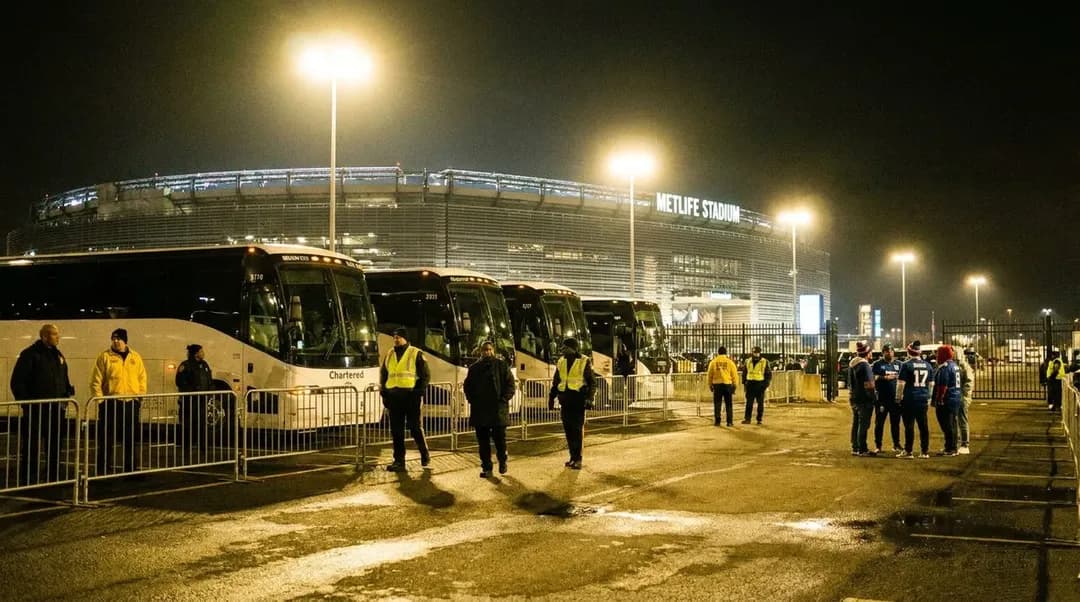
The match ends at MetLife Stadium in East Rutherford, New Jersey. The floodlights stay on for another 40 minutes while broadcast crews pack equipment, FIFA officials complete their post-match protocols, and the 82,500 fans funnel through the parking lots toward the New Jersey Turnpike. But inside the stadium's lower concourse, behind a security perimeter that casual fans never see, the players are already thinking about food. They have burned between 2,800 and 3,500 calories over 90 minutes. Their glycogen stores are depleted. And the clock on recovery has started — sports nutritionists generally recommend that the first post-match meal arrive within 45 minutes of the final whistle.
For World Cup teams based in Manhattan, that creates a logistical problem. The drive from MetLife to Midtown takes 25 to 40 minutes depending on post-match traffic, which means the team bus delivers players to their hotel at roughly 11:15 p.m. after a 9 p.m. kickoff. Too late for most restaurants. Too early for sleep. And too important — nutritionally and psychologically — to leave to room service.
The Bus Meal
The first meal actually happens on the bus. FIFA regulations require team buses to include a refrigerated compartment stocked with recovery provisions — typically protein shakes, electrolyte drinks, fruit, and pre-made wraps or sandwiches prepared by the team nutritionist. The specifications are precise: the compartment must hold a minimum of 60 liters, temperatures must stay between 2 and 8 degrees Celsius, and the items must be sealed and labeled. This is not dinner. This is triage.
By the time the bus reaches the Lincoln Tunnel, most players have consumed a recovery shake — typically 30 to 40 grams of whey protein mixed with carbohydrates — and a banana or two. The real meal is waiting at the hotel or, for teams that plan ahead, at a restaurant that has agreed to stay open past midnight with a private dining room reserved.
The Hotel Kitchen
Most teams eat at their hotel after night matches. The setup is consistent across delegations: a private dining room or sectioned-off banquet space, buffet-style service to allow for staggered arrivals (players who went through doping control may arrive 30 to 45 minutes after teammates), and a menu approved by the team nutritionist that typically centers on lean protein, complex carbohydrates, and anti-inflammatory foods.
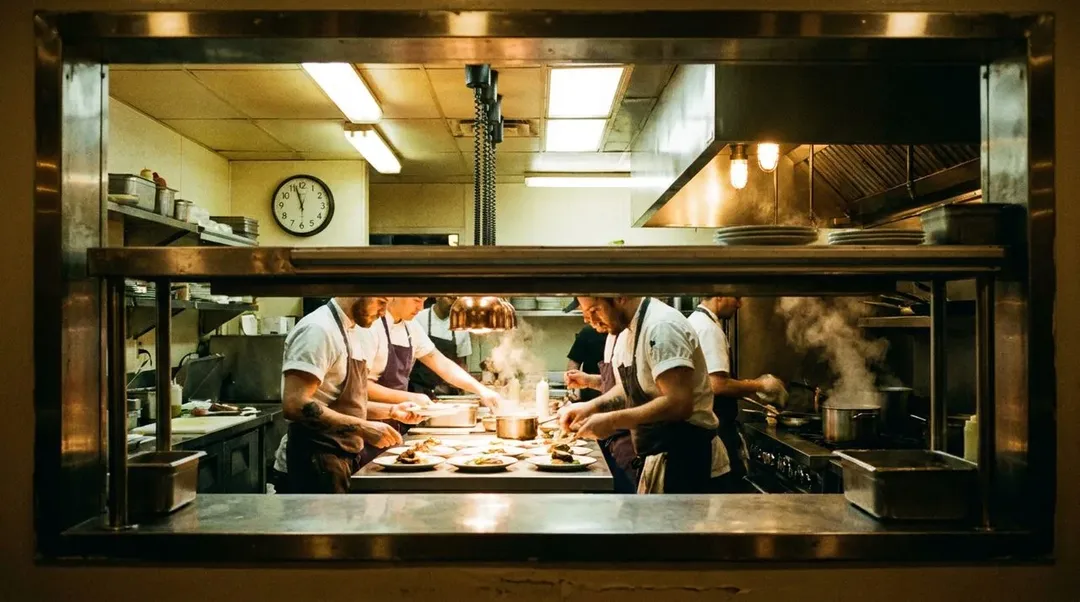
At the New York Hilton Midtown, the banquet operation on the third floor can pivot from a conference setup to a 40-person dinner service in under two hours. The hotel's executive chef has noted that past sports delegations have requested specific items including grilled salmon with turmeric rice, chicken breast with quinoa and roasted vegetables, pasta stations with both white and whole-wheat options, and a fruit-and-yogurt bar. The kitchen's capacity to plate 800 covers in a single service means a 30-person team dinner is handled without strain, even at 11:30 p.m.
The Italian Option
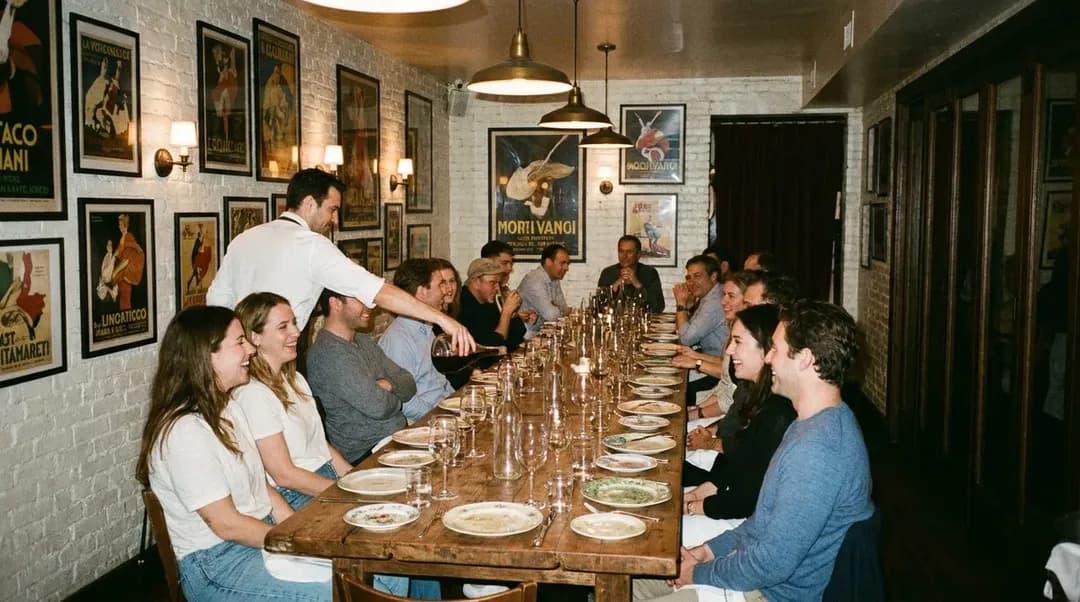
For teams that want to eat out — either to celebrate a win or simply to break the monotony of hotel food — the late-night Italian restaurant is the World Cup's universal dining room. Italian cuisine maps perfectly onto post-match nutritional needs: pasta provides rapid glycogen replenishment, grilled proteins are available at every price point, and the culture of long, communal meals matches the social dynamics of a team that has just shared 90 minutes of high-stakes competition.
Carbone on Thompson Street in Greenwich Village is the aspirational choice. The restaurant, which serves Italian-American classics in a 1950s supper-club setting, normally requires reservations weeks in advance. But its private dining room — the Sinatra Room, accessed through a separate entrance on the building's ground floor — seats 22 and can be booked on shorter notice for large-party buyouts. The spicy rigatoni vodka, which has become one of the most talked-about pasta dishes in the country, costs $36 and arrives in a portion large enough to serve as a recovery meal on its own. A full-team dinner at Carbone, with shared appetizers, pasta courses, and grilled veal chops at $68 each, runs approximately $3,500 to $4,500 before drinks and gratuity.
Closer to the Midtown hotel corridor, Il Gattopardo on West 54th Street offers a more refined alternative. The restaurant occupies a 19th-century brownstone, and its second-floor private dining room — which seats 30 around a single long table — has hosted diplomatic dinners, fashion-industry events, and at least two Champions League club dinners during past New York friendlies. The kitchen stays open until midnight on weeknights, and the chef has accommodated late seatings for groups arriving from Madison Square Garden events. A post-match arrival at 11:15 p.m. would fall within their operational window.
The Staff Table
Players eat together. But the 30 to 50 additional staff who travel with a World Cup delegation — coaches, analysts, physiotherapists, media officers, security personnel, and administrative support — often eat separately and later. Their meal is less about recovery and more about decompression. The assistant coaches who spent 90 minutes tracking opponent formations need to eat while reviewing footage. The media officer who managed 15 post-match interview requests needs a drink.
For this group, the hotel bar is often the answer. The Lobby Lounge at the Lotte New York Palace serves a late-night menu until 1 a.m. that includes a wagyu burger ($34), truffle fries ($18), and a selection of wines by the glass. The seating — deep sofas arranged around low tables — encourages the kind of informal debriefing that does not happen in a formal meeting room. It is here, over a glass of Barolo at midnight, that the tactical adjustments for the next match often begin.
The Morning After
The post-match meal cycle does not end at dinner. The morning after a night match, the team nutritionist is already in the hotel kitchen by 6 a.m., preparing the breakfast that will determine the quality of the day's recovery session. The standard post-match breakfast includes eggs (usually scrambled or poached, never fried), smoked salmon, whole-grain toast, avocado, fresh berries, and a large volume of water with electrolyte supplements.
Players who did not play — substitutes and unused squad members — often have a lighter breakfast and an earlier training call. Players who went the full 90 minutes may not train at all, instead doing a pool recovery session or a 20-minute walk. Their breakfast is served in-room or in a designated quiet area, away from the collective energy of the team dining room.
From Tunnel to Table
The journey from the MetLife tunnel to the dinner table is, in its own way, a ritual as structured as the match itself. Every minute is accounted for. Every calorie is calculated. Every restaurant choice — whether it is a hotel banquet room, a private dining room at Carbone, or a quiet corner of the Palace lobby bar — reflects a team's culture, its nutritional philosophy, and its approach to the space between games where World Cups are quietly won and lost.
The stadiums get the cameras. The restaurants get the conversations. And somewhere in Midtown, at 11:45 p.m. on a match night, 26 athletes are sitting down to the most important meal of their tournament — one plate of pasta at a time.
Tags: #WorldCup2026 #MetLifeStadium #PostMatchDinner #TeamDinner #Carbone #IlGattopardo #MidtownNYC #ItalianFood #RecoveryNutrition #SportsScience #EastRutherford #MatchDay
Sources consulted: MetLife Stadium · FIFA World Cup 2026 · Carbone restaurant) · Sports nutrition · New York Hilton Midtown
Please drink responsibly. You must be 21 or older to purchase or consume alcohol in New York.
All trademarks are the property of their respective owners.
Ask Karpo for more information.
Keep reading
- Haaland Has Seven Goals and Norway Runs Entirely Through Him
 World Cup Trophy Ceremony Timing Medals and Postmatch Celebrations
 Olise and France's Attack: The Semifinal Tactical Question