 Haaland Has Seven Goals and Norway Runs Entirely Through Him
⚽️2026 FIFA WORLD CUP
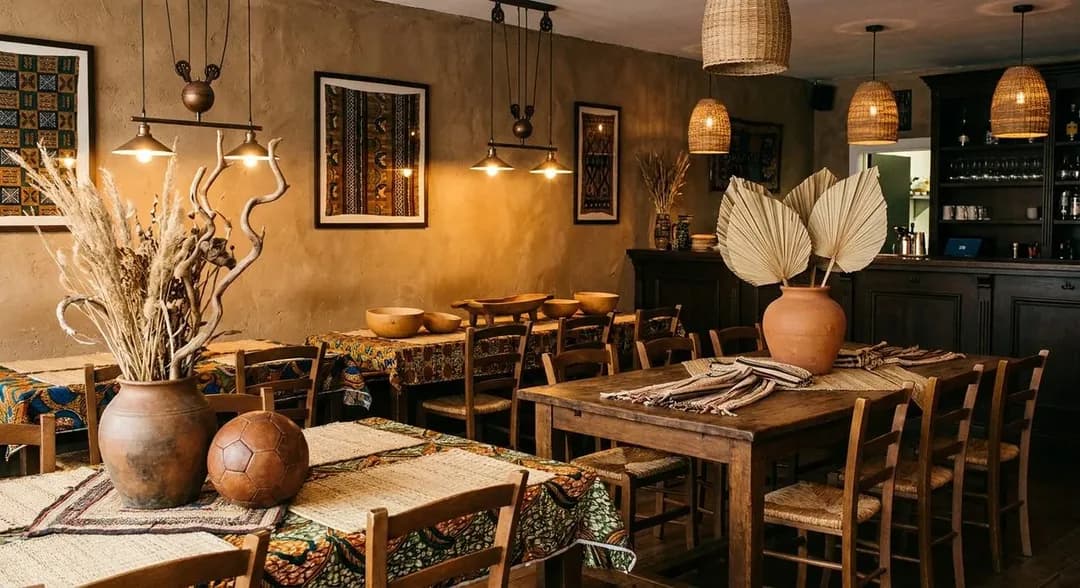
West African World Cup Viewing in Harlem and the Bronx
As the 2026 FIFA World Cup kicks off, Harlem and the Bronx transform into spirited gathering places where West African diasporic communities cheer on Senegal, Ghana, and Nigeria—creating an electric atmosphere that rivals any stadium.
The television flickers to life in a narrow, sun-drenched dining room along Frederick Douglass Boulevard, and a collective inhale fills the space. It's mid-June 2026, and the World Cup is back on North American soil. For the West African communities scattered throughout upper Manhattan and the Bronx, this isn't merely spectator sport—it's a layered ritual of pride, nostalgia, and belonging. The jollof debates have already been settled at breakfast; now everyone's eyes are on the pitch. Walk through these neighborhoods during match days and you'll find clusters of restaurants and social clubs that become impromptu stadiums, humming with tension and hope.
The Architecture of a Match Day
Harlem football 2026 unfolds differently than the polished sports-bar model downtown. Here, you'll find small dining rooms where flat-screens are angled just so, perched above refrigerated cases of Supermalt and Chapman. Chairs—mismatched, sturdy—are dragged from back rooms and lined up in tight rows. The décor skews functional: laminated menus taped to walls, a ceiling fan working overtime, the faint hum of a generator ready in case the grid falters at the worst possible moment.
The light in late May slants through half-drawn blinds, casting grids across tables crowded with shared platters. There's a ritualistic quality to the setup, a quiet efficiency. Regulars know which corner offers the best sightline, which proprietor will tolerate standing-room overflow, and where to leave your shoes if the crowd spills onto a back patio. This is infrastructure built on trust and repetition, not Yelp ratings.

What's on the Table
Food during a World Cup match serves dual purpose: sustenance and distraction. You'll see heaping platters of jollof rice—each kitchen loyal to its own ratio of tomato, pepper, and scotch bonnet—alongside grilled tilapia, plantains caramelized to the edge of burnt, and chicken stewed until it falls from the bone. The scent is layered: smoky, faintly sweet, undercut by the sharpness of raw onion and the herbaceous punch of fresh parsley.
Vendors weave between tables hawking meat pies and chin-chin in clear plastic bags, their timing impeccable—arriving during halftime or after a near-miss that leaves everyone too agitated to sit still. Cold drinks move fast: Malta Guinness, Fanta in improbable flavors, and for those who want something stronger, small bottles of beer sweating in makeshift ice buckets. It's communal eating in the truest sense, where a stranger's fork might dart onto your plate and no one blinks.
The Sonic Landscape of Victory and Heartbreak
A goal is never quiet. The eruption is immediate, full-bodied—chairs scraping, fists pounding tables, a brief chaos of voices layered in Wolof, Twi, Yoruba, and English. Someone's aunt ululates near the back. A man in a replica jersey sprints out onto the sidewalk, arms wide, as if the players might see him from the screen. The celebration spills into the street; car horns join the chorus.
A missed penalty, conversely, brings a different kind of noise—groans that feel physically heavy, the collective slump of shoulders, a few muttered prayers. Then, almost immediately, the analysis begins: why that player, why that angle, why the coach made that substitution. The debates are passionate, granular, and often hilarious. There's a wry humor to the disappointment, a sense that this too is part of the bargain. Hope recalibrates quickly here.
Beyond the Scoreboard
These gatherings transcend soccer. For diaspora communities, World Cup viewing becomes a rare occasion to see one's country of origin occupy global attention—to watch commentators stumble over player names, to hear anthems broadcast across continents, to claim space in a narrative that often overlooks African excellence. There's pride, yes, but also a pointed awareness of representation. When Senegal or Nigeria advances, it registers as both athletic triumph and cultural validation.
Conversations during commercial breaks roam widely: remittances, the price of shipping barrels home, someone's cousin's new business in Accra, the ever-present question of whether to return or stay. The World Cup is the anchor, but it's also the excuse—a reason to gather, to be loud, to momentarily set aside the grind of work and bills and immigration paperwork. The match ends, but people linger, reluctant to dissolve back into the ordinary.
Finding Your Spot
If you're new to africa world cup nyc viewing culture, the best approach is to simply show up. Harlem's 116th Street corridor and sections of the Bronx near Grand Concourse host several West African eateries that reliably screen matches, though specific venues shift with lease renewals and ownership changes. Scout the blocks between Frederick Douglass and Adam Clayton Powell Boulevards, or venture north into the Bronx around Tremont. Look for handwritten signs in windows announcing match times, or simply follow the crowds.
Dress codes are nonexistent; jerseys are common but not required. Bring cash—not all spots take cards, and tipping is appreciated when staff are hustling through a packed room. Be prepared for volume, both auditory and human. If you're claustrophobic or precious about personal space, these gatherings will test you. But if you're curious, respectful, and willing to share a table with strangers who might become loud friends by the second half, you'll find few better ways to experience the World Cup.
Practical Notes
Harlem's 116th Street is accessible via the B/C trains to 116th Street–Columbia University or the 2/3 to 116th Street–Lenox Avenue. In the Bronx, the 4 train to Burnside Avenue or the D train to Tremont Avenue or nearby Bronx stops will position you near West African establishments. Street parking exists but is competitive on match days; consider public transit. Many venues may open before kickoff and remain open after the match, but hours vary by spot. Call ahead to confirm match screenings and whether reservations are accepted (most aren't). Accessibility varies; many older storefronts have step entrances and narrow aisles. Bring cash, patience, and an appetite. Verify hours and locations directly, as the restaurant landscape shifts.
Tags: #WorldCup2026 #WestAfricanFood #HarlemNYC #TheBronx #SenegalFootball #GhanaSoccer #NigeriaFootball #NYCDining #DiasporaStories #FIFAWorldCup #AfricanCuisine #NYCCulture #SoccerCulture #SpringInNYC #CommunityGathering
Please drink responsibly. Must be of legal drinking age.
Sources consulted: 2026 FIFA World Cup · Harlem, New York · FIFA World Cup 2026 · New York Times Soccer Coverage · MTA - Public Transit Info
All trademarks are the property of their respective owners.
Ask Karpo for more information.
Keep reading
- Haaland Has Seven Goals and Norway Runs Entirely Through Him
 World Cup Trophy Ceremony Timing Medals and Postmatch Celebrations
 Olise and France's Attack: The Semifinal Tactical Question