 Washington Heights Arepa Lunch Spot Picker for a Newcomer
Restaurants
Szechuan Restaurant Near Me in Midtown: Cafe China Guide
A practical New York guide to Cafe China in Midtown, with signature dishes, prices, ordering advice, timing, and a neighborhood walk.
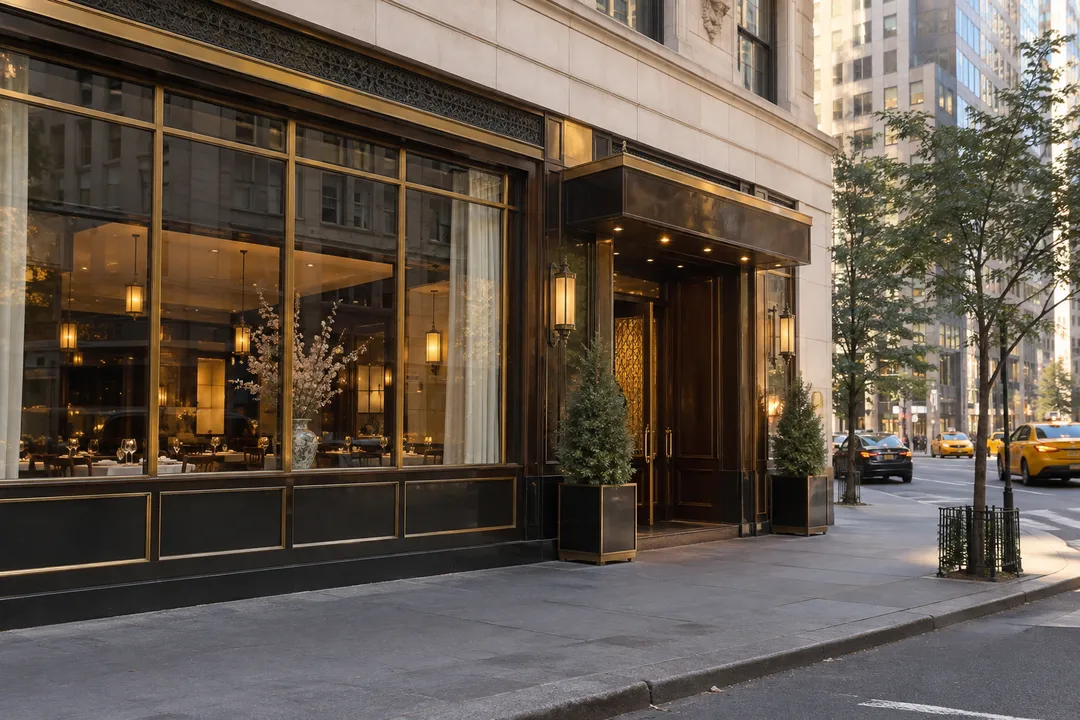
When the workday ends around Midtown, a szechuan restaurant near me search should lead to a meal with enough character to cut through office routine. Cafe China does that from its Midtown address at 13 East 37th Street. The menu moves between delicate tea, crisp duck, dan dan noodles, mapo tofu, and dishes built around dried chile. It is a useful choice when the group wants regional Chinese flavor but also wants a room polished enough for a proper dinner.
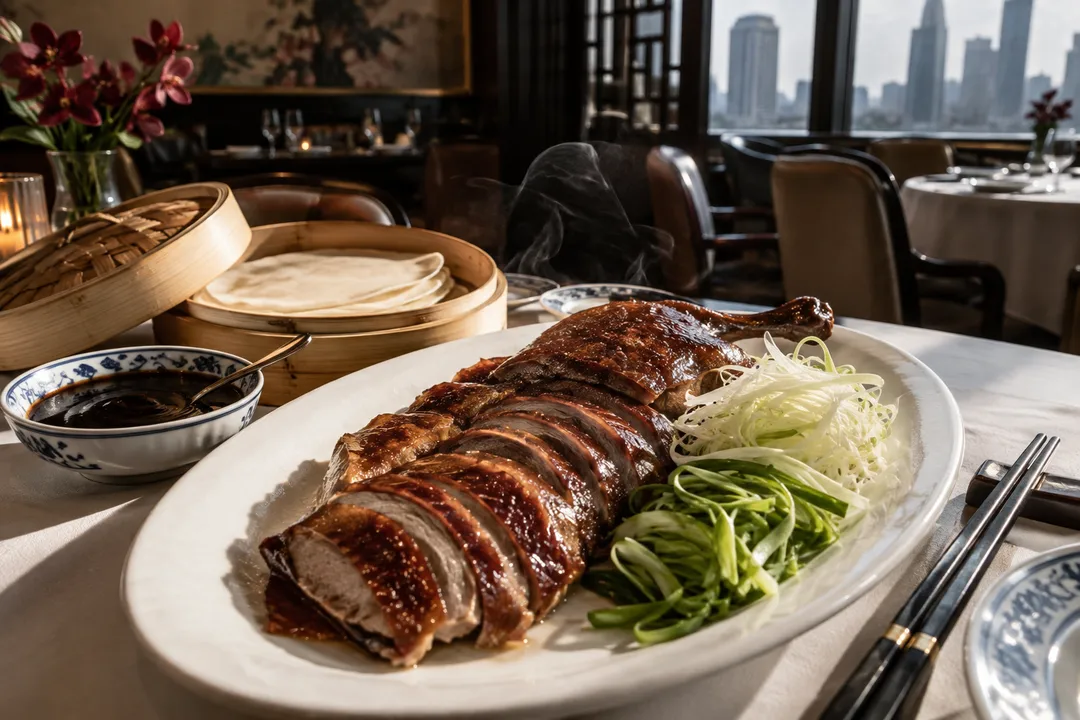
Getting there is simple from Grand Central, Bryant Park, or the 5, 6, 7, B, D, F, M, or Metro-North connections nearby. The last blocks are classic Midtown: delivery bikes, hotel guests, office workers, and visitors all moving toward the same restaurants. Arrive with a few minutes to spare, especially for a reservation. East 37th Street can feel calm at one moment and suddenly crowded at the next, and a composed arrival helps you read the room before ordering.
Cafe China has built its reputation around a modern interpretation of Sichuan cooking rather than a giant menu of anonymous spice. The strongest plates separate aroma, texture, and heat. A dish may begin with sesame or tea, gather chile at the middle, and finish with vinegar or peppercorn. That range is why the restaurant is good for a first-time diner: there are recognizable dishes for the cautious guest and deeper regional flavors for the person who wants the table to keep moving.
The dining room has an elegant, art-deco-leaning feel, with dark wood, patterned details, and a sense that lunch and dinner are meant to be distinct experiences. At midday, the room can work for a focused meal between meetings. At night, the lighting slows everything down and makes sharing easier. Leave space between plates instead of placing the whole order at once. The staff can help with pacing, and the kitchen's best textures are easier to appreciate when they arrive in sequence.
Dan dan noodles, usually around $16, are the practical opening move. The noodles bring sesame, chile, preserved vegetable, and savory sauce together in a portion that can be shared as a first course. Stir from the bottom before serving because the dressing settles. The dish should be tasted twice: first for the nutty richness, then after the chile and vinegar are fully mixed. It is familiar enough for a newcomer but specific enough to show the restaurant's style.
Tea-smoked duck, often around $32, is the plate to choose when the table wants a story as well as dinner. The smoke should sit behind the crisp skin rather than overwhelm it, and the thin wrappers or accompanying aromatics make the dish a natural group order. Ask how many diners the portion serves before adding another large entree. Let the duck cool for a moment before assembling a bite so the texture stays crisp and the fragrance remains clear.
Mapo tofu, commonly listed near $19, provides a softer counterpoint. Its sauce is a useful bridge between noodle, duck, and vegetable courses because it carries fermented bean, garlic, chile oil, and peppercorn without requiring a fried texture. Spoon it over rice in small portions and do not bury the tofu under several other sauces. A well-balanced table uses mapo tofu as a savory pause, not as proof that everyone can tolerate the same level of heat.
For a fourth dish, choose something with a different profile: fish fragrant eggplant, dry-fried chicken, or a seasonal vegetable depending on the current menu. A plate in the $18 to $28 range can complete the order without making it all meat and chile. The useful question is not which dish sounds most dramatic, but which one adds a new texture. Silken tofu, crisp duck skin, slippery noodles, and tender vegetables create a fuller dinner than four similarly spicy entrees.
Cafe China's beverage program makes it easy to keep the meal measured. Tea works with the smoke and sesame, while a beer or a simple wine can soften a dish that leans hard on dried chile. Order water before the first course and tell the server if anyone wants less heat. Sichuan pepper can create a floral, electric tingle that some diners love and others find surprising. A quick conversation at the start prevents the table from treating every kind of spice as the same thing.
Reservation timing matters more here than a casual Midtown lunch. Weekday lunch can be easier for a small walk-in, while the dinner room fills with pre-theater groups, business dinners, and visitors who planned ahead. Arrive on time for the full party and call if the group changes. If you are waiting, stay clear of the entrance and ask whether the bar or another nearby option is available. The restaurant is a better experience when the first course is ordered with attention rather than impatience.
House etiquette is simple: share the larger dishes, use the serving utensils, and ask before changing a preparation for an allergy or dietary need. Keep the table's heat progression in mind. Begin with noodles or a cool vegetable, follow with duck or chicken, and put mapo tofu or another saucy course beside rice. The kitchen is doing several kinds of work at once, so the table should give each plate a moment. That rhythm also makes conversation easier for a mixed group.
A Midtown walk can extend the meal without adding another reservation. Head west to Bryant Park and the New York Public Library, or east toward Grand Central's main concourse after dinner. If you are early, the blocks around Fifth Avenue give you a clean way to work up an appetite. The best route is short enough to preserve the evening's focus: Cafe China is the anchor, and the city landmarks are a before-or-after frame rather than a competing itinerary.
Practical notes: check current hours and the live menu before leaving because Midtown restaurants adjust service during holidays and private events. Expect prices to shift, especially for market ingredients. The address is easier by subway or train than by car, and garage parking can add unnecessary time. Dress can be smart casual, but comfort still matters if you plan to walk. Tell the staff about allergies, gluten concerns, or a strong dislike of numbing pepper before the order reaches the kitchen.
Cafe China is a strong match for diners who want a szechuan restaurant near me option in Midtown that can handle a lunch, a date, or a small celebration. It gives a curious first-timer several entry points without flattening the food into generic takeout. Go with at least one person who enjoys sharing, order in stages, and save a little attention for the room. The restaurant works best when the meal feels like a planned pause in the middle of Manhattan.
Ask Karpo for more information.
Keep reading
- Washington Heights Arepa Lunch Spot Picker for a Newcomer
 Williamsburg Arepa Lunch Spot Picker for Parents of Toddlers
 Lower East Side Arepa Lunch Spot Picker for Coeliac Friends