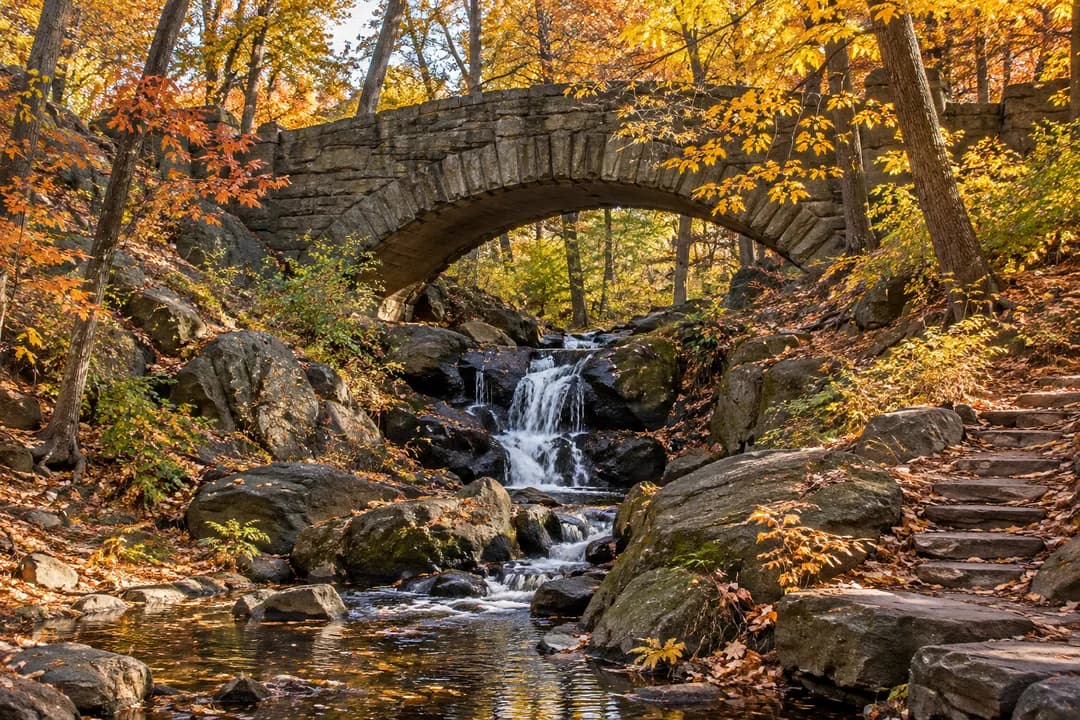
 Scenic Walking Trail Near Me: Central Park North Woods Ravine and Loch Walk
Free Things to Do
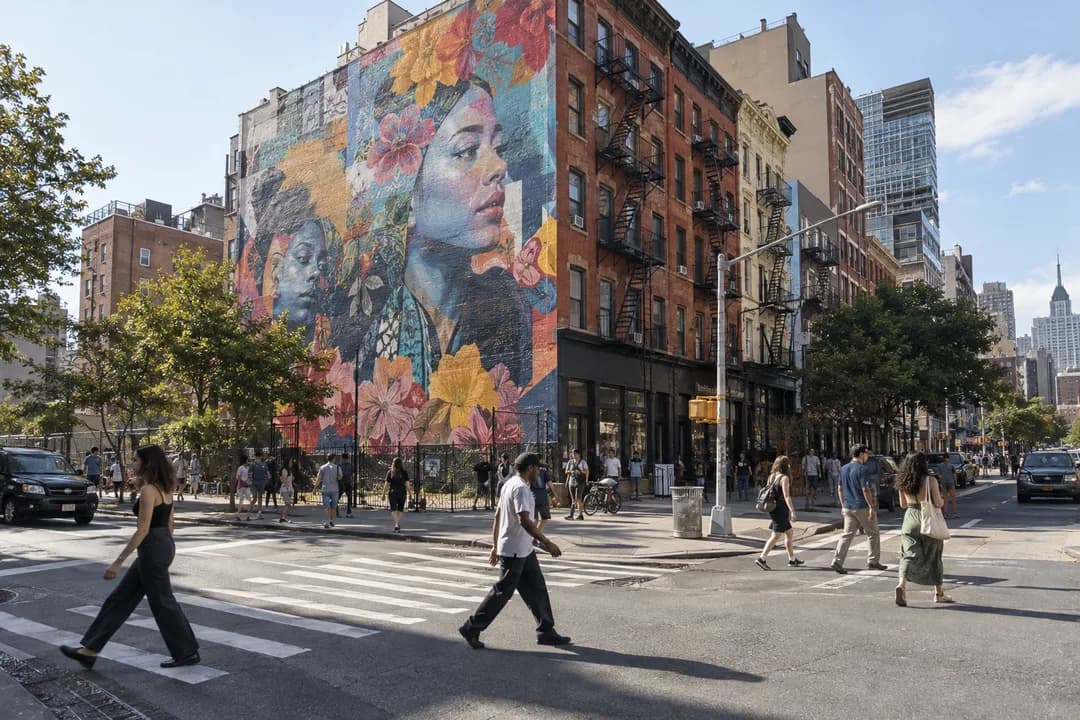
Street Art Near Me at the Houston Bowery Wall
A free downtown New York stop for the Houston Bowery Wall, with mural history, respectful viewing tips, timing advice, and nearby streets to fold into a walk.
If you are searching street art near me in New York, Houston Bowery Wall is a better answer than another generic photo wall. It gives you a real neighborhood surface, a clear walking plan, and enough visual change to justify slowing down. In NoHo and the Lower East Side edge, the art is tied to streets, storefronts, weather, and people moving through the block, so the visit feels lived-in rather than staged.
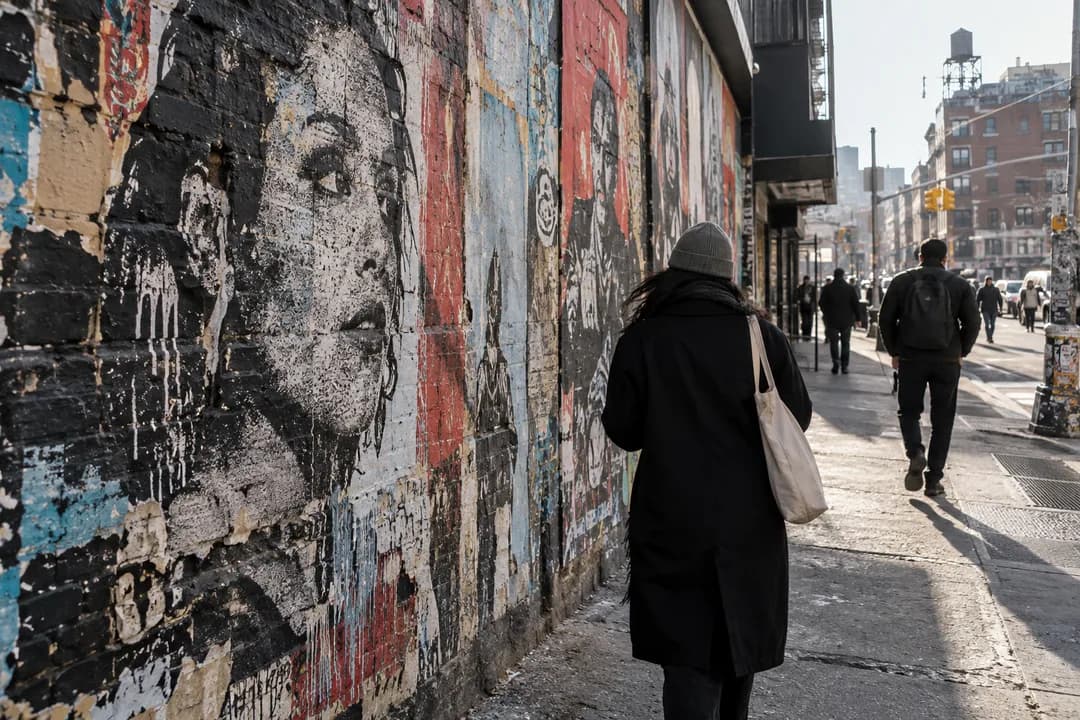
The useful context starts with this: The wall at Houston Street and Bowery has been one of downtown Manhattan's best-known public mural locations, with contemporary artists periodically remaking the same exposed corner. That background changes how you look. Instead of treating the wall as decoration, notice who made space for it, why the site became visible, and how the surrounding blocks keep adding pressure, noise, and daily use to the work.
Getting there works best when you keep the route simple. Use Broadway-Lafayette, Bleecker Street, or the Bowery stop, then approach on foot so you can read the wall in relation to Houston traffic, narrow storefronts, and the brick side streets behind it. Save the exact address or cross street before you leave, then allow time to wander one or two blocks beyond the obvious stop. Street art rewards the extra corner because the strongest detail is often not the first wall you came to see.
What you see up close will not match a polished online image. The appeal is scale and turnover: a single broad surface carries fresh color, older edge marks, drips, patches, and the friction of a busy intersection. Step back for the full composition, then move nearer for seams, repairs, outlines, and the way sun hits the surface. That second pass is where a quick search result becomes a real street-level visit.
Timing changes the whole mood. Late morning gives the cleanest look at the paint; late afternoon adds stronger shadow from the surrounding buildings. If you care about photographs, avoid rushing the first angle you find. Watch how shadows move across the wall, wait for pedestrians to clear naturally, and choose one wide frame plus one texture detail instead of taking the same picture five times.
The main rule is simple but easy to forget when the art is good. View from the sidewalk, do not step into traffic for a photograph, and remember that the adjacent property is not an open studio. A respectful visitor keeps the sidewalk usable, never touches wet or fragile paint, and treats nearby residents and workers as part of the place. The wall is public-facing; that does not make every surrounding space public.
Cost is refreshingly straightforward. The stop is free, outdoors, and available whenever the sidewalk is open, but the artwork may change without notice. Bring water, comfortable shoes, and a flexible attitude because outdoor work can be repainted, blocked by a truck, or partly shaded. If a paid tour, class, museum, or event is available, treat it as optional context rather than the only valid way to see the art.
A good route does not need to be long. Start with Houston Bowery Wall, walk slowly for twenty minutes, and then decide whether the neighborhood is asking for more time. In NoHo and the Lower East Side edge, small choices matter: cross at the safer corner, pause where you are not blocking anyone, and let storefront rhythms set the pace.
The nearby plan is what keeps the stop from feeling thin. Pair it with Elizabeth Street, the New Museum block, Sara D. Roosevelt Park, or a slow loop toward Nolita shops and Bowery storefronts. Build in one sit-down break if the weather is hot or the route is exposed. You will look more carefully after a pause, and the neighborhood will feel less like a checklist of walls.
Crowds, when they appear, are usually manageable if you do not fight them. Families, tour groups, delivery workers, artists, shoppers, and locals all read the same wall differently. Give other people room to take their turn. If someone is working nearby, a patient frame from the side is better than turning their doorway into your set or making the visit feel extractive.
Look for evidence of change. Fresh color, fading pigment, patched stucco, roller marks, and small tags at the edge can tell you how long a surface has been active. At Houston Bowery Wall, that material record is part of the story. A perfect, empty wall would actually be less interesting because it would hide the daily negotiation between art and street.
In October 2026, plan this as an outdoor city stop rather than a guaranteed exhibition. Check current weather, nearby construction, and event calendars before leaving. If a specific mural has changed, the trip is not wasted; the point of street art is that the city keeps revising the view, sometimes faster than search results or old social posts can keep up.
Compared with many street art near me results, this one works because it gives you both a destination and a neighborhood. The destination helps you start; the neighborhood tells you how to continue. Keep your route loose enough to notice a side wall, a painted shutter, or a small public-art detail that is not on the first map or guide.
Practical Notes: viewing from public sidewalks is the dependable free option, and no reservation is needed for the basic walk. Go in daylight, keep camera gear compact, and use transit or a single legal parking spot when possible. If indoor access, guided tours, festivals, or classes matter to your plan, confirm those details the same day before committing.
This stop is best for visitors who like city texture, changing walls, and neighborhood context. It is less ideal for anyone expecting a quiet museum, a fixed collection, or a guaranteed blank foreground for portraits. Bring curiosity rather than a shot list, and Houston Bowery Wall becomes a useful way to read New York through paint, weather, and street habits. One final planning detail: do not overpack the visit. A mural walk improves when you have enough attention left to compare scale, surface, street life, and the ordinary uses of the block. Give Houston Bowery Wall a calm hour, then let the rest of NoHo and the Lower East Side edge decide whether you continue, eat nearby, or save a second route for another day.
Ask Karpo for more information.
Keep reading
- Scenic Walking Trail Near Me: Central Park North Woods Ravine and Loch Walk
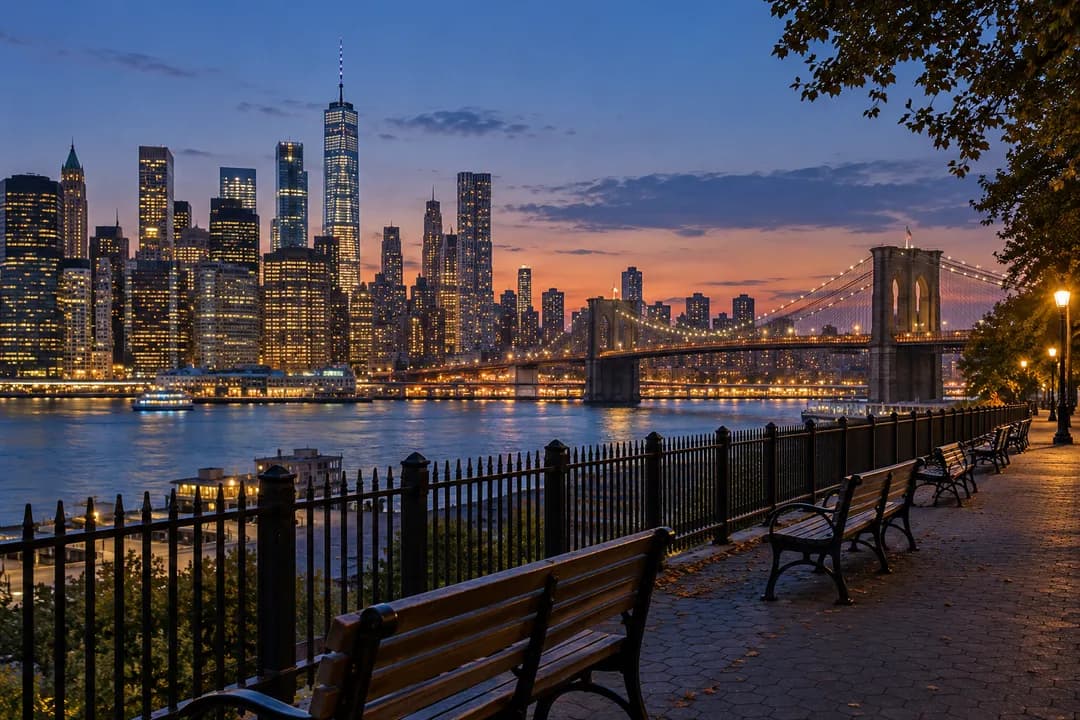 Scenic Viewpoint Near Me: Brooklyn Heights Promenade at Sunset
 Scenic Viewpoint Near Me: Riverside Park Hudson River Walk