 Haaland Has Seven Goals and Norway Runs Entirely Through Him
⚽️2026 FIFA WORLD CUP
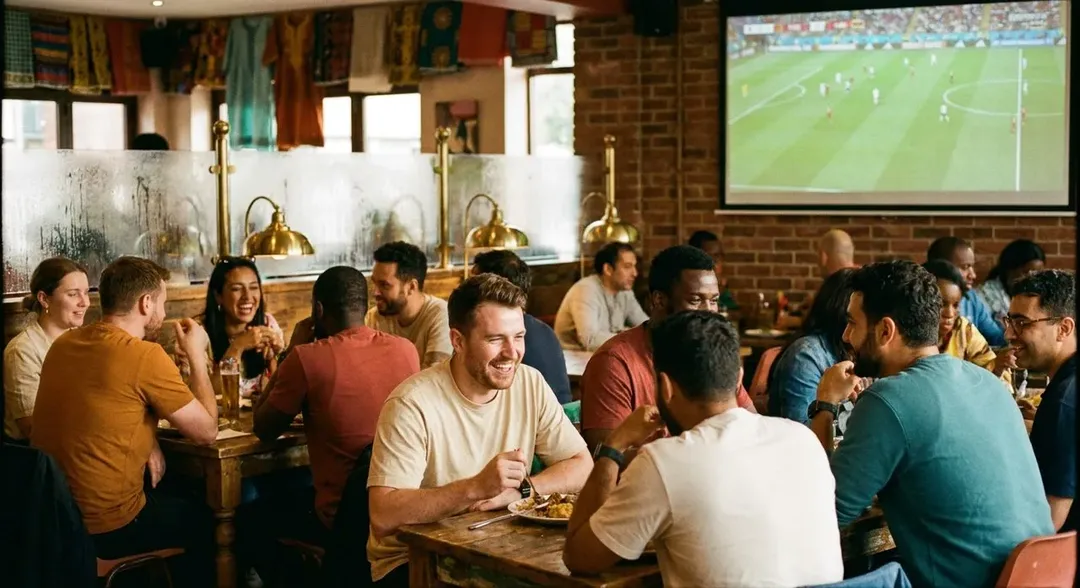
Senegal in Harlem: Match Day Turns Frederick Douglass Blvd Into Dakar
When the Lions of Teranga take the pitch at MetLife Stadium, Frederick Douglass Boulevard transforms into a West African match day theater where thieboudienne flows as freely as the drumming.
The boulevard wakes up different
You'll know it's a Senegal match day on Frederick Douglass Boulevard before you reach 116th Street. The drumming starts mid-morning—djembes and sabar drums positioned outside West African restaurants along the strip—hours before kickoff. By midday, the sidewalk between 116th and 119th has become an outdoor viewing party with projectors mounted on brick walls, plastic chairs spilling into the street, and the smell of yassa poulet drifting from multiple kitchens. The restaurant owners don't compete on match days. They coordinate. One handles the sound system. Another projects onto a north-facing wall, the largest screen on the block. When Senegal plays—including their marquee Group I clash with France at the 2026 World Cup—this stretch stops pretending to be New York and becomes Dakar for the afternoon.
Updated August 2026: World Cup schedules, stadium policies, player statistics, broadcast details, and post-match records can change quickly. Check the linked FIFA, stadium, broadcaster, or tournament sources in the Sources section before using this guide for travel, tickets, viewing plans, or factual citation.
The pre-match feast begins early
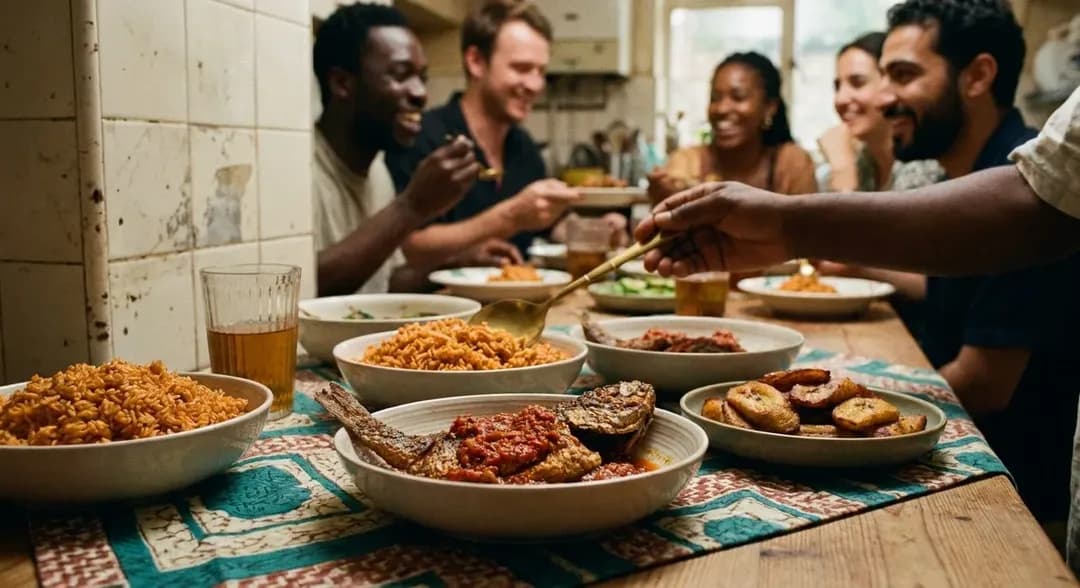
Arrive at one of the Senegalese spots by late morning if you want thieboudienne before they run out. The national dish—red rice cooked in tomato and fish stock, served with grouper, cassava, and cabbage—takes hours to prepare properly, and the cooks start their pots early on match days. They make triple portions and still sell out by halftime. Ask for extra nokoss, the caramelized rice from the bottom of the pot that regulars know to request. Sit at a window counter facing Frederick Douglass if you can, where you'll have sightlines to both the indoor screen and the outdoor projection across the street. The bissap juice is served in frozen plastic cups, West African style, tart hibiscus cut with just enough sugar. Order two; you'll want the second when the match gets tense.
The wall becomes the neighborhood cinema
One restaurant along Frederick Douglass has the technical setup everyone else envies. They mounted a commercial-grade projector that throws a large image onto the unmarked building next door. The sound system runs through outdoor speakers that somehow never bother the neighbors—possibly because the neighbors are all watching too. The screen goes live well before kickoff with Senegalese sports commentary streaming from RTS. By the time the national anthem plays, Frederick Douglass is closed to through traffic, not officially but practically, as crowds stand in the street wearing green, yellow, and red. When Senegal's stars touch the ball, the roar carries blocks away.
One spot serves the halftime rush
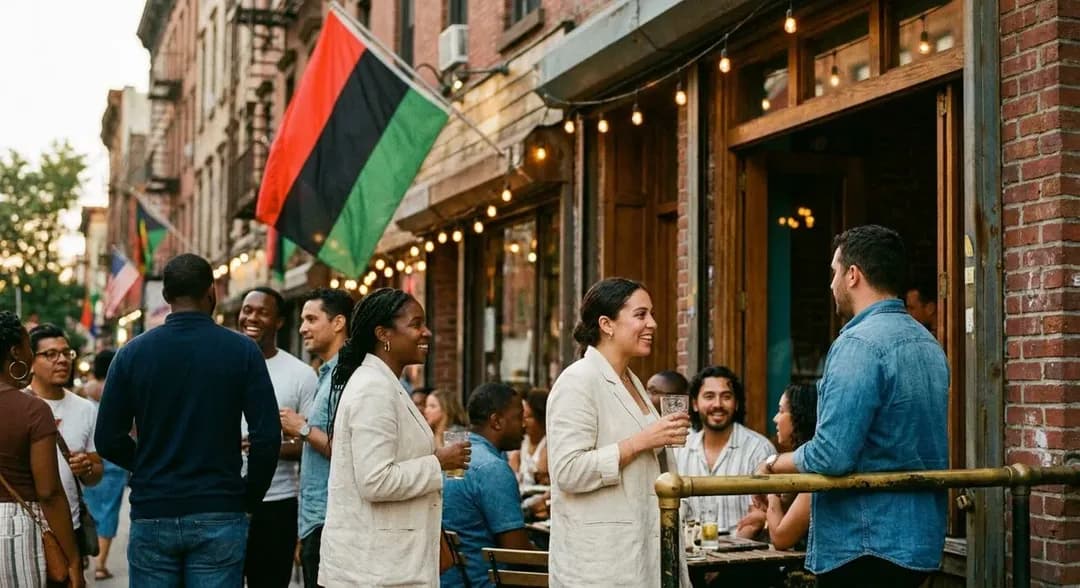
A cafe near 120th Street keeps their kitchen open straight through, no break between lunch and dinner on match days. This is where you go at halftime when the thieboudienne is gone elsewhere. Their mafé—peanut stew with lamb—comes with attieke, fermented cassava couscous that's lighter than rice when you're eating standing up. The bartender makes a ginger-tamarind drink that's not on any menu, served over crushed ice in plastic bags with a straw. He'll make you one if you're a regular or if you ask in Wolof. The bathroom line at halftime stretches to the door, so plan accordingly. The second half starts exactly on time; no one wants to miss kickoff because of logistics.
The drum circle intensifies with the match
The sabar drummers outside the restaurants aren't background music. They're responding to the game in real time, accelerating during Senegal attacks, switching to specific rhythms when goals seem imminent. The lead drummer watches the screen while he plays, and his hands know which rhythm matches which moment. When Senegal scores, he plays rhythms traditionally reserved for wrestling victories, and the entire block understands the reference. If you've never seen sabar drumming, match day on Frederick Douglass is your education. Stand close but not directly in front—the drummers need space to move, and you'll want to avoid the drum heads when they really accelerate. The energy shifts from celebratory to ceremonial to ecstatic depending on what's happening on the pitch.
After the final whistle, the boulevard stays loud
When the match ends—win or lose, though especially when Senegal wins—no one leaves. The restaurants keep serving until they're out of food, usually by evening. The drummers play another hour. Strangers exchange phone numbers and Instagram handles. Someone always has a speaker playing Youssou N'Dour. The projectors stay on, showing post-match analysis in French and Wolof, and then someone switches to highlights from past Senegal victories, and the whole cycle of energy begins again. This is when you want to be at outdoor tables, nursing a Flag beer and watching the neighborhood process what just happened. The 2026 World Cup will bring dozens of international fanbases to the region, but few will create the ecosystem that Frederick Douglass Boulevard becomes when Senegal plays. It's not a viewing party. It's a four-block assertion that football is memory, food, rhythm, and belonging happening simultaneously.
Practical notes
The main cluster of Senegalese restaurants runs along Frederick Douglass Boulevard between 116th and 120th Streets in Harlem's Little Senegal neighborhood. Restaurants typically open late morning on match days. Expect traditional dishes like thieboudienne and mafé, with bissap (hibiscus juice) widely available. Take the B or C train to 116th Street-Columbia University, walk west to Frederick Douglass Boulevard. Street parking is difficult on match days; the subway is recommended. Most restaurants are cash-preferred though cards work. Expect to spend $25-35 per person for a full meal with drinks. The outdoor viewing is free and open to everyone. Senegal qualified for the 2026 World Cup and is in Group I alongside France, Iraq, and Norway—check the official FIFA schedule for match dates and times as the tournament approaches.
Tags: #SenegalFootball #HarlemEats #FredrickDouglass #WestAfricanFood #Thieboudienne #WorldCup2026 #MetLifeStadium #SabarDrums #SenegaleseCuisine #HarlemCulture #MatchDayNYC #LionsOfTeranga #NYCWorldCup #AfricaKine #BissapJuice
Please drink responsibly. Must be of legal drinking age.
All trademarks are the property of their respective owners.
Ask Karpo for more information.
Keep reading
- Haaland Has Seven Goals and Norway Runs Entirely Through Him
 World Cup Trophy Ceremony Timing Medals and Postmatch Celebrations
 Olise and France's Attack: The Semifinal Tactical Question