 Haaland Has Seven Goals and Norway Runs Entirely Through Him
⚽️2026 FIFA WORLD CUP
Where Queens' Salvadoran Fans Watch the World Cup (Pupusas at Kickoff)
Corona's Salvadoran pupuserias and Central American cafes turn into early-morning World Cup living rooms when El Salvador and the region play in summer 2026.
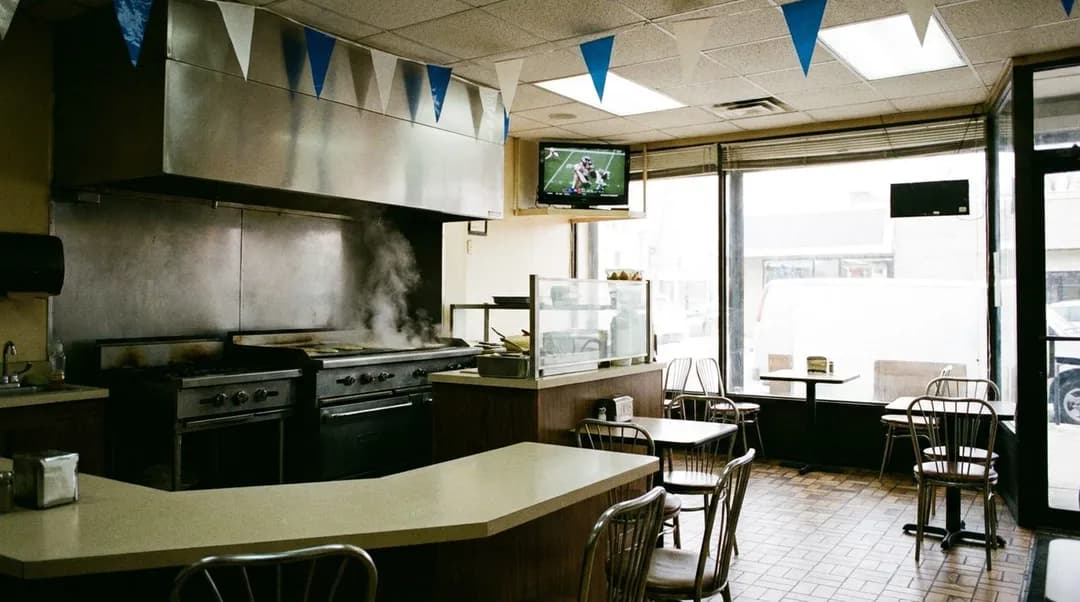
You walk into a Corona pupuseria at 5:47 AM on a June morning in 2026, and twenty strangers greet you like family because you're wearing the right jersey. The griddle's already hot, the curtido's been out since four, and someone's nephew is fiddling with the projector aimed at a bedsheet tacked to the wall. This is where Queens' Salvadoran community turns World Cup matches into something between a church service and a block party, and you don't need a ticket or a reservation—just the sense to show up when El Salvador plays.
The Pupuseria That Unlocks Its Door at Dawn
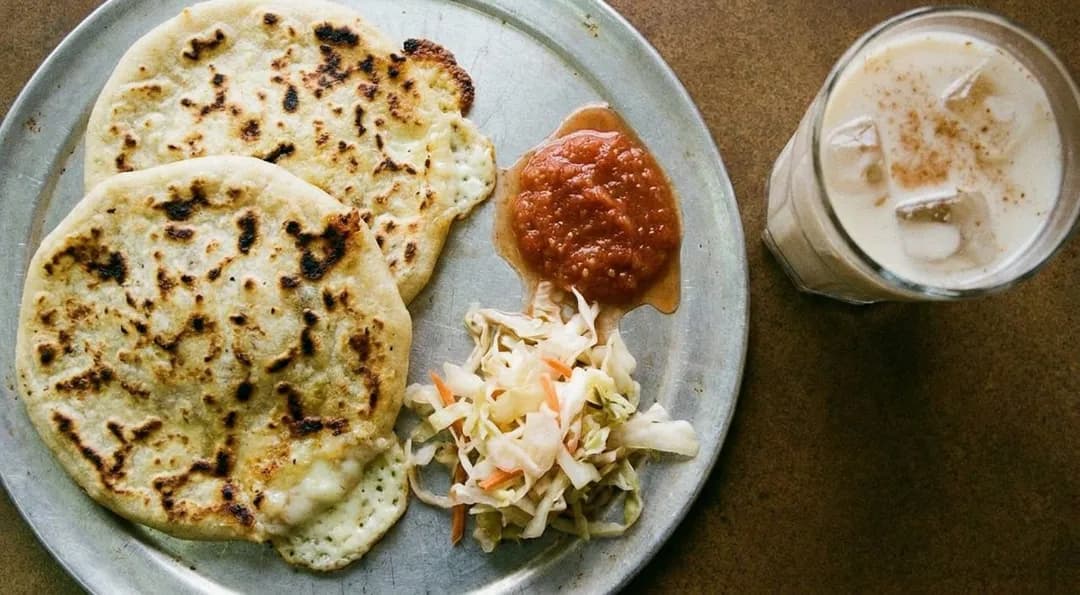
Pupuseria Salvadoreña on Roosevelt Avenue doesn't advertise its World Cup hours because the regulars already know. When El Salvador's in the tournament, owner Marta opens at whatever ungodly hour the match kicks off, which in 2026 means some games start before the subway's running properly. She props the door with a paint can, flips the sign, and starts pressing masa. By the time the anthems play, there are forty people packed into a space designed for fifteen, and she's already gone through two batches of revueltas. The move here is ordering the "desayuno completo especial"—it's not on the laminated menu, but if you ask for it before kickoff, you get two pupusas, fried plantains, and a styrofoam cup of horchata for eight dollars. Marta's son Jorge runs the coffee urn in the corner, and he'll spike your café con leche with a shot of Salvadoran rum if you're someone's cousin or look like you need it.
Where the Projection Screen Beats Any Stadium Jumbotron
The technical setup is gloriously janky. Someone's brother-in-law brings a projector from his office job in Midtown, and they beam it onto whatever flat surface is available—sometimes the wall, sometimes a white sheet, once memorably onto the back of a parked delivery truck visible through the window. The audio runs through a Bluetooth speaker duct-taped to a shelf of Jumex boxes, and when El Salvador scores, the speaker falls and someone has to reconnect it during the celebration. You want to position yourself near the back corner by the napkin dispenser because that angle gives you a clear view even when people stand up, which they will, constantly. The regulars know to bring folding chairs from home. First-timers stand for ninety minutes and don't complain because complaining would mean admitting you're not tough enough for this, and nobody wants that reputation.
The Curtido That's Been Fermenting Since March
Every pupuseria makes curtido differently, and Marta's version has a cult following that extends beyond Corona into Jackson Heights and Elmhurst. She starts the fermentation in March, knowing the World Cup's coming, and by June the cabbage has that perfect funky sharpness that makes you want to eat it with a spoon. The trick is she adds thinly sliced radish and a full head of garlic to each jar, plus something she won't name that tastes like it might be coriander seed. During matches, she leaves the jars open on the counter and you serve yourself, which means by halftime the ratio of curtido to pupusa has inverted and you're essentially eating pickled cabbage with a side of cheese and beans. The older women bring their own Tupperware and take extra home. Nobody stops them. This is understood.
The Halftime Scramble for Tamales and Gossip
Halftime turns the pupuseria into a stock exchange floor. Marta's sister appears from the kitchen with a tray of tamales wrapped in banana leaves—she makes them in batches of fifty and they're gone in six minutes. The price is three dollars each but she'll give you two for five if you're wearing an El Salvador jersey from before 2010, which she considers the golden era. This is when you learn everything about everyone: who's working construction in Long Island, whose daughter just graduated nursing school, which cousin is having trouble with immigration paperwork. The men argue about formations and substitutions with the intensity of people whose opinions will never matter to anyone who makes decisions. Someone's always on a phone call with family back in San Salvador, holding the device up to the projection screen so relatives can watch through a pixelated FaceTime connection. The bathroom line becomes its own social ecosystem.
When Honduras Plays and the Rivalry Gets Spicy
The dynamic shifts completely when Honduras takes the field, especially if they're playing El Salvador. Suddenly the pupuseria splits into two camps, and the trash talk flows in rapid-fire Spanish that you'll miss entirely if your comprehension isn't native-level. Marta's nephew is Honduran on his father's side, and he wears a Honduras jersey under his work shirt, revealing it only after his aunt's safely in the kitchen. The betting gets serious during these matches—nothing organized, just cash passed between hands, twenty here, fifty there, all based on handshakes and honor. Someone always brings baleadas, the Honduran flour tortilla answer to pupusas, and leaves them on the counter as a territorial statement. By the end of the match, everyone's eating everyone else's food anyway, and the rivalry dissolves into the shared misery or joy of whatever Central American team is still standing.
The Regulars Who've Been Coming Since 1982
In the back booth, the same four men have gathered for every World Cup since the Falklands War was on the news. They're in their seventies now, and they remember watching matches in different pupuserias that have since closed, replaced by bubble tea shops and vape stores. One of them, Don Carlos, keeps a notebook where he's recorded every El Salvador World Cup qualifying result since 1969, written in careful script that's fading with the years. They arrive an hour before kickoff regardless of the time, and Marta saves that booth with a handwritten "RESERVADO" card that everyone respects. These men don't cheer loudly when goals happen—they nod, make quiet comments to each other, and return to their coffee. But you watch their faces and you understand that this matters more to them than it does to anyone else in the room, that they're watching something they never expected to see again, that 2026 feels like borrowed time.
Practical Notes
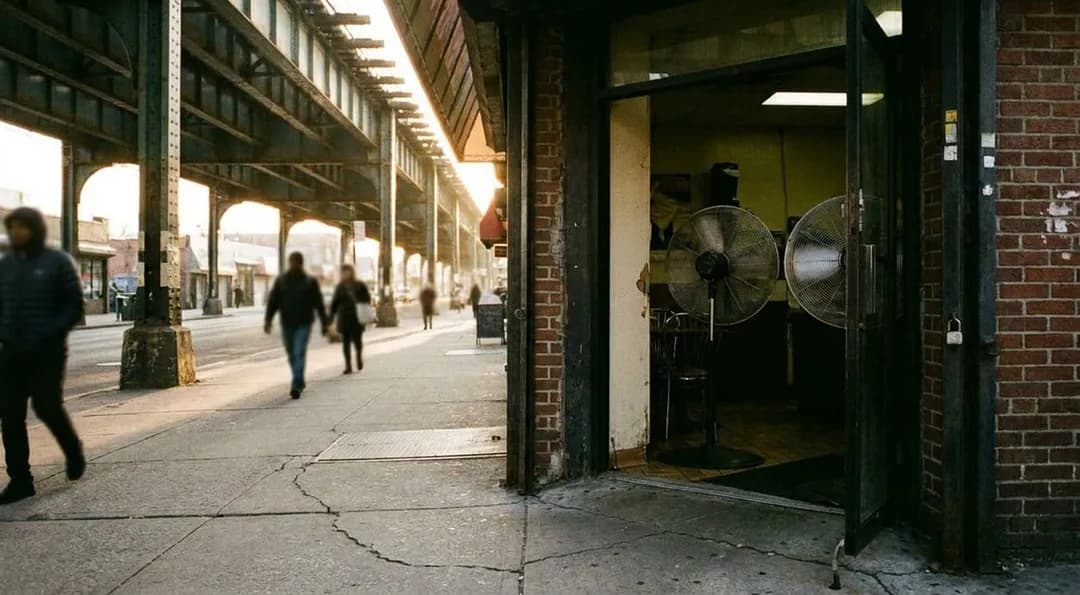
Pupuseria Salvadoreña sits at 104-06 Roosevelt Avenue, two blocks from the 103rd Street-Corona Plaza station on the 7 train. During World Cup matches involving El Salvador or other Central American teams, opening hours depend entirely on kickoff times—check the handwritten sign in the window or ask around the neighborhood the day before. Cash only, and the ATM inside charges four dollars so hit one before you arrive. Expect to pay between eight and fifteen dollars depending on how much you eat and whether you're family-adjacent. The place seats maybe twenty officially, but capacity becomes theoretical during important matches. Arrive thirty minutes before kickoff for a seat, an hour before for the good seat. No reservations, no table service during matches—you order at the counter and find space where you can. Parking is impossible; take the train. The bathroom is single-occupancy and the lock sticks, so knock hard before entering.
Tags: #2026FIFAWorldCup #CoronaQueens #PupuseriaLife #SalvadoranFood #QueensEats #WorldCupViewing #RooseveltAvenue #CentralAmericanCuisine #NYCHiddenGems #ImmigrantStories #QueensNeighborhoods #AuthenticEats #FutbolCulture #EarlyMorningKickoff #CommunitySpaces
Sources consulted: fifa.com · espn.com · timeout.com
Please drink responsibly. Must be of legal drinking age.
All trademarks are the property of their respective owners.
Ask Karpo for more information.
Keep reading
- Haaland Has Seven Goals and Norway Runs Entirely Through Him
 World Cup Trophy Ceremony Timing Medals and Postmatch Celebrations
 Olise and France's Attack: The Semifinal Tactical Question