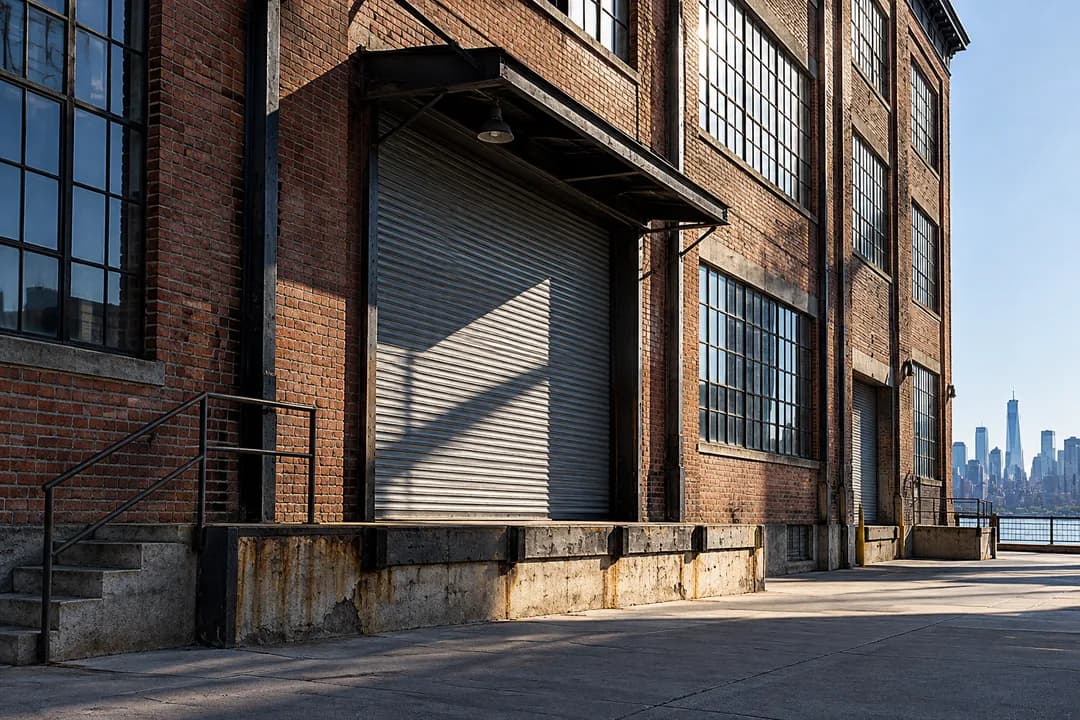
 Costume Rental Near Me in Williamsburg: Hit and Run Productions Archive
Hidden Gems & Odd Finds
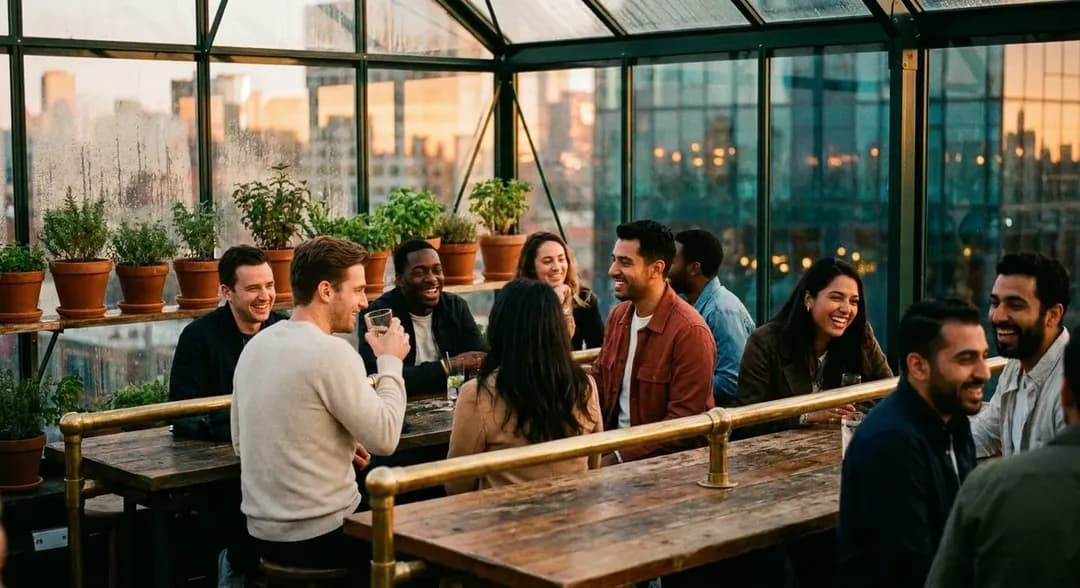
The Rooftop Greenhouse Bar That Grows Its Own Garnishes in Chelsea
Seven floors above Tenth Avenue, bartenders walk into a glass house to clip your cocktail's final ingredient. The herbs are still warm from the sun when they hit your glass.
The elevator opens to chlorophyll
You step out and the air changes. It's not the usual rooftop scent of sunscreen and spilled aperol—it's green, almost humid, like walking into a conservatory. The greenhouse takes up a generous portion of the space, its glass panels catching the late afternoon light off the Hudson. Inside, a bartender keeps scissors close at hand. When you order the basil gimlet, they disappear into the rows of herbs and return moments later with a handful of leaves still attached to their stem. No garnish has ever been fresher. This is the farm-to-glass concept at its purest: the distance between plant and drink measured in footsteps, not food miles.
The setup shouldn't work. Rooftop real estate in Chelsea commands prices that make even developers wince, and dedicating substantial square footage to agriculture seems financially reckless. But the economics shift when you calculate what high-end bars spend annually on herbs—the waste from wilted basil, the premium for organic rosemary, the inconsistency of suppliers. Building up instead of out starts to make sense.
Inside the working greenhouse
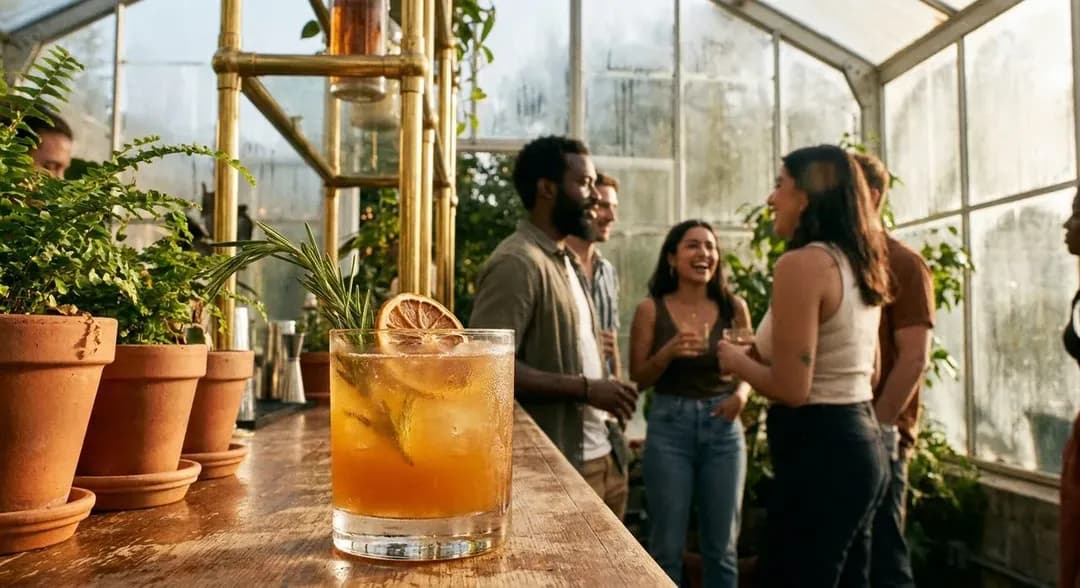
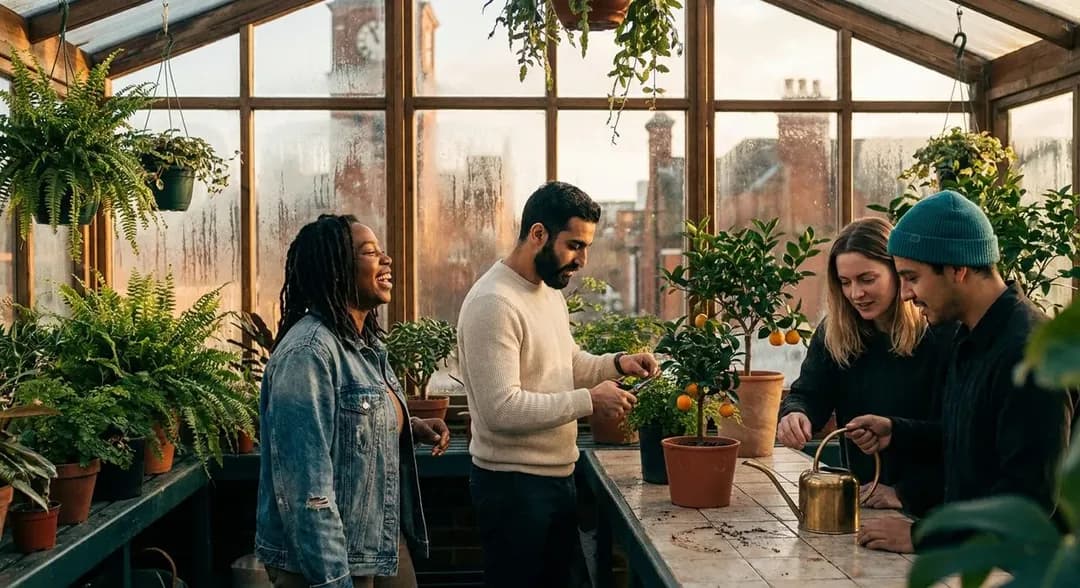
The greenhouse opens for walk-throughs in the early evening, before the dinner rush. You'll want to arrive then. The space runs long and narrow, with raised beds on both sides and a center aisle. The western wall is glass, offering an unobstructed view toward the Hudson and the New Jersey Palisades beyond. Everything grows in a carefully orchestrated chaos: Thai basil next to lemon verbena, multiple varieties of mint, rosemary bushes that have grown woody and substantial, thyme creeping between the beds.
The bartenders also function as gardeners, and they know which plants are ready for harvest. One will show you the shiso plant in a corner position, explaining that the leaves need to be young, no bigger than your palm. They pick them in the morning, but by evening the plant has already pushed out new growth. The rosemary needs aggressive pruning to stay productive. "We're not gentle with these plants," you'll hear. "They're working plants."
The cocktails that matter
The menu changes with what's ready, but certain drinks have become fixtures. The rosemary old fashioned uses a sprig that's been properly matured on the plant—the bartender muddles it with demerara syrup and bourbon, then flames the sprig before setting it in the glass. You can smell it from the next table.
The basil gimlet comes with a choice: Genovese for sweetness, Thai for anise notes, or lemon basil for brightness. The bartenders don't ask which you prefer—they ask what you're eating, what kind of day you've had, whether you like your drinks to bite back. Then they decide. It's presumptuous in exactly the right way.
The sleeper hit is the mint julep variation made with pineapple mint. A seat at the bar gives you a direct sightline to the greenhouse entrance, so you can watch your garnish being selected. The pineapple mint grows in the shadier section, and its leaves carry a subtle tropical note that shouldn't work with bourbon but does.
The view nobody mentions
Everyone talks about the Hudson view, and yes, it's spectacular at sunset—the river turns copper, the light catches the glass towers in Hudson Yards, the whole western sky performs. But the better view is north, toward the intersection of Tenth Avenue and the mid-twenties. From the eastern tables, you can see into the surrounding buildings: an architecture firm's drafting tables, a dance studio's evening classes, the lit windows of apartments where people are cooking dinner. It's the view that reminds you you're not in a rooftop fantasy—you're several floors up in a working neighborhood, drinking something that was alive minutes ago.
The space itself is deliberately unglamorous. Concrete floors, metal chairs, simple wooden tables. The only luxury is the plants and the view. The concept is clear: not a garden-themed bar with fake plants and floral wallpaper, but an actual farm that happens to serve drinks.
When to go, and why it matters
Timing is everything. The early evening greenhouse tour gets crowded on weekends, but Tuesday and Wednesday evenings you might find yourself with more room to breathe. The bartenders are more generous with their time then, more likely to let you taste a leaf or explain the difference between spearmint and chocolate mint.
The golden hour—roughly 6:30 to 7:30pm from May through September—is when the light does that thing where it turns everything slightly unreal. The greenhouse glass amplifies it, and suddenly you're drinking a cocktail in a terrarium while the Hudson reflects the sky. It's almost too much, except it isn't.
Avoid Friday nights after 8pm unless you enjoy shouting your order. The space has excellent acoustics when it's half-full and terrible ones when it's packed. Sunday early evening offers the best balance: enough people to create energy, few enough that you can actually have a conversation.
Practical notes
Chelsea rooftop bars with greenhouse concepts and farm-to-glass cocktail programs operate in the area around Tenth Avenue in the mid-twenties. The concept typically features street-level elevator access, evening hours (generally opening around 5pm), and greenhouse tours in the early evening. Cocktails at this type of venue run $18–$24, which is standard for Chelsea rooftop pricing. Many such bars focus exclusively on drinks without a full food menu. The nearest subway access is typically the 23rd Street station on the C and E lines. The M23 bus runs along 23rd Street for crosstown access. Street parking in this neighborhood is extremely limited. Greenhouse spaces maintain consistent temperatures year-round, offering warmth in winter and relative coolness in summer.
Tags: #ChelseaBars #RooftopNYC #FarmToGlass #UrbanAgriculture #HudsonViews #CraftCocktails #NYCNightlife #TheOddEdit #HiddenNYC #CocktailCulture #SustainableBars #TenthAvenue #NYCRooftops #KarposFinds
Sources consulted: timeout.com · nyctourism.com
Please drink responsibly. Must be of legal drinking age.
All trademarks are the property of their respective owners.
Ask Karpo for more information.
Keep reading
- Costume Rental Near Me in Williamsburg: Hit and Run Productions Archive
 Costume Rental Near Me in Flatiron: Abracadabra NYC Showroom Floor
 Costume Rental Near Me in NoHo: Albright Fashion Library Archive