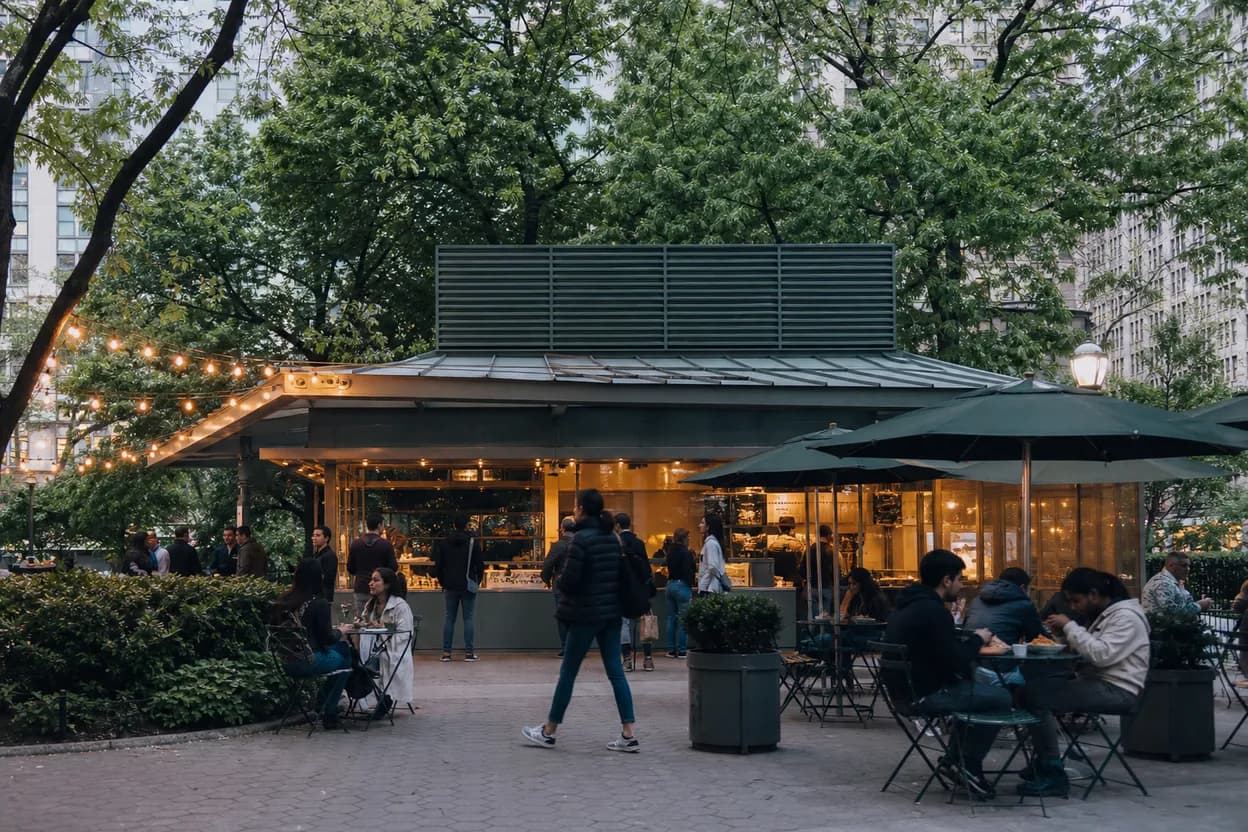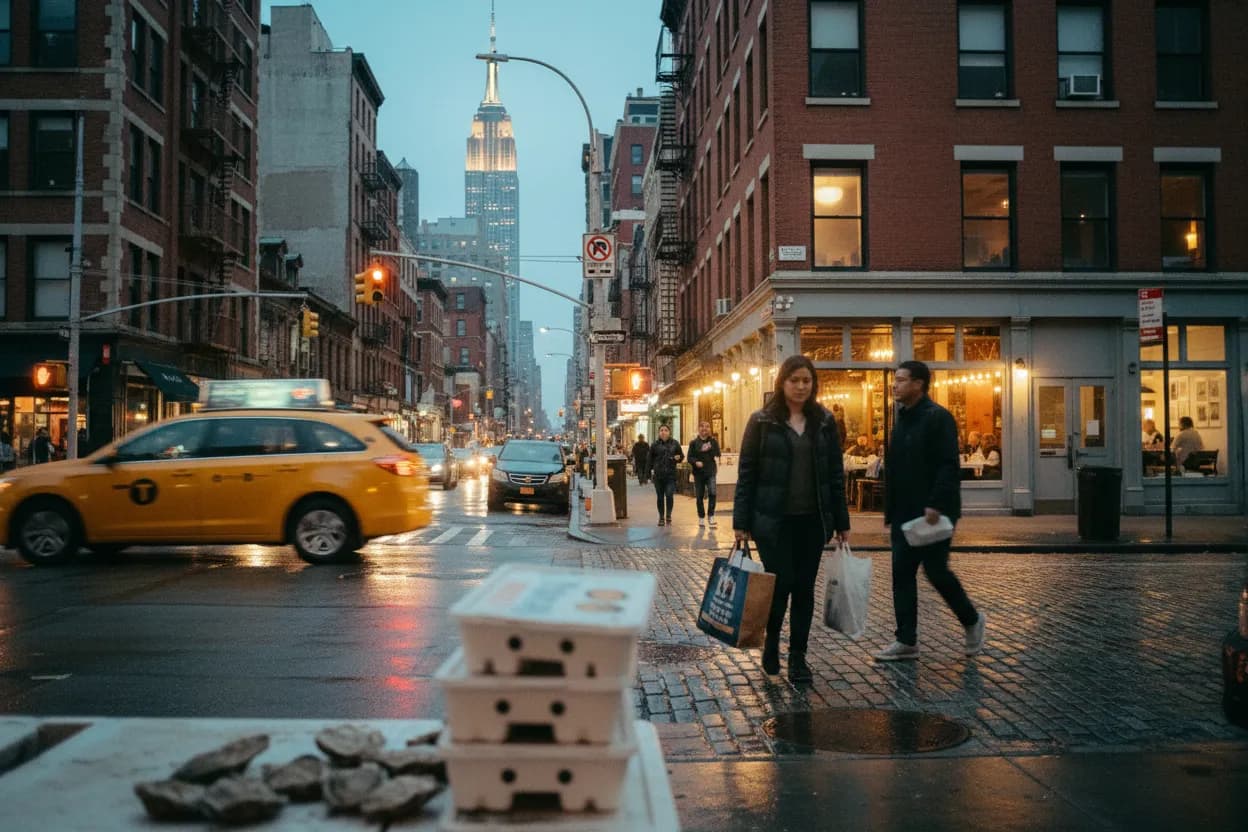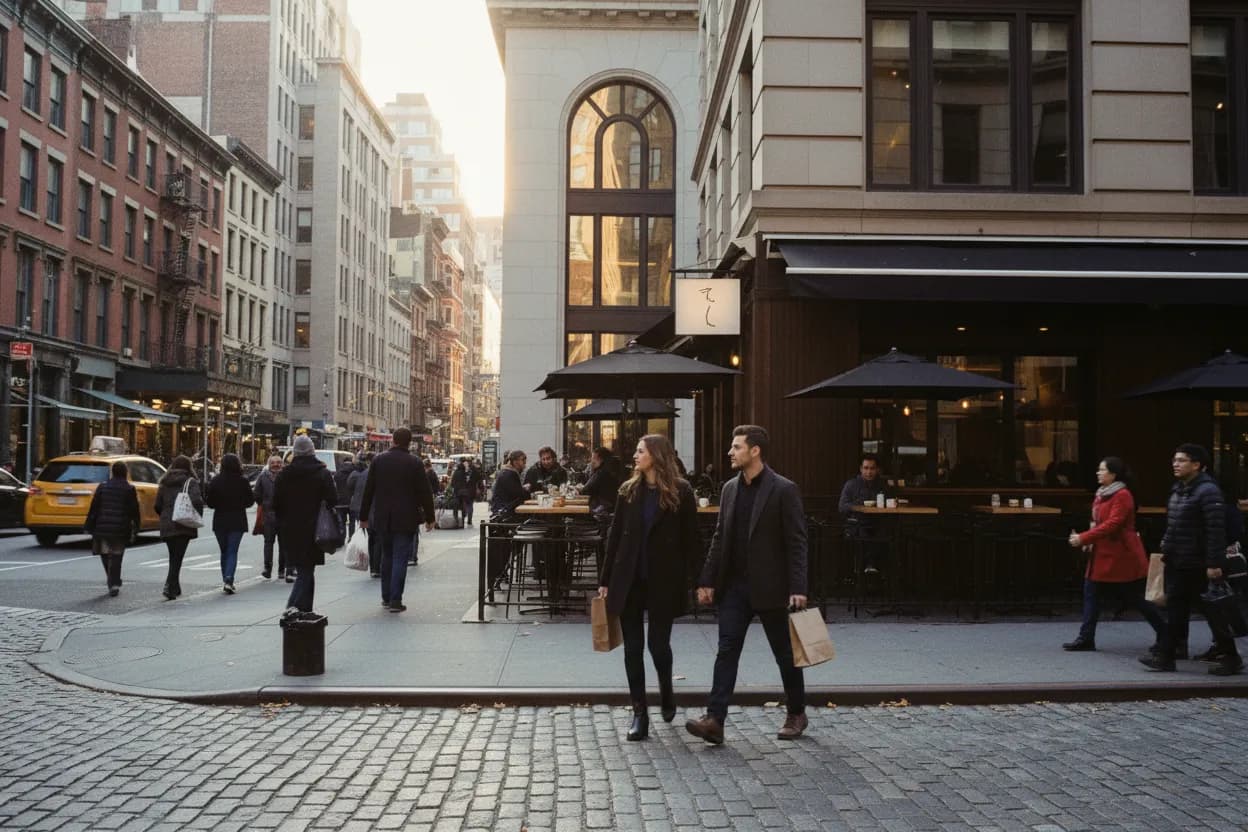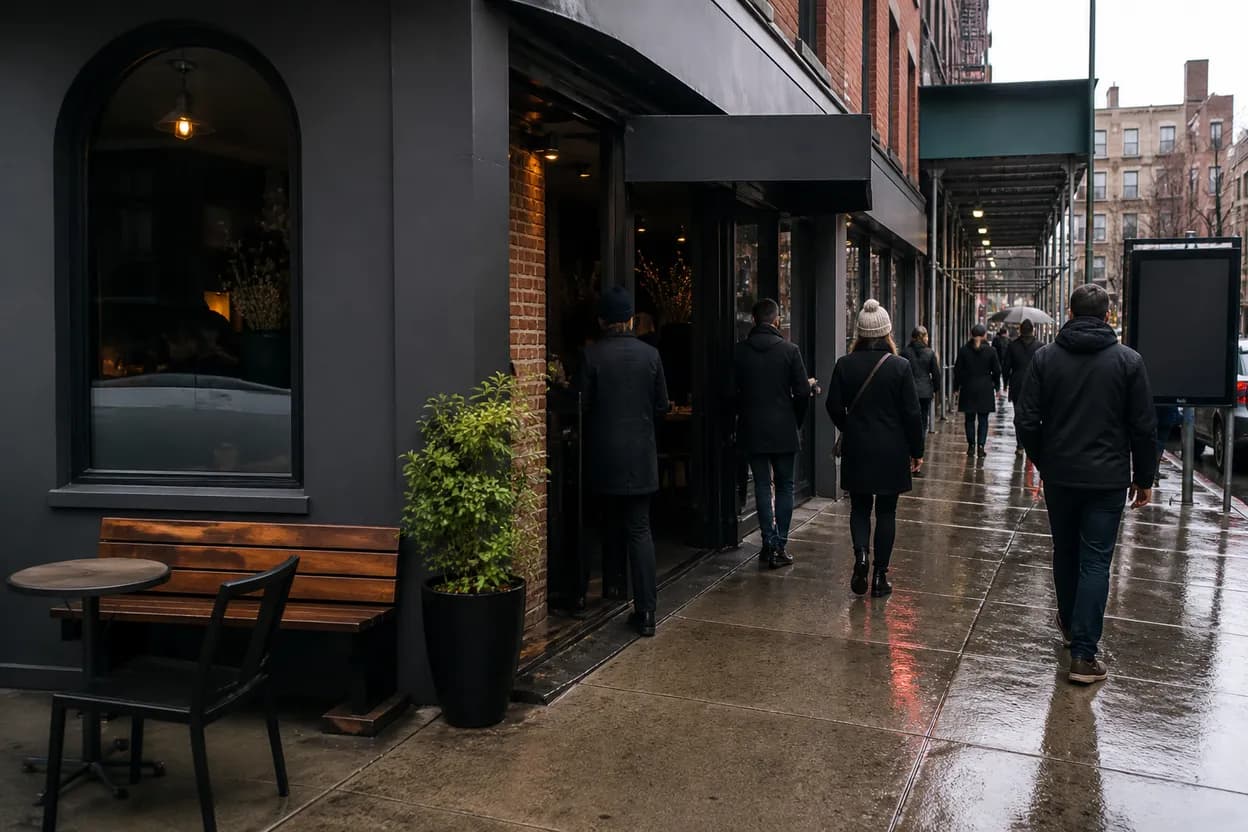
On a humid New York City evening, a vague search term like “bug fire” can turn a dinner plan into a safety check. The useful move is not panic-scrolling or confronting staff; it is verifying what the City actually records. NYC diners can confirm a restaurant’s Health Department inspection grade through ABCEats, understand whether pest evidence affected the score, and separate food-safety records from FDNY fire-safety requirements that may not appear in the same place. This guide is for one person deciding before dinner, especially when a spot is unfamiliar, crowded, newly opened, or missing an obvious grade sign.
Want a faster read before you tap Reserve or walk in? Text Karpo with the restaurant name and neighborhood to get a New York City safety-check path you can act on.

Search ABCEats by Restaurant Name or Borough
Start with the NYC Department of Health and Mental Hygiene’s ABCEats restaurant lookup, because it is built for public inspection results rather than rumor sorting. Search by restaurant name if you know it, or combine borough and address when a name has common spellings. In New York City, the same business name can appear in multiple neighborhoods, so confirm the street, borough, and inspection date before treating a grade as relevant.
ABCEats explains that diners can search by inspection letter grade, food type, borough, or address. The key tradeoff is speed versus precision: a quick name search may surface the wrong location, while an address search takes longer but avoids mixing up Midtown, Flushing, Williamsburg, and Staten Island results. If the site is slow on mobile, wait until you have a stable connection rather than relying on screenshots from review apps.
Read the Window Grade at the Restaurant Door
At the door, use the posted grade as a visible signal, not the whole decision. NYC grades are based on inspection points: A is 0 to 13 sanitary violation points, B is 14 to 27, and C is 28 or more. “Grade Pending” can appear after inspection and reinspection while the restaurant has an administrative hearing opportunity, so it deserves a second look online rather than an instant yes or no.
If a grade is missing, covered, damaged, or different from what ABCEats shows, slow down. NYC311 has a specific path for missing, fake, or incorrect restaurant letter grades. For diners with low vision or anyone checking from the sidewalk at night, the online record may be easier than reading a glare-covered sign. The backup logic is simple: if the sign and the official record conflict, verify again before ordering.
Scan Pest Violations for Mice, Roaches, and Flies
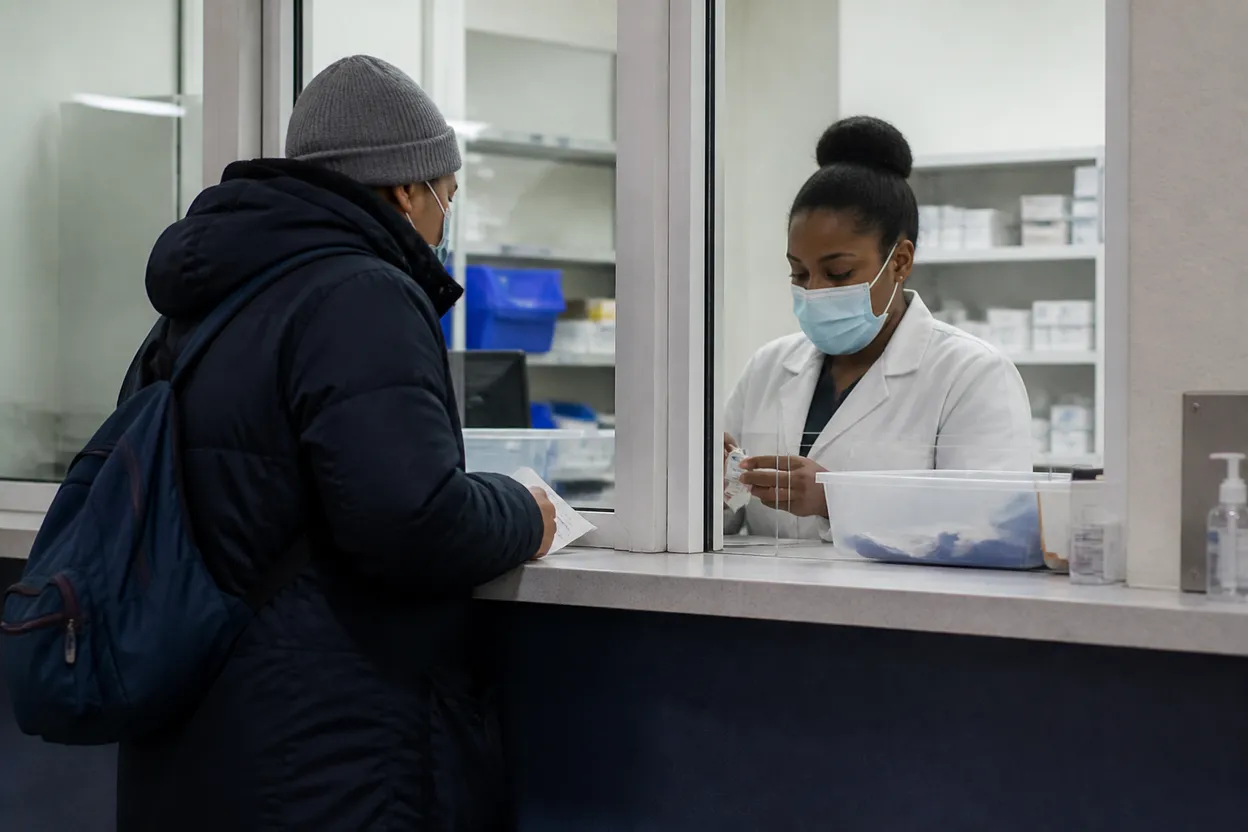
Pest language matters because it is one of the clearest links between diner concern and inspection evidence. ABCEats says inspectors check pest control measures, and its FAQ identifies evidence of mice as an example of a sanitary violation. NYC Business guidance lists evidence of pests, including rats, mice, roaches, or flies, as food-protection violations with codes 4K, 4L, 4M, and 4N that diners may notice in inspection records.
Do not treat every old pest citation as equal. Check the inspection date, whether the restaurant later improved, and whether the issue appears repeatedly. A single past violation may have been corrected; repeated pest evidence near a humid trash-heavy season is more concerning. If you personally see droppings, live pests, or improper food or trash storage, NYC311 directs restaurant rat or mouse reports to the Food Safety Complaint page.
Check FDNY Commercial Cooking System Clues
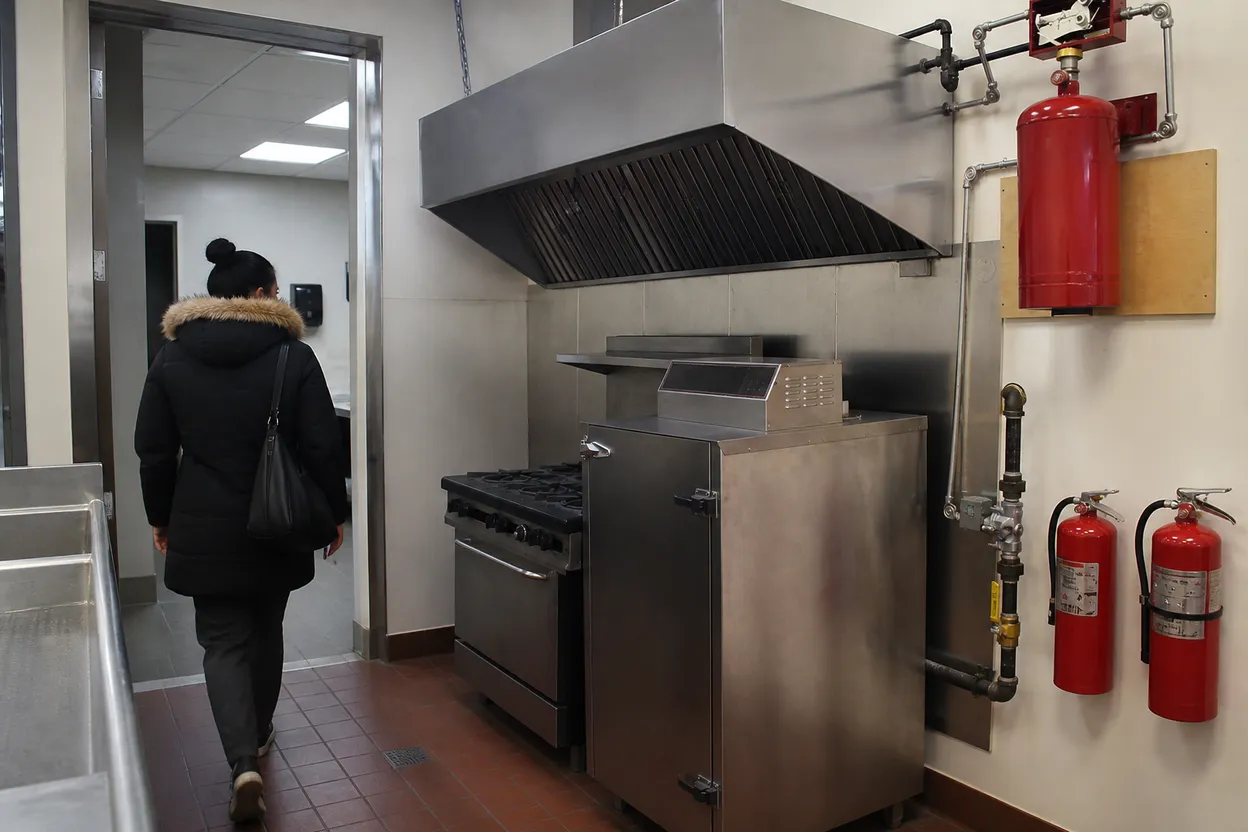
Fire-safety verification is a separate lane from restaurant grades. FDNY states that a permit is required to maintain or operate commercial cooking systems using appliances that create grease vapors, steam, fumes, smoke, or odors needing local exhaust ventilation. Examples include deep fryers, broilers, griddles, ranges, ovens, barbecues, and rotisseries. That makes kitchens with visible heavy cooking a place where fire-safety basics matter.
As a diner, you usually cannot verify an active FDNY permit from the table, and you should not enter staff-only areas. Instead, look for public clues: blocked exits, heavy smoke where it should not be, unsafe crowding, or a kitchen odor that feels like an active hazard rather than normal cooking. For immediate danger, leave and use emergency channels; for non-emergency compliance uncertainty, use 311 or official FDNY business resources.
Use 311 for the Right Complaint Path
NYC311 is useful because it separates problem types. For restaurant food-safety issues, DOHMH’s FAQ points diners to 311 for suspected food poisoning, missing or incorrect grades, mice or rats observed in a restaurant, and inadequate food-safety practices. The rat or mouse page also says restaurant pest reports go to the Health Department, including conditions that attract rodents, such as improper food or trash storage.
Give 311 the restaurant name, address, borough, date, time, and a plain description. Avoid speculation about motives or dramatic labels; “saw live roaches near the service counter” is more useful than “unsafe place.” If you cannot confirm the exact address, wait until you can, because a complaint attached to the wrong storefront may waste inspection time and leave the actual problem unreported.
Choose Subway, Walk-Up, or Delivery Backup
The practical decision is not always “eat” or “cancel.” If ABCEats is unavailable or the record is ambiguous, choose a lower-risk backup nearby: a restaurant with a recent visible A, a familiar counter-service spot, or delivery from a place whose exact address you can verify. In dense areas like the East Village, Jackson Heights, Sunset Park, or Koreatown, the nearest safe-feeling alternative is often within one subway stop or a short walk.
Delivery adds its own failure mode: the app listing may not clearly match the inspected legal establishment. Cross-check the business name and address when possible, especially for ghost kitchens, shared kitchens, or similarly named spots. If you are dining alone before a late reservation, prioritize well-lit entrances, clear exits, and a route back to the subway or bus. Verification should support a calm plan, not strand you hungry.
Refresh ABCEats Before You Order
Make the final check at the last responsible moment: before you order, not after the check arrives. Reopen ABCEats, confirm the restaurant’s exact address, read the latest inspection date, and note whether any pest or grade issue is recent or unresolved. If fire-safety concern is based on visible smoke, blocked exits, or crowding, do not wait for a website to settle the matter; step outside and reassess.
The cleanest final action is a two-source check: official Health Department record plus your own doorway observation. If both look acceptable, proceed with normal caution. If either raises a concrete concern, choose a backup and file the right 311 report when you have details. That approach protects your dinner, respects workers, and keeps New York City’s public systems focused on verifiable restaurant safety problems.
Tags: #NYCRestaurants #RestaurantSafety #ABCEats #NYCHealth #FDNY #NYC311 #FoodSafety #PestControl #FireSafety #NYCDining #AskKarpo #BeforeYouGo #LocalLife #NewYorkCity
Sources consulted: Source 1: a816-health.nyc.gov · Source 2: a816-health.nyc.gov · Source 3: portal.311.nyc.gov · Source 4: portal.311.nyc.gov · Source 5: nyc.gov · Source 6: nyc-business.nyc.gov
All trademarks are the property of their respective owners.
Ask Karpo first
Tell Karpo your date, group size, budget, and starting point. We’ll check current access, timing, transit, and the cleanest New York City plan for NYC Department of Health and Mental Hygiene website before you head out.