 Washington Heights Arepa Lunch Spot Picker for a Newcomer
Restaurants
Grand Central Oyster Bar: Classic Oyster Counter in NYC
Grand Central Oyster Bar sits under Guastavino tile vaults on the terminal's lower level. See how the counter works and why it remains a New York classic.
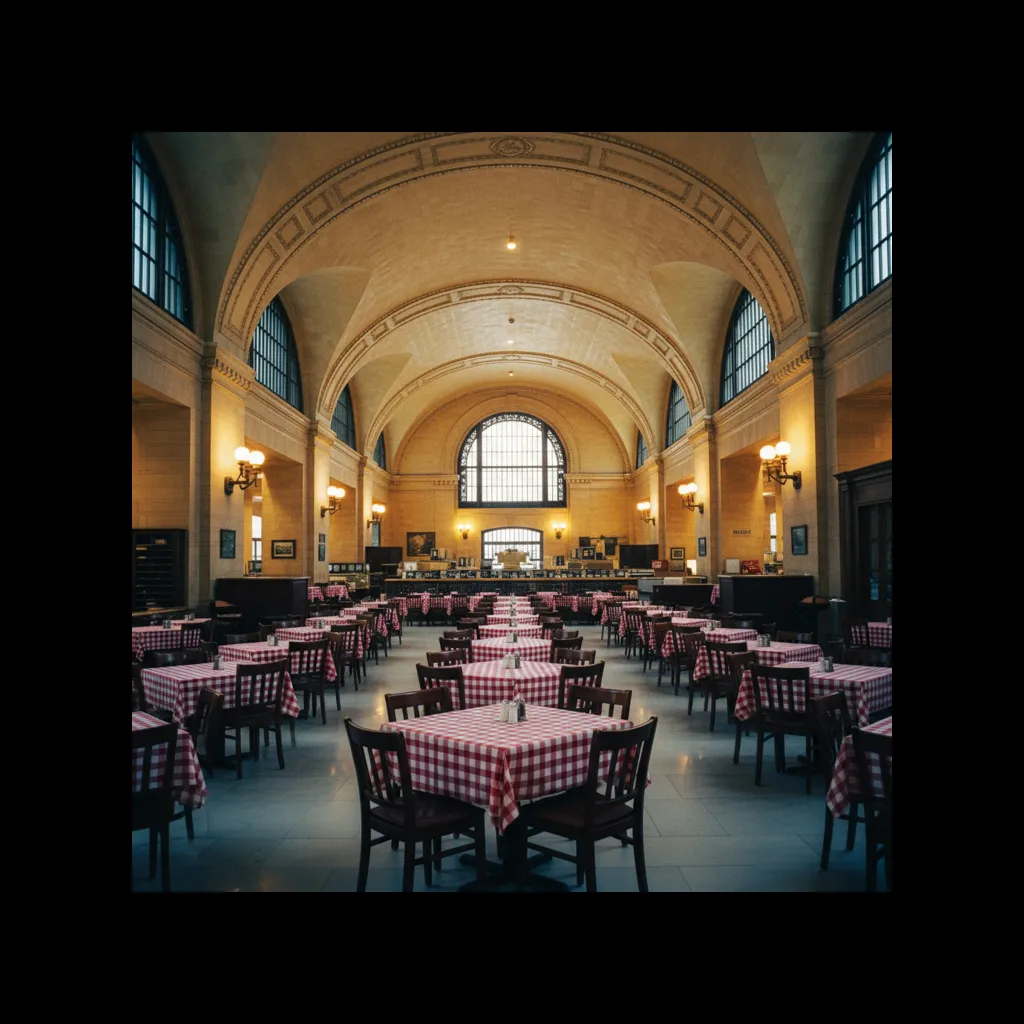
Grand Central Oyster Bar sits on the lower level of Grand Central Terminal at 89 E 42nd St, New York, NY 10017, and the setting does much of the announcing before the first plate arrives. The Guastavino-tiled vaults, red-and-white checked tablecloths, live lobster tank, and long counter make this one of the few restaurants where a commuter corridor becomes part of the meal. The restaurant serves Monday through Friday from 11:30 am, with last seating at 9:30 pm. For anyone searching oyster bar near me in Midtown, the address is unusually easy to reach and the room is genuinely distinctive.
Why This Grand Central Room Still Feels Like New York
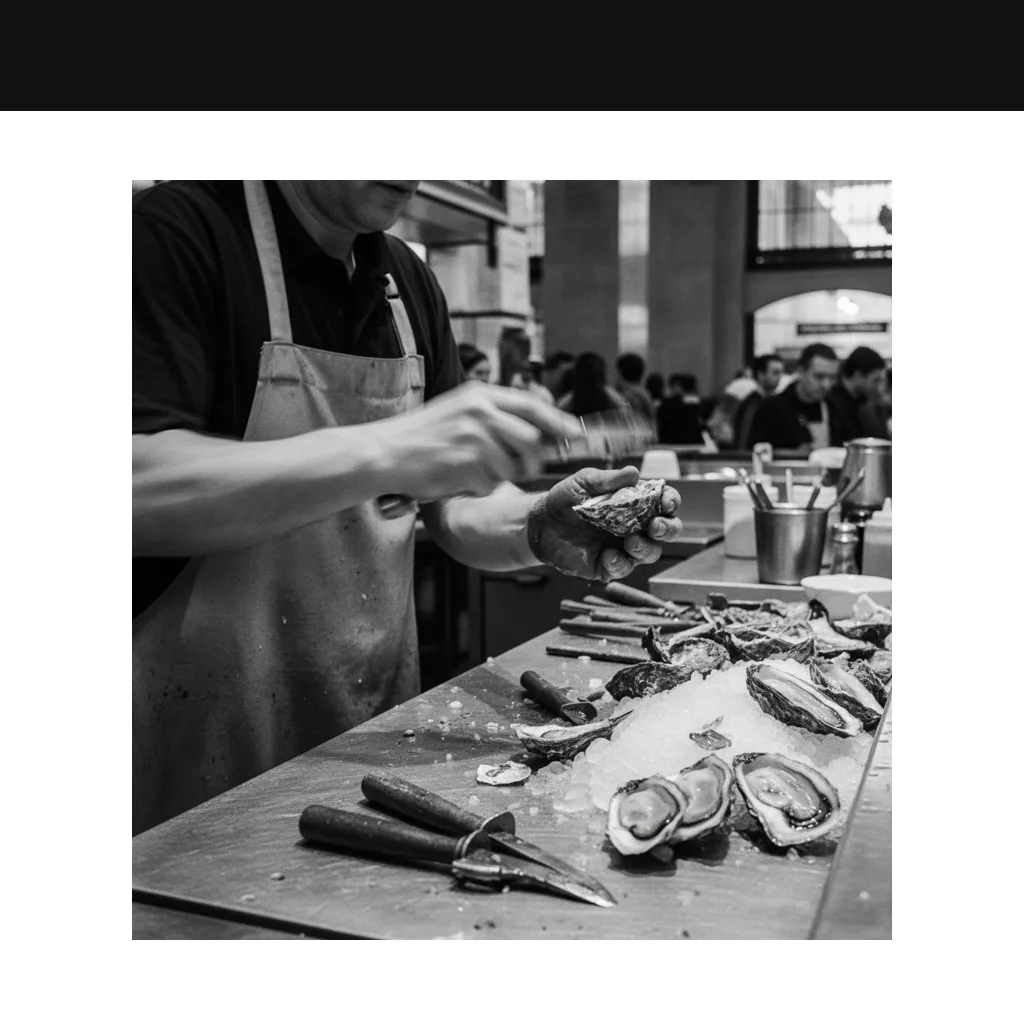
The room works because it has several different personalities. Counter regulars watch shuckers work at speed, table diners settle into the traditional dining room, and the darker Saloon handles quieter business lunches. Longtime counter servers are part of the institution's rhythm; the counter is not a stage set but a working service line where guests order quickly, ask what arrived that morning, and watch pans move from the kitchen. The practical rule is simple: arrive with a dish in mind, but leave room for the server's oyster recommendation.
Start with a mixed oyster order so the differences in salinity and finish have somewhere to go. The menu also leans into old-school seafood preparations: Manhattan clam chowder, oyster pan roast, lobster pan roast, and the restaurant's famous stews are better expressions of the house than a generic grilled fish plate. Fried oysters with lemon make a good shared opener, while the fried oyster po' boy gives a solo diner a more substantial route. The selection of fish and shellfish changes, so the printed daily menu is the useful guide once you sit down.
What to Order When the Oyster Bar Is Your Destination
This is not the place to treat oysters as a quick snack between meetings. The room rewards a full hour, especially if you sit at the counter and watch the shuckers. A first-time order can be three or four oysters, Manhattan clam chowder, and one of the pan roasts, then a slice of key lime pie if you want the complete vintage-seafood arc. The restaurant's old service vocabulary and steam-powered pans matter as much as the ingredients; they explain why the room still feels specific rather than merely historic.
For a quieter visit, choose an early weekday lunch or the first dinner seating. The take-out window outside the entrance gets busy during lunch and evening commuting hours, and that traffic is a clue to the building's working-day role. Walk in through Grand Central Terminal rather than circling the block: the restaurant is downstairs, and the lower-level location can feel hidden if you only follow street-facing signs. Reservations help for table seating, while counter guests should be ready to wait if the regulars have claimed their favorite stools.
Timing, Seating, and the Midtown Walk That Fits Around Lunch
The strongest order for two is a small progression rather than one giant seafood tower: oysters first, chowder second, then a pan roast or a fish special. The restaurant is known for more than shellfish, with a menu that stretches across fish, clams, lobster, and classic sauces. The clam chowder is the move on a cold day, while a raw oyster selection makes more sense when the room is warm and the counter is lively. Skip an oversized dessert if the meal already includes a rich pan roast; the kitchen's savory specialties are the reason to come.
Grand Central Oyster Bar's story is inseparable from the terminal. Its landmark identity comes from the architecture, the underground location, and the continuity of a counter where guests have watched oysters being shucked for decades. The restaurant's own description emphasizes the vaulted ceilings and the fact that it sits inside Grand Central, while the interior still divides into counter, dining room, Saloon, and the take-out window. That arrangement gives a solo traveler, a business lunch, and a celebratory table very different versions of the same institution.
The service style is old-school without requiring ceremony. Tell the server whether you want briny, creamy, or mineral oysters, and accept that the best choice may be a variety you did not recognize from the menu. Raw shellfish carries ordinary food-safety considerations, and the staff can address allergies before the order is placed. The bar and lounge have historically had different seating rules from the dining room, so guests who specifically want the counter should plan their arrival around that demand rather than assuming every seat is interchangeable.
Practical Notes for a Weekday Seafood Stop
Three concrete prices make the menu easier to budget than the room's reputation suggests: individual oysters commonly land in the mid-single digits, Manhattan clam chowder is a low-teens starter, and a lobster roll or pan-roast entrée is a substantially larger main-course spend. The menu is broad enough for a modest oyster-and-soup lunch or a full seafood dinner. Three budget anchors are the $14 Manhattan clam chowder, the $21 oyster stew, and the $29 fried oyster po' boy, all useful reference points when choosing between a quick lunch and a longer meal. Because the restaurant publishes a daily menu rather than a single permanent list, the smartest strategy is to decide your spending range before ordering the extra shellfish platter.
A useful Midtown route begins on the terminal's main concourse, descends to the Oyster Bar for lunch, then heads east toward the Chrysler Building and Tudor City. If you are meeting someone later, the New York Public Library and Bryant Park are an easy westbound extension, while the shops along Lexington Avenue make a natural post-meal walk. The restaurant is especially convenient for travelers using Grand Central because the meal can be built into a train or subway itinerary without adding a separate neighborhood detour.
Expect a business-lunch mix in the Saloon, tourists photographing the tiles, and regulars who know exactly which counter position they want. The room can be loud under the vaults, so it suits people who enjoy movement and visible kitchen work more than diners seeking a hushed tasting menu. Dress can be city casual. The address is 89 E 42nd St, New York, NY 10017.
The best line-avoidance trick is not a secret menu item; it is choosing the first available weekday seating and allowing the meal to run at the restaurant's pace. If the counter is full, take a table rather than waiting for a particular stool when your schedule is tight. If you only have twenty minutes, use the take-out window for a shorter stop and save the tiled interior for another day. Do not rush a pan roast just to turn the table into a photo opportunity.
Practical notes: Grand Central Oyster Bar is at the terminal's lower level, operates Monday through Friday from 11:30 am with last seating at 9:30 pm, and is most naturally reached by Metro-North, the 4/5/6/7/S trains, or a short walk from Midtown hotels. The restaurant is a weekday destination rather than a late-night oyster bar. Bring a little flexibility for the terminal's crowds, keep your order focused, and use the daily menu as the final map of what the kitchen is serving.
A first visit is easiest when the meal has one clear purpose: oysters and a classic cooked seafood dish in a room that still belongs to Grand Central. Keep the itinerary loose enough for the counter, the tiles, and the terminal's passing crowds, then let the next train or Midtown walk set the end time.
Ask Karpo for more information.
Keep reading
- Washington Heights Arepa Lunch Spot Picker for a Newcomer
 Williamsburg Arepa Lunch Spot Picker for Parents of Toddlers
 Lower East Side Arepa Lunch Spot Picker for Coeliac Friends