Olive Garden opened its first location in 1982, which makes it younger than most of the subway lines that can take you to a real New York Italian restaurant. The red-sauce joints that fed this city's Italian-American families didn't need focus groups or breadstick strategies. They needed a stove, a liquor license, and the stamina to serve three generations of the same neighborhood. A handful are still standing, still family-run, still making veal parm the way it was made when your great-grandparents got off the boat. Here's where the tradition lives on.
Karpo tracks which of these old-guard spots has tables tonight, what the wait looks like right now, and which dish the regulars are ordering this week.

Bamonte's: Williamsburg since 1900
Bamonte's on Withers Street has been in the same family for more than a century, making it one of the oldest Italian restaurants in the country still operated by its founding family. The dining room looks frozen somewhere around 1950, which is exactly the point: white tablecloths, red leather booths, waiters in vests who've worked the floor longer than you've been alive. The menu is a survey course in Italian-American classics, the kind of food that predates celebrity chefs and farm-to-table manifestos.
Order the baked clams to start, then the veal parmigiana or the lobster fra diavolo. The portions are sized for a family that actually worked physical jobs, so pace yourself. Regulars know to ask for a table in the back room, away from the door traffic, and to show up on a weeknight if you don't want to wait. Weekend dinners draw crowds from Manhattan who heard about the place from their parents. Cash helps, though they do take cards now. The bar pours stiff, and the house red comes in a carafe that won't offend anyone.
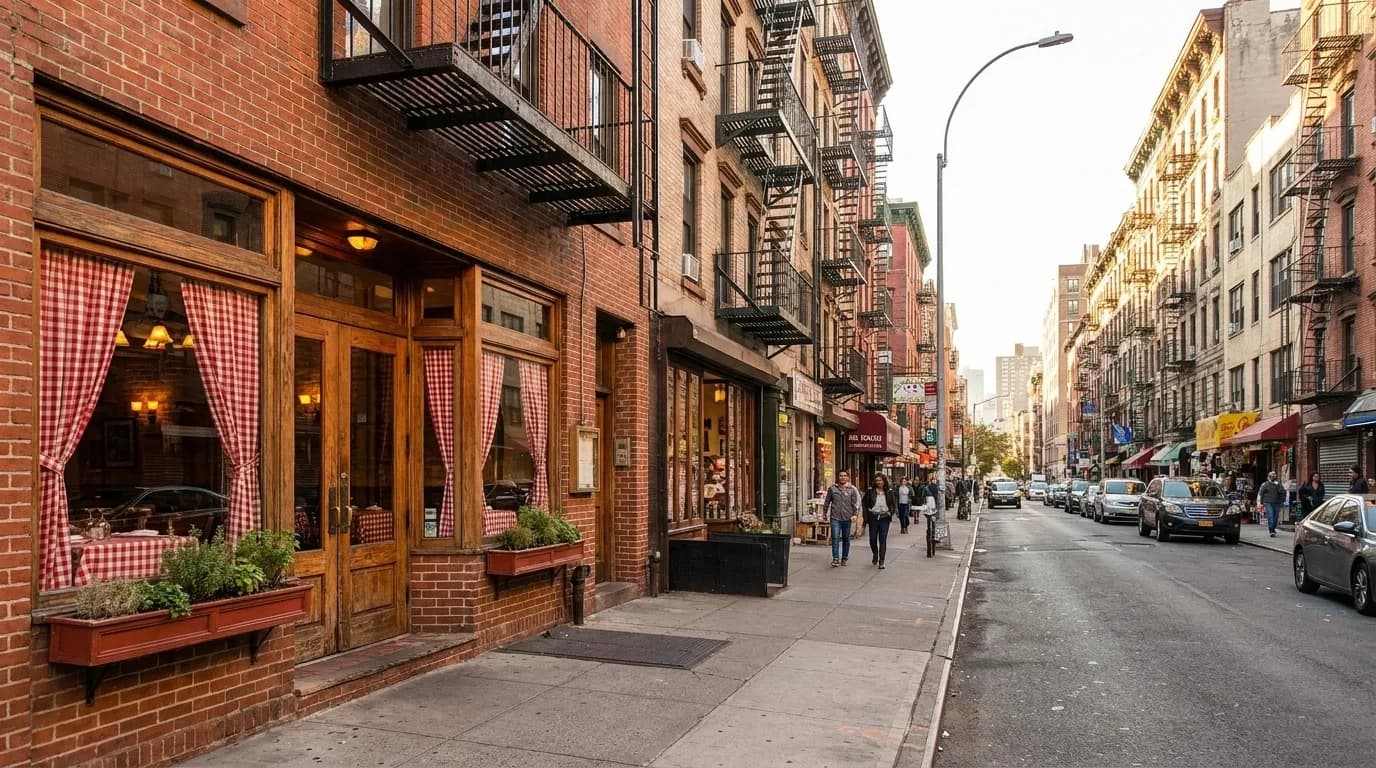
Don Peppe: Queens institution with no compromises
Don Peppe sits on Lefferts Boulevard in South Ozone Park, a neighborhood most visitors skip on their way to the airport. That geographic isolation has preserved the place. There's no printed menu. The waiter recites what's good that day, and if you ask for substitutions or sauces on the side, you'll get a look. This is Italian-American cooking at its most unapologetic: big flavors, bigger portions, zero interest in your dietary preferences.
The fried calamari comes out hot and tender, not rubbery. The pork chops are thick and charred. The pasta courses are meant to be shared, though the plates could feed two people on their own. Locals go for the seafood, especially anything the kitchen is grilling that night. Expect to spend around twenty to thirty dollars per entrée, more if you're ordering fish. The wine list is short and Italian-leaning. The room is loud, packed with multi-generational tables speaking Sicilian dialects and toasting with limoncello. If you're coming from Manhattan, take the A train to Lefferts and walk five minutes. Reservations are essential on weekends.
Emilio's Ballato: Little Italy's quiet survivor
Emilio's Ballato has been on East Houston since 1956, back when Little Italy was still Italian and Houston Street still had a neighborhood feel. The dining room is small, dim, covered in photographs and celebrity headshots that span decades. The kitchen turns out straightforward plates: spaghetti pomodoro, chicken scarpariello, veal milanese. It's the kind of place where regulars have their own tables and the staff remembers your father's name.
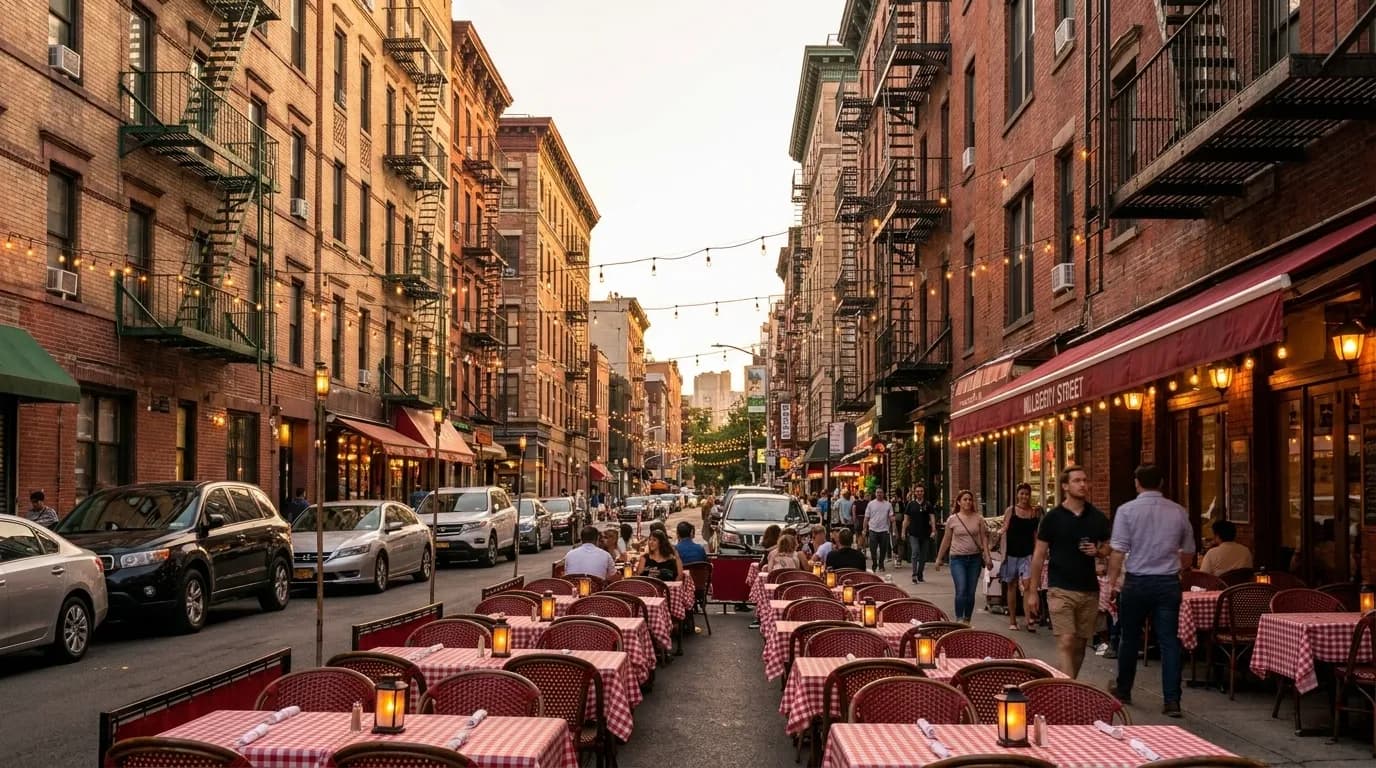
Start with the clams oreganata or the burrata if it's on the specials board. The rigatoni alla vodka is textbook, creamy without being heavy. The chicken parm is pounded thin, breaded light, and doesn't drown under cheese. The wine list skews Italian and affordable. Portions are reasonable by old-school standards, which means you might actually have room for dessert. The tiramisu is house-made and worth it. Sit at the bar if you're solo or want to watch the room work. Dinner service runs late, and the kitchen doesn't rush you out. This is one of the last spots in the neighborhood where you can still feel the original energy, before tourism turned Mulberry Street into a theme park.
What you're actually paying for
These restaurants share a few things Olive Garden can't replicate. First, they're cooking for their own community. The flavors are calibrated to the tastes of people who grew up eating this food at home, not to a national average. Second, they've survived multiple recessions, neighborhood shifts, and real estate booms by staying small and family-operated. They're not trying to scale or franchise. Third, the service comes from people who've worked the same room for years, sometimes decades. They know the menu because they helped write it, and they remember your face because they're not rotating through corporate training programs.
The food is also unapologetically rich. Butter, cream, cheese, and olive oil are applied generously. Portions assume you skipped lunch and plan to share. There's no calorie count, no gluten-free section, no kale. If you want lighter fare, go somewhere else. If you want the Italian-American cooking that shaped this city's food culture before anyone called it a food culture, this is the canon.
How these places work
All three spots take reservations, and you should make them, especially Thursday through Sunday. Walk-ins can work on weeknights if you're willing to wait at the bar. Dress codes are relaxed but not nonexistent; you'll see everything from suits to jeans, but show up looking like you're trying. Tipping is standard twenty percent, and the staff will remember if you're cheap. Cash is preferred at some of these places, though cards are accepted. Parking in Williamsburg and Little Italy is a nightmare; take the train. In Queens, there's street parking if you're patient.
Expect to spend between fifty and eighty dollars per person with a drink and no dessert. These aren't budget meals, but they're also not charging you for ambiance or a chef's Instagram following. You're paying for decades of technique, family recipes, and the overhead of keeping a business alive in New York City without selling out.
Practical notes
Bamonte's is open for dinner Tuesday through Sunday, closed Monday. The L train to Lorimer Street puts you a few blocks away. Don Peppe is open nightly but closed Tuesday; the A train to Lefferts Boulevard is your best bet from Manhattan. Emilio's Ballato serves dinner every night; take the F or M to Second Avenue or the 6 to Bleecker Street. All three accept reservations by phone, and you should call a few days ahead for weekend tables. Solo diners do fine at the bar in any of these spots. Skip the pre-theater rush if you want a quieter experience; aim for after eight-thirty on weeknights. If someone in your party doesn't eat red meat, all three kitchens can handle seafood or chicken, but the menus are built around the classics. Bring appetite, not dietary restrictions.
Tags: #nycfood #italianfood #redsauce #brooklynrestaurants #queensfood #littleitalynyc #classicitalian #oldschoolitalian #nycdinning #familyrestaurants #italianamerican #williamsburgfood #vealparmesan #nycitalian #authenticitalian
Please drink responsibly. Must be of legal drinking age.
All trademarks are the property of their respective owners.
Ask Karpo first
New York has hundreds of Italian spots, and knowing which ones are worth the trip changes weekly based on who's cooking and what's fresh. Karpo keeps track of the wait times, the current specials, and which tables just opened up so you can stop scrolling reviews and start eating. Text Karpo when you're hungry for the real thing, and you'll get a table at a place that's been doing this since before your grandparents were born.