 Scenic Walking Trail Near Me: Central Park North Woods Ravine and Loch Walk
Free Things to Do
Where to Talk About Law Roach's Styling Legacy for Free in New York City
Build a no-cost afternoon around fashion history, archival looks, and the styling conversation Law Roach started.
You want to spend an afternoon thinking about Law Roach—his archive-mining, his red-carpet collaborations, the way he repositioned vintage couture as a live tool. You don't need a ticket or a timed entry. You need quiet rooms, good light, and access to the fashion record that shaped his eye. New York City has that, free, if you know which buildings to walk into.
Karpo checks which library reading rooms are open today, confirms exhibit hours at FIT, and builds a live subway route that skips the slow G transfer. Text it before you leave.
Start with what you actually want to do
The constraint is time and subway friction. Most fashion archives and costume collections sit in midtown or the Upper East Side. If you're starting from Sunset Park, you're looking at an hour on the R or the D, and both lines slow down after 59th Street. The question is whether to stay close—Brooklyn Public Library's central branch has periodical archives and a surprisingly deep fashion-book collection—or commit to the trip uptown, where the Fashion Institute of Technology keeps a public research library and rotating exhibitions that don't charge admission.
Law Roach built his reputation by knowing what came before. He pulled from Mugler, Gaultier, Balmain archives, from 90s Versace and 80s Alaïa. To understand that work, you need to see the silhouettes he referenced, the editorial tear sheets, the runway documentation. New York City keeps those records in three places: FIT's Gladys Marcus Library, the New York Public Library's mid-Manhattan stacks, and the Metropolitan Museum's Costume Institute reading room, which is free if you reserve ahead and come with a research question.
Brooklyn Public Library if you want two hours, not five
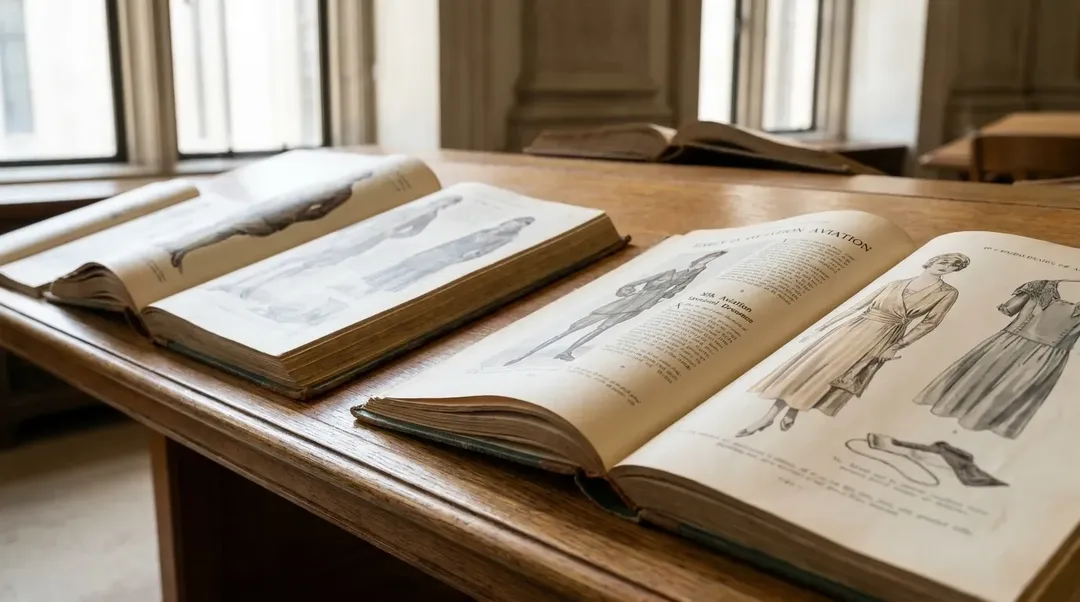
The central branch at Grand Army Plaza is a forty-minute subway ride from Sunset Park on the R to Union Street, then the 2 or 3 one stop to Grand Army. The building is large, quiet, and the third floor holds fashion periodicals going back to the 1980s—Vogue, W, Harper's Bazaar, i-D, The Face. You can pull bound volumes and page through the editorials that Law Roach studied when he was building his vintage inventory in Chicago. The room has long tables, decent natural light until about 3 p.m., and no one will bother you.
The periodical collection is not digitized. That's the point. You see the full spread, the styling credits, the way photographers and stylists worked together before Instagram flattened everything. If you want to trace a specific reference—say, the Mugler tailoring Roach used for Zendaya's 2023 SAG Awards look—you can request the 1992 or 1995 volumes and find the runway coverage. It takes patience. Bring a notebook.
Downstairs, the main reading room has a fashion-and-design book section that includes monographs on Mugler, Versace, Azzedine Alaïa, and several oral histories of 90s editorial styling. These are reference copies; you read them in the building. The circulation desk will hold a book at the reference counter if you want to leave and come back the same day. Check the library's website before you go—sometimes the third floor closes early for staff meetings.
FIT's Gladys Marcus Library if you want the real archive
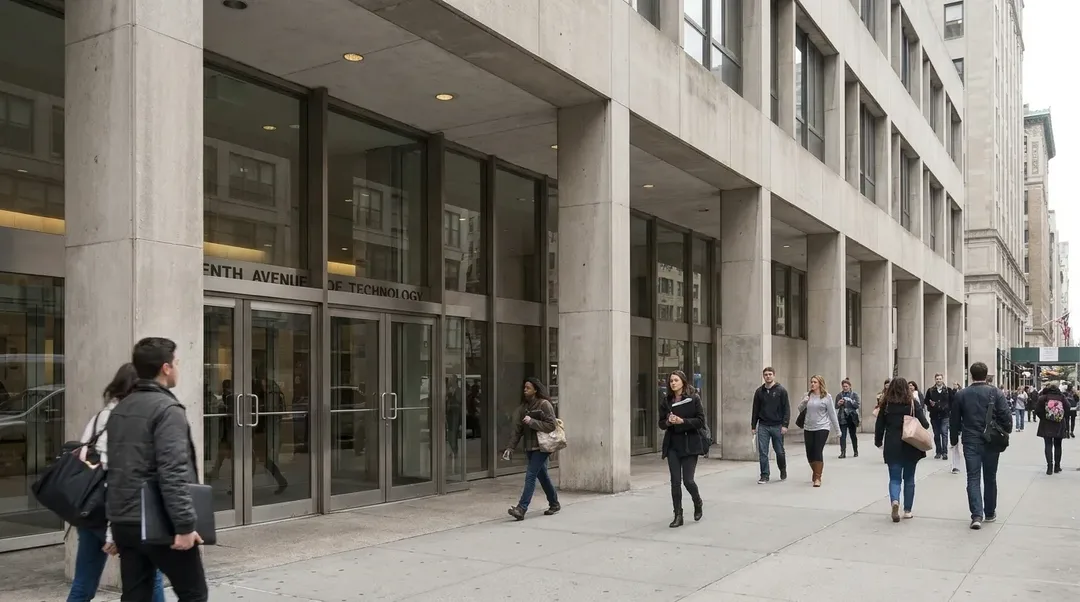
The Fashion Institute of Technology sits on Seventh Avenue at 27th Street. The Gladys Marcus Library, on the fourth floor of the Feldman Center, is open to the public without appointment for in-house research. You need a photo ID to get a day pass at the security desk. Once you're in, you have access to the Special Collections reading room, which holds designer look books, runway videos, and original editorial tear sheets organized by decade and house.
This is where you go if you want to see the Balmain archive that Law Roach pulled from for the 2016 Met Gala, or the Versace couture catalogs from the 90s that informed his work with Celine Dion. The materials don't circulate. You request a box or a binder at the desk, and a staff member brings it to your table. The room is small—maybe eight seats—and fills up on weekday afternoons when FIT students have assignment deadlines. Go in the morning or on a Friday.
The main floor of the library also has a current periodical section and a strong collection of fashion-theory books. If you want to understand the intellectual framework around image-making and celebrity styling, the books are here: Roland Barthes, Anne Hollander, Valerie Steele's histories of couture and corsetry. You can stay as long as the building is open. Confirm the day's hours on the FIT library website—they close early some Fridays and are dark on Sundays.
Pair it with a walk through the Garment District
If you've spent two hours at FIT, you're in the center of what's left of New York's garment manufacturing corridor. Seventh Avenue between 35th and 40th Streets still has trim suppliers, button shops, and fabric stores that sell to small designers and costume departments. You won't find food here—most spots are wholesale-only or close by 5 p.m.—but the walk is worth ten minutes to see the material economy that underpins the kind of work Law Roach does.
For an actual meal, walk east to the covered plaza at Bryant Park. It's free to sit, and the park has clean bathrooms and phone-charging stations along the south side. The surrounding blocks have dollar-slice counters, halal carts, and a Num Pang on 41st Street if you want a seated fifteen-minute break. Avoid the sit-down restaurants directly on Sixth Avenue—they're tourist-priced and slow.
If you started at Brooklyn Public Library instead, the park outside Grand Army Plaza has benches on the Prospect Park side and a year-round greenmarket on Saturdays. The surrounding blocks—Vanderbilt, Washington, Underhill—have bagel counters, taquerias, and a few coffee shops with table space. It's quieter than midtown and easier to sit for twenty minutes without spending much.
Leave before the evening subway crush
If you're at FIT, plan to leave by 4:30 p.m. The 1 train at 28th Street gets extremely crowded between 5 and 6:30 p.m., and if you're transferring to the R at Times Square or the D at Columbus Circle, you'll wait through two or three packed trains before you can board. The alternative is to take the M34 Select Bus Service east to the 6 train at Park Avenue, then ride south to Union Square and catch the R or the D there. It's slower but less miserable.
From Brooklyn Public Library, the 2 or 3 back to Grand Army Plaza runs frequently until about 7 p.m., then service spreads out. If you're continuing south to Sunset Park, the R train is your direct line, but it slows down after 36th Street. Budget fifty minutes from Grand Army Plaza to your stop. If you're meeting someone for dinner in Sunset Park, confirm plans by text before you get on the train—cell service drops out in some stretches of the tunnel between DeKalb and 36th.
Verify hours and access the morning you go
Library hours shift. Brooklyn Public Library sometimes closes the periodical floor for inventory or air-system maintenance. FIT's Special Collections reading room occasionally reserves morning hours for class visits. The New York Public Library's mid-Manhattan branch, which also has fashion periodicals, is open fewer days since the pandemic. Do not assume. Check each institution's website the day you plan to visit, and if you're traveling from Sunset Park, check the MTA service status before you leave—weekend R and D trains reroute constantly.
If you want to visit the Met's Costume Institute reading room, you must make an appointment at least three days in advance through the museum's website. The reading room is free, but general Met admission is required to enter the building unless you're a New York State resident, in which case you can pay what you wish. Appointments are limited and fill quickly during exhibition season. This is not a drop-in option.
Law Roach's work lives in the archive. The best way to understand it in New York City is to sit with the materials he studied—the runway documentation, the editorial collaborations, the couture references. The city keeps those records accessible and free. You just have to know which desks to walk up to and which subway lines get you there without losing two hours to transfers.
Practical notes
- Brooklyn Public Library's periodical room closes early some weekdays—verify hours the morning you go.
- FIT's Gladys Marcus Library requires a photo ID for a day research pass; Special Collections fills up by early afternoon.
- The R and D trains from Sunset Park to midtown take 50-70 minutes depending on time of day; budget extra time for Times Square transfers.
- Bryant Park has free bathrooms and seating; the Garment District has almost no public restrooms.
- If visiting FIT, leave by 4:30 p.m. to avoid peak crowding on the 1 train and transfer points.
- Check MTA service advisories before you leave—weekend R and D service reroutes frequently.
Tags: #karpo #nycforfree #lawroach #fashionarchive #newyorkcity #brooklynpubliclibrary #fitnyc #sunsetparkbrooklyn #freethingstodo #fashionhistory #garmentdistrict #stylinglegacy #nyclibraries #researchday #vintagefashion
Sources consulted: Brooklyn Public Library · FIT Gladys Marcus Library · MTA Service Status
All trademarks are the property of their respective owners.
Ask Karpo first
Text Karpo the morning you're planning this to confirm which library reading rooms are open today and whether FIT's Special Collections has any closures posted. It'll also build a live subway route from your start point that accounts for current service changes and shows you the fastest transfer to avoid the Times Square crush.
Ask Karpo for more information.
Keep reading
- Scenic Walking Trail Near Me: Central Park North Woods Ravine and Loch Walk
 Scenic Viewpoint Near Me: Brooklyn Heights Promenade at Sunset
 Scenic Viewpoint Near Me: Riverside Park Hudson River Walk