 Washington Heights Arepa Lunch Spot Picker for a Newcomer
Restaurants
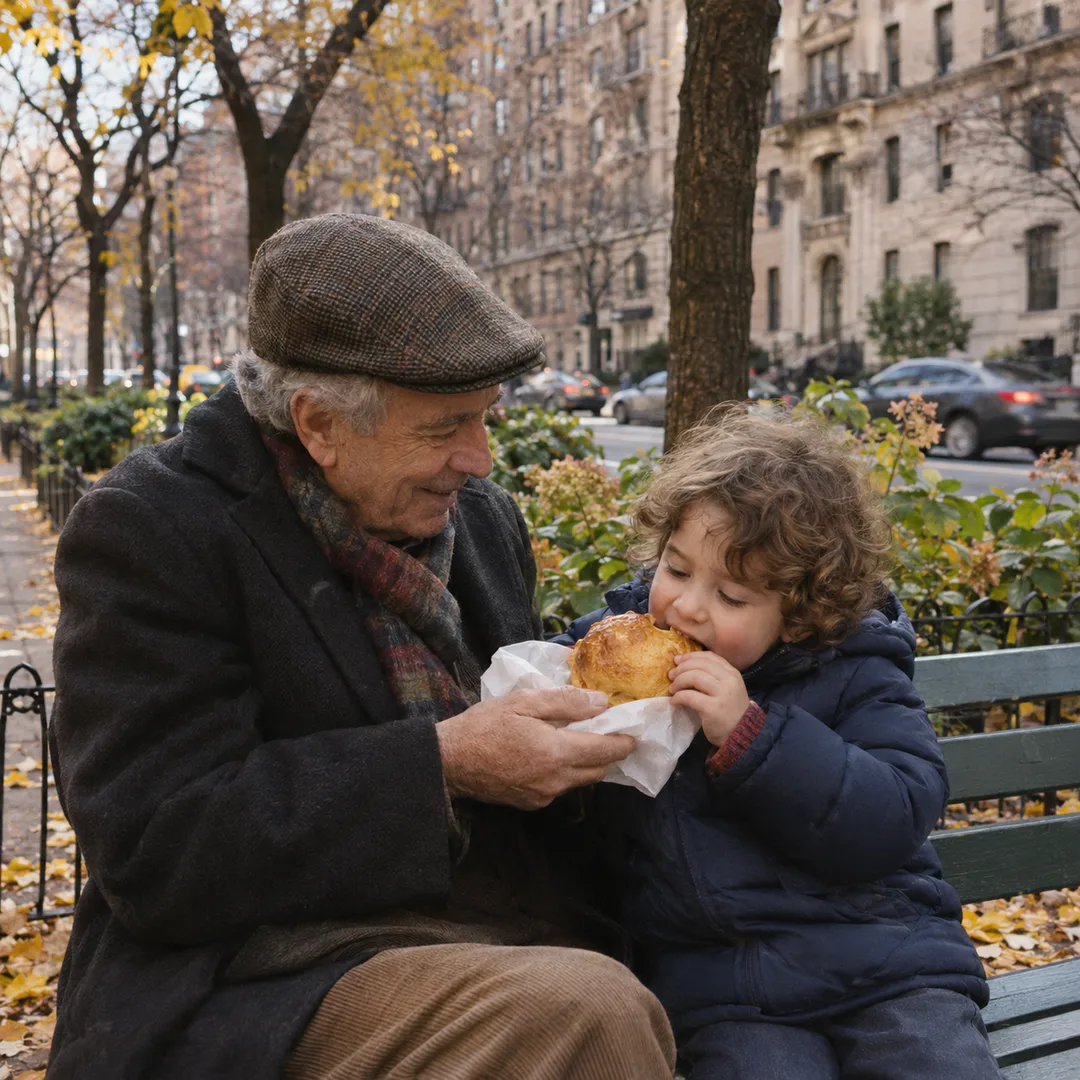
Upper West Side Knish Bakery Crawl for Kids After the Museum
Plan an Upper West Side knish bakery crawl for a grandparent and grandchild after the museum, with a kid-friendly scorecard, Broadway benches and old lanes.
The natural history museum tires out even the most enthusiastic eight-year-old. By the time you leave the dinosaur halls, everyone is hungry and nobody wants a long sit-down meal. That is where this knish bakery crawl comes in. It is designed for a grandparent and a grandchild walking the Upper West Side together, tasting a few knishes along Broadway, scoring them on a napkin, and trading stories about what the neighbourhood used to be.
A Neighbourhood Built on Appetizing Counters
For much of the last century, the Upper West Side was one of the great Jewish neighbourhoods of Manhattan. Families who had started out on the Lower East Side moved uptown into the big pre-war apartment houses along Broadway, West End and Riverside, and the food came with them. Appetizing shops, bakeries and delis lined the avenue, selling herring, bagels, babka and knishes to people who would argue for hours over whose was the real thing.
Many of those shops have closed, but a handful of famous counters remain, and their spirit still shapes the avenue. For a grandparent who grew up with this food, walking Broadway is a chance to show a grandchild where it came from. For the child, it is a chance to learn that a knish is not a hot dog or a dumpling but something with its own history and plenty of opinions attached.
The Napkin Scorecard
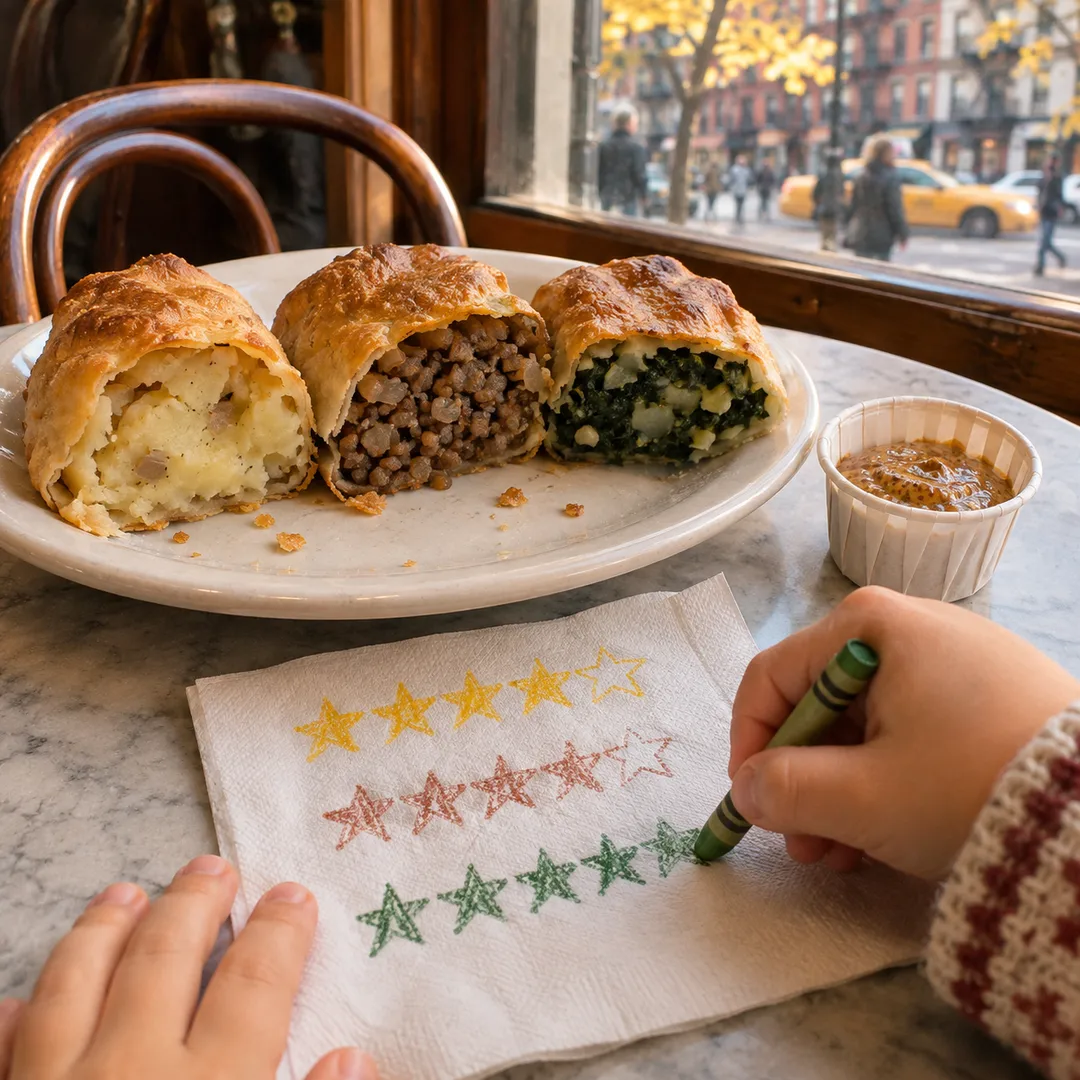
Children engage with food far more when they get to judge it. Before the first stop, hand your grandchild a crayon and a paper napkin and agree on three categories: how crispy, how filling, and how much you would want another. Each knish gets up to five stars in each category. The grandparent scores too, and comparing the two cards at the end is often the funniest part of the afternoon.
Split each knish down the middle so nobody gets too full too quickly. Start with plain potato, then try kasha, which many children find surprising, and finish with something sweet if there is a cheese or cherry version. Keep mustard on the side for the adult and offer a bit for the child to dip into. Some kids love the sharp brown kind, while others will happily ignore it.
Broadway Benches and Quiet Corners
The Broadway malls, the planted islands running down the middle of the avenue, are made for this kind of walk. Benches sit at the ends of many blocks, with trees and seasonal planting between the traffic. They are a fine place to open a paper bag and eat. Wait for the light, cross to the middle, and you have a quiet seat with a front-row view of the city rushing past.
Verdi Square, the small triangle with the composer's statue, makes a good meeting point near the busiest stretch of shops. A short walk north takes you to Pomander Walk, a private lane of small cottage-style houses tucked between two side streets. You can peek through the gate but not go in. Children usually love it, because it looks like a village that wandered into Manhattan by accident.
Pacing the Walk for Two Generations
A grandparent and a grandchild walk at very different speeds, and both run out of steam suddenly. Keep each leg short, ideally a few blocks between stops, and build in a bench after every knish. Use the Karpo APP to look for bakeries and appetizing shops with knishes along Broadway on the Upper West Side, so you can line up two or three that sit close together rather than zigzagging across the neighbourhood.
Bring a small bag with wet wipes, a bottle of water and an extra layer for the child. Pastry crumbs end up on every sleeve, and the wind off the Hudson can pick up quickly in November. If the grandparent uses a cane, the wide sidewalks on Broadway are easier than the narrower side streets. Plan the route so the last stop is close to a subway station or a bus stop heading home.
Stories to Tell Between Stops
The walk is at its happiest as a conversation. Grandparents can talk about what the avenue looked like when they were young, which shop sold the bread their parents liked, or how a knish was a treat bought on the way home from school. Children ask surprisingly good questions, such as why the potato is inside the dough instead of next to it, and those questions often lead to family stories nobody has told in years.
Give the child a job, too. They can be the map reader, the scorekeeper or the one who asks for napkins at the counter. Small responsibilities keep them involved and give the grandparent a chance to rest. If the child is old enough, let them order one knish by themselves. The pride on their face when the counter staff hand it over is worth the whole trip.
Riverside Park Before Heading Home
If everyone still has energy, finish by walking a couple of blocks west to Riverside Park. The paths step down through terraces toward the river, and in November the trees are bright against the grey water. There are playgrounds along the way where the child can burn off the last of the pastry. Find a bench overlooking the Hudson and tally the final scores together as the light softens.
On colder days, skip the park and duck into a cafe instead. A warm drink and the scorecard on the table make a cosy finish. Either way, save one half of a knish for the end, the winner of the day, so the outing closes on the favourite. It gives the child a clear memory of which one won and why.
Turning It Into a Tradition
Many families find that one knish crawl becomes a standing date. The grandparent picks the museum hall, the child picks the first bakery, and the scorecards go in a folder at home. After a few visits, you have a little record of how a child's taste has changed and how the neighbourhood has shifted around you. It is a simple way to hand down something that matters.
Next time, try a different season. Spring brings the Broadway malls into bloom, and summer turns the walk into an ice-cream detour. The knishes stay the same, which is part of the charm. A grandchild who scores knishes with a grandparent at eight may well be the one leading the walk at twenty, napkin and crayon in hand, telling the same stories to someone new.
Ask Karpo for more information.
Keep reading
- Washington Heights Arepa Lunch Spot Picker for a Newcomer
 Williamsburg Arepa Lunch Spot Picker for Parents of Toddlers
 Lower East Side Arepa Lunch Spot Picker for Coeliac Friends