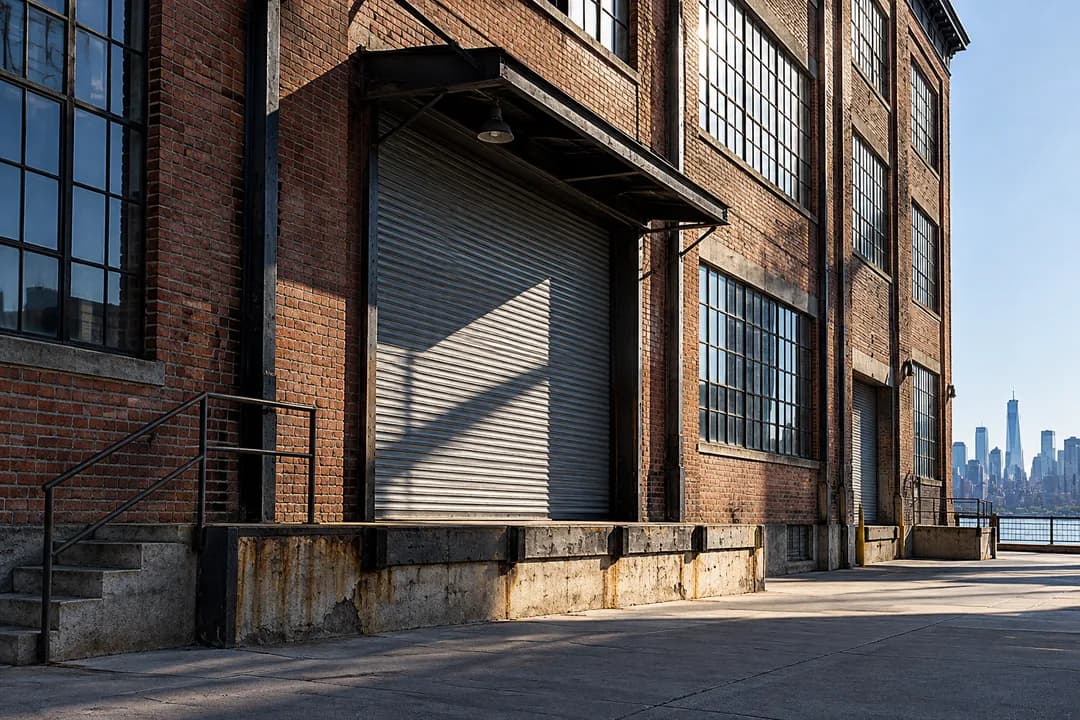
 Costume Rental Near Me in Williamsburg: Hit and Run Productions Archive
Hidden Gems & Odd Finds
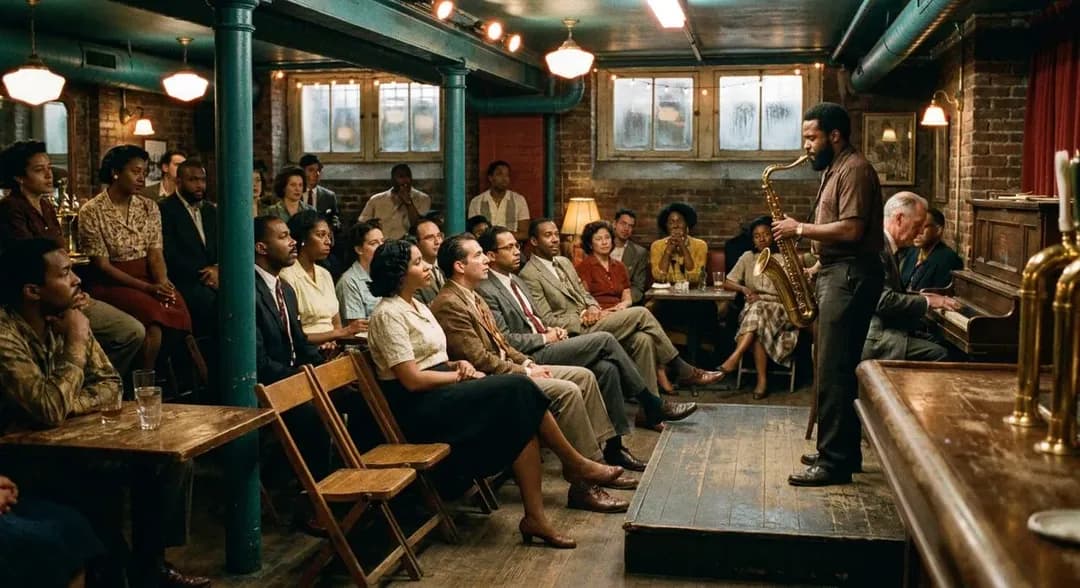
A Jazz Club in the Basement of a Harlem Brownstone With 40 Seats
Every Friday and Saturday, a residential brownstone on West 132nd Street opens its basement to forty strangers. They bring wine in grocery bags and sit on folding chairs while the ceiling hangs seven feet overhead.
The doorbell scenario
You ring a residential doorbell on a Sunday afternoon. The building is 555 Edgecombe Avenue—"The Triple Nickel"—a pre-war apartment house in Sugar Hill with a view toward the Polo Grounds site. The woman who answers is Marjorie Eliot, and she has been hosting jazz in her parlor every Sunday since 1993, a tradition she began as a tribute to her late son. There is no cover charge. You are invited into her home.
The folding chairs are arranged in her living room. This is not a basement venue or a commercial space. This is an apartment, Suite 3-F, where the piano sits near the windows and the afternoon light changes the room's character as the session progresses. You are sitting in someone's parlor, surrounded by the accumulated objects of a life: photographs, books, the particular furniture arrangements that belong to no one but the person who lives here.
What free admission actually means here
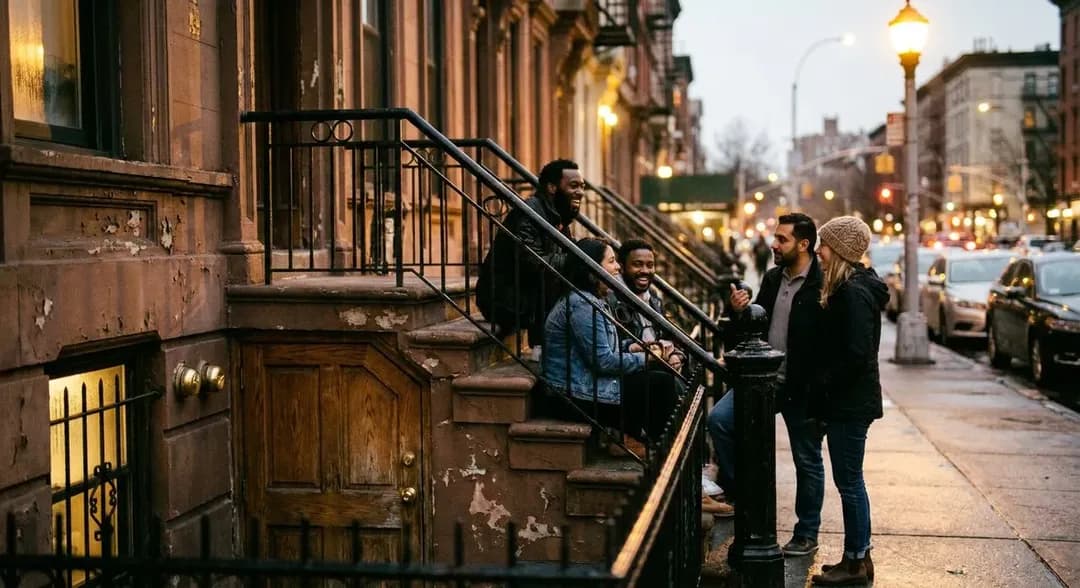
There is no cover charge, no ticket, no transaction at the door. Marjorie Eliot opens her home without asking for money. Some visitors leave donations. Some bring flowers or food to share. Some simply come, listen, and leave. All of these responses are acceptable. The absence of a commercial exchange changes the nature of what happens in the room—this is hospitality, not a business model.
You may bring something to drink if you wish. This is a home, and the conventions of visiting someone's home apply. The bathroom is down the hall. You will pass family photographs and the ordinary markers of domestic life. The dissonance between private space and public performance never fully resolves. That's the entire point. When a saxophonist takes a solo that fills the room, you remember you're sitting in someone's living room, invited.
The musicians who play here
The Sunday lineups include established jazz musicians, emerging artists, students, and players who have been part of New York's jazz community for decades. They are not playing here because they lack other venues. They play here because Marjorie Eliot's parlor represents something specific in Harlem's musical tradition—the house party, the rent party, the living room session where music happens because someone opens their door.
The host introduces each musician. No elaborate bios, no credentials recited. If you want to know who you're listening to, you ask during the break or you simply listen. The intimacy is part of the experience.
The Sunday afternoon session
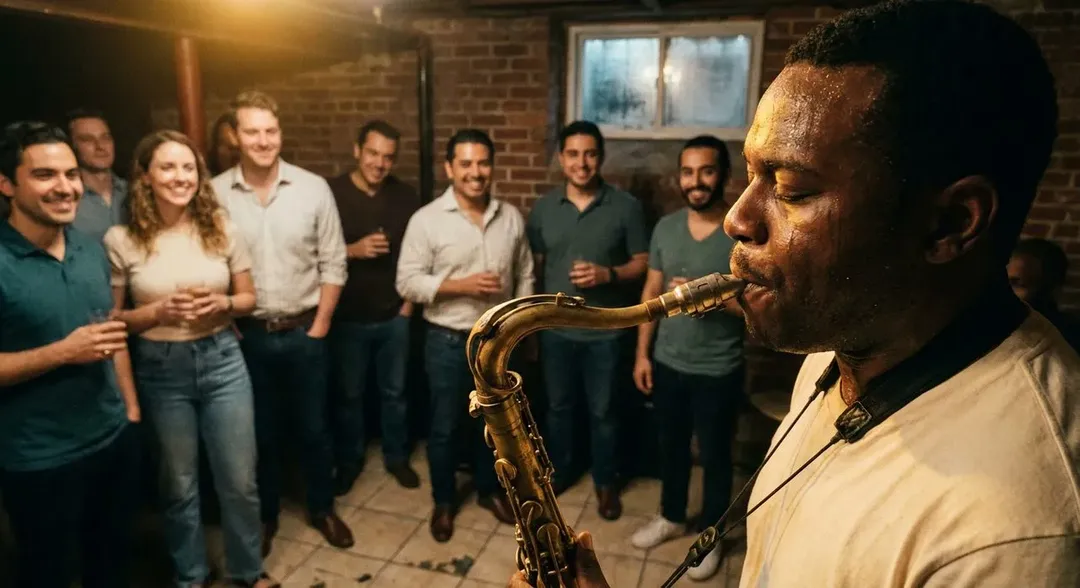
The music typically begins in the early afternoon and continues for several hours. The crowd includes Harlem residents who have been coming for years, musicians from other boroughs, visitors who learned about the tradition through word of mouth or press coverage, students, and people who simply heard music through an open window and followed it upstairs. The energy is communal rather than transactional. This is not a ticketed event with sets and schedules. This is a Sunday gathering that happens to center on live jazz.
The seating is informal. Chairs fill the available space in the parlor. You sit where there's room. Some people stand near the doorway or in the adjacent spaces. The sightlines are what they are in a residential apartment—imperfect, human-scaled, determined by furniture and architecture rather than theatrical design.
The breaks between music
People stand, stretch, speak quietly. Some step into the hallway. Some stay seated. The host sometimes offers refreshments—the gestures of someone welcoming guests into her home. There is no pattern to predict, no schedule to consult. The afternoon unfolds according to its own logic.
This is when you notice the details: the framed photographs on the walls, the piano that has hosted decades of musicians, the way afternoon light moves across the room. Everything here exists because one person decided to open her home every Sunday for more than thirty years. It continues because she continues it. The tradition is as fragile and as durable as any act of sustained generosity.
Why this exists
Marjorie Eliot has spoken in interviews about her reasons: the tradition honors her son's memory, it continues Harlem's legacy of home-based jazz, it creates community, it insists that music should be accessible. What's certain is that every Sunday, she opens her apartment door, arranges chairs in her parlor, welcomes strangers and regulars alike, and presides over an afternoon of live jazz that costs nothing and asks only that you listen.
This is not a business. This is not a venue in the commercial sense. This is a weekly act of cultural preservation and radical hospitality—an insistence that certain experiences should still exist at human scale, in rooms where you can see the musicians breathe and you are sitting in someone's home.
Practical notes
Marjorie Eliot's Parlor Jazz happens every Sunday at 555 Edgecombe Avenue, Suite 3-F, in Harlem. The sessions are free and have been running since 1993. Arrive in the early afternoon; the music typically begins around 3 or 4 PM, though it's wise to confirm current timing through local listings or by contacting the venue. The A, B, C, or D train to 145th Street or the 1 train to 157th Street will put you in the neighborhood. Street parking exists but requires patience and knowledge of local regulations.
Dress as you would for any Sunday afternoon visit to someone's home. The sessions run several hours with informal breaks. This is a residential apartment, so conduct yourself as a guest: no disruptive phone use, no flash photography without permission, no behavior that would be inappropriate in someone's living room. The rules aren't posted. You learn them by observing the respect that regulars show the space and the host.
Tags: #HarlemJazz #NYCJazz #UndergroundMusic #SecretVenues #LiveJazz #HarlemNightlife #NYCNightlife #BYOBVenue #IntimatePerformance #JazzBasement #HiddenNYC #TheOddEdit #LocalMusic #NYCMusic #AuthenticNYC
Sources consulted: afar.com · harlemonestop.com
All trademarks are the property of their respective owners.
Ask Karpo for more information.
Keep reading
- Costume Rental Near Me in Williamsburg: Hit and Run Productions Archive
 Costume Rental Near Me in Flatiron: Abracadabra NYC Showroom Floor
 Costume Rental Near Me in NoHo: Albright Fashion Library Archive