 Haaland Has Seven Goals and Norway Runs Entirely Through Him
⚽️2026 FIFA WORLD CUP
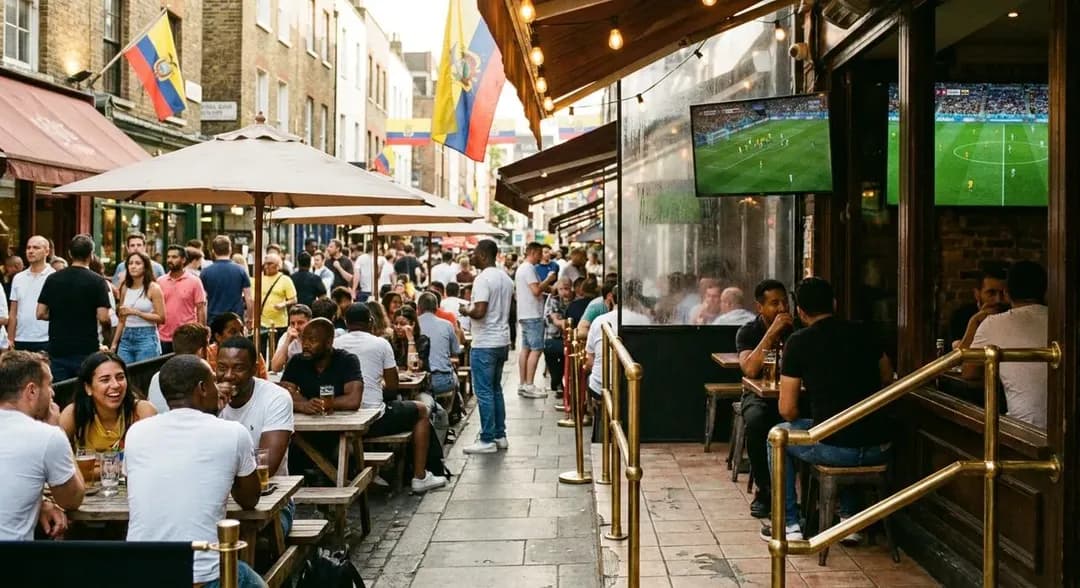
Jackson Heights on Match Day: Queens Becomes Quito for La Tri
When Ecuador takes the field at MetLife Stadium during World Cup 2026, the real match happens on Roosevelt Avenue—where sidewalk screens glow, ceviche flows, and an entire neighborhood transforms into a South American plaza.
The morning setup
You arrive at 37th Avenue before 9 a.m. and the transformation has already begun. Outside an Ecuadorian restaurant, staff are bolting a projector screen to the brick facade. Next door at a rotisserie chicken spot, someone's threading extension cords through a second-floor window. By the time Ecuador kicks off in their Group E match, this two-block stretch will host crowds who've never bought a ticket but will experience every minute as if they're in the stands.
The restaurants don't advertise this. There's no permit application for spontaneous national celebration. But when La Tri plays, Jackson Heights operates on a different civic code—one written in Quechua and Spanish, enforced by collective memory of previous tournaments. The 74th Street subway station will disgorge fans in tricolor jerseys every few minutes. Roosevelt Avenue will become impassable not from traffic but from bodies.
The pre-match economy
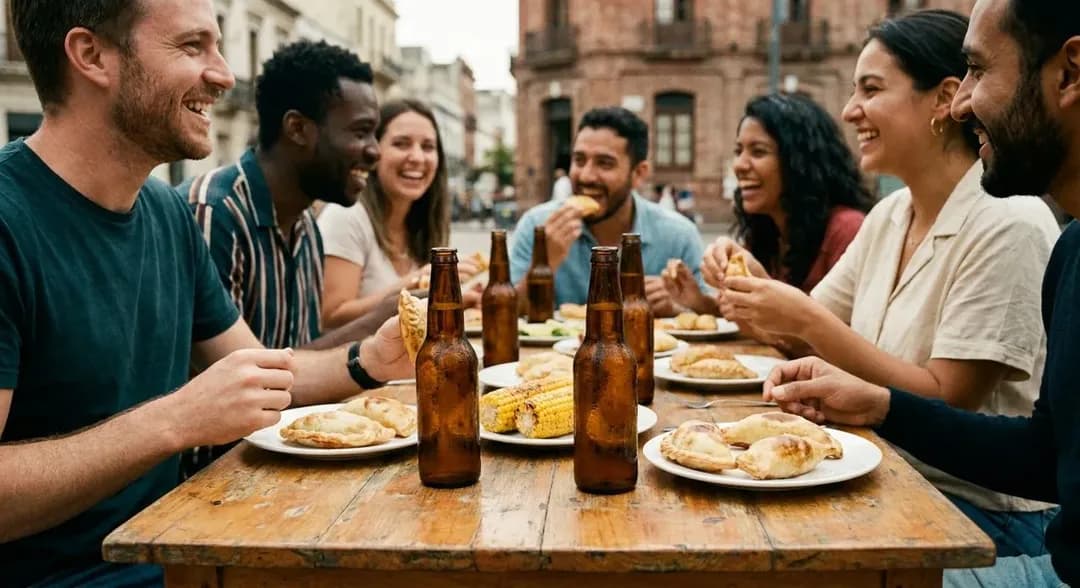
By mid-morning, the vendors appear. Not the usual fruit cart operators, but specialists who surface only for Ecuador matches—someone selling miniature flags from a modified baby stroller, a face painter with yellow-blue-red pigments, a van that opens to reveal knockoff jerseys in every size. The parking is technically illegal, functionally tolerated because today the NYPD has reassigned its priorities.
Inside the Ecuadorian restaurants, kitchens have ramped up encebollado production. The fish stew becomes match-day fuel—locals claim the cilantro and yuca settle nerves better than any sports bar wings. Ask for it "como en Guayaquil" and they'll add extra ají criollo, the hot sauce they make in bulk specifically for tournament days. A counter seat gives you sightlines to both the kitchen's organized chaos and the street's gathering energy.
When the neighborhood becomes the stadium
During World Cup 2026, when Ecuador plays, the 37th Avenue screens sync to the broadcast with only a brief delay—short enough that you hear goals before you see them, the roar traveling from apartment windows and car radios in a wave that arrives just ahead of the pixels. This temporal stutter becomes part of the experience, a neighborhood-wide spoiler alert that somehow enhances rather than diminishes the moment.
The serious fans—the ones who've calculated that expensive tickets don't make sense when restaurants have projectors—claim specific sidewalk territories hours before kickoff. Certain corners go to the Guayaquil contingent. Other stretches belong to Quiteños. These invisible borders hold for the entire match, maintained through nothing more than shared understanding and the occasional pointed glance.
The Pilsener protocol
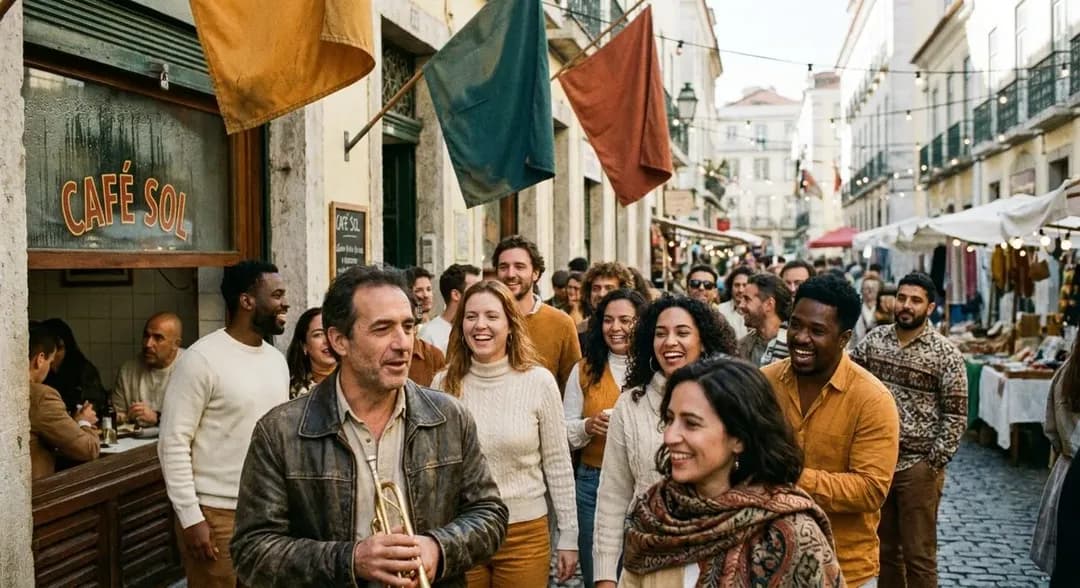
Ecuador's national beer appears in quantities that suggest either excellent distribution planning or mild illegality. The bodegas on Roosevelt Avenue stock Pilsener year-round, but on match days, cases materialize on sidewalks, in coolers that weren't there an hour ago. Tournament inflation is real, but everyone accepts it because authenticity has a premium.
At the narrow bars locals frequent—spaces with shotgun layouts they call "El Túnel"—they pour Pilsener into frozen mugs they've been chilling since early morning. The bartenders orchestrate efficient systems: beer orders only, no cocktails, cash only, no change given for large bills. The efficiency allows them to serve hundreds in ninety minutes without the line extending past the doorway. These systems have been refined over multiple World Cups.
The moment of collective suspension
When the referee's whistle starts the match, Roosevelt Avenue achieves something American cities rarely manage—true communal silence. Crowds stop talking simultaneously. The street vendors pause mid-transaction. Even the car horns, that constant Queens percussion, go quiet as Ecuador's anthem plays on a dozen screens at slightly different delays, creating an echo-chamber effect that sounds almost liturgical.
This silence lasts exactly as long as the anthem. Then someone scores—doesn't matter who—and the noise returns as physical force. If Ecuador scores, the celebration is seismic. If the opponent scores, the collective groan carries enough disappointment to rattle storefront windows. Either way, you're part of something larger than spectating, something that transforms commercial infrastructure into temporary cathedral.
The aftermath geography
If Ecuador wins, the celebration continues for hours. Roosevelt Avenue becomes a parade route without a permit, a moving party that flows between 74th and 90th and back again. The police close the street not through official order but through practical concession—there's no moving these crowds, only managing them. The all-night food carts switch from their regular rotation to victory menus: extra-large portions, prices rounded down, free seconds for anyone wearing the jersey.
If Ecuador loses, the dispersal is quieter but no less communal. The restaurants stay open, offering the comfort of familiar food and shared disappointment. They'll serve you hornado—roasted pork with mote and llapingachos—late into the night, because processing a loss requires the specific solace of home cooking. The staff won't rush you. They're processing it too.
Practical notes
Jackson Heights centers on the 74th Street–Broadway station (7 train). The main action concentrates on 37th Avenue between 75th and 83rd Streets, and Roosevelt Avenue from 74th to 90th Streets. Most restaurants don't take reservations on match days—arrive early and claim sidewalk space. Expect to stand for the entire match. Cash is essential; many vendors and bars suspend card payments during matches. The neighborhood is family-friendly until evening, then transitions to adult celebration. Ecuador qualified for the 2026 World Cup and will compete in Group E alongside Côte d'Ivoire, Curaçao, and Germany. Check FIFA's official schedule for match times—but Jackson Heights starts preparing the moment La Tri takes the field.
Tags: #WorldCup2026 #JacksonHeights #Ecuador #LaTri #QueensNYC #RooseveltAvenue #37thAvenue #EcuadorianFood #Encebollado #Pilsener #NYCNeighborhoods #WorldCupCulture #QueensFood #AuthenticNYC
Please drink responsibly. Must be of legal drinking age.
All trademarks are the property of their respective owners.
Ask Karpo for more information.
Keep reading
- Haaland Has Seven Goals and Norway Runs Entirely Through Him
 World Cup Trophy Ceremony Timing Medals and Postmatch Celebrations
 Olise and France's Attack: The Semifinal Tactical Question