 Washington Heights Arepa Lunch Spot Picker for a Newcomer
Restaurants
Indian Restaurant Near Me in NYC: Masalawala in the Lower East Side
A practical Lower East Side guide to Masalawala, the regional Indian restaurant from Chintan Pandya and Roni Mazumdar, with what to order, how to get a table, and where to walk afterward.
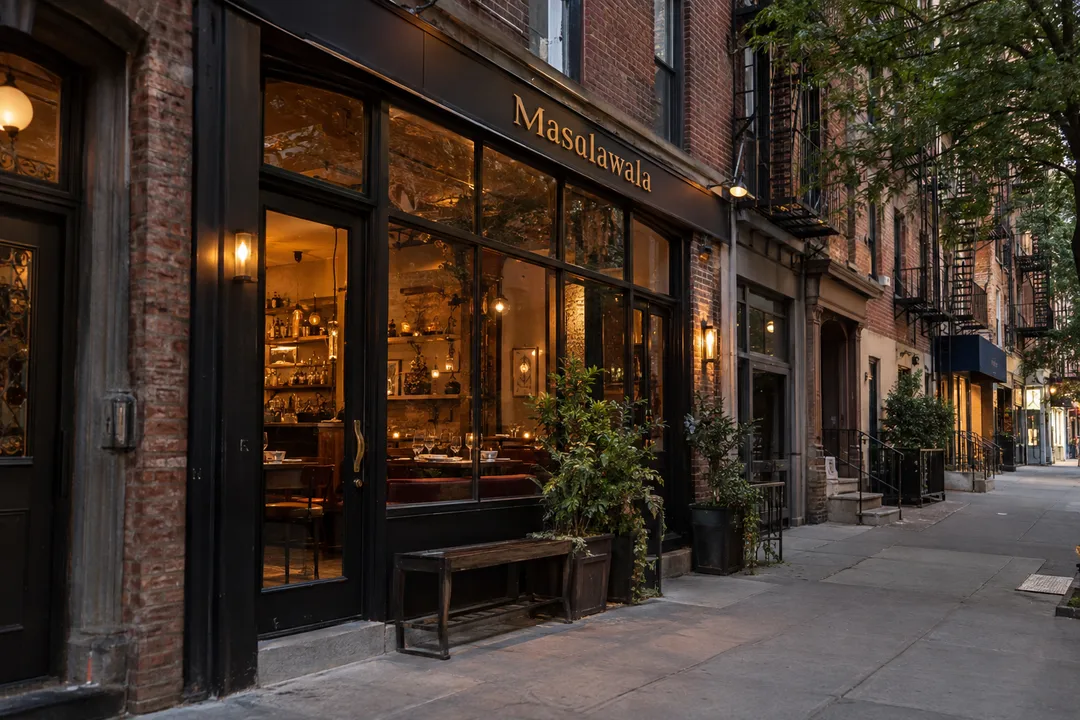
When the search for an indian restaurant near me starts in the Lower East Side, Masalawala is a useful answer for diners who want a focused regional meal rather than a broad, familiar curry menu. The restaurant at 179 Essex Street comes from Chintan Pandya and Roni Mazumdar, the team behind Unapologetic Foods, and its cooking draws from home-style Bengali and eastern Indian flavors. The room is compact, energetic, and built for a meal where the condiments matter as much as the main plate.
Masalawala sits on the Essex Street corridor a few minutes from the Delancey Street subway complex. The F, M, J, and Z trains put you close enough to arrive without a long walk, while the M9 and M14 buses are useful if you are carrying shopping from the market. Come in through the narrow storefront and expect a dining room that feels deliberately close to the sidewalk. The location makes it easy to pair dinner with a food-market browse or a short walk through Orchard Street.
The restaurant's story is tied to the partners' larger effort to show regional Indian cooking with sharper edges and clearer provenance. Masalawala is not designed as a greatest-hits buffet. Its menu emphasizes Bengali preparations, mustard, fish, rice, and vegetable dishes that reward ordering across the table. That point of view is the reason to choose it over a generic neighborhood option: the meal has a recognizable eastern Indian accent from the first bite through the final rice course.
Start with the aloo chop, usually around $12, if it is available. The potato croquettes arrive crisp and warmly spiced, a good introduction to the restaurant's preference for savory depth over sugar. The beguni, eggplant fritters priced near $11, are another smart opener, especially for a group that wants something easy to share. Ask about the day's small plates because the kitchen may rotate items with market availability rather than treating the menu as a fixed script.
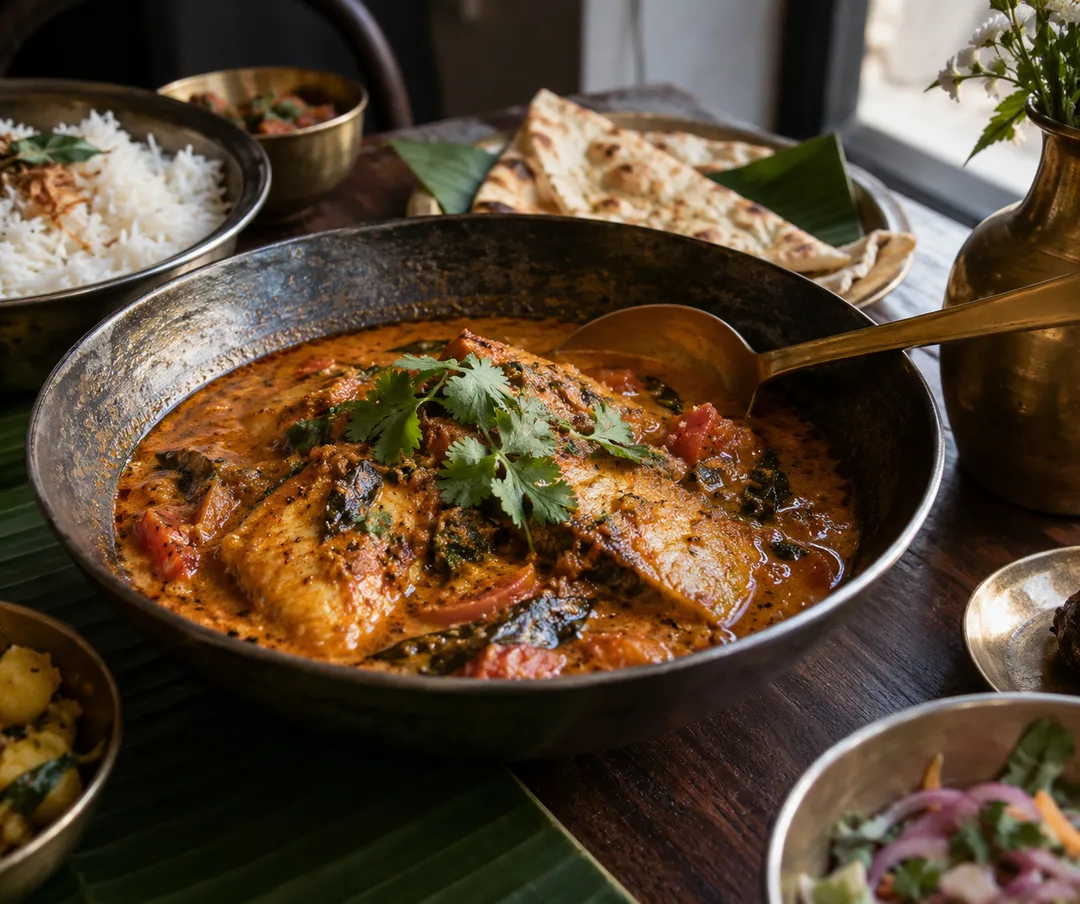
The fish dishes are the reason many regulars return. A mustard-forward fish preparation, often priced in the mid-$20s, brings the familiar Bengali combination of pungent mustard, green chili, and tender fish into a composed restaurant setting. Order rice alongside it instead of trying to eat the sauce with bread. The grain softens the mustard heat and gives the plate the balance it needs. Servers can explain the fish and spice level before you commit.
For a second main, look for a mutton or goat curry in the $26 to $30 range. The meat is generally more aromatic than fiery, with whole spices that become clearer as the gravy cools between bites. A vegetable dish such as shukto or a seasonal greens preparation is worth adding because it changes the rhythm of the meal. Masalawala works best when the table has one rich dish, one fish dish, and one bitter or vegetal counterpoint.
Rice is not an afterthought here. The restaurant's Bengali orientation makes a plain fragrant rice or a special rice preparation more useful than ordering several breads. If khichuri appears, take it seriously: the soft rice-and-lentil dish can be a complete comfort-food course, especially on a rainy evening. Prices vary, but plan on roughly $15 to $20 for a substantial rice item. The menu is easiest to navigate when you ask how many dishes the kitchen recommends for your party.
The beverage list is intentionally restrained. A chilled beer, lime-forward cocktail, or nonalcoholic nimbu-style drink can cut through mustard and chili without competing with them. Expect cocktails around $16 to $18 and consider ordering water early because the dining room can become warm when the room fills. Guests who avoid alcohol should ask about house-made drinks rather than assuming the best pairing is a sweet soda.
Reservations are helpful for dinner, especially Thursday through Saturday, but the restaurant is not a place to arrive with a large group and improvise. Small parties have a better chance at the bar or at an early seating. Aim for the first hour of service or a later table after the initial rush. Keep your party complete before checking in; a compact room has little patience for holding half a table while the rest of the group travels.
Inside, the atmosphere is intimate rather than formal. You will hear conversations from nearby tables, see plates moving through a tight service area, and notice that the staff spends time explaining unfamiliar dishes. That is part of the experience. Masalawala asks diners to pay attention to texture and seasoning, not to rush through a giant platter. Leave room for the meal to unfold, and ask for a brief pause between shared courses if you are ordering in waves.
Make the neighborhood part of the plan. Before dinner, walk through Essex Market and browse the spice, bakery, and produce stalls. Afterward, head north on Orchard Street for vintage stores and small galleries, or walk east toward Seward Park for a quieter reset. The Tenement Museum is close enough for an earlier cultural stop on days when its schedule works. The restaurant's Lower East Side address is valuable because dinner can sit inside a complete downtown evening rather than stand alone.
Practical Notes: Masalawala is best for adventurous omnivores, seafood fans, and groups willing to share. Confirm the current menu and hours before leaving because daily dishes and service times can change. Wear something comfortable for a close room, arrive with enough time to navigate the market block, and tell the team about allergies before ordering. A realistic budget is $55 to $80 per person before drinks and tip. The Karpo APP can help compare this meal with nearby dinner options when you are already downtown. One more useful detail is the pace of the meal. Masalawala is not a quick lunch counter, so allow ninety minutes if you want starters, a fish course, rice, and a drink. The menu's strongest moments come when you let the mustard, fried aromatics, and rice settle into a sequence instead of chasing every dish at once. It is also worth asking whether a dish is meant to be eaten with a spoon, hand, or bread; that small explanation can change the texture of the experience.
For a quieter visit, choose an early weekday table and ask to sit where you can watch the service without being in the main traffic lane. That small choice makes the compact room feel more relaxed. Masalawala is especially rewarding for diners who enjoy learning why a dish tastes the way it does, so treat the staff's explanation as part of the meal rather than an interruption.
The final reason to choose this address is its sense of place. You are not eating in an anonymous dining room that could be anywhere; you are eating on a market-heavy Lower East Side block where Bengali flavors sit beside old tenements, new galleries, and late-night storefronts. That context gives the meal a useful specificity and makes the short walk afterward feel like part of the recommendation.
Ask Karpo for more information.
Keep reading
- Washington Heights Arepa Lunch Spot Picker for a Newcomer
 Williamsburg Arepa Lunch Spot Picker for Parents of Toddlers
 Lower East Side Arepa Lunch Spot Picker for Coeliac Friends