 Haaland Has Seven Goals and Norway Runs Entirely Through Him
⚽️2026 FIFA WORLD CUP
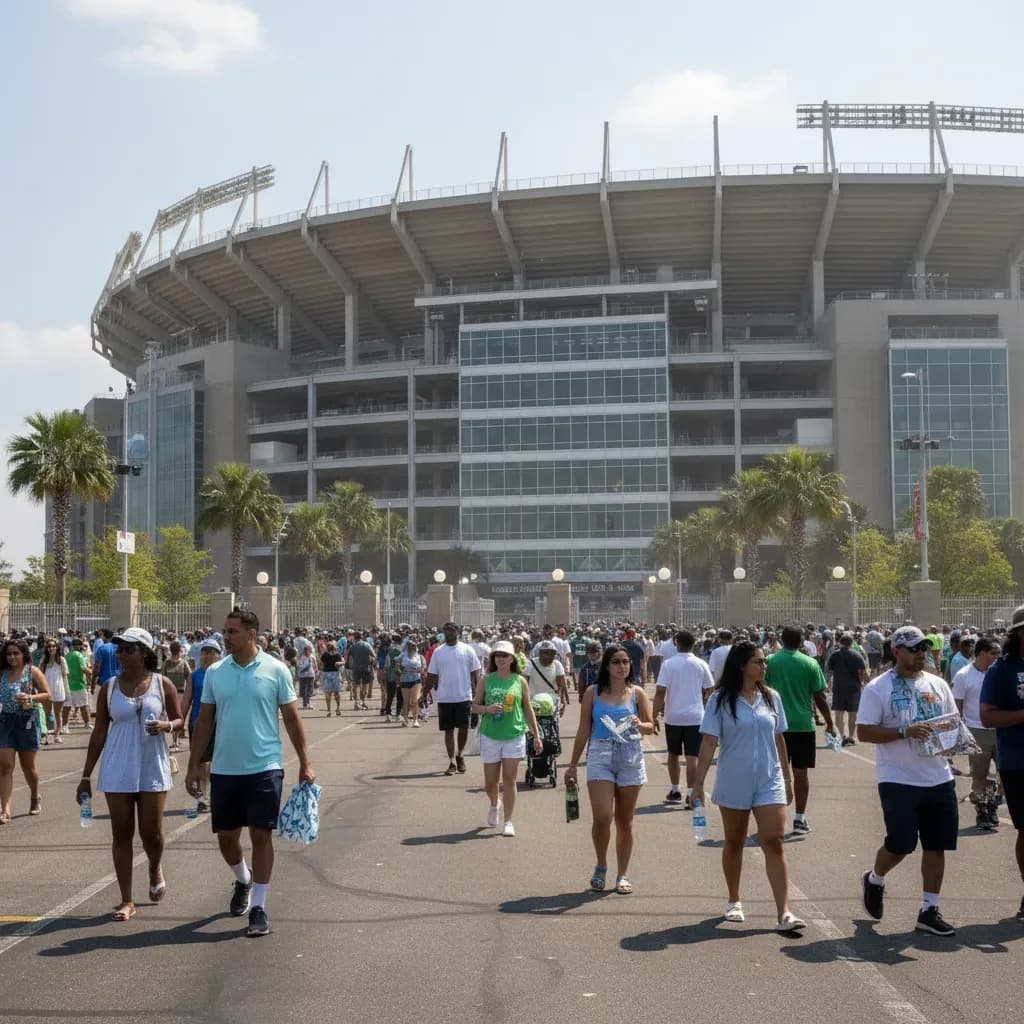
Heat Dome World Cup: NYC's No-Drama Survival Map for MetLife
Navigating the 2026 World Cup at MetLife Stadium during a heat dome requires a cool head and a smart plan – here’s your essential, no-drama guide.
The 2026 FIFA World Cup is coming to North America, and with it, the global spotlight will land squarely on MetLife Stadium in East Rutherford for the final match. While the excitement is palpable, the timing of the tournament, running from June 11 to July 19, 2026, raises a crucial consideration: summer heat. New York City and the surrounding region are no strangers to intense summer conditions, and with increasing discussions around "heat dome" events and "extreme heat NYC" scenarios, planning for fan comfort and safety becomes paramount. This isn't about dampening the spirit of the game; it's about smart, practical preparation to ensure a world-class experience, even if the mercury climbs.
Understanding the Summer Challenge
The term "heat dome" has become increasingly prevalent in weather discussions, describing large areas of high pressure that trap hot air, leading to prolonged periods of elevated temperatures. For fans traveling to the New York/New Jersey area for the World Cup final, scheduled for MetLife Stadium, this means being prepared for conditions where the "heat index" – how hot it feels when humidity is combined with air temperature, as defined by the National Weather Service – could reach uncomfortable or even dangerous levels.
MetLife Stadium is an open-air venue, offering little respite from direct sun exposure during daytime matches. While the energy of a World Cup final will be electrifying, prolonged exposure to high temperatures and humidity without proper precautions can quickly turn celebratory into challenging. The key is proactive planning, focusing on hydration, sun protection, and knowing where to find relief. This guide focuses on practical strategies for navigating the heat, ensuring your World Cup experience is memorable for all the right reasons.

Pre-Game Prep: Hydration and Attire
Before you even think about your route to the stadium, your personal preparation is crucial. Hydration starts well before game day. Begin increasing your water intake a day or two before attending any outdoor event, especially if the forecast indicates high temperatures. Avoid excessive alcohol or sugary drinks, which can contribute to dehydration. Consider carrying a reusable water bottle, checking stadium policies on permitted containers.
Clothing choices are equally important. Opt for light-colored, loose-fitting attire made from breathable fabrics like cotton or linen. A wide-brimmed hat offers essential facial and neck protection, and sunglasses are a must. Don't underestimate the power of sunscreen; apply it generously and reapply frequently, especially if you're sweating. Even on cloudy days, UV rays can be intense. Think layers if there's a chance of temperature fluctuation, but prioritize staying cool.
The Journey: Navigating to MetLife Stadium
Getting to MetLife Stadium from NYC involves a journey that requires careful planning, especially under potential heat conditions. NJ Transit offers dedicated Meadowlands service, typically involving a train ride from New York Penn Station to Secaucus Junction, followed by a special event shuttle train directly to the stadium complex. This route is generally the most efficient and recommended for large events.
During periods of extreme heat, the journey itself can be taxing. Consider off-peak travel times if possible to avoid crowded trains and platforms. While NJ Transit's main stations and trains are air-conditioned, waiting areas or transfers might expose you to the elements. Carry a small, portable fan or misting bottle for personal cooling. Plan your arrival with ample time, but avoid arriving excessively early, which could mean extended exposure to sun outside the stadium before gates open.
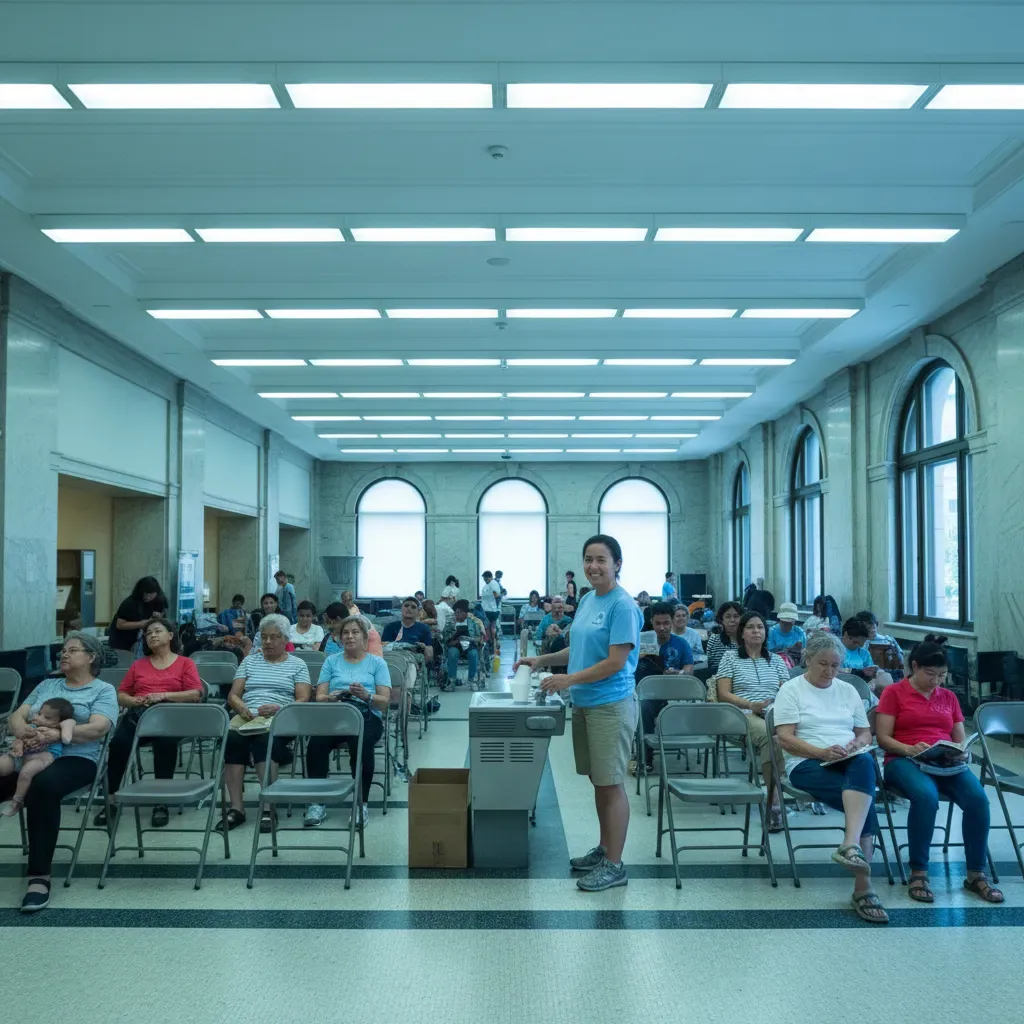
Once you arrive at the Meadowlands Complex, the walk to the stadium gates can be substantial. Look for shaded pathways if available, and take it slow. This is not the time for a sprint. Conserve your energy for the match itself.
Stadium Survival: Inside MetLife
MetLife Stadium, while a state-of-the-art facility, is an open-air venue. This means direct sun exposure will be a factor for many sections, particularly during afternoon matches. Familiarize yourself with the stadium's layout beforehand. Look for gates that offer the most direct route to your seat to minimize unnecessary walking in the sun.
Inside the stadium, prioritize finding shade whenever possible during breaks in play or before the match begins. While specific cooling zones might be implemented for the World Cup, the most reliable strategy is to seek out concourse areas or covered sections. Use stadium-provided water fountains or purchase bottled water frequently. Many stadiums allow empty, clear plastic water bottles to be brought in, which can be refilled.
Pay close attention to how you feel. Symptoms of heat exhaustion or heatstroke can include dizziness, nausea, headache, excessive sweating followed by no sweating, and confusion. If you or someone around you experiences these symptoms, seek immediate medical attention from stadium staff. First aid stations are typically well-marked and staffed.
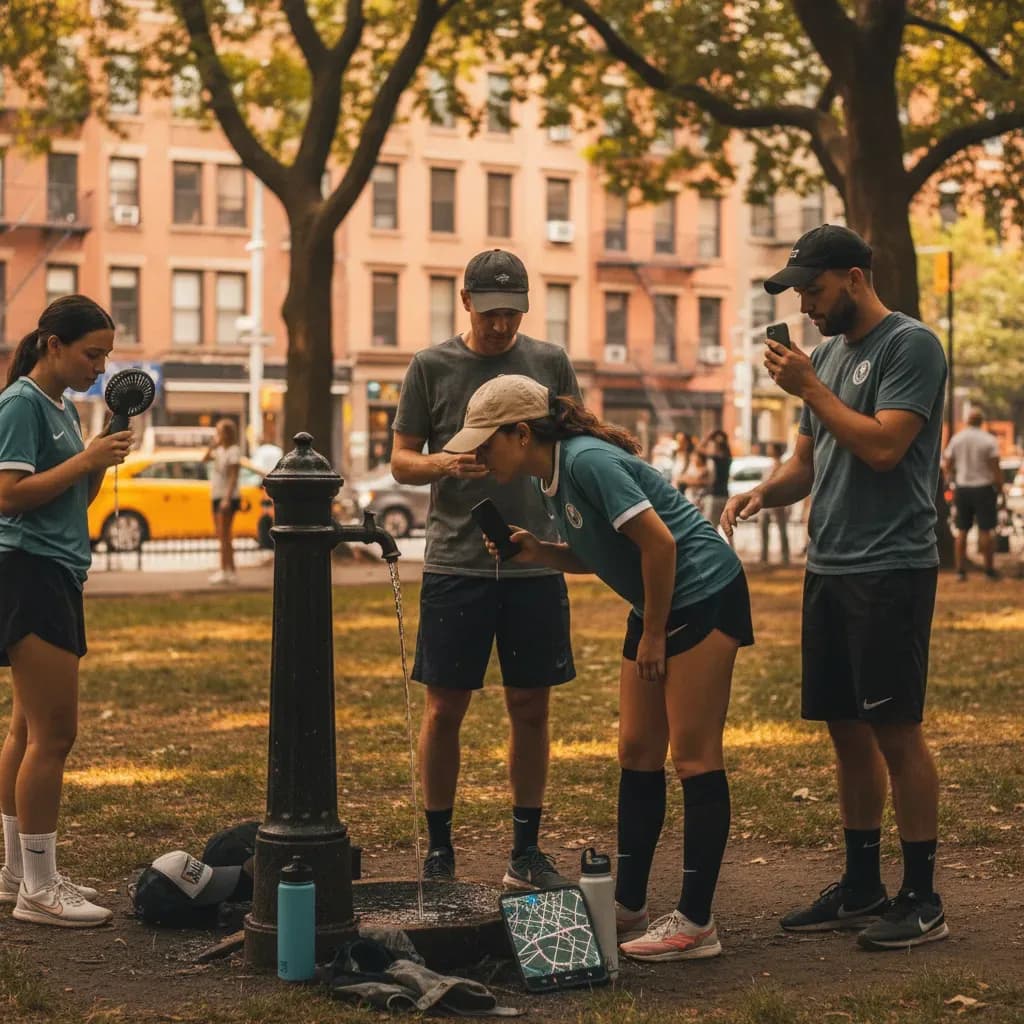
NYC Cooling Centers: Your Urban Oasis
For those spending time in New York City before or after the match, or if you're looking for a reprieve from the heat on a non-game day, NYC Emergency Management provides a vital resource: Cooling Centers. During heat emergencies, these designated public facilities – often libraries, community centers, or senior centers – offer air-conditioned spaces where residents and visitors can escape the heat.
The city also maintains its "Cool It! NYC" resources, which highlight public pools, spray showers, and other cooling options, particularly through NYC Parks. Before your trip, or even daily during the tournament, check the NYC Emergency Management website for an updated list of active cooling centers and their hours of operation. This information is usually readily available on the city's official website during heat advisories. Knowing the location of the nearest cooling center can be a game-changer for maintaining comfort and safety in the urban environment.
Utilizing these resources isn't just for locals; it's a smart strategy for any visitor. A few hours in a cool, air-conditioned environment can significantly reduce your risk of heat-related illness and allow you to fully enjoy the World Cup festivities.
Post-Match Wind-Down: Safe Departure
After the final whistle blows, the excitement will be high, but so too might be the temperatures. The mass exodus from MetLife Stadium can be crowded and slow-moving. Again, patience is key. Avoid rushing, which can elevate body temperature and increase the risk of dehydration.
Re-hydrate consistently. If you're heading back to NYC via NJ Transit, expect crowds and potentially longer waits for trains. Stay aware of your surroundings and continue to monitor your physical condition. If you feel unwell, don't hesitate to seek assistance from stadium personnel or transportation staff.
The 2026 FIFA World Cup final at MetLife Stadium promises to be an unforgettable event. By acknowledging the potential for extreme heat and implementing these practical, no-drama survival strategies, fans can ensure their focus remains on the beautiful game and the electric atmosphere, rather than battling the elements. Prioritize your well-being, stay informed, and prepare wisely for a truly world-class experience.
Sources consulted
All trademarks are the property of their respective owners.
Ask Karpo for more information.
Keep reading
- Haaland Has Seven Goals and Norway Runs Entirely Through Him
 World Cup Trophy Ceremony Timing Medals and Postmatch Celebrations
 Olise and France's Attack: The Semifinal Tactical Question