 Washington Heights Arepa Lunch Spot Picker for a Newcomer
Restaurants
Balthazar French Bistro Cafe in SoHo: Plan Ahead
Balthazar in SoHo (80 Spring Street) is a French bistro cafe for morning pastries and a long lunch; walk the block after your meal. Take your time.
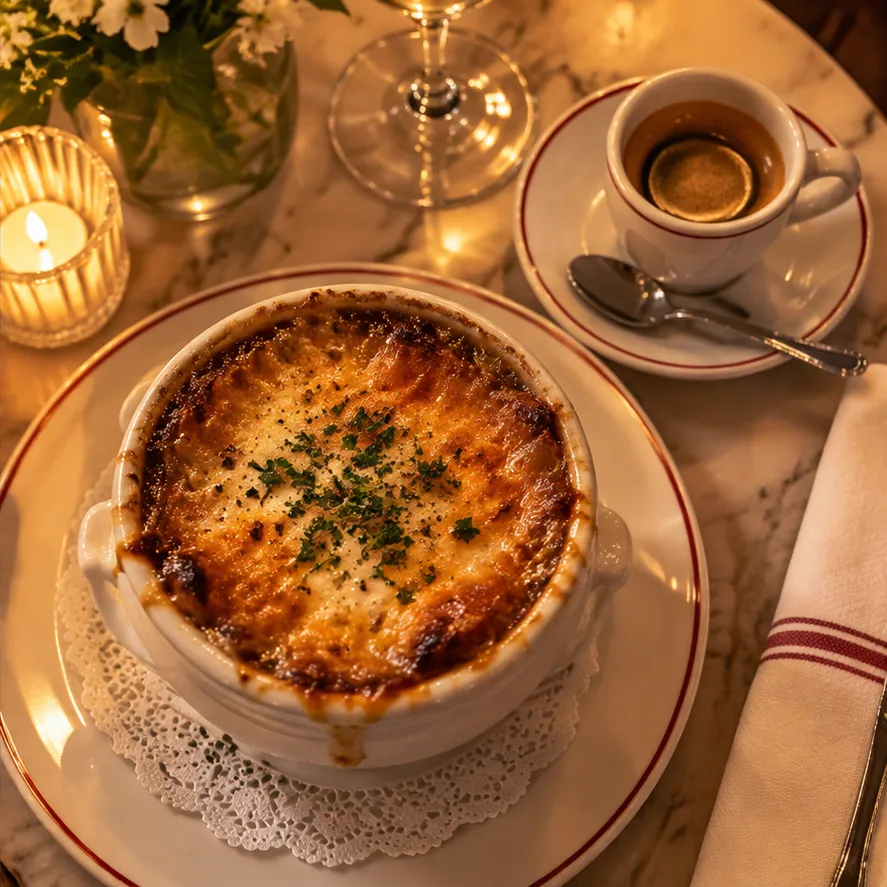
Balthazar earns its French bistro cafe label before lunch even begins. The bakery and dining room at 80 Spring Street, New York, NY 10012, make the address useful for two different visits: a morning pastry stop or a full table meal later in the day. The room is a grand, busy brasserie with a long bar, closely set tables, and enough movement to make a solo coffee feel normal. Keith McNally opened the restaurant in 1997, and the old-fashioned dining room still works because the service keeps the pace brisk without turning the meal into a sprint. Start by deciding whether you want bread and coffee, oysters and a drink, or a leisurely main course.
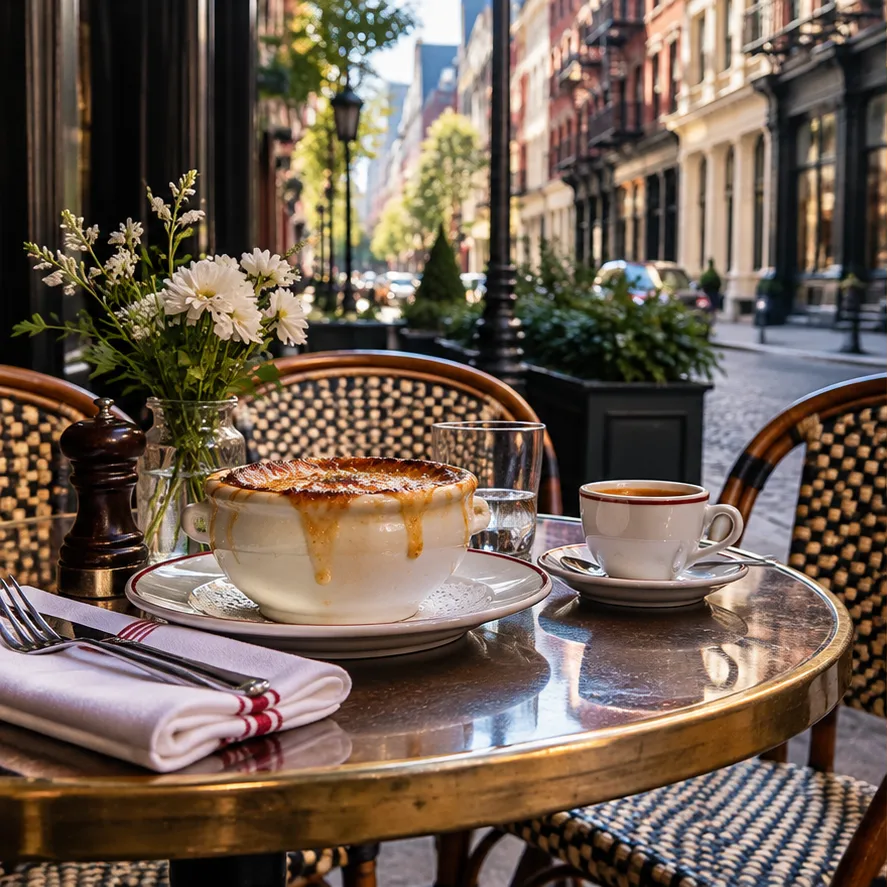
The morning bakery changes the way to approach Balthazar. A croissant, pain au chocolat, or loaf to take away lets you see the restaurant without committing to a long table service. At lunch, the menu shifts toward salads, eggs, shellfish, steak frites, and the French onion soup that gives the room its familiar aroma. The important planning detail is the entrance: the bakery activity and the dining-room host are part of the same lively street frontage, but they serve different rhythms. A quick pastry is easy to fit between SoHo errands; A seated meal deserves a clear block of time and a table choice made before the first round of drinks.
A bakery-led start in SoHo
For a first seated order, choose contrast instead of a parade of rich plates. A briny starter, a crisp salad, and one sauce-driven main show more of the kitchen than two similar braises. Steak frites is a sensible anchor when you want the brasserie classic; Oysters or a market fish give the table a lighter counterpoint. Leave space for a tarte or coffee if the meal is meant to end slowly. Balthazar is at its best when one diner asks about the daily preparation and the rest of the table follows that lead, rather than treating the menu like a checklist of every famous French dish.
The room rewards diners who notice its choreography. Regulars settle into banquettes, solo guests use the bar to keep the meal compact, and larger parties arrive with a reason to linger. Bread, water, and first drinks establish the tempo quickly, so tell the server if a show, train, or meeting gives you a hard departure. The restaurant is polished but not hushed; Conversation sits above the clatter of plates. That combination makes Balthazar a better fit for a celebratory lunch or date than for someone who needs a silent, ten-minute meal. Choose your seat with the evening you actually want in mind.
How to build the Balthazar order
Ordering etiquette is simple because the menu is built around finished dishes. Ask one focused question about a preparation, name an allergy before the order is fired, and avoid rebuilding a classic plate with a long list of substitutions. A shared starter lets the table understand the kitchen before committing to several mains. If the host gives a wait, use the surrounding SoHo blocks rather than standing directly in the doorway. The honest move is to keep the backup nearby: a coffee or glass of wine can occupy the gap, while crossing town for a replacement usually costs more time than the original queue.
The best walk after Balthazar starts west or south, where the cast-iron façades and narrow storefronts make SoHo feel different from the avenues. Use the address, 80 Spring Street, New York, NY 10012, as the anchor rather than trying to build a landmark tour. A short loop toward West Broadway gives you galleries and old loft buildings; A quieter return along side streets lets a heavy lunch settle. If you came for pastries, reverse the order and wander first, then return for coffee. The point is to let the restaurant sit inside a neighborhood plan instead of becoming the only stop.
Timing the brasserie room
Queue strategy depends on the kind of Balthazar visit you want. Morning bakery traffic is a different problem from a weekend brunch or dinner table. For a full meal, an earlier arrival or a weekday lunch usually gives the host more options than the peak evening wave. Solo diners can ask about the bar, while groups should arrive complete so the table is not held while people cross SoHo. If the quoted wait exceeds your available time, take the nearby walk and set a firm return point. A queue is manageable when it has an endpoint; It is frustrating when it quietly consumes the whole night.
One dish does not need to carry the meal simply because it is the restaurant's most photographed classic. If the table orders steak frites, balance it with something sharp or marine rather than another cream-heavy main. The same logic applies to dessert: a small pastry and coffee may finish the meal better than adding a final course after everyone is full. The room is generous with atmosphere, so you do not need to over-order to justify the trip. Choose one defining plate, one contrasting side or starter, and enough time to notice the service and the street outside.
A practical Spring Street plan
Use Karpo APP to save Balthazar with a short SoHo walk, then decide on the meal length before leaving your starting point. Keep the full address visible: 80 Spring Street, New York, NY 10012. A pastry run can fit before shopping; A seated lunch needs the table window; Dinner works best when the rest of the evening stays close. If rain or a late subway transfer changes the plan, keep a bakery or wine stop within the same few blocks. That is more useful than a distant backup because it preserves the neighborhood mood and gives the host a realistic chance to seat you later.
Balthazar is a strong choice for someone who wants the theater of a classic brasserie and is willing to let the meal occupy real time. It is less useful for a rushed traveler who needs guaranteed counter service or extensive customization. Bring a clear idea of what you want to taste, allow space for the room to set the pace, and use the bakery as an alternate entry point when a full table is not practical. The address works because it connects food, architecture, and movement: start with a pastry or a plate, then let SoHo supply the second half of the experience.
Ask Karpo for more information.
Keep reading
- Washington Heights Arepa Lunch Spot Picker for a Newcomer
 Williamsburg Arepa Lunch Spot Picker for Parents of Toddlers
 Lower East Side Arepa Lunch Spot Picker for Coeliac Friends