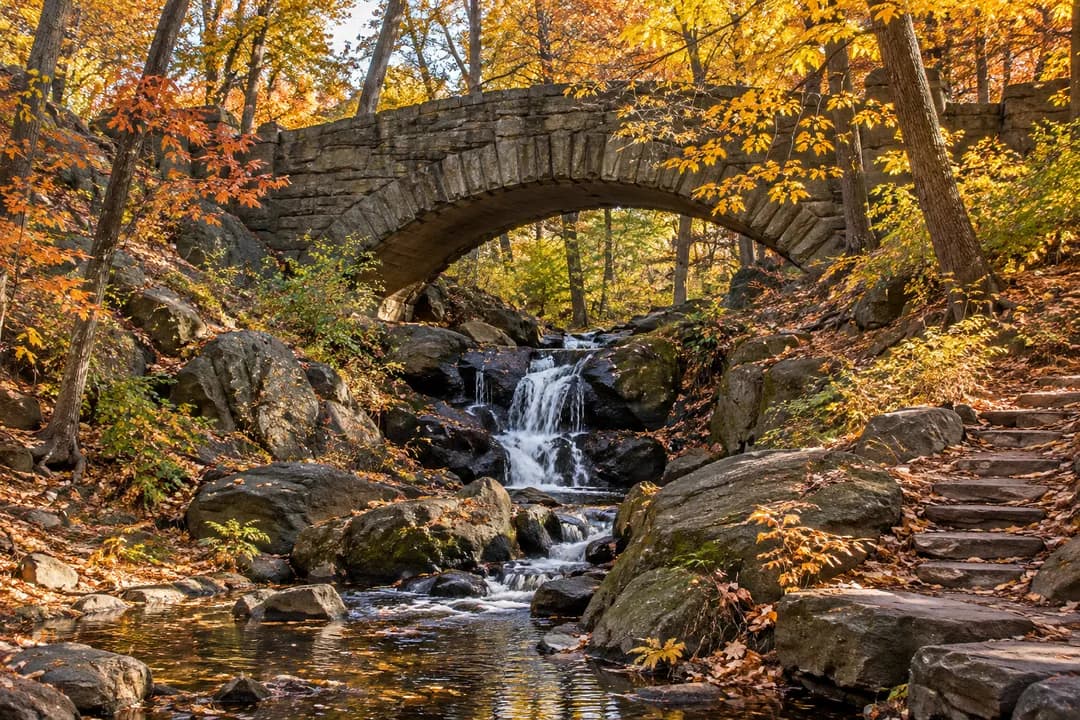
 Scenic Walking Trail Near Me: Central Park North Woods Ravine and Loch Walk
Free Things to Do
Free NYC Events This Month: Markets, Movies, and Festivals
Most free events in NYC cluster on weekends, fill fast, and require you to check same-day whether they're actually running.
The phrase 'free NYC events' pulls up everything from farmers' markets to outdoor film screenings to cultural festivals, and the only thing they share is that most disappear from the internet the moment they end. A listing that says 'every Saturday in June' might skip the third week for a private booking. A festival announced in April might move dates if it rains. The search gives you a starting point, not a plan you can rely on three days out.
Text Karpo before you leave to confirm which events are still open tonight, get a route that accounts for weekend service changes, and pull a backup plan if your first choice is at capacity.
Where the search term breaks down
What people actually want when they search this phrase splits three ways: markets where you can walk and eat without an entry fee, outdoor movies that don't require advance tickets, and neighborhood festivals that close streets and let you wander. All three exist across the city most weekends between May and October, and all three require the same verification step the morning you plan to go. Websites go stale. Permits get delayed. Weather changes everything.
Chinatown absorbs the overflow
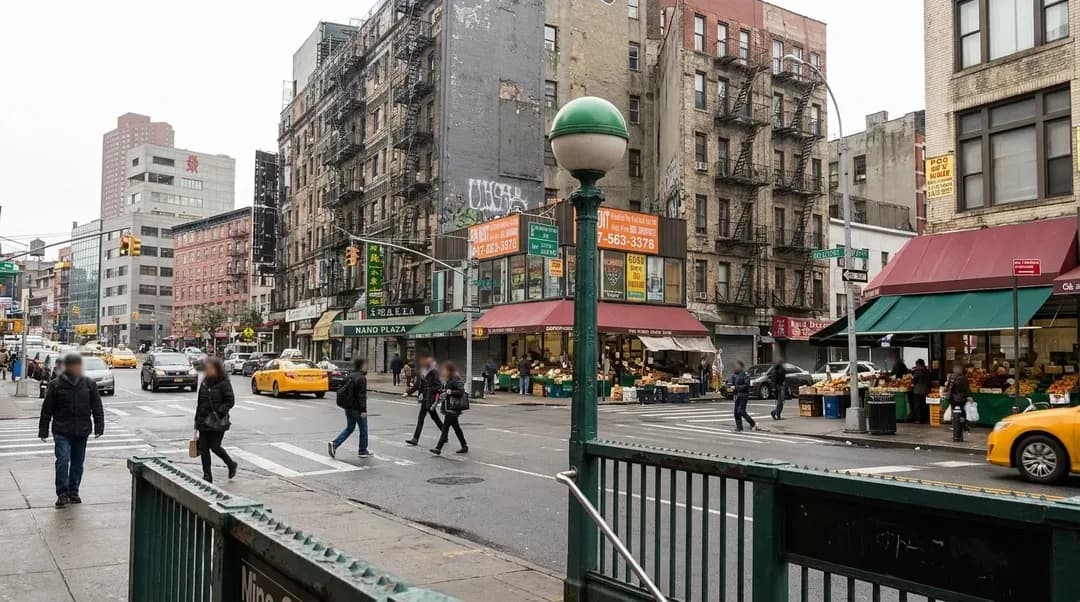
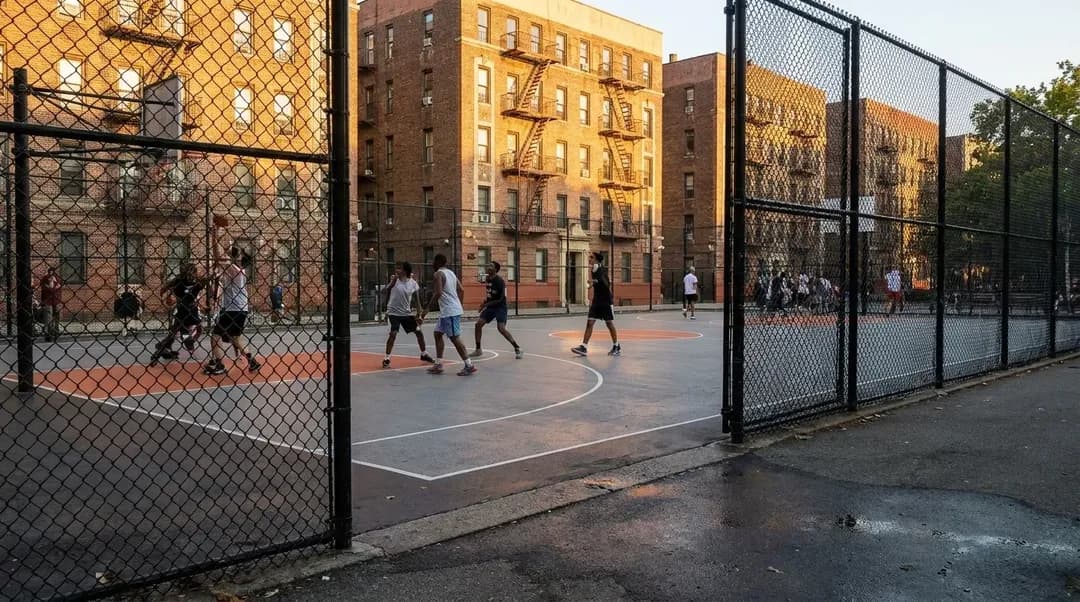
Chinatown sits at the intersection of four subway lines and pulls weekend crowds looking for markets, street fairs, and free screenings at Sara D. Roosevelt Park. The park runs north from Canal Street and hosts rotating vendor setups, especially near the Chrystie Street basketball courts, but the exact layout changes week to week depending on permits. If you arrive expecting a specific market and find an empty stretch of asphalt, walk two blocks north or south—the vendors often cluster near Hester or Delancey instead.
The neighborhood also benefits from spillover when bigger festivals elsewhere hit capacity. The Chinatown Lunar New Year parade is the obvious annual anchor, but smaller free events—dumpling-making demos, calligraphy workshops, outdoor film nights organized by local business groups—pop up on side streets from May through September. These rarely make it onto aggregator sites. You'll see sandwich boards on Bayard or Mott the day of, and if you don't speak Cantonese or Mandarin, you'll need to ask someone at a nearby shop what time things start.
The Grand Street subway stop on the B and D lines puts you two blocks from most of the action, but the transfer from the F at Broadway-Lafayette takes longer than the map suggests because you're walking underground nearly a full avenue. If you're coming from deeper Brooklyn or Queens, the walk from East Broadway on the F can be faster despite looking farther on paper. Late-night service changes on weekends often reroute the D, so confirm your route home before you go.
Timing determines whether you get in
Free outdoor movies in parks across the city—Bryant Park, Brooklyn Bridge Park, Central Park—operate on a first-come basis, and 'doors open' times mean almost nothing. People claim lawn space two hours early for popular screenings. If the listing says the movie starts at sunset, expect the lawn to be full by 7 p.m. in July. Bringing a blanket doesn't guarantee you a spot; it guarantees you'll have something to sit on if you arrive early enough.
Markets and street festivals have the opposite problem: they peak mid-morning and start packing up by 2 p.m., even if the posted hours say 4 p.m. Vendors at the weekend artists' market in Union Square begin breaking down their tents the moment foot traffic slows, usually around 1:30 p.m. The Smorgasburg food markets in Williamsburg and Prospect Park stay busy later, but the best vendors sell out of signature items by noon. Arriving at 3 p.m. leaves you with the stands that didn't draw lines, which is useful information in itself but not the experience most people search for.
Neighborhood festivals that close streets—the Ninth Avenue Food Festival, Atlantic Antic, Celebrate Brooklyn—fill sidewalks to the point where you can't move freely after 11 a.m. If your goal is to see what's there, go at 10 a.m. when vendors are still setting up and you can walk the full route in twenty minutes. If your goal is the crowd itself, the energy peaks between noon and 2 p.m., but you'll spend half your time standing still. The 4 train to Fulton Street for the Atlantic Antic gets so packed on festival day that people regularly wait for a second or third train to get on.
The quieter option costs you less time
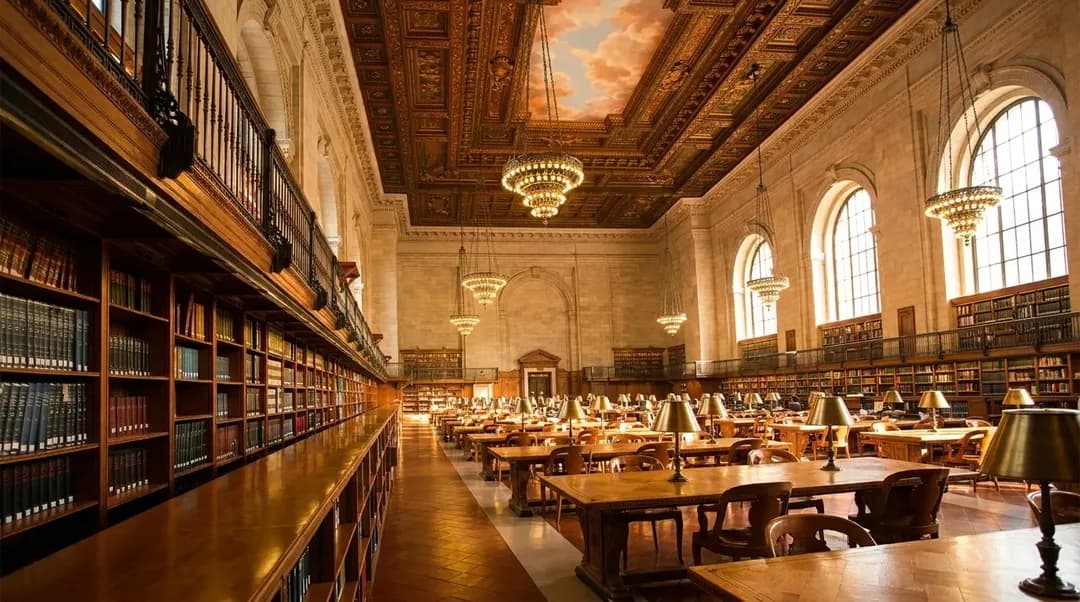
Free events at cultural institutions—museums with suggested-admission evenings, libraries hosting author talks, botanical gardens with free-entry windows—draw smaller crowds because they require more planning and the hours are narrow. The New York Public Library's main branch on Fifth Avenue hosts free exhibitions and talks most weeknights, and you'll rarely wait to get in. The same is true for the Bronx Museum of the Arts, which offers free admission all the time and has gallery space that never feels crowded even on Saturdays.
These events don't show up in the same search results as street fairs because they're not all-day, drop-in experiences. You need to know the schedule, and you need to arrive during a specific two-hour window. But the trade-off is reliability: if the museum's website says there's a talk at 6:30 p.m., it will happen at 6:30 p.m. No one is packing up early. No one is rerouting because of weather. You'll spend less time confirming and more time doing the thing you came for.
Brooklyn Botanic Garden offers free admission on Friday mornings and weekday mornings before noon during certain seasons—check their site for the current schedule. The crowd on a free morning is a fraction of what you'd find on a weekend afternoon, and the garden itself doesn't change. You're seeing the same plants, walking the same paths, and leaving without the shoulder-to-shoulder feeling that defines most free weekend events in the city.
Verify before you leave your apartment
Most free events in New York City are free because they're under-resourced, which means they're also under-documented. A festival website that looked current in April might not be updated in July. A park screening listed on a city calendar might be canceled the morning of because the projector broke, and the only notification will be a piece of paper taped to a park bench. If you're planning around a specific event and it's more than two days out, assume the details will change.
The best verification method is to call the venue or check the organization's own social media the day you're going. If it's a park event, look for the local park-friends group on Facebook or Instagram—they post updates faster than the Parks Department does. If it's a street festival, check whether the street is actually closed: the Department of Transportation's weekend closure map updates in real time and will tell you if the permit went through. If the festival isn't on the closure list the morning of, it's not happening.
For outdoor movies, the screening goes ahead unless it's raining at showtime, but 'raining' is subjective. A light drizzle usually means they'll start and stop halfway through. If the forecast shows any chance of rain after 7 p.m., have a backup. The same rule applies to markets: if it rained overnight and the ground is wet, some vendors won't set up even if the weather clears by morning. You can't know until you're there, which is why the best free events in the city are the ones that don't depend on a single day working out.
Practical notes
- Most outdoor events run May through October; winter listings are sparse and often indoors.
- Free movie screenings fill 90-120 minutes before showtime for popular titles; arrive early or pick a weeknight.
- Street festivals close nearby subway entrances without warning; check your exit before you go down.
- Markets start breaking down by 2 p.m. even if posted hours say later; go before noon.
- Weekend subway service changes reroute lines constantly; confirm your route home same-day.
- If the event requires a permit, check the city's weekend street closure map the morning of to confirm it's happening.
Tags: #karpo #nycevents #freenyc #thingstodonyc #nycmarkets #outdoormovies #nycfestivals #chinatownnyc #freethingstodo #nycweekend #brooklynevents #nycparks #newyorkcity #nyclife #localnnyc
Sources consulted: NYC Parks Events · NYC Department of Transportation Street Closures · New York Public Library Events
All trademarks are the property of their respective owners.
Ask Karpo first
Text Karpo the morning of to confirm which free events are actually running today, get a route that avoids subway lines with weekend changes, and pull a backup plan in a nearby neighborhood if your first choice is canceled or at capacity. Karpo checks current status and gives you a realistic travel time, not the schedule from last month.
Ask Karpo for more information.
Keep reading
- Scenic Walking Trail Near Me: Central Park North Woods Ravine and Loch Walk
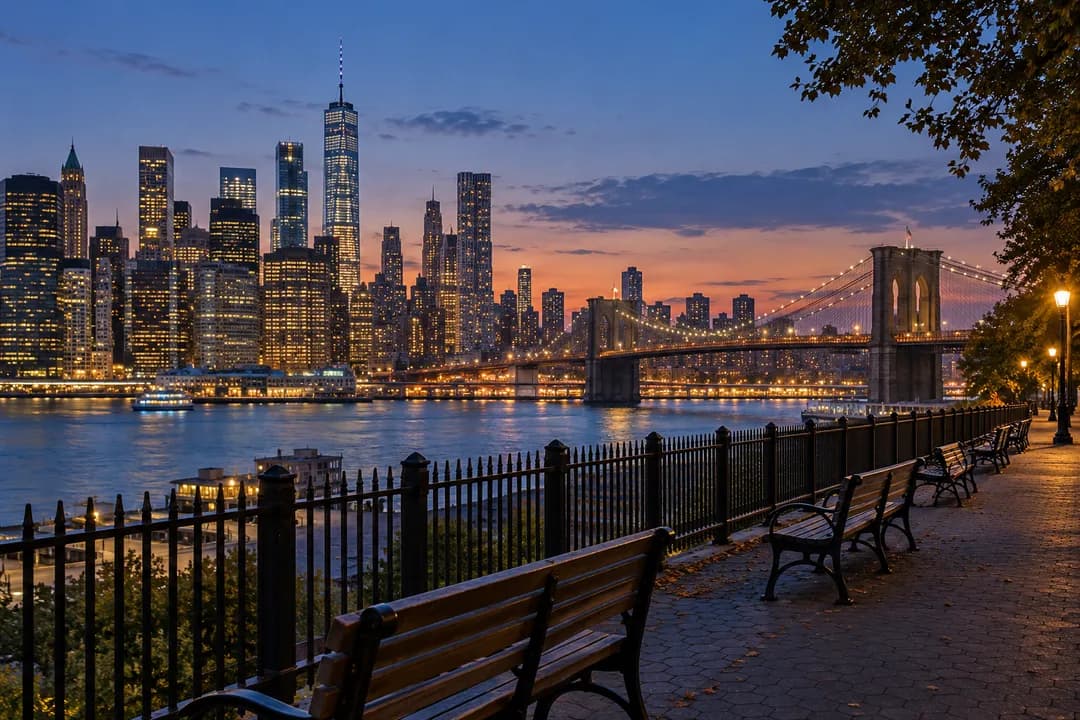 Scenic Viewpoint Near Me: Brooklyn Heights Promenade at Sunset
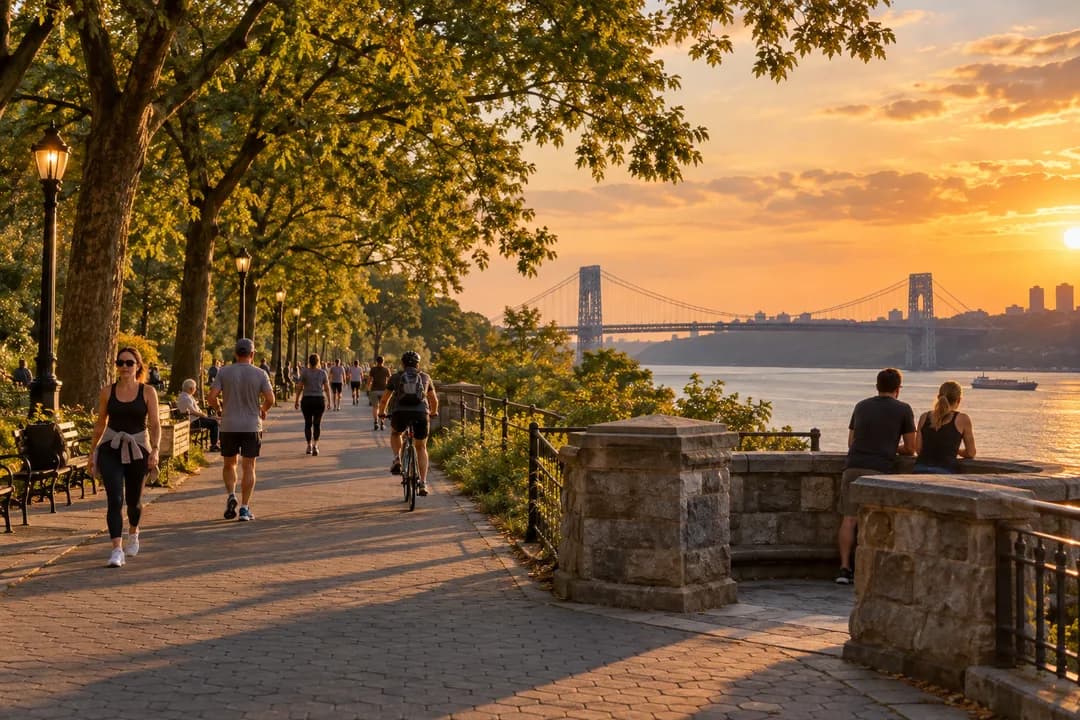 Scenic Viewpoint Near Me: Riverside Park Hudson River Walk