 Washington Heights Arepa Lunch Spot Picker for a Newcomer
Restaurants
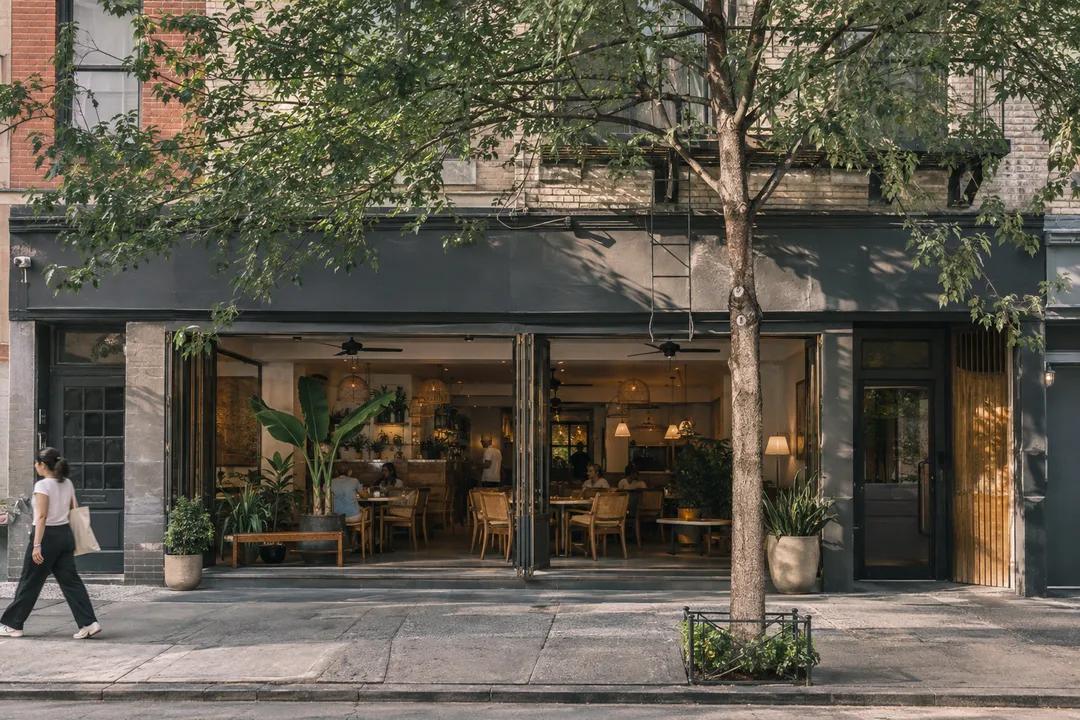
Filipino Restaurant Near Me in the East Village: Tradisyon's Modern Classics
An East Village guide to Tradisyon, a Filipino restaurant pairing adobo, sisig, and ube desserts with a compact downtown dining-room rhythm.
Tradisyon is a strong answer for anyone searching Filipino restaurant near me and wanting a downtown meal that respects familiar dishes while giving them a modern New York setting. Near 168 Orchard Street, the restaurant is close enough to the East Village and Lower East Side nightlife to work as a pre-show dinner, but the menu has enough depth for a full evening. Expect bright sauces, careful plating, and comfort food that still tastes like comfort.
The closest approach is on foot from the F, J, M, or Z trains, with the walk through Orchard Street's shops and bars setting the pace. Reservations help on Friday and Saturday, but early walk-ins can work for two. The dining room is small, so arrive with a realistic idea of how long you want to stay. Tradisyon rewards lingering, especially when the table orders several plates rather than one entree each.
The restaurant's difference is not simply presentation. It uses the familiar Filipino balance of salty, sweet, sour, and aromatic flavors, then lets each plate carry a cleaner focus. That means a diner can taste the vinegar in an adobo or the citrus beside sisig rather than receiving one undifferentiated rich sauce. The menu is approachable to a first-timer but still gives regular Filipino diners enough detail to explore.
Start with lumpia or a seasonal fried snack, usually $12 to $15. The point is texture, so eat it soon after it lands and use the accompanying sauce sparingly. Pork sisig is often in the $18 to $21 range, with crisp edges and a citrus finish that makes it ideal for sharing. If there is a raw or lightly dressed seafood special, ask how spicy it is before ordering it as the table's only bright dish.
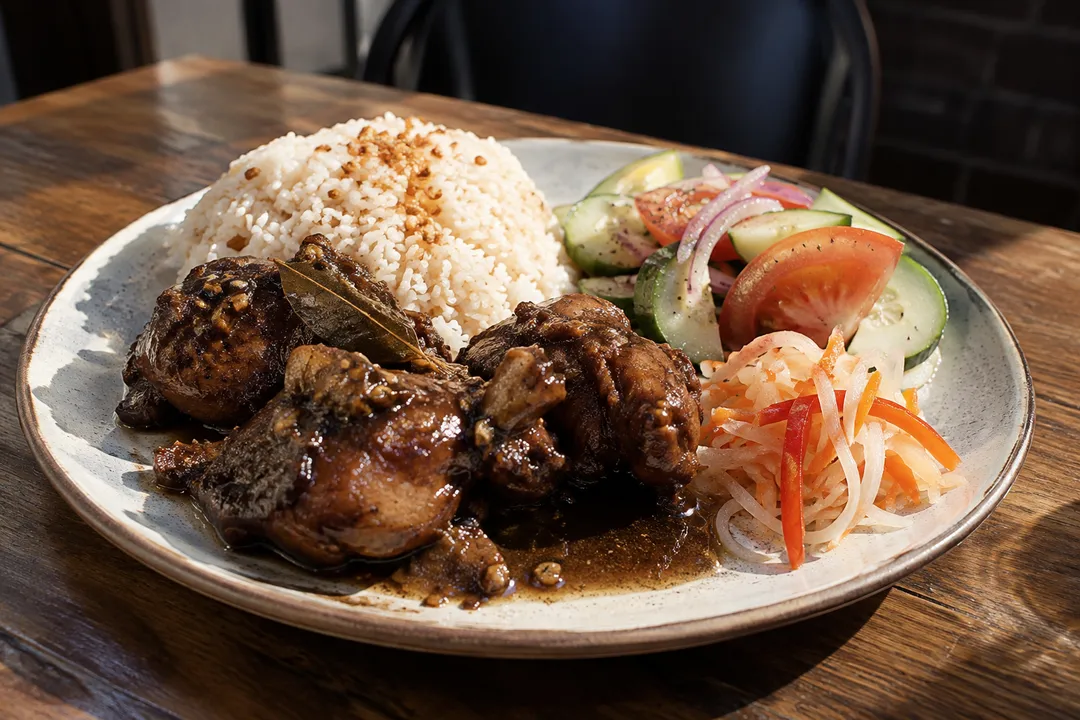
Chicken or pork adobo is the anchor, generally $22 to $26 depending on the cut and preparation. The best bite includes rice, sauce, and something pickled, so order a vegetable side rather than adding another rich plate. Kare-kare, when present, is the order for peanut-sauce fans, but it needs time and space on the table. Tradisyon's portions are built for sharing, not for every diner to receive an isolated bowl.
A vegetable dish can be the difference between a balanced meal and a heavy one. Look for grilled greens, eggplant, or a coconut-based preparation in the $14 to $18 range. Filipino cooking has many ways to make vegetables substantial, especially with garlic, shrimp paste, vinegar, or toasted nuts. Tell the staff about dietary restrictions because a dish that looks vegetarian may still depend on fish sauce or seafood seasoning.
Drinks lean naturally toward the food's tropical and acidic side. A calamansi cooler, Filipino beer, or a rum-based cocktail can cut through fried starters. Dessert may include ube cake, flan, or a coconut dessert around $10 to $13. Ube is sweet and fragrant, so sharing one dessert with coffee or a lightly bitter drink is usually more satisfying than ordering two sugary finishes.
The queue is most noticeable around the evening theater and bar crowd. Arrive between 5 and 6 p.m. for the calmest service, or make a reservation for a table larger than two. If you are waiting, do not block the narrow entrance. The host can often seat a pair at the bar or a counter position sooner than a full table. Ask about the kitchen's pacing if you are trying to make a show.
Tradisyon's house rules are ordinary but important: let the kitchen explain shared plates, keep sauces on the table, and mention spice preferences early. The staff can often adjust the rhythm more easily than the ingredients. Large groups should decide whether they want family-style service before ordering. This prevents six dishes from landing together and gives the room enough space for rice, drinks, and the plates that matter.
The room combines warm wood, soft light, and close tables with the visual polish of a downtown restaurant. It is intimate without being precious. A corner table is best for conversation, while the bar gives solo diners a view of the pass. As the night gets later, the room becomes livelier, but the early service has a quieter cadence that lets the aromatic details of each dish stand out.
Tradisyon takes its name from tradition, but the interesting question is which traditions it chooses to carry. The menu keeps the structure of Filipino meals while making room for New York ingredients, seasonal changes, and a restaurant format built around small plates. That is why the place works as an introduction: the food does not hide its roots, yet the ordering style feels familiar to anyone used to sharing downtown.
Make the neighborhood part of the plan. Walk Orchard Street before dinner, turn toward the Lower East Side's small galleries, and use the meal as a midpoint rather than the final destination. After dessert, head toward Tompkins Square Park or a nearby music room. Tradisyon's location is convenient for an evening where food, a drink, and a little wandering are all part of the same itinerary.
Practical notes: ask about nuts, shellfish, fish sauce, shrimp paste, and gluten in sauces. Seating is close and the entrance can be narrow, so bulky luggage is inconvenient. Cards are the practical default, and reservations are recommended for weekend groups. A subway ride is easier than parking. The casual dress code suits the neighborhood, but clean, neat clothes help if dinner continues to a performance.
Tradisyon is best for diners who want recognizable Filipino flavors with a polished, shareable presentation. Begin with lumpia, sisig, adobo, one vegetable dish, rice, and a calamansi drink. First-timers will get a clear map of the cuisine, while returning diners can follow the seasonal specials. The restaurant rewards a slower meal, so leave enough time to order dessert and take the East Village at an unhurried pace. The final practical choice is how much to order at once. Tradisyon's sauces and textures are most expressive when the table eats them in sequence, so start with fewer plates and add one after the first round. That approach also leaves room for the kitchen to explain a special, keeps the table comfortable, and makes the meal feel intentional instead of crowded.
Ask Karpo for more information.
Keep reading
- Washington Heights Arepa Lunch Spot Picker for a Newcomer
 Williamsburg Arepa Lunch Spot Picker for Parents of Toddlers
 Lower East Side Arepa Lunch Spot Picker for Coeliac Friends