 Washington Heights Arepa Lunch Spot Picker for a Newcomer
Restaurants
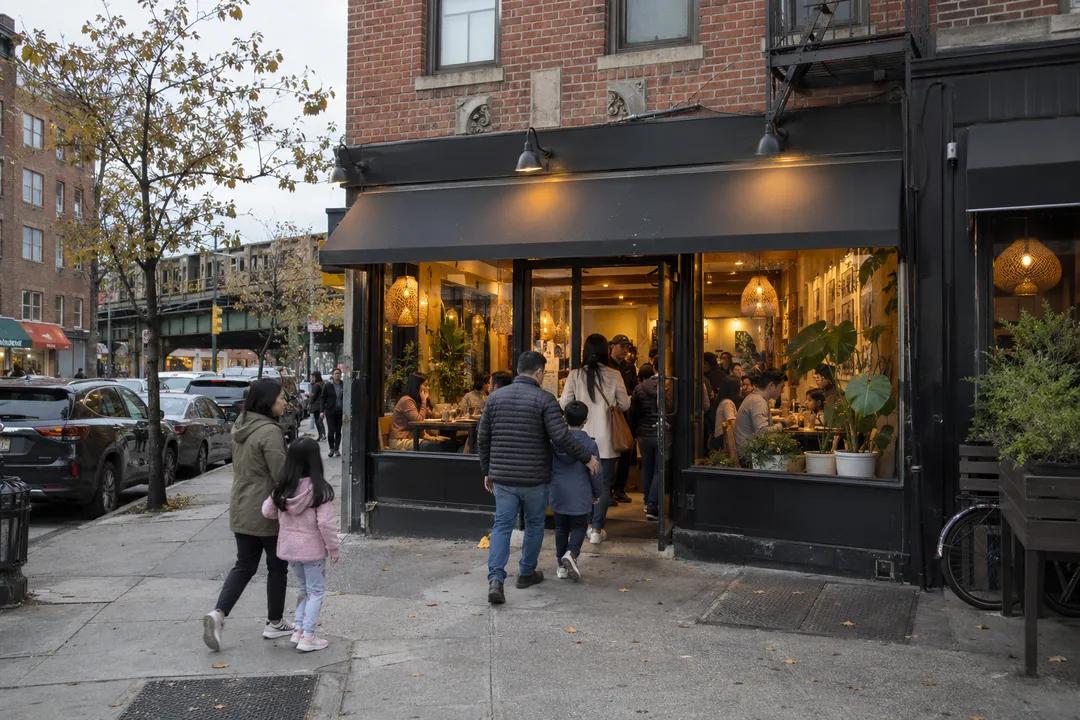
Filipino Restaurant Near Me in Woodside: Ihawan's Kamayan Feast
A Woodside guide to Ihawan, a long-running Filipino dining room known for grilled meats, sour soups, and shareable kamayan-style meals.
Woodside is one of the easiest places in New York to answer the search for a Filipino restaurant near me, and Ihawan remains a dependable reason to take the 7 train west. At 40-06 70th Street, the restaurant is built around food that arrives in generous plates: grilled pork, sour soups, fried snacks, rice, and the kind of sauces that make a table keep reaching. The mood is family-style even when the group is small.
The 69th Street station is a few blocks away, and the walk along Roosevelt Avenue is part of the experience. Come with room in your schedule because the neighborhood is full of bakeries, grocery counters, and Filipino sweets worth browsing before or after dinner. Ihawan's frontage is easy to miss when the block is busy, so use the cross streets rather than relying only on a storefront glance. Driving is possible, but subway travel avoids the hardest parking decisions.
Ihawan's appeal is not a minimalist interpretation of Filipino cooking. It is a broad, comforting menu designed for a table that wants options. Grilled food brings smoke, sinigang supplies a sour counterpoint, and fried plates give everyone a crisp bite between spoonfuls of rice. The ordering strategy is to choose contrasts. A table that orders only rich pork will miss why the menu works so well with something brothy and bright beside it.
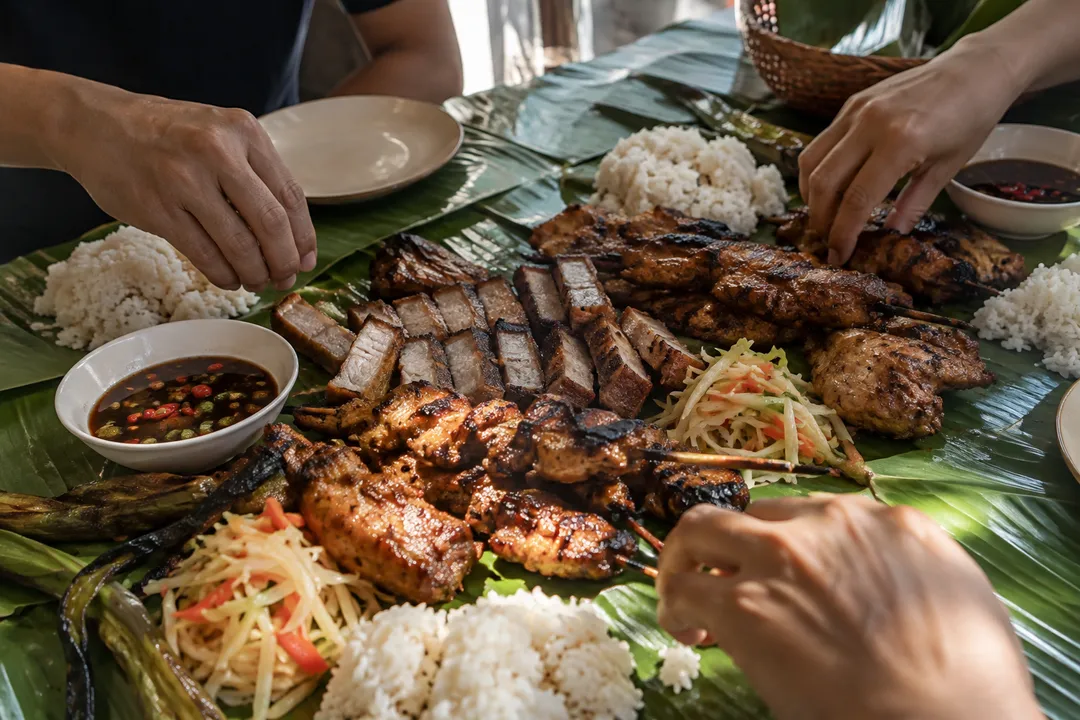
The pork barbecue skewers, usually around $15, are the first order for many regulars. The meat carries a sweet-savory glaze and charred edges, and the small sticks make sharing easy. Keep the vinegar dip close instead of treating it as decoration. A bite of pork with rice, pickled vegetables, and a little vinegar has more range than the skewer alone. Two orders are enough for four people when several other dishes are coming.
Lechon kawali, often about $18, is the richer centerpiece. The fried pork belly should arrive with crisp corners and a tender middle, usually paired with a sharp sauce that cuts through the fat. Sinigang is the ideal companion, with pork or seafood simmered in a sour broth that tastes especially good after the fried plate. Expect a bowl in the $17 to $22 range depending on the protein, and ask how tangy the kitchen is serving it.
Ihawan is also a place for grilled seafood and chicken. A whole grilled fish or chicken barbecue plate can anchor a larger order, while pancit gives the table noodles and vegetables without another heavy sauce. If the menu offers a mixed grill, ask what portion is best for the number of diners. The restaurant's portions are generous, so a group of four can often start with three mains, one noodle dish, and two rice orders.
Save room for halo-halo, which is usually around $8. The dessert's shaved ice, milk, beans, fruit, jellies, and ube create a texture puzzle that is more refreshing than its ingredient list suggests. It is best shared after the savory food has settled. If you want something simpler, a Filipino bottled drink or calamansi-based refresher gives the meal a clean finish without adding another large course.
The dining room fills fastest on weekend evenings and around family celebrations. A walk-in pair can improve its odds by arriving before 6 p.m. or later than 8:30 p.m. Large groups should call ahead, especially if they want a long table or a kamayan-style spread. The restaurant may need extra time to arrange a feast, so treat the setup as part of dinner rather than expecting every plate to land immediately.
There are a few quiet rules that make Ihawan smoother. Share the food, keep hot plates in the middle, and do not be shy about requesting extra rice or sauce when the table needs it. If you are eating kamayan-style, wash or sanitize your hands first and follow the staff's lead. Utensils are available, so the tradition is an invitation, not a test. Ask before adding a very spicy sauce to every dish.
Ihawan feels lived-in rather than staged. Tables are close, conversation travels, and the grill-heavy menu means the room can smell like smoke and caramelized meat before the food reaches you. That is part of the charm. The restaurant works for a relaxed family dinner, a group introducing friends to Filipino food, or a solo diner who wants leftovers. It is not the spot for a silent, rapid lunch.
The name Ihawan refers to a grill or grilling place, and the cooking makes that promise clear. Grilling is treated as a social format: skewers, seafood, chicken, and pork are all better when passed around. The menu also shows how Filipino meals balance smoke with sourness, pickles, and rice. That combination is why a meal here can feel both celebratory and practical.
Build a Woodside walk around dinner. Start at the 69th Street station, browse Roosevelt Avenue, and continue toward the Filipino grocery shops and bakeries around 70th Street. After Ihawan, pick up a small pastry or walk toward Queens Boulevard to see the neighborhood's changing storefronts. The route is easy on foot, and the meal gives you enough leftovers to make the next day's lunch feel planned.
Practical notes: check the current hours before traveling because service can shift around holidays and private gatherings. The restaurant accepts common cards, but a backup payment method is sensible for a busy counter. Ask about shellfish, soy, and fish sauce, since those ingredients appear across the menu. Street parking can take patience. Subway access is the more predictable option, and the entrance is at sidewalk level.
Ihawan suits anyone who wants a generous, social Filipino meal with strong grilled flavors. First-timers should order pork barbecue, sinigang, lechon kawali, rice, and halo-halo for the clearest introduction. Vegetarians should ask what vegetable plates are available before ordering because the menu leans heavily toward meat and seafood. Come with two or more people if you want the full range of contrasts. The best visit leaves room for leftovers. Grilled pork keeps its character on the ride home, sinigang reheats gently, and halo-halo should be eaten immediately rather than saved. That mix of dine-in pleasure and practical takeout is part of Ihawan's appeal. You can celebrate at the table, then let the extra rice and meat become tomorrow's easy meal.
Ask Karpo for more information.
Keep reading
- Washington Heights Arepa Lunch Spot Picker for a Newcomer
 Williamsburg Arepa Lunch Spot Picker for Parents of Toddlers
 Lower East Side Arepa Lunch Spot Picker for Coeliac Friends