 Washington Heights Arepa Lunch Spot Picker for a Newcomer
Restaurants
Ethiopian Restaurant Near Me in the East Village: Awash Dining Guide
An East Village guide to Awash, the long-running Ethiopian restaurant on East 6th Street known for simmered doro wat, kitfo, and generous communal injera platters.
When hungry diners search for an authentic Ethiopian restaurant near me while navigating Lower Manhattan, Awash on East 6th Street stands out as a true neighborhood anchor. Established in the East Village decades ago, this inviting dining room preserves the intimate warmth of traditional East African hospitality amid downtown Manhattan's ever-changing culinary landscape. From the moment you step through the wooden entryway, fragrant aromas of roasting berbere chilis, clarified garlic butter, and freshly brewed cardamom coffee envelop the room, transporting visitors straight into the heart of authentic Ethiopian home cooking.
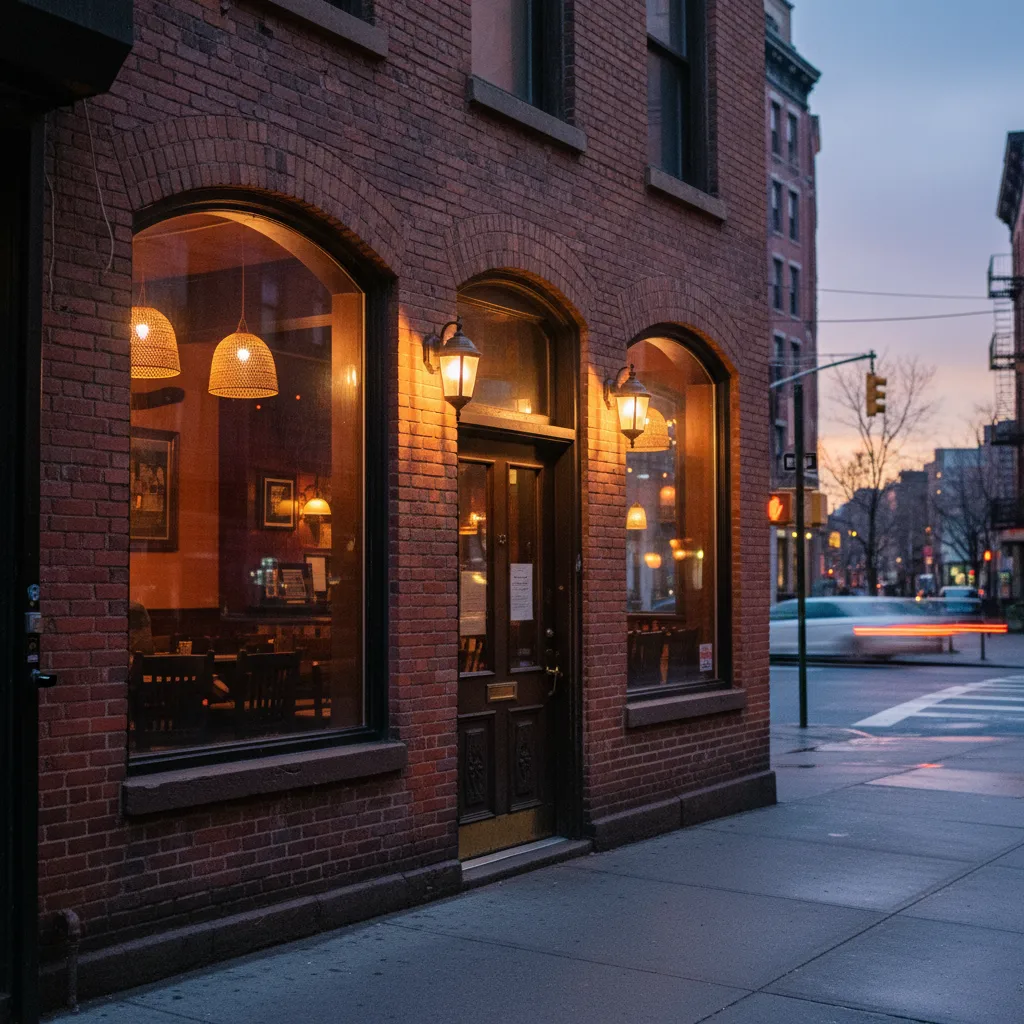
Finding your way to the restaurant is straightforward whether you arrive by foot, bicycle, or public transit. Awash occupies 338 East 6th Street between First and Second Avenues, placing it a quick six-minute stroll from the Astor Place subway station on the 6 train or the 2nd Avenue station on the F line. Visitors traveling across town can also take the M15 Select Bus Service along Second Avenue, getting off right around the corner on East 6th Street, where quiet tree-shaded residential brownstones frame the entrance.
What distinguishes Awash from typical Ethiopian establishments in New York is its unswerving commitment to slow, traditional simmering. The kitchen relies on custom berbere spice blends flown in directly from Addis Ababa, giving each slow-cooked stew a remarkably complex, aromatic depth rather than aggressive, flat chili heat. Every pot of stew bubbles gently on low flame for hours, allowing the earthy nuances of dried ginger, wild rue, and korarima cardamom to infuse deeply into tender meats and organic heirloom legumes without any shortcuts.
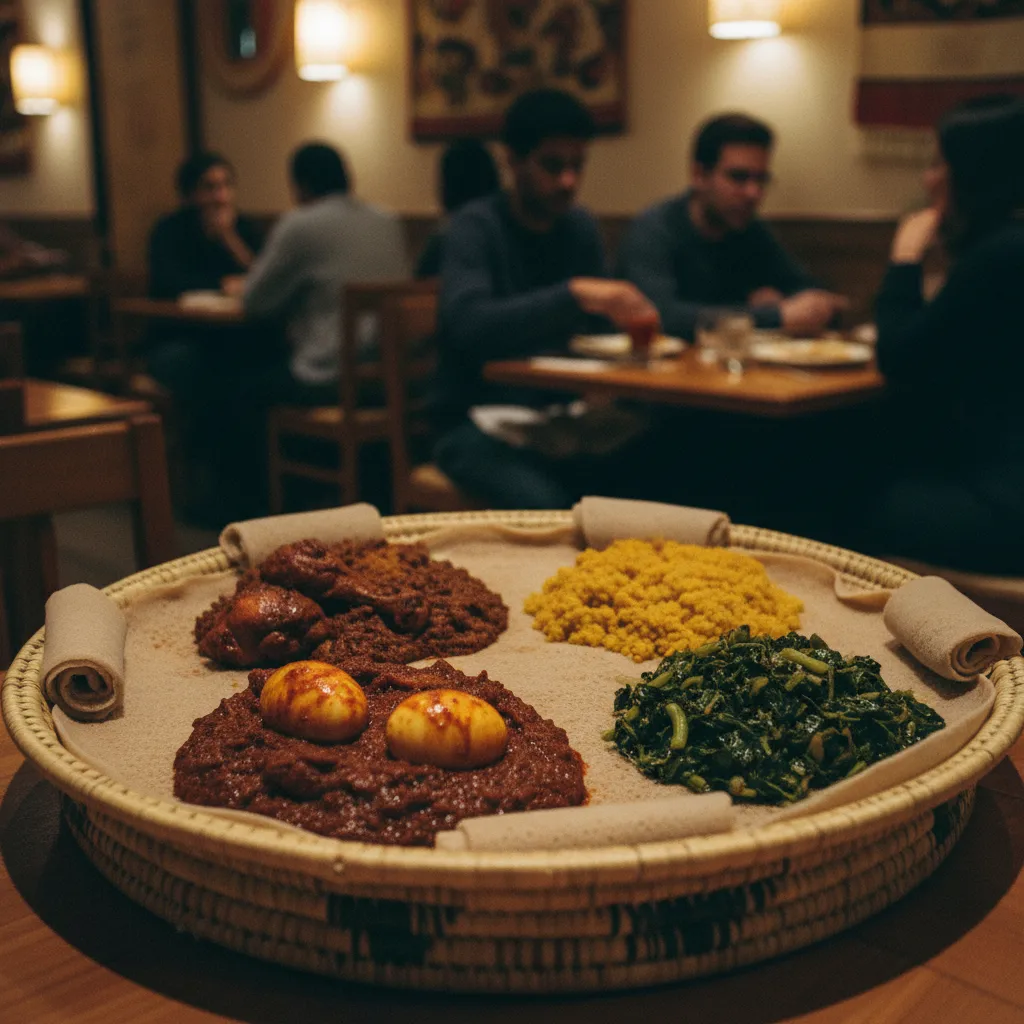
The undisputed centerpiece of the meat offerings is their legendary Doro Wat, priced at twenty-four dollars. This tender chicken drumstick braises for hours in rich spiced clarified niter kibbeh butter and red pepper sauce until the meat yields effortlessly from the bone, accompanied by a traditional hard-boiled egg soaked in savory juices. The luscious, dark mahogany sauce carries a velvety richness that balances sharp piquancy with gentle sweetness from slow-caramelized red onions, making it the benchmark against which all other local poultry stews are measured.
Adventurous carnivores frequently order the classic Kitfo for twenty-two dollars, prepared with finely minced lean beef warmed gently with herbal mitmita chili powder and seasoned butter. Guests can request it lebleb, meaning lightly warmed through, or raw in the authentic gurage style, paired with mild ayib cottage cheese and collard greens. The contrast between the fiery bird's eye chili heat of the mitmita and the cooling, velvety texture of the fresh curd cheese creates an addictive harmony that melts luxuriously on the tongue.
Vegetarian diners enjoy an equally rich feast by ordering the comprehensive vegetarian combo platter for twenty-one dollars per person. It arrives loaded with misir wat featuring spicy red split lentils, kik alicha made from mild yellow peas, gomen collards, and fresh cabbage salad simmered with turmeric and garlic. Each legume preparation occupies its own distinct section on the injera canvas, creating a vibrant kaleidoscope of ruby reds, golden yellows, and emerald greens that guarantees complete plant-based satisfaction without sacrificing an ounce of flavor.
To accompany the rich communal platter, order a chilled carafe of house-made tej honey wine for nine dollars a glass. The gentle natural sweetness and floral fermented honey notes cut cleanly through the robust heat of the berbere spices, balancing the palate between hearty bites of warm injera flatbread. Guests who prefer beer can choose from imported Ethiopian St. George lager for eight dollars or crisp local craft ciders, while those seeking a soothing non-alcoholic finish often choose traditional spiced herbal tea.
Dining at Awash follows classic Ethiopian communal custom where food is meant to be shared from a single central round platter lined with teff sourdough injera. Silverware is available upon request, but the traditional technique involves tearing small pieces of injera with your right hand to neatly wrap portions of savory stew. Sharing from one common plate fosters an intimate bond among companions, celebrating the cultural tradition of gursha where hosts affectionately feed choice morsels directly to their dining partners.
Timing your arrival helps you secure the most comfortable tables without enduring an extended wait on the sidewalk. Peak dinner rushes surge between seven and eight-thirty on Friday and Saturday nights, so visiting around five in the afternoon or after nine at night guarantees immediate seating in the cozy dining room. Weekday lunches and early Sunday suppers are particularly relaxed, allowing guests to savor their meals in a quiet, unhurried atmosphere while watching neighborhood life drift past the front windows.
Table reservations are easily arranged by calling ahead during afternoon hours or booking online for groups of four or more. Solo diners and walk-in couples frequently find comfortable seating along the banquette tables near the front windows, where street lamps illuminate quiet East 6th Street as the evening deepens. The staff handles seatings with practiced grace, efficiently accommodating larger celebratory parties around circular communal tables while maintaining romantic intimacy for couples enjoying quiet anniversary dinners.
Inside Awash, the ambiance strikes a balance between low-lit bohemian East Village charm and traditional Ethiopian heritage. Warm ochre walls showcase woven mesob wicker baskets, framed historic photographs, and hand-loomed textiles, all bathed in soft amber candlelight that encourages long, leisurely conversations over shared plates. A subtle backdrop of vintage Ethio-jazz melodies by artists like Mulatu Astatke floats gently through the dining room, providing a soulful and authentic sonic atmosphere that matches the kitchen's timeless recipes.
Named after the historic Awash River that winds across central Ethiopia, the restaurant opened in the mid-1990s as a family enterprise dedicated to authentic home cooking. Over thirty years of continuous service, the founding family has welcomed generations of neighborhood regulars, artists, and homesick diaspora communities seeking authentic comforting flavors. Through decades of changing trends, real estate developments, and economic shifts across Lower Manhattan, Awash has remained steadfastly true to its roots, serving as a beacon of cultural culinary preservation.
Before or after your dinner, take advantage of the rich bohemian cultural heritage surrounding East 6th Street. You can browse vinyl records at nearby independent music shops along Avenue A, stroll through Tompkins Square Park two blocks east, or grab an espresso at an antique neighborhood cafe on St. Marks Place. The surrounding blocks feature an eclectic mix of vintage clothing boutiques, independent bookstores, and historic community gardens that reward leisurely foot exploration in any season.
For practical planning, keep in mind that Awash accepts all major credit cards and Apple Pay alongside cash. Metered street parking along Second Avenue is notoriously scarce, making taxis or subway transit strongly advisable, and the ground-floor dining room entrance provides level access from the street sidewalk. High chairs are available for families traveling with young children, and the attentive waitstaff is exceptionally knowledgeable about assisting guests with severe gluten or dairy dietary requirements.
Ask Karpo for more information.
Keep reading
- Washington Heights Arepa Lunch Spot Picker for a Newcomer
 Williamsburg Arepa Lunch Spot Picker for Parents of Toddlers
 Lower East Side Arepa Lunch Spot Picker for Coeliac Friends