 Scenic Walking Trail Near Me: Central Park North Woods Ravine and Loch Walk
Free Things to Do
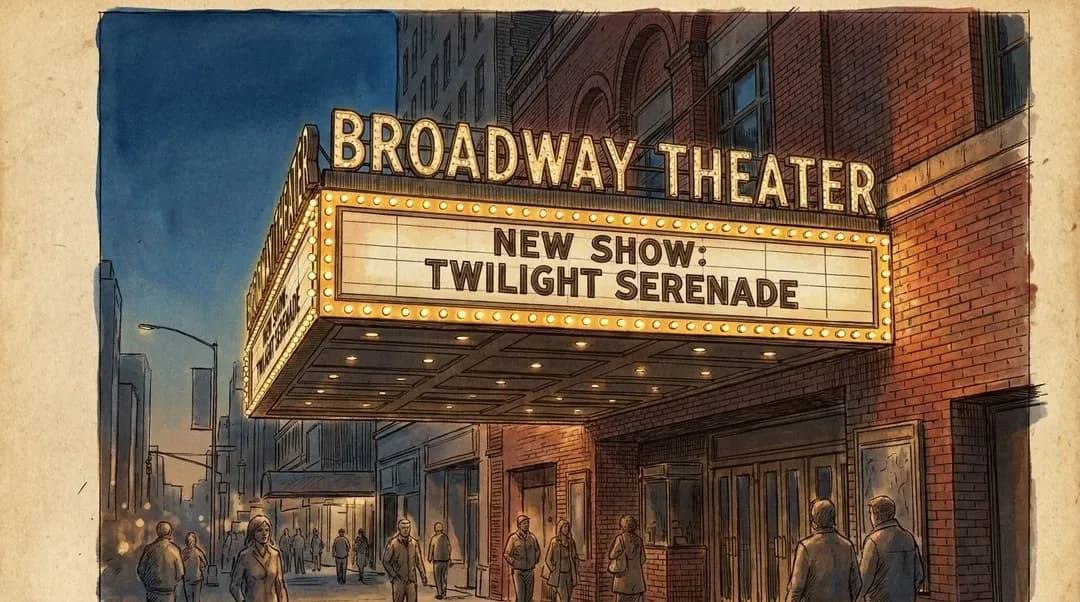
Broadway Rush Tickets: The Cheapest Ways to See Hit Shows
Rush tickets, lotteries, and standing room put Broadway within reach if you know which lines open when and where to wait.
A Tuesday matinee at the Booth Theatre costs $189 in the mezzanine. The same seat, released as a rush ticket at 10 a.m., goes for $45. Rush tickets are unsold inventory released the morning of the performance, sold first-come at the box office. Digital lotteries open two days ahead and close the morning of the show; you enter online, get a text if you win, and pay $35 to $50 per ticket. Standing room appears only when a performance sells out completely—orchestra rear rail, $40, cash often required, released two hours before curtain.
Text Karpo right now for live subway timing to the Theater District, same-day lottery reminders for the show you want, and a backup plan if the line is already too long when you arrive.
Rush, Lottery, and Standing Room Explained
Broadway shows set their own policies. Some offer all three options. Some skip rush entirely and run lottery only. A handful do neither. The TodayTix app consolidates most digital lotteries in one interface, though some productions still use their own dedicated lottery page. Check both. Rush requires you to arrive in person; the box office opens between 10 a.m. and noon depending on the theater. Lines form earlier. On a Saturday in December, people queue for Hamilton rush outside the Richard Rodgers Theatre by 7 a.m. for a noon box office opening.
Broadway shows rotate in and out. A production that offered $40 rush last season may not this season. Verify current policy on the show's official site or the theater's box office page before you plan your morning. The Shubert, Nederlander, and Jujamcyn chains each maintain a rush-and-lottery page listing what their theaters offer today.
Theater District Geography and the Chinatown Subway Advantage
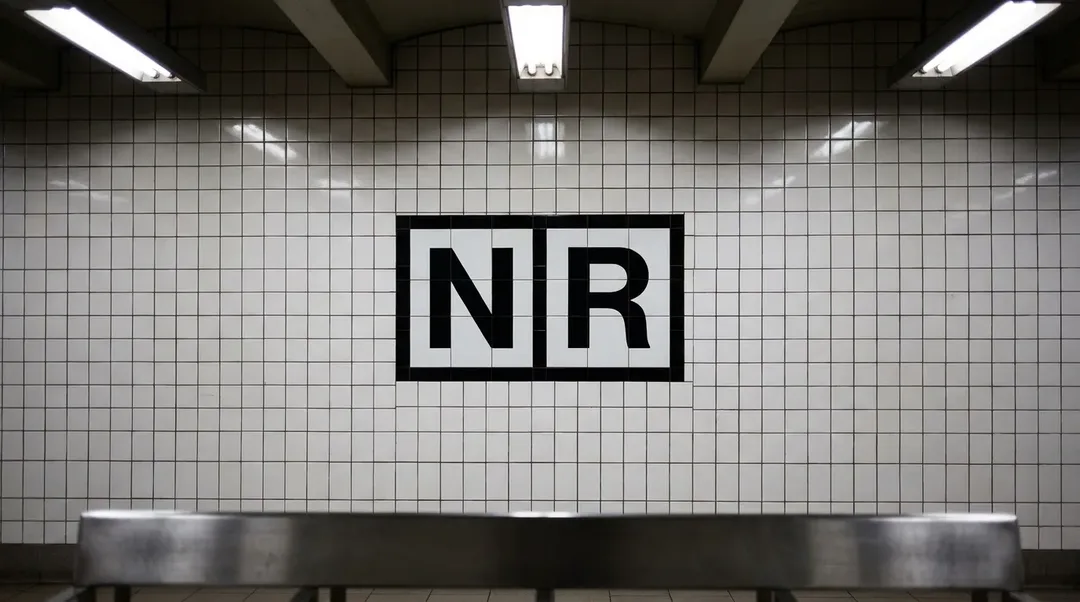
Most Broadway theaters cluster between 41st and 53rd, Sixth Avenue to Ninth. The TKTS booth in Duffy Square sells day-of discount tickets, but it's a 20 percent service charge on top of a ticket already marked down from full price—not the same as rush. For rush, you go directly to the theater's box office. The N/Q/R/W at 49th Street lands you mid-cluster. The 1 train stops at 50th and again at Times Square-42nd. The A/C/E at 42nd puts you on Eighth Avenue, close to the western row of theaters.
If you're starting from Chinatown, take the N/R from Canal Street. It's a straight shot, no transfer, thirteen minutes to 49th Street in off-peak hours. The 6 train from Canal to 51st Street requires a walk west or a transfer to the E at Lexington-53rd; the transfer adds eight minutes and a long corridor. The J/Z from Chambers Street connects to the N/Q/R/W at Canal, but if you're already near Canal, board there. Arrive forty-five minutes before the box office opens if the show is popular. An hour on weekends.
The western theaters—the St. James, the Bernard B. Jacobs—sit closer to Eighth Avenue. The eastern houses—the Booth, the Schoenfeld—are near Sixth. If you're rushing two shows in one day, map the box office locations first. Walking 44th Street end to end takes nine minutes. That's tight if one box office opens at 10 and another at 10:30 and there's already a line.
When to Queue and When to Lottery
Rush works best on weekday matinees and Sunday evenings. Fewer people are free at 10 a.m. on a Wednesday. Weekend evening rush lines are long and success is not guaranteed. Digital lotteries level the field—your odds are your odds, whether you're local or visiting. Enter every lottery for shows you'd see. You can win multiple in one day; if you do, you have thirty minutes to claim and pay. Lotteries close around 9 a.m. or 11 a.m. depending on whether it's a matinee or evening performance. Set a phone reminder the night before.
Some shows release rush tickets online at midnight for purchase later that morning. The Book of Mormon did this for years. You'd log on at 12:01 a.m., add tickets to your cart, then pick them up at the box office after 10 a.m. Policies change when a show's sales soften or when a new cast joins. Check the week you're going, not the blog post from two years ago.
Standing room is unpredictable. It exists only if the show is completely sold out, and the house manager decides whether to release it. You won't know until you ask at the box office two hours before curtain. Bring exact cash. The Music Box and the Belasco have narrow standing rails; your feet will hurt by intermission. It's a legitimate way to see a show for $40, but plan a meal you can sit down for afterward.
Off-Broadway and Smaller Stages Cost Less by Default
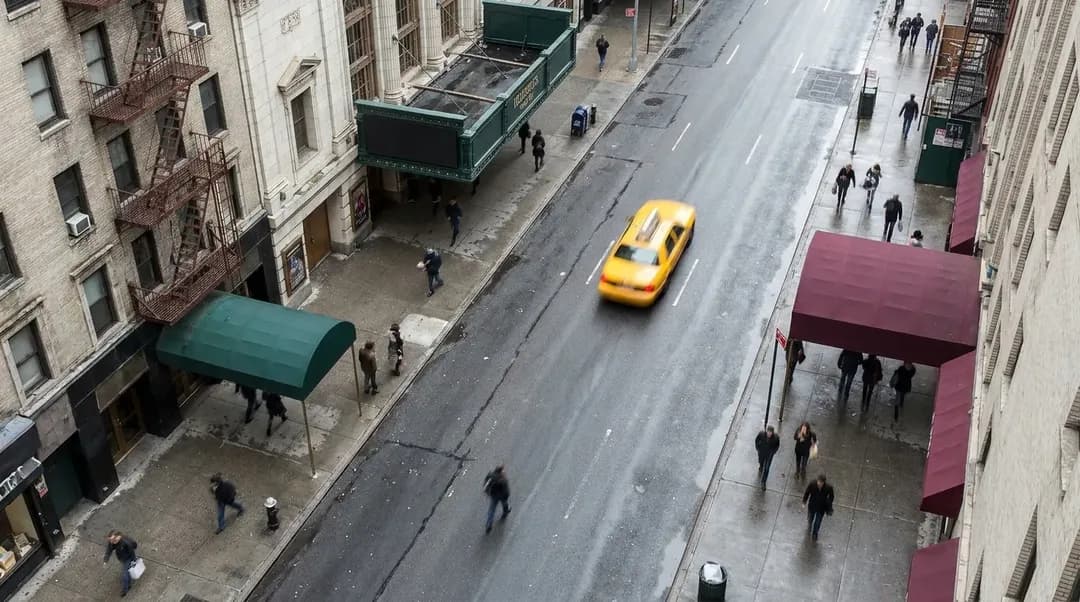
Off-Broadway theaters—the Minetta Lane, the Lucille Lortel, New World Stages—run shorter, cheaper, and often just as acclaimed. Full-price tickets start at $89 instead of $189. Many still offer rush and lottery. Playwrights Horizons and the Signature Theatre on 42nd Street between Ninth and Tenth operate on nonprofit subscription models; their rush tickets drop to $30 or less. The Public Theater downtown does a daily lottery for every show, including Shakespeare in the Park in summer when it's free but requires a virtual standby line.
Second Stage on 43rd Street, MCC Theater at the Robert W. Wilson space on 52nd—these are small houses, under 300 seats, and they fill. But they also release rush inventory because nonprofit theaters are mission-driven to keep access wide. Atlantic Theater Company on 20th Street near Eighth Avenue offers $20 rush for under-30s. Verify age policy when you arrive.
The trade-off is smaller productions, shorter runs, and less tourist recognition. You won't see the set budget of a Broadway musical. You will see new work, strong casts, and an empty subway car on your ride home because these theaters aren't mobbed at curtain.
What to Confirm the Week You Go
Rush and lottery policies live on the show's official website, usually under 'Tickets' or 'Lottery.' If the site is vague, call the box office directly. The phone number is on the theater's page. Ask what time rush goes on sale, whether there's a limit per person, and whether they've sold out of rush in recent performances. Box office staff will tell you if the Wednesday matinee is your better bet than Saturday night.
TodayTix lists most lotteries, but not all. Some shows use Lucky Seat or their own platform. Google the show name plus 'lottery' the day before. Enter every one you find. If you win, you'll get a text or email with a claim deadline. Miss the deadline and the ticket goes back into the pool.
Standing room is never guaranteed. The house manager makes the call based on fire code and how sold-out the performance truly is. If you're counting on standing room, have a second plan. TKTS day-of discounts are real, but they're not $40. They're 20 to 50 percent off a ticket that might have been $150, plus the service fee. You'll pay $90 after the discount. That's still cheaper than full price, but it's not rush.
Practical notes
- Rush box offices open 10 a.m. to noon; arrive 45–60 minutes early on weekends.
- Digital lotteries close 9–11 a.m. day-of; enter the night before and set a reminder.
- Standing room is cash-preferred, released two hours before curtain, only if sold out.
- N/Q/R from Canal Street to 49th is a no-transfer, 13-minute ride off-peak.
- Late-night subway service slows after 11 p.m.; check real-time arrivals before curtain.
- Confirm current rush policy on the theater's official page the week you go—policies change.
Tags: #karpo #nyc #broadway #broadwaynyc #rustickets #broadwaytickets #theaterdistrict #timessquare #chinatown #nycsubway #freethingstodo #nycbudget #offbroadway #todaytix #nyctheater
Sources consulted: The Broadway League · TodayTix · Playwrights Horizons
All trademarks are the property of their respective owners.
Ask Karpo first
Text Karpo before you leave Chinatown for live subway timing to 49th Street, current rush policies for the show you want, and a ranked list of which Off-Broadway lotteries are still open this morning. If the line is too long when you arrive, Karpo will suggest the next-closest box office with shorter wait times.
Ask Karpo for more information.
Keep reading
- Scenic Walking Trail Near Me: Central Park North Woods Ravine and Loch Walk
 Scenic Viewpoint Near Me: Brooklyn Heights Promenade at Sunset
 Scenic Viewpoint Near Me: Riverside Park Hudson River Walk