 Haaland Has Seven Goals and Norway Runs Entirely Through Him
⚽️2026 FIFA WORLD CUP
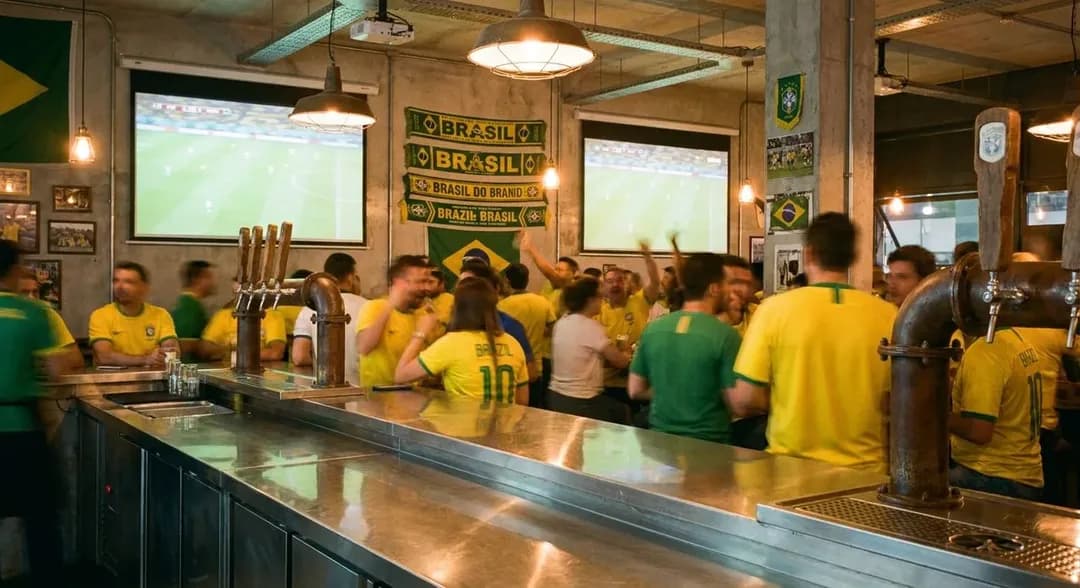
Brazilian Football Watching Parties in Astoria
Astoria's Brazilian community transforms its bars and restaurants into roaring stadiums when the World Cup returns in 2026. Here's where to find the yellow jerseys, the drum circles, and the best pastel de queijo this side of São Paulo.
Late May in Queens means open windows, morning light slanting across fire escapes, and—if you know where to look—the faint sound of a cuíca drum being tested in preparation for something bigger. Astoria has quietly cultivated one of New York's most vibrant Brazilian communities, a network of families, workers, and students who've built a constellation of bakeries, grocery stores, and bars along a handful of commercial blocks. When the World Cup arrives in 2026, these unassuming storefronts will explode into makeshift stadiums, packed shoulder-to-shoulder with supporters draped in green and gold, singing themselves hoarse over caipirinhas and endless platters of coxinha.
The Geography of Devotion
The heart of Brazilian Astoria pulses along 36th Avenue and the side streets threading between Steinway and 31st. It's not a formal district—no ceremonial arch or painted crosswalks—but the telltale signs are there if you're paying attention. A steady stream of Portuguese over the hum of espresso machines. Windows filled with brigadeiro in tidy rows. The scent of pão de queijo drifting onto the sidewalk around mid-morning. During the World Cup, these same windows will sprout flat-screens angled toward the street, and the sidewalks will fill with folding chairs claimed hours before kickoff.
Brazilian establishments here tend toward the unpretentious: narrow dining rooms with mismatched furniture, walls papered in faded posters of Copacabana and Christ the Redeemer, chalkboards advertising the day's feijoada special. It's the kind of setting where regulars occupy the same corner table every Saturday, where the owner's cousin works the bar, where everyone knows the Wi-Fi password without asking. Come late May 2026, when the tournament begins, that easy intimacy will be tested by sheer volume. But the infrastructure is there, battle-tested by Copa América runs and qualifying matches that stretch into weekday afternoons.
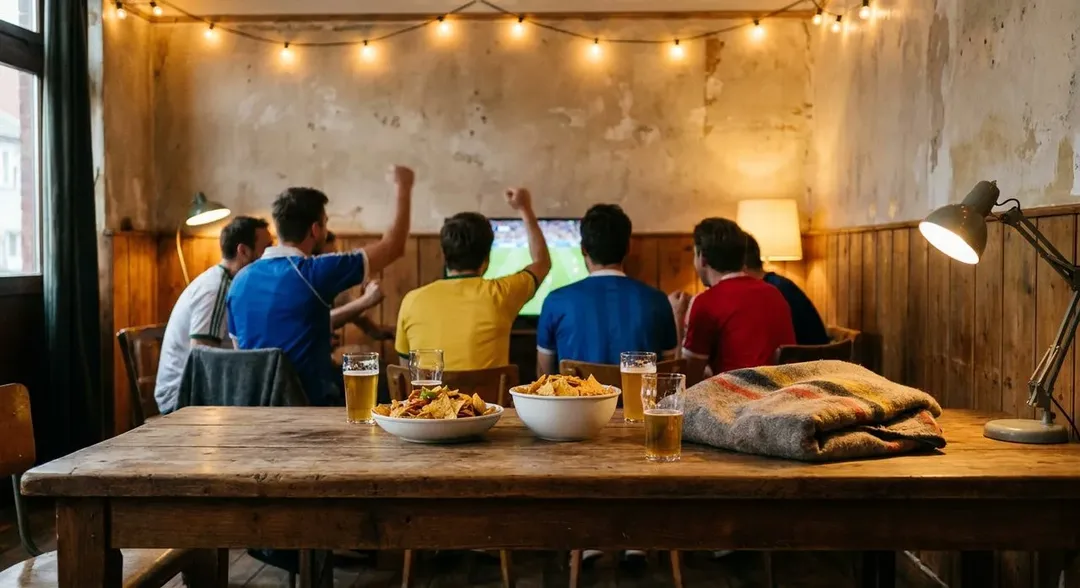
The Ritual of Match Day
Arrive early. That's the unwritten rule among anyone who's watched world cup brazil nyc matches in earnest. Two hours before kickoff is cautious; three is safer if Brazil faces a serious opponent. The best spots fill with an efficiency that would impress a maître d' at a Michelin three-star. Regulars stake out sight lines to the largest screen, position themselves near the bar for quicker refills, claim tables with a sight line to both the television and the bathroom. Newcomers learn quickly: hesitate, and you're watching from the sidewalk through the open door, craning over someone's shoulder.
Text Karpo Now: find current Brazilian football watch spots in Astoria, confirm match audio, and build a respectful post-game food route.
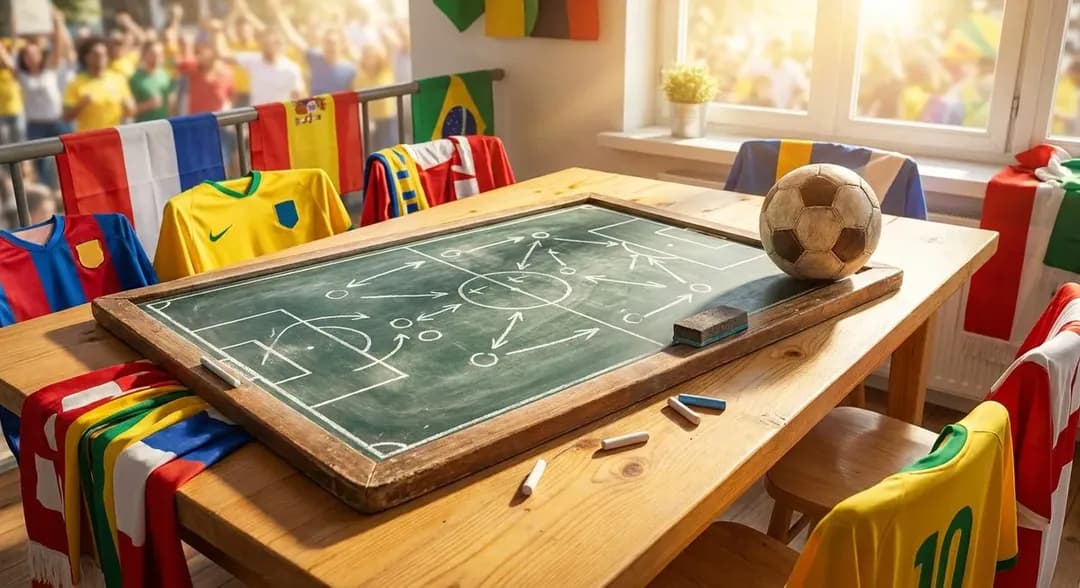
The atmosphere builds in waves. First, the jerseys—Ronaldo, Ronaldinho, Neymar, Pelé throwbacks in various states of vintage authenticity. Then the flags, draped over shoulders or pinned to the walls with the permission of an indulgent owner. Someone plugs in a portable speaker and cues up samba until the broadcast feed takes over. By fifteen minutes to kickoff, the room hums with nervous energy, conversations ping-ponging between Portuguese, English, and an occasional Spanish borrowed from Colombian neighbors who've wandered in. The scent of fried dough and lime cuts through the beer and aftershave. Then the whistle, and the entire block seems to inhale at once.
What to Expect on the Plate and in the Glass
Brazilian watch-party menus lean heavily on the portable and the shareable. Coxinhas—teardrop-shaped fritters stuffed with shredded chicken—emerge from the kitchen in waves, crackling hot and dusted with coarse salt. Pastéis, thin-skinned turnovers filled with cheese, ground beef, or hearts of palm, arrive on plastic trays lined with paper napkins already translucent with oil. Pão de queijo, those addictive cheese puffs with the chewy interior, serve as both appetizer and nervous-energy fuel. During a tense match, you'll see people mechanically reaching for another without breaking eye contact with the screen.
Drinks follow a similar logic: easy, cold, repeatable. Caipirinhas—cachaça, lime, sugar, ice—are the default, mixed in large batches and poured into plastic cups when the crowd swells past the available glassware. Expect sweeter renditions than you'd find in a craft-cocktail bar; this is stadium drinking, designed for volume and cheer, not contemplation. Beer flows in the form of Skol, Brahma, or whatever the distributor delivered that week, served so cold the bottles bead with condensation within seconds. Some spots offer guaraná, the Brazilian soda with its gentle herbal sweetness, for the designated drivers and the superstitious who refuse to change their match-day beverage routine.
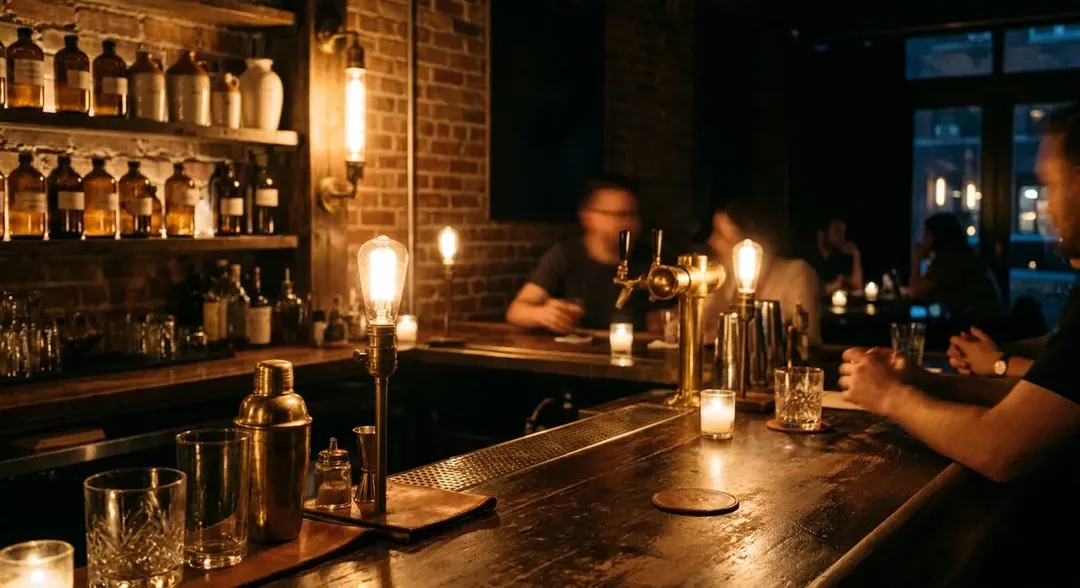
The Soundscape of Victory (and Despair)
Nothing quite prepares you for the roar when Brazil scores. It's a physical thing, a wall of sound that compresses the air in the room and spills out onto the street, triggering car alarms and startling pigeons three blocks over. Strangers embrace. Grown men weep. Someone's grandmother, who hasn't said a word all match, stands on her chair and leads a chant. The drums—there are always drums, even if it's just someone slapping a table in rhythm—kick into overdrive. For thirty seconds, maybe a minute, the entire room is a single organism, pulsing with joy.
The inverse is equally dramatic. A missed penalty or a conceded goal in the final minutes brings a silence so complete you can hear the commentary bleeding through someone's phone. Heads drop into hands. Someone mutters a prayer or a curse, sometimes both. The recovery is gradual, a collective exhale, a round of drinks ordered as self-medication, a dark joke that breaks the tension. By the time the final whistle blows, win or lose, the room has been through something together. That's the contract of watching in a crowd: you surrender your individual reactions to the tide of the group, and you emerge hoarse, drained, elated, or gutted, but never indifferent.
Beyond the Bracket
Even if Brazil bows out early—an outcome no one in these rooms entertains as possibility until it becomes undeniable fact—the watch parties continue. Astoria's Brazilian venues have a pragmatic relationship with the tournament: World Cup months are good for business, and allegiance broadens as the field narrows. By the semifinals, you'll find Brazilian fans adopting underdog favorites, cheering for Argentina's opponent on principle, or simply showing up for the atmosphere and the excuse to gather. The food stays consistent, the drinks keep flowing, and the screens stay tuned to every match that matters.
For the 2026 edition, with matches hosted across North America, there's an additional edge of local pride. If Brazil were to play a match in New York or New Jersey, watch parties could empty out as fans scramble for tickets or organize caravans to MetLife Stadium. The energy in these Astoria rooms, already intense, will ratchet higher knowing the team is just a train ride away. It's the kind of convergence that happens once in a generation, and the community is ready to make the most of it.
Practical Notes
Brazilian businesses are spread through Astoria, especially around 36th Avenue and nearby side streets. The N and W trains stop at 36th Avenue and 30th Avenue, both a short walk from much of central Astoria. Street parking is theoretically possible but optimistic on match days—expect to circle or opt for a paid lot along Steinway. Most venues don't take reservations for World Cup matches; it's first-come seating, with doors often opening earlier than usual business hours to accommodate morning kickoffs. Verify hours directly as tournament schedules vary. Many spots are small, with narrow aisles and limited accessibility; call ahead if mobility is a concern. Bring cash—some places are card-only now, but others still prefer bills, especially when the system is slammed. And bring patience. The crowds are part of the point.
Tags: #AstoriaQueens #BrazilianNYC #WorldCup2026 #QueensEats #FIFAWorldCup #Astoria #NYCFootball #SoccerNYC #BrazilianCuisine #WorldCupWatchParty #AstoriaQueensFootball2026 #NYCBars #QueensNightlife #Spring2026 #FootballCulture
Please drink responsibly. Must be of legal drinking age.
Sources consulted: 2026 FIFA World Cup · Astoria, Queens · Time Out New York Restaurants · FIFA World Cup Official Site · MTA Transit Info
All trademarks are the property of their respective owners.
Ask Karpo for more information.
Keep reading
- Haaland Has Seven Goals and Norway Runs Entirely Through Him
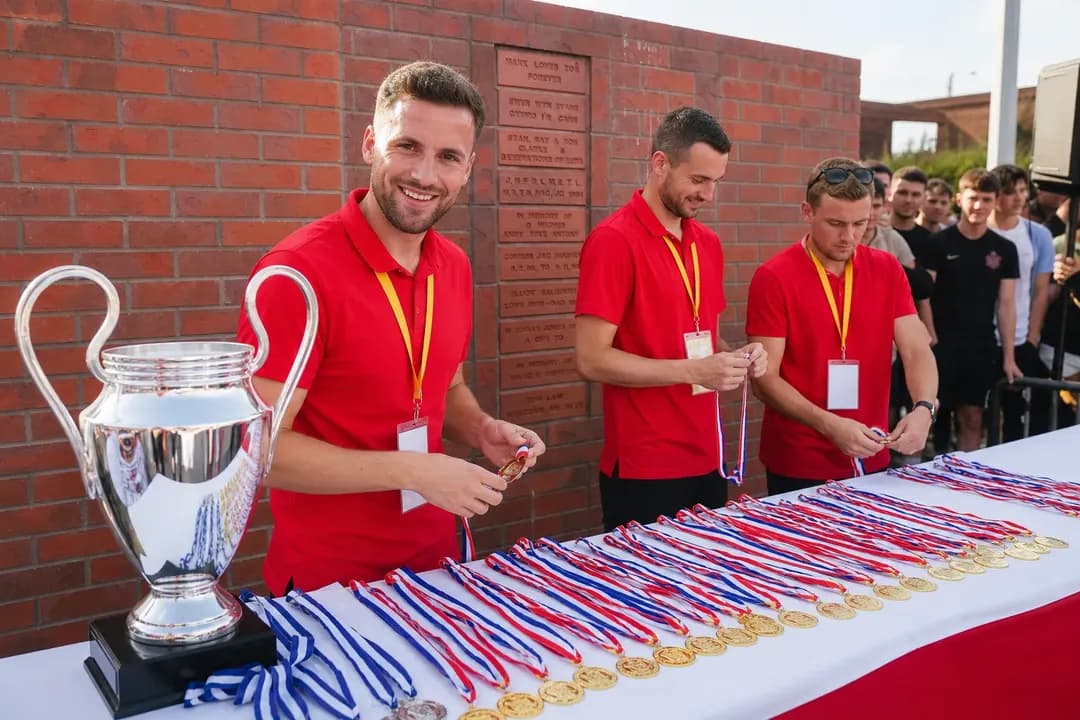 World Cup Trophy Ceremony Timing Medals and Postmatch Celebrations
 Olise and France's Attack: The Semifinal Tactical Question