 Scenic Walking Trail Near Me: Central Park North Woods Ravine and Loch Walk
Free Things to Do
Best Eventbrite Finds in NYC: Niche Events Worth RSVPing
Small-room talks, craft swaps, and early-evening tastings hide behind generic search results—here's how to spot the good ones.
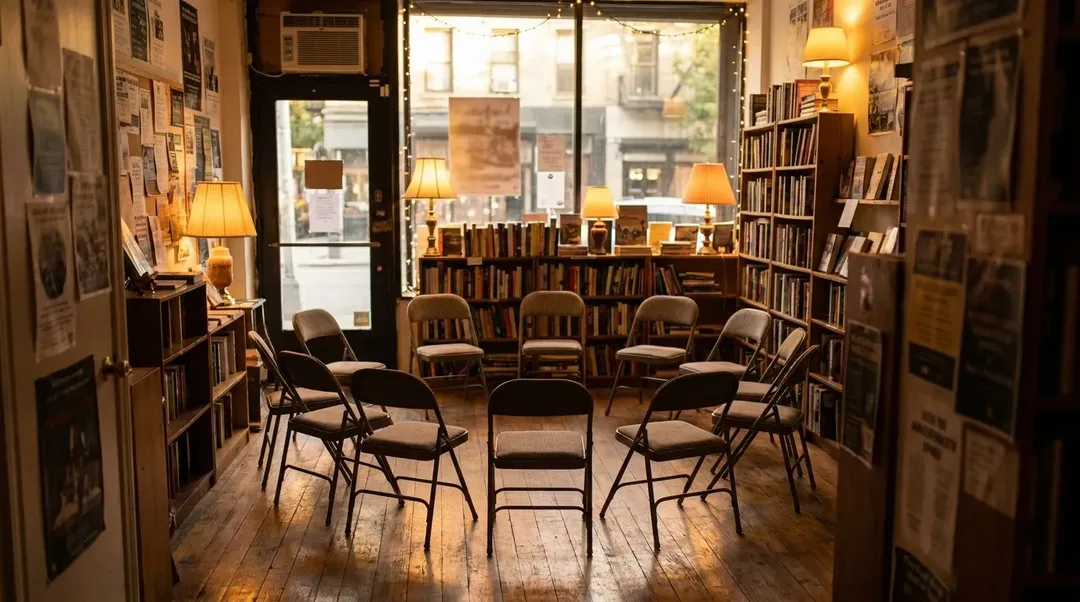
You open Eventbrite on a Wednesday afternoon hoping to find something small and specific—a zine-making workshop, maybe, or a tasting led by someone who actually grows the thing being poured—and instead you're served twenty identical rooftop mixers and a corporate wellness seminar. The platform's sorting defaults to ticket volume and ad spend, which means the quieter, cheaper, more textured events drop below the fold. They're there, though. You just need to know what signals to look for: single-session formats, venues that seat fewer than forty people, hosts who list a specific skill or collection rather than a vague theme, and start times before eight p.m. that respect the fact that people have work the next day.
Text Karpo before you commit to an RSVP. It'll check current subway timing to the venue, flag any late-night service changes for your ride home, and pull up a backup plan if the event sells out or gets moved.
Why the best listings hide in plain sight
Eventbrite remains one of the few places where individuals and small collectives can list events without needing a venue's full marketing apparatus behind them. That openness creates noise, but it also means a bookbinder in Greenpoint or a coffee roaster near the East Village can post a two-hour evening session and fill eight chairs. The trick is learning to scan past the promoted listings and look for the structural clues: a single date rather than a recurring series, a venue name that's an apartment number or a shop rather than a banquet hall, and a ticket price under twenty dollars or marked free with a suggested donation. These are the events that usually deliver what they promise, because there's no budget to oversimulate interest.
Start close: East Village and nearby small-space hosts
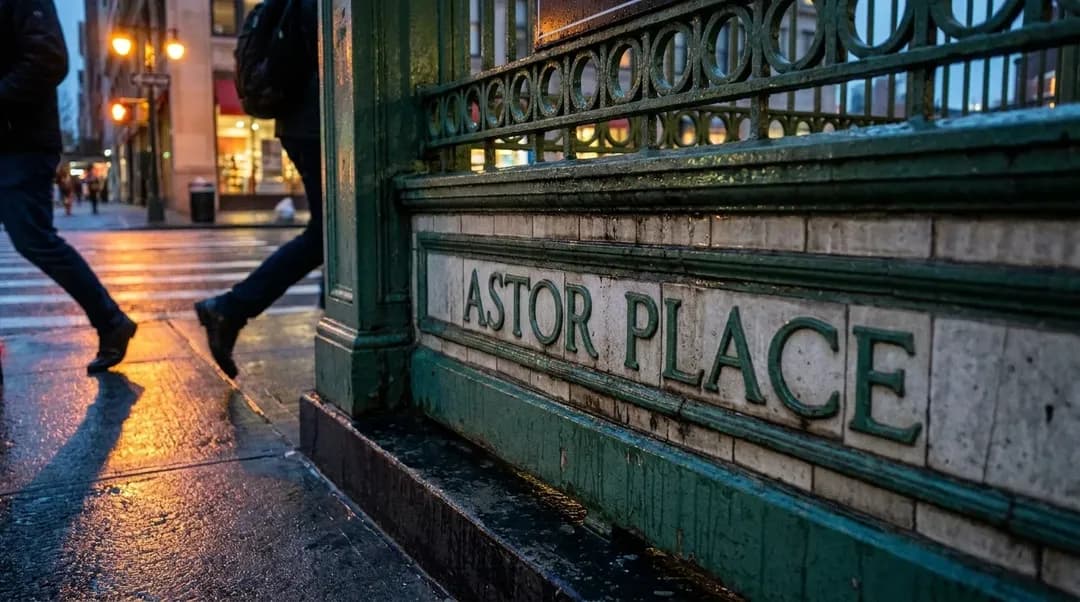
If you're already downtown or willing to take the L or the 6, the East Village and the blocks just north offer the densest concentration of storefront and upstairs venues that host the kind of niche programming Eventbrite was designed for. Search for events within a half-mile of Astor Place and filter by price—free to fifteen dollars—and you'll surface poetry readings in the back of bookstores, printmaking demos in shared studios, and tasting events in shops that sell one category of import. These spaces hold between twelve and thirty people, which means the event description is usually accurate: if it says hands-on, you'll be handed something.
The advantage of staying close is legibility. You can walk from the 6 at Astor Place to most of these venues in under ten minutes, and if the event finishes at nine, you're not calculating transfer risk at Union Square or whether the 7 is running local. The neighborhood also has enough open cafés and bars that if you arrive early or want to sit afterward, you're not stranded. Third Avenue between 9th and 14th has benches and decent light until about eight-thirty in the shoulder seasons, and if the event turns out to be overbooked or awkwardly paced, you can leave without the sunk cost of a long subway ride.
When you're scanning listings, look for hosts who name a specific practice or collection in their profile. A ceramicist offering a hand-building session in a 10th Street walk-up will tell you what clay they use and how many pieces you'll start. A vintage bookseller hosting a talk about pulp covers will list the decades they're pulling from. These details aren't marketing; they're someone showing you their constraints, which is usually a good sign. Confirm the address as soon as you RSVP—some hosts list the cross streets but send the buzzer code separately, and you don't want to be standing on the sidewalk at seven-fifteen refreshing your email.
Go further: events worth the transfer or the walk
Sometimes the best listing is in Bushwick or Astoria, and that means weighing the L transfer at Bedford or the walk from the N/W against what's being offered. A natural-wine tasting in a Myrtle Avenue shop, a risograph workshop in a Flushing studio, or a listening session in a Ridgewood apartment—these are worth the trip if the host has a specific point of view and the ticket includes something tangible. Check the event's update feed and the host's past events; if they've run three sessions and each one has photos of actual work or pours, that's a better signal than a polished landing page.
The logistics get more textured once you leave Manhattan. The L to Bedford is reliable most evenings, but the walk north into Bushwick adds fifteen minutes, and the blocks between the Morgan and Jefferson stops are quieter after nine. If the event runs past ten, confirm that the host isn't assuming everyone's driving or splitting rideshares. The 7 to Flushing or the N to Astoria both run late, but if the venue is more than a ten-minute walk from the station and the event ends after ten-thirty, you're looking at a darker walk or a wait for a bus that may not come on schedule. None of this is prohibitive, but it's worth texting the host or checking the Q&A thread to see how other attendees are planning their routes.
For events in Brooklyn, the G train is often the quietest option—fewer crowds, more predictable timing—but it doesn't connect to most Manhattan lines without a transfer. If you're coming from the East Village, the L to Bedford and then the G southbound gets you to Clinton-Washington or Classon, both of which anchor blocks with small studios and event spaces. The trick is to pick events that start at seven or seven-thirty, so you're on your way home by nine-thirty and not racing the last express train. Late-night service changes in Brooklyn are common enough that you should check the MTA's weekend and weeknight advisories the morning of the event, not when you're already on the platform.
Pair it with a meal or a drink you'd want anyway
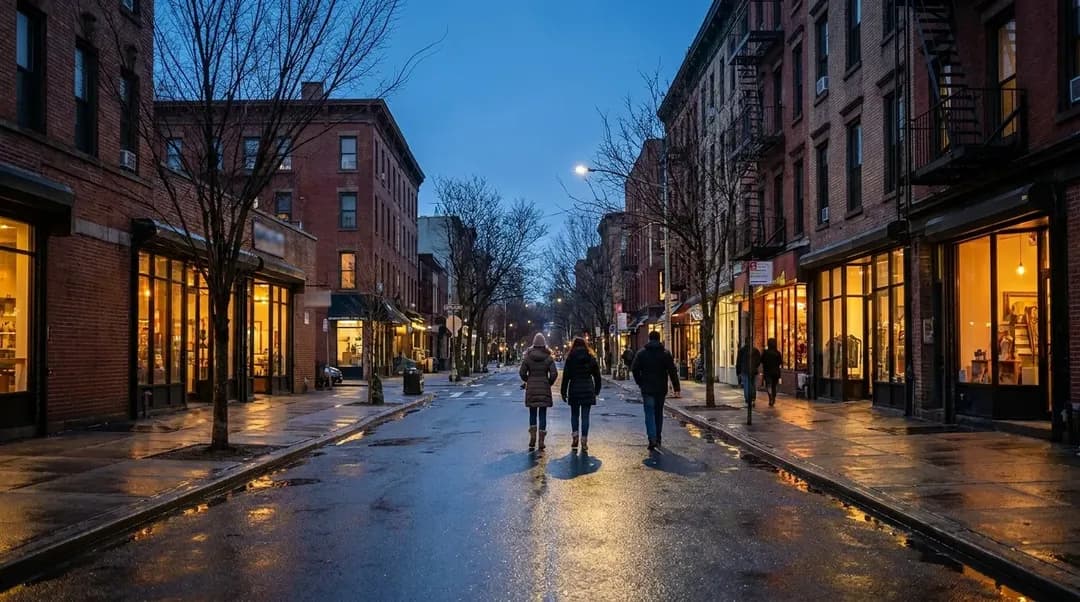
The best niche events don't require you to eat beforehand or after—they're short enough that you can grab something nearby without it becoming a separate errand. If you're attending an early-evening event in the East Village, the blocks around St. Marks and 1st Avenue have enough counter-service spots that you can pick up a slice, a bánh mì, or a bowl and eat it on a bench before the event starts. If the event is in Williamsburg or Greenpoint, the stretch of Manhattan Avenue between Nassau and Calyer has bakeries and taco counters that stay open past eight and don't require a reservation or a long wait.
For events that include a tasting or a pour—coffee, wine, ferments—the ticket usually covers what's being served, but not a full meal. If the event runs from seven to nine and you're hungry, eat something light beforehand rather than arriving distracted or planning to leave early. The host will notice if half the room is checking phones or eyeing the door, and small events depend on everyone being present enough to ask questions or try what's being passed around. If the event ends at nine and you want to sit somewhere after, check that the neighborhood has spots that serve food past nine-thirty; some Brooklyn blocks go quiet fast, and you don't want to be walking fifteen minutes to find an open kitchen.
Know how you're getting home before you RSVP
The single biggest mistake people make with evening Eventbrite events is not checking the end time against their train home. A nine p.m. end time sounds reasonable until you realize the venue is a twenty-minute walk from the subway, or the host is the kind of person who lets the Q&A stretch to nine-forty-five, or the L is running local and your connection at Union Square just got slower. Before you RSVP, map the venue to your nearest station and add fifteen minutes for the host wrapping up, saying goodbye, and people lingering by the door. If that puts you on the platform at ten p.m. or later, check whether your line is running express or if there's construction that night.
For events in Manhattan, the exit is usually straightforward: you're near a station that runs late, and even if you miss one train, another comes in ten minutes. Brooklyn and Queens require more attention. If the event is near the L or the G, you're probably fine, but if it's a walk to the J or the M, or if it's in an area served by a single bus line, build in more buffer. The MTA's weekend service changes often start Friday night, and some lines switch to local-only or skip stops after ten. The agency posts advisories online, but they're easier to miss than you'd think, and there's nothing more deflating than finishing a good event and then standing on a dark platform realizing the next train is thirty minutes out.
If the event is free or under ten dollars and you're coming from more than thirty minutes away, ask yourself honestly whether you'll stay for the whole thing or bail early if it's not landing. There's no shame in leaving, but if you're going to do it, do it before the Q&A starts, and don't make a big exit. Small events live or die on the energy in the room, and a visible departure halfway through can flatten the whole night. If you're unsure, pick an event closer to home or one that starts earlier, so leaving at the scheduled end time still gets you back at a reasonable hour.
Day-of checks and what to verify before you leave
Eventbrite hosts can update event details up until start time, and they do—room changes, postponements, sold-out notices, or new instructions about what to bring. The morning of the event, open the confirmation email and click through to the event page to see if anything's changed. If the host has posted an update in the last six hours, read it. Small events are especially vulnerable to last-minute pivots: a burst pipe, a sick co-host, a supply delay. The host will almost always post the change on Eventbrite before they email attendees, so checking the page is faster than waiting for your inbox to refresh.
If the event lists a venue name but no street address, or if the address is a cross street rather than a number, check the Q&A section or the host's profile for clarification. Some hosts wait to send the exact address until the day of the event to avoid walk-ins, which is fine, but it means you need to check your email again before you leave. If the event starts at seven and you haven't received the full address by five, message the host through Eventbrite's system. They'll see it on their phone and can reply faster than if you wait until you're on the train.
For free events or donation-based events, confirm whether you need to bring cash. Not every host has Venmo set up, and some small venues don't take cards for contributions under ten dollars. If the event mentions materials or tools—bring your own notebook, bring a mug, bring a sample of your work—take that literally. The host isn't going to have extras, and showing up empty-handed makes you the person everyone has to work around. Finally, if the event is in someone's apartment or a shared studio, respect the space: take your shoes off if others do, don't touch things that aren't part of the session, and leave when the host starts cleaning up. These events keep happening because people treat them like the small, generous transactions they are.
Practical notes
- Search Eventbrite by neighborhood and filter for events under $20 to surface small-scale, niche programming
- Check the event page the morning of for last-minute updates, room changes, or address details sent separately
- For Brooklyn or Queens events ending after 9:30 p.m., confirm subway service and late-night timing before you RSVP
- Bring cash for donation-based events; not all hosts have digital payment set up for small contributions
- If the listing says to bring materials or a mug, take it literally—small events don't have extras on hand
- Map your route home from the venue before you leave, adding fifteen minutes for the host wrapping up and goodbyes
Tags: #karpo #nyc #newyorkcity #eventbrite #nicheevents #eastvillage #freethingstodo #nycevents #brooklynevents #smallvenues #localnyc #nycsubway #eventbritenyc #communityevents #nycnightlife
Sources consulted: Eventbrite NYC events · MTA service advisories
All trademarks are the property of their respective owners.
Ask Karpo first
Text Karpo the event address and your start point, and it'll confirm current subway timing, flag any service changes for your ride home, and suggest a nearby spot to grab food before or after. If the event gets moved or sells out, Karpo can pull a same-night backup in the same neighborhood.
Ask Karpo for more information.
Keep reading
- Scenic Walking Trail Near Me: Central Park North Woods Ravine and Loch Walk
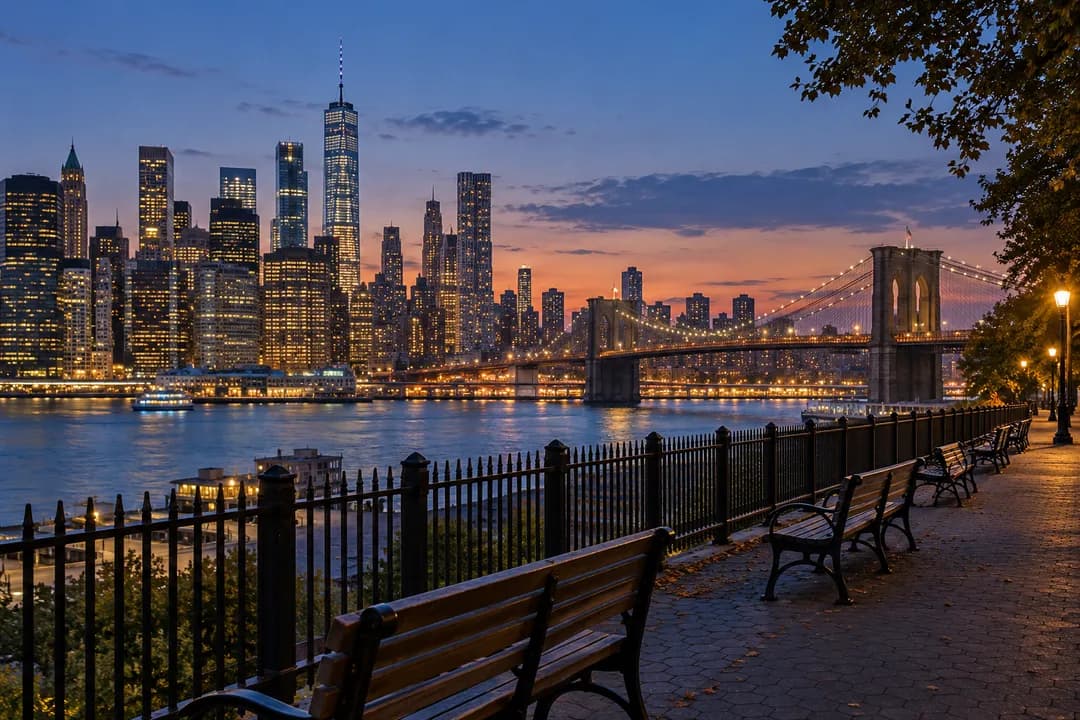 Scenic Viewpoint Near Me: Brooklyn Heights Promenade at Sunset
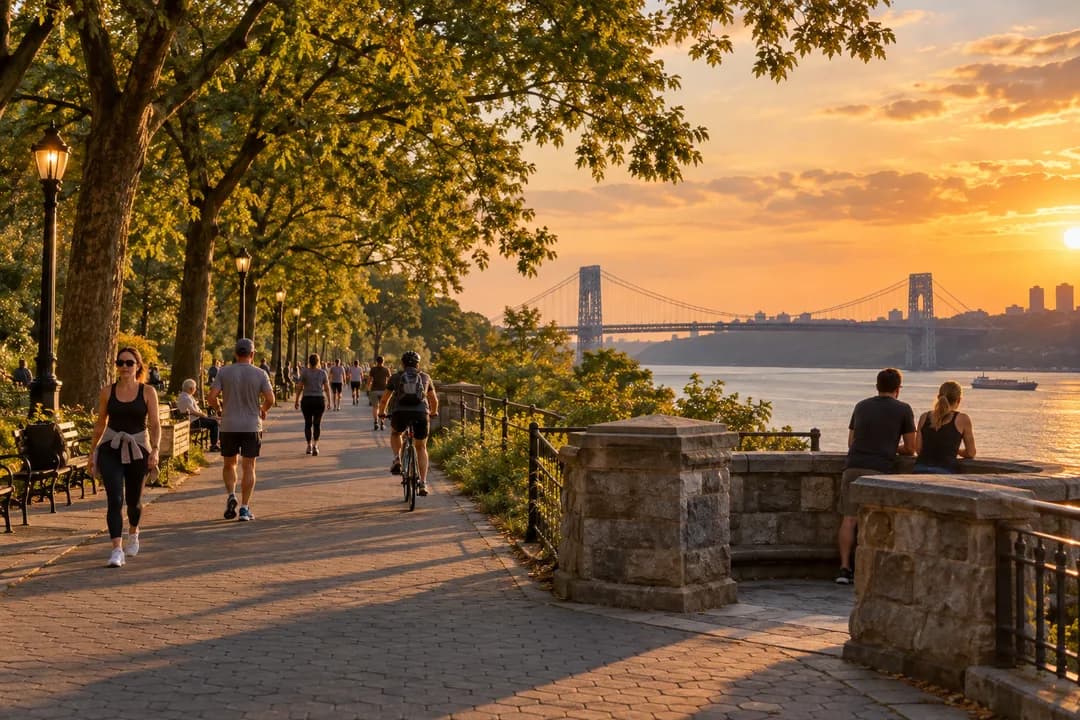 Scenic Viewpoint Near Me: Riverside Park Hudson River Walk