 Haaland Has Seven Goals and Norway Runs Entirely Through Him
⚽️2026 FIFA WORLD CUP
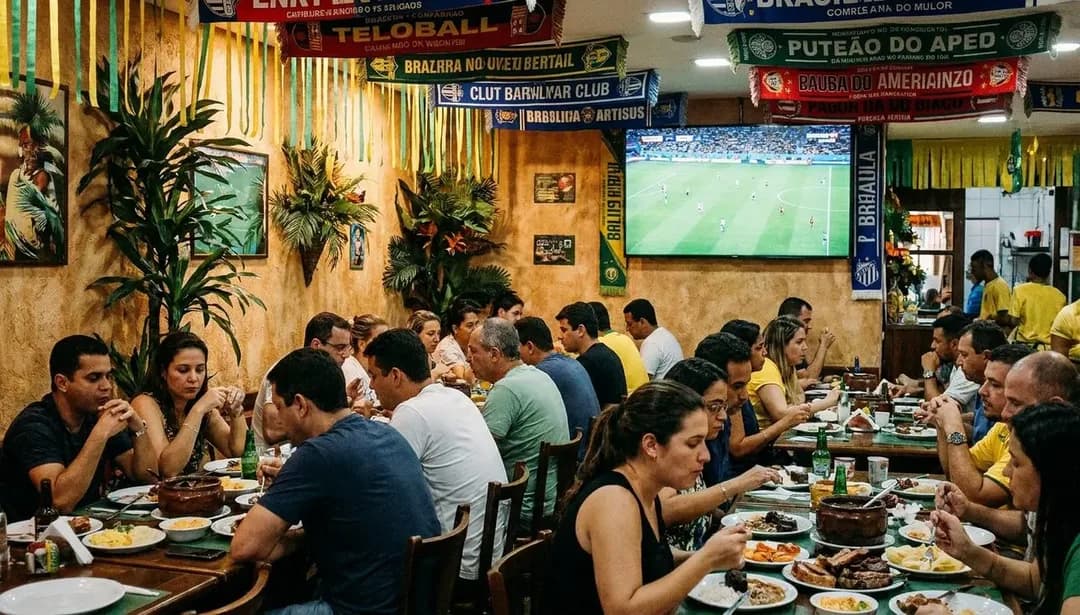
Neymar in New York: Brazil's Fan Circuit from Astoria to the Ironbound
At 34, Neymar returns for his final World Cup. Follow the Seleção's emotional energy across Astoria's Brazilian quarter and Newark's Ironbound—from samba drum circles to late-night churrascaria crawls.
Neymar Jr. will be 34 when the whistle blows at MetLife Stadium in summer 2026. The ACL tear that sidelined him for eighteen months is now a scar, a pause in the narrative, and everyone—from the commentariat to the corner pastelaria—understands this World Cup is his last. He arrives not as the prodigy who dazzled in 2014 or the frustrated captain of 2018, but as Brazil's emotional fulcrum, carrying the weight of unfinished business and a generation's hope. And in the New York metro area, where the Seleção's colors bleed across two distinct poles—Astoria's Brazilian enclave and Newark's Ironbound—the match-day energy will be seismic, layered with decades of diaspora longing and the particular ache of a farewell tour.
Astoria's 36th Avenue: The Garden Circuit
Astoria's Brazilian quarter pulses along 36th Avenue between 30th and 34th Streets, where storefronts switch between English and Portuguese mid-block and the scent of açaí and pão de queijo drifts from cafés that double as social clubs. On Brazil match days, the street transforms. Flags hang from fire escapes, and the bars that usually host quiet afternoons of futebol replays become roaring nerve centers.
Casa Brasileira sets up a 120-inch projector screen in the back garden when the Seleção plays, and the cover charge—fifteen dollars, caipirinha included—is a bargain for the atmosphere. The trick is timing: arrive before the samba drum circle starts, which kicks off forty-five minutes before kickoff, or you'll be standing past the grill station with no sightline to the screen. The rhythm section is loud, joyful, and unrelenting, a wall of sound that turns every Brazil goal into a small earthquake.
The açaí shops—Juice & Grill, Doce Brasil—overflow into the sidewalk as match time approaches, their small interiors inadequate for the crowds that want a perch and a view. The energy is less polished than the FIFA Fan Fest down in Times Square, more familial, threaded with the anxieties and superstitions of people who've been following Neymar since his Santos days.
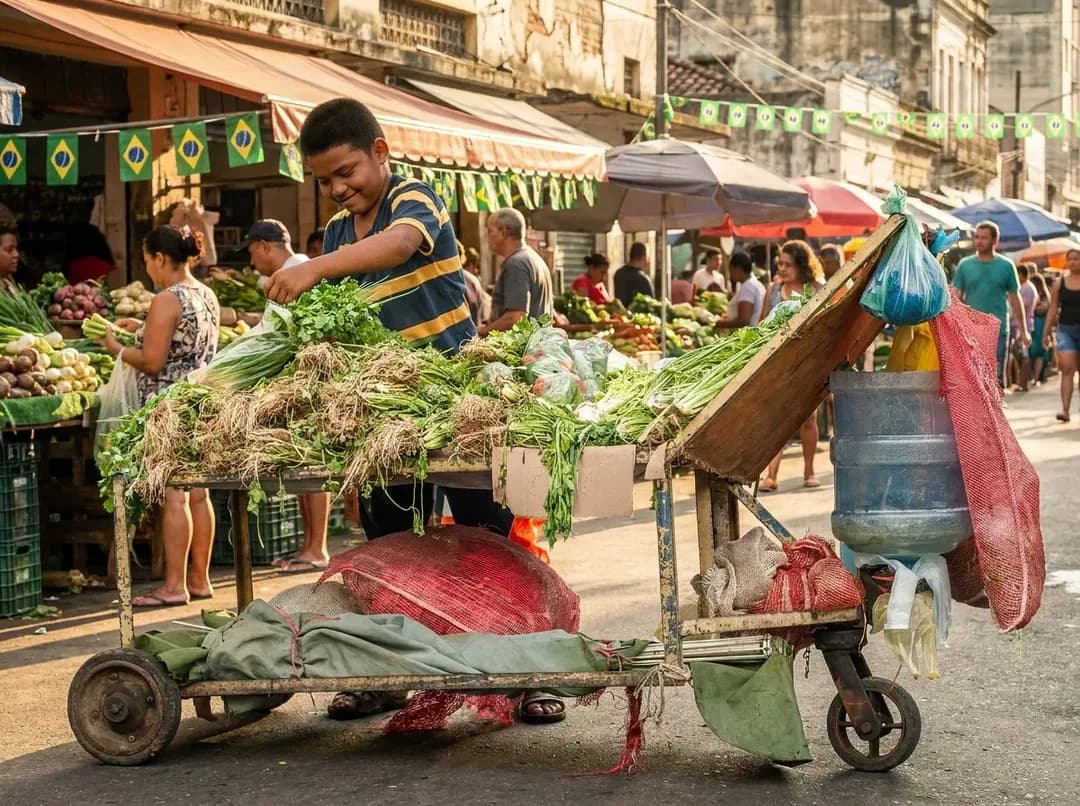
Newark's Ironbound: Ferry Street and the Portuguese-Brazilian Overlap
Cross the river into Newark's Ironbound and the Brazilian presence shares space with Portuguese cafés, Spanish bodegas, and a working-class grit that Astoria gentrified away a decade ago. Ferry Street is the spine: a long corridor of churrascarias, sporting goods shops, and bakeries where the language toggles mid-conversation and the World Cup is not a trend but a permanent state of mind.
This is where you find the best value on official kits. The FIFA Fan Fest shop in Times Square will charge you a hundred and sixty-five dollars for the Neymar 10 shirt, the yellow home kit with the five stars embroidered above the crest. But the sporting goods cluster on Ferry Street—Esportes Brasil, Mundo Soccer—carries the same CBF home kit at a hundred and ten to a hundred and twenty-five dollars, no markup, no line. And on match days, starting at nine in the morning, sidewalk vendors set up folding tables stacked with bootleg scarves for eight dollars, the stitching uneven but the sentiment genuine.
The bars here are louder, less curated. TVs are bolted to every wall, and the crowd skews older, more working-class, more willing to argue tactics in two languages at once. You'll hear debates about whether Neymar should start centrally or drift wide, whether his body can handle ninety minutes, whether this redemption arc is scripted or real.
The Churrascaria Crawl: Post-Match Ritual
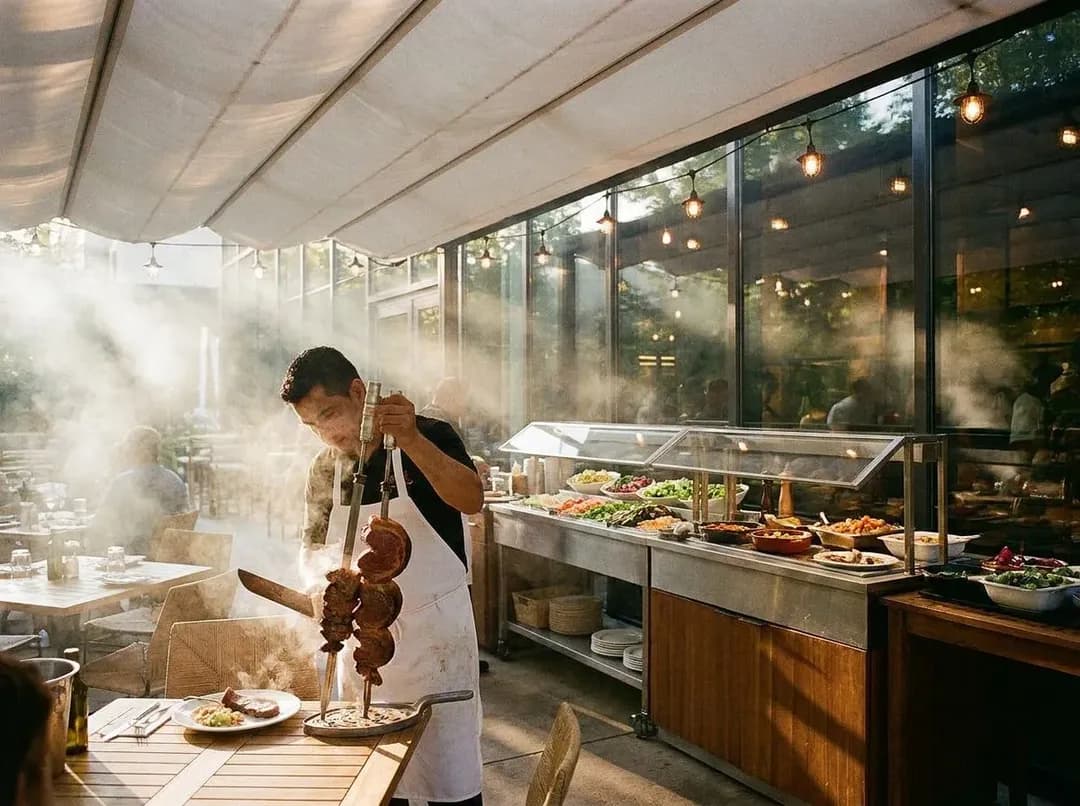
If Brazil wins—especially if Neymar scores—the night doesn't end at the final whistle. The post-match churrascaria crawl is a Newark tradition, and Fernandes Steakhouse on Ferry Street is the anchor. The rodízio parade is relentless: picanha, fraldinha, linguiça, each skewer brought tableside by servers who read your appetite like a poker tell.
Fernandes stays open until two in the morning on Brazil match nights, and the pricing shifts with the crowd. The rodízio special, normally fifty-eight dollars, drops to forty-two after eleven when the post-match surge thins and the kitchen can breathe again. Ask the host for a mesa do fundo—a back table near the kitchen—and you'll get faster meat service and escape the noise from the bar TVs, which loop highlights and hot takes until closing.
Later, as the churrascarias empty, the late-night crowd migrates to the pastel stands along Lafayette Street, where fried crescents stuffed with cheese, beef, or palm hearts sell for three dollars and soak up the caipirinhas and Antartica lagers that fueled the evening. The air smells like hot oil and triumph, or heartbreak, depending on the scoreline.
Neymar's Shadow: What This Tournament Means
Neymar's career has always been a high-wire act between brilliance and fragility, showmanship and vulnerability. The 2026 World Cup will be his fourth, and the first where he arrives as the elder statesman rather than the heir apparent. The ACL tear—suffered in a qualifier, a cruel reminder that the body keeps its own calendar—robbed him of a full season and added another chapter to a career shadowed by injury and what-ifs.
For the Brazilian diaspora in New York and Newark, Neymar's story resonates on a frequency deeper than sport. He represents the dream deferred, the talent that never quite delivered the ultimate prize, the pressure of carrying a nation's expectations on a surgically repaired knee. Whether he ascends in 2026 or exits quietly, the watch parties will be electric, cathartic, and deeply personal.
The Match-Day Map: Timing and Flow
Plan for mobility. The Astoria crowd tends younger, more social-media-fluent, more likely to spill into the street after a goal. The Ironbound skews older, more rooted, with multi-generational tables where grandmothers and teenagers argue tactics in real time. Both circuits offer their own kind of intensity.
If you're doing both in one tournament, start in Astoria for the group stage—the energy is infectious, the projector gardens a revelation—then cross to Newark for the knockout rounds when the stakes tighten and the crowds get serious. Bring cash for the vendors, patience for the crowds, and an appetite for both the spectacle and the subtext. This is Neymar's last dance, and the stage extends far beyond the pitch.
Practical notes
Astoria: 36th Avenue between 30th and 34th Streets; nearest subway N/W to 36th Avenue–31st Street or 36th Avenue stations, depending on the exact block. Street parking is scarce on match days; consider the Steinway Street municipal lot. Newark's Ironbound: Ferry Street between Union and Market; accessible via Newark Penn Station by NJ Transit or PATH, then a short walk. Most venues are walk-ins on match days but expect waits; verify hours directly as schedules shift with tournament fixtures. Bring cash for street vendors and smaller bars. Sidewalks will be crowded; dress for summer heat and standing.
Tags: #NeymarNYC #WorldCup2026 #BrazilFans #AstoriaEats #IronboundNewark #SelecaoNYC #FIFAWorldCup2026 #NYCFootball #ChurrascariaCrawl #MatchDayNYC #BrazilianDiaspora #QueensEats #NewarkFood #SoccerCulture #NYC2026
Please drink responsibly. Must be of legal drinking age.
Sources consulted: Neymar – Wikipedia · FIFA World Cup 2026 · Astoria, Queens – Wikipedia · Newark & Ironbound – NJ.com · MTA – New York Transit
All trademarks are the property of their respective owners.
Ask Karpo for more information.
Keep reading
- Haaland Has Seven Goals and Norway Runs Entirely Through Him
 World Cup Trophy Ceremony Timing Medals and Postmatch Celebrations
 Olise and France's Attack: The Semifinal Tactical Question