New York opens somewhere north of a thousand restaurants a year and closes a comparable number. Chasing the newest of them is a hobby with a low hit rate, because the interesting question is not what opened this month but which of the things that opened this year has settled into being good. There is a rhythm to that, and it is consistent enough to plan around.
New rooms change fast in their first six months, and the reviews you are reading are usually from week two. Ask Karpo what has actually opened near you and whether it is worth a table yet.
The three-month rule
A restaurant's first few weeks are not a representative sample. Kitchens are cooking a menu they have never run at volume, service is learning the room, and the supply chain has not settled. Most rooms are noticeably better at three months than at three weeks, and the ones that are not usually never become good. If you have limited appetite for risk, the sweet spot is a place that opened between three and nine months ago: past the shakedown, still eager, not yet coasting.
There is an exception worth knowing. When a restaurant is opened by a team that already runs a successful room, the shakedown period is much shorter, because the systems and often the staff transfer wholesale. A second or third restaurant from an established group is usually good on day one. A first restaurant from a first-time operator very rarely is, however good the chef.
Where the openings are clustering
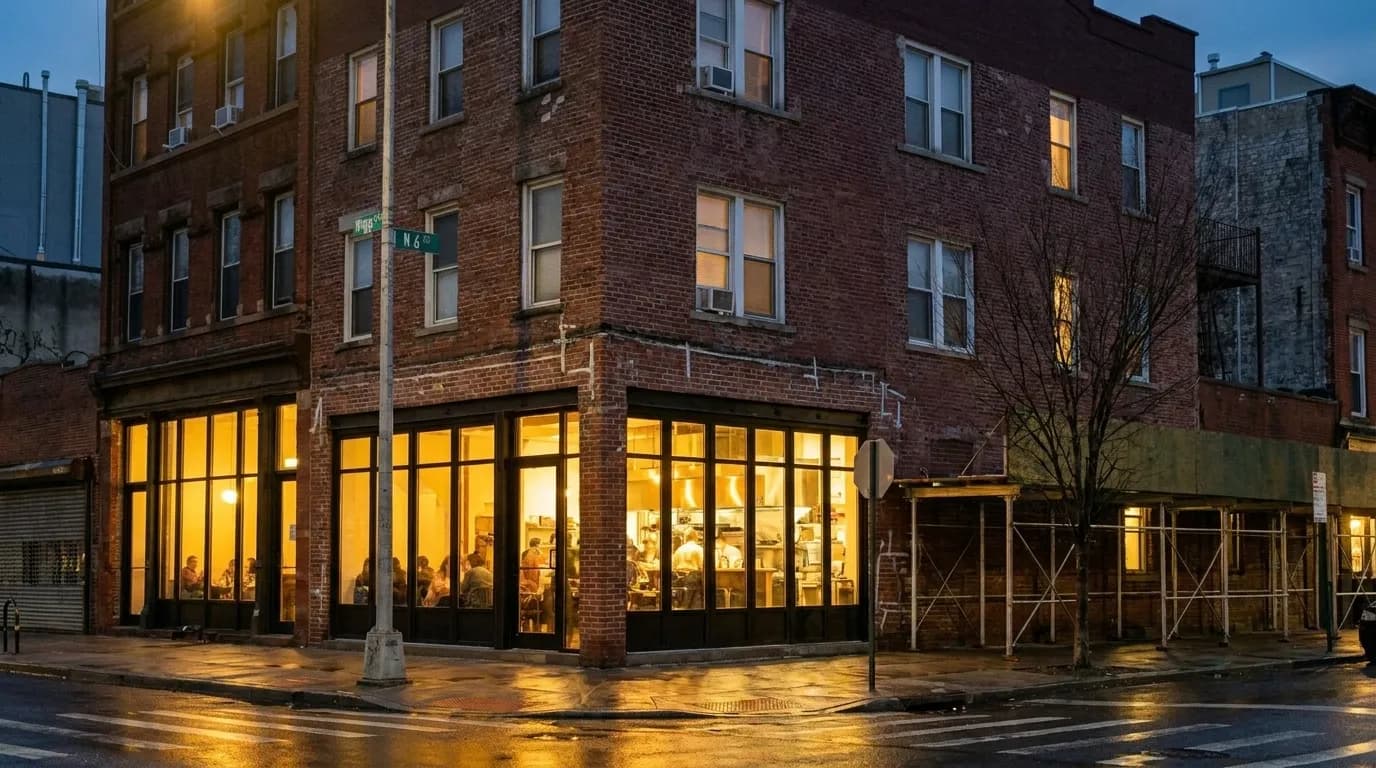
The geography of new openings follows commercial rent and liquor licence availability more than it follows fashion. In the current cycle that means the eastern edges of Brooklyn — Bushwick, Ridgewood on the Queens line, and the stretch of Bedford-Stuyvesant around Fulton — where storefronts are affordable enough for an ambitious small kitchen and the residential density arrived before the restaurants did.
In Manhattan the activity is concentrated in two bands: the Lower East Side and Two Bridges, where small rooms with short menus keep replacing each other, and the blocks around Hudson Yards and the far West Side, where the openings are larger, better funded and aimed at expense accounts. Those are very different kinds of new restaurant and it is worth knowing which one you are walking into. In Queens, Long Island City and Astoria continue to absorb operators priced out of Manhattan, generally to the benefit of anyone eating there.
Reading a new room before you book
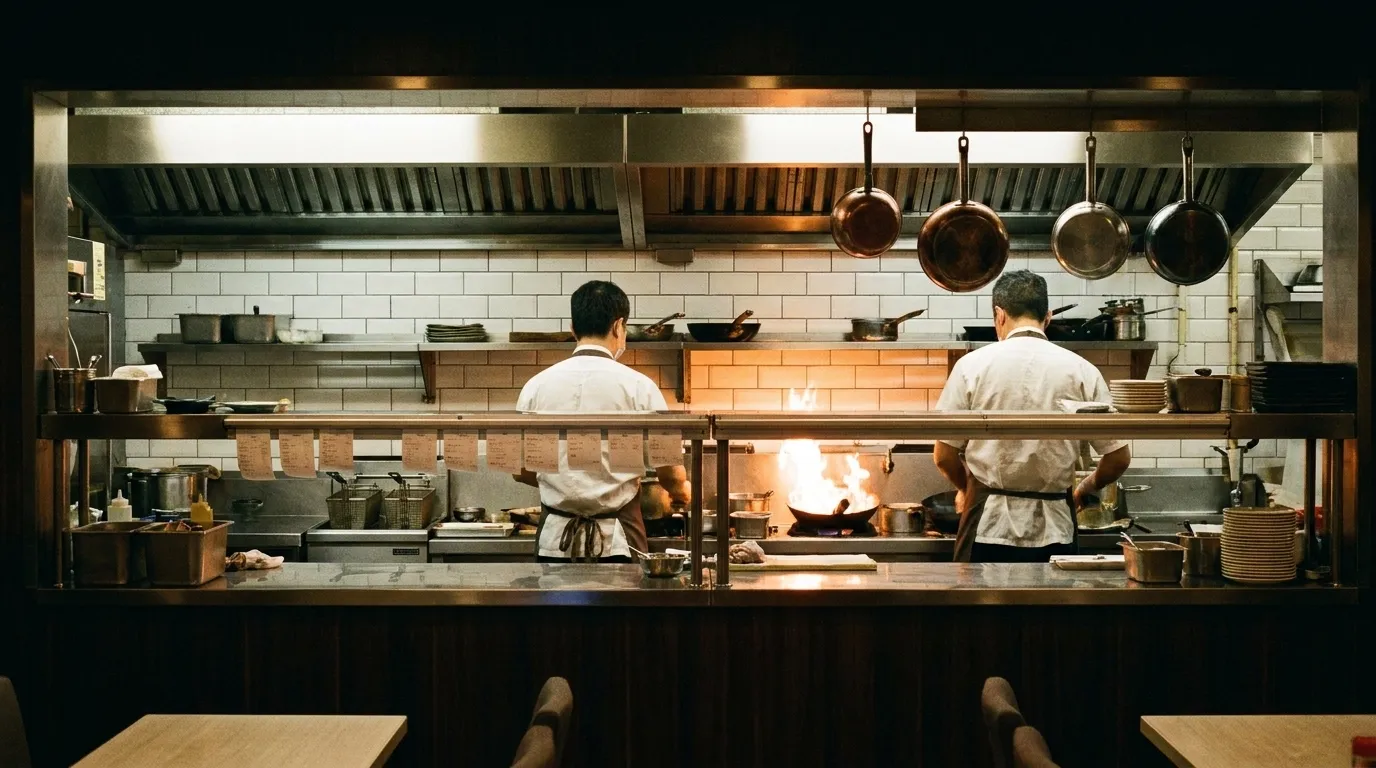
A few signals separate a considered opening from a speculative one. A menu with fewer than a dozen savoury items usually means the kitchen has decided what it is; a menu with thirty means it has not. A wine list with a point of view — even a narrow, opinionated one — is a sign somebody is paying attention. Bread made in house is expensive and nobody does it accidentally. And a room that lists its purveyors is making a claim it can be held to.
The counter-signals are equally consistent. A restaurant that opens with a full-page press narrative and a designer credited before the chef is selling a room rather than a meal. A menu that spans four cuisines is hedging. And a place that takes bookings sixty days out on day one has usually been advised to manufacture scarcity, which tells you about the marketing rather than the cooking.
Going early, going late
If you want to go early, go for lunch or on a weeknight in the first month, when the kitchen has room to breathe and staff have time to talk. Ask what they are proudest of and order that; new kitchens will tell you honestly, and it is usually the dish the menu was built around. Expect at least one thing to arrive wrong and judge the room on how it handles that rather than on the error.
If you would rather wait, the six-month mark is when a new restaurant's reputation stabilises and its booking pressure drops from the opening spike. That is frequently the best time to eat somewhere: the food is at its most confident and the table is available. A great deal of the frustration around new restaurants comes from trying to eat at them in exactly the eight weeks when they are hardest to get into and least ready.
The pop-up pipeline
A large share of New York's most interesting openings do not start as restaurants. They start as a residency in someone else's dining room on a Monday, a stall at a weekend market, or a supper club run out of an apartment, and they graduate to a lease once there is a following. This pipeline is where the genuinely new cooking in the city appears, and it is almost entirely invisible to search. If a new restaurant's opening announcement mentions a residency or a market stall in its history, that is a strong signal: the menu has already been tested on paying customers, the operator has a base, and the shakedown period will be short.
Practical notes
Check whether a new room has a liquor licence yet; many open on a temporary permit or with none at all, and several of the best small openings in Brooklyn run bring-your-own for their first months, which is worth knowing before you arrive with nothing. New restaurants change hours frequently in their first season — closed days move, lunch service starts and stops — so confirm on the day rather than from a listing. Deposits and card holds are far more common at new rooms than at established ones. And if a place has been open under six weeks, a walk-in at an early hour is usually easier than any booking, because the reservation book fills before the room does.
Tags: #NYC #NewYorkCity #NewRestaurants #NYCOpenings #NYCRestaurants #FoodNearMe #Brooklyn #Bushwick #LowerEastSide #Astoria #LongIslandCity #WhereToEatNYC #NYCEats #DinnerNYC
All trademarks are the property of their respective owners.
Ask Karpo first
Want to know which rooms near you have opened in the last few months, which have settled into being good, and where you can walk in tonight? Ask Karpo for a shortlist before you commit to a booking.