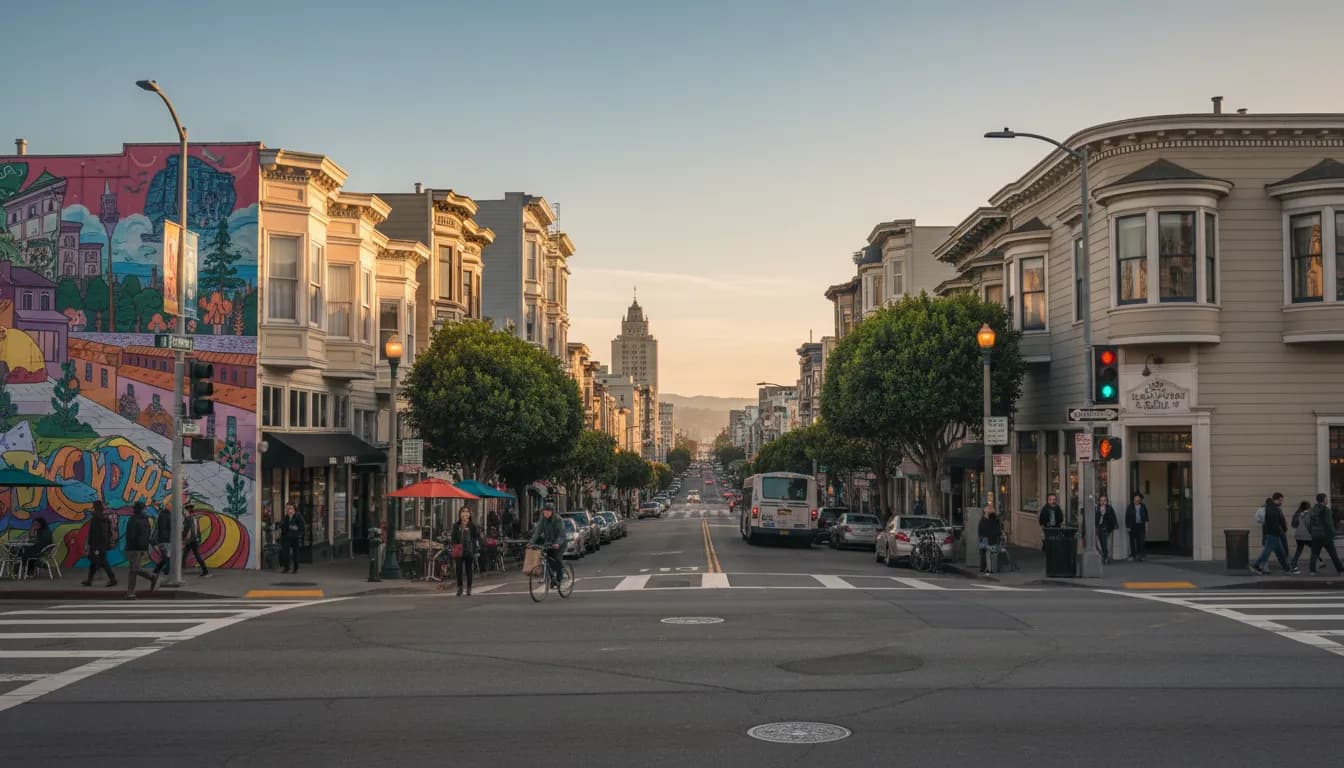
In San Francisco, the phrase "the end of oak street" conjures visions of a city corner layered with history, local culture, and a distinctive residential-meets-urban atmosphere. This terminus, linking the Lower Haight with the Panhandle and leading into the broader Western Addition, has become a quiet focal point for both longtime residents and curious visitors. The end of oak street is more than a simple endpoint—it’s a place where the city’s Victorian architecture meets green open space, and where busy commuters share pavement with those seeking a moment of calm. With Muni lines threading through, and bicycle and pedestrian routes connecting nearby neighborhoods, the end of oak street is both a crossroads and a destination. Whether you’re aiming to explore the area’s understated charm, trace its historical roots, or simply enjoy a stroll beneath leafy trees, this guide will help you navigate the nuances that make this part of San Francisco memorable.
Ready to experience the unique feel of the end of Oak Street? Use this neighborhood guide to plan a rewarding visit, discover essential local insights, and navigate the best of what this San Francisco corner has to offer.

A Crossroads of History and Renewal
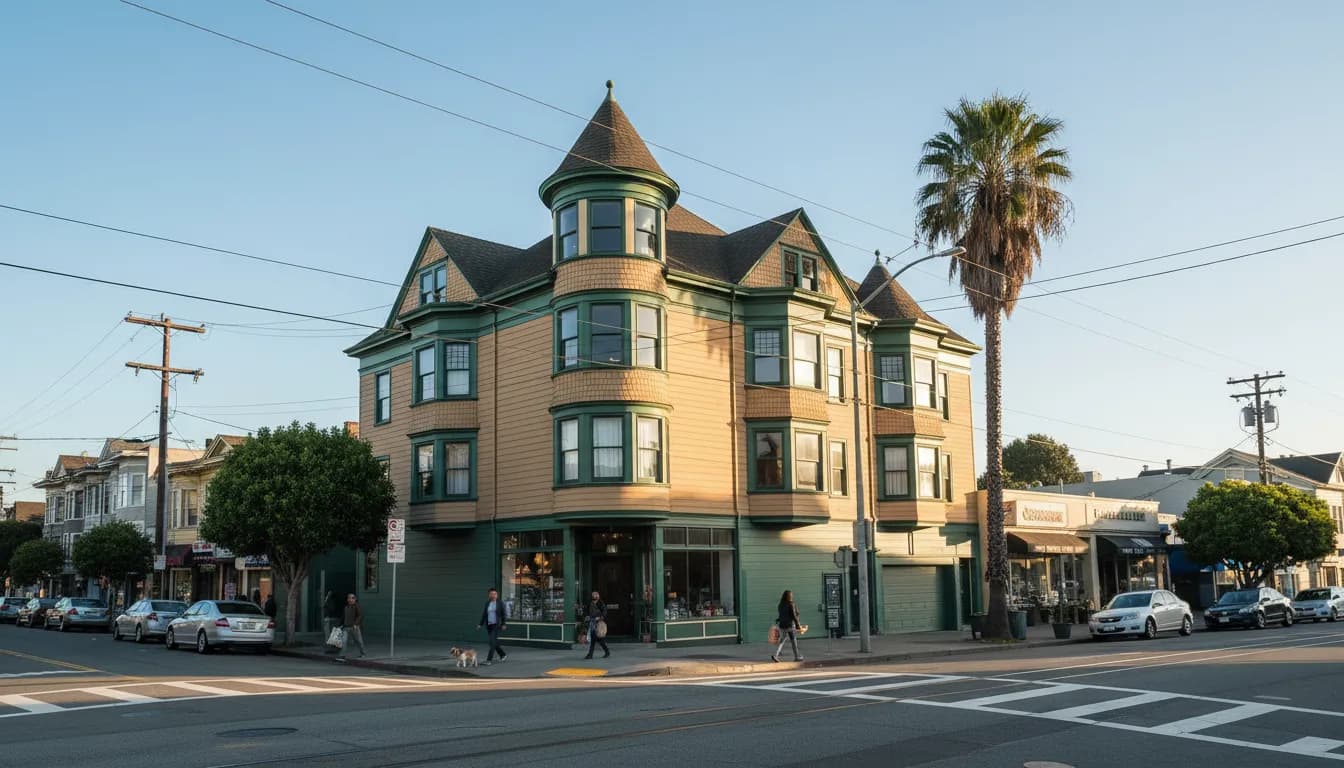
Standing at the end of Oak Street places you at the juncture of some of San Francisco’s most historic neighborhoods. Victorian and Edwardian homes line the blocks, echoing the area’s legacy as a residential stronghold dating back to the late nineteenth century. Over time, the region has seen waves of change but has retained a strong sense of place, shaped by a mosaic of communities and architectural detail.
Urban renewal efforts in the twentieth century brought new energy and challenges, giving rise to a complex blend of old and new. Today, you’ll notice how historic facades coexist with modern buildings, and how community gardens and murals lend color and meaning to the landscape. The end of Oak Street serves as a living timeline of San Francisco’s evolving identity.
Consider taking a guided walking tour, which occasionally starts near this intersection, to learn about the stories behind the area’s transformation. Public information kiosks and neighborhood markers offer context for those wandering on their own. Even a self-directed stroll reveals how the city’s layered history remains visible and accessible at this crossroads.
Panhandle Access and Outdoor Life
The western terminus of Oak Street opens directly onto the famed Panhandle, a narrow greenway that serves as a gateway to Golden Gate Park. Locals and visitors alike flock here for jogging, cycling, and relaxation beneath mature trees. Benches and wide paths make it one of the city’s more accessible outdoor spaces, while nearby playgrounds and fitness stations draw a steady stream of families and fitness enthusiasts.
Biking routes along Oak Street are well-marked, tying into the city’s broader network. If you’re planning to explore further, bike rentals are available nearby, and Muni’s N-Judah line drops you within walking distance. Be mindful that the area’s weather can be variable—layers and a light jacket are a smart choice year-round. Early mornings and late afternoons offer the best atmosphere for photos and quieter experiences.
Seasoned locals recommend starting your Panhandle adventure at the end of Oak Street, where paths are less crowded and entry points are universally accessible. Water fountains, public restrooms, and easy connections to cross-town transit make the area especially convenient for a spontaneous outdoor break or a longer urban hike.
Street Life, Cafés, and Local Flavor
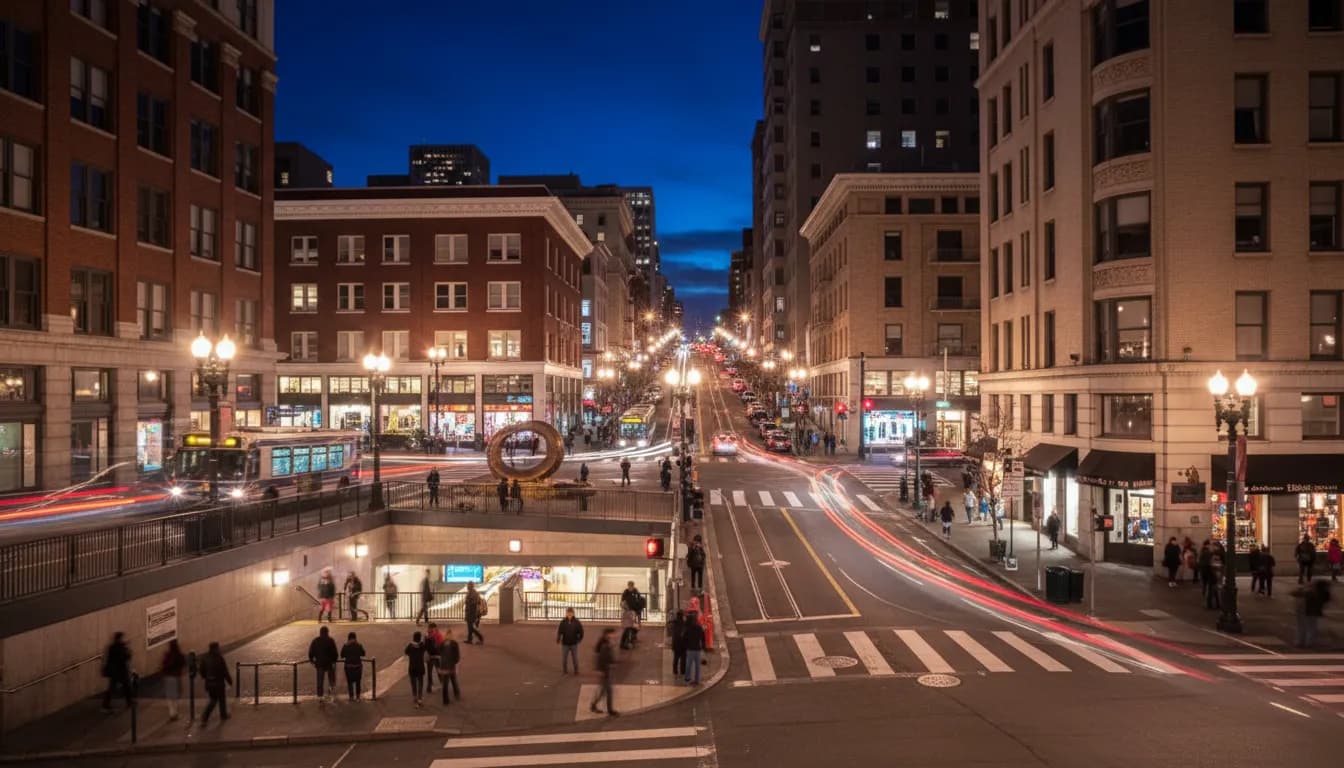
The blocks adjacent to the end of Oak Street offer a window into daily San Francisco life, where independent cafés, corner stores, and pocket parks create a welcoming neighborhood vibe. You’ll find residents enjoying a morning coffee or evening stroll, often accompanied by dogs eager for their park routine—an authentic slice of the city’s social fabric.
Pop-up markets and weekend sidewalk art displays occasionally enliven the area, reflecting the creativity and entrepreneurial spirit of its community. While there are no major attractions right at the terminus, the charm lies in the rhythm of daily routines and the subtle details: decorative stoops, bicycle racks, and a diverse array of window displays on nearby streets.
Dining options and retail are concentrated within a few blocks, so plan ahead and check hours before venturing out, as smaller businesses may keep irregular schedules. Locals suggest visiting on weekday mornings for a quieter experience or late afternoons to catch the neighborhood at its most vibrant.
Transit Connections and Urban Navigation
Getting to the end of Oak Street is straightforward, thanks to San Francisco’s extensive public transit. The area is well-served by several Muni bus and light rail lines, which run frequently and provide connections to the Civic Center, Mission, and Haight-Ashbury districts. Do check route updates and service schedules using SFMTA’s official site before heading out.
Parking can be tight, especially during peak hours or citywide events. Public transit, rideshares, and bicycles are the most reliable ways to arrive. The area’s relatively flat terrain at Oak Street’s terminus makes it easier to navigate compared to steeper San Francisco neighborhoods, and crosswalks are generally accessible, with curb cuts and signals for safe crossing.
If you’re combining your visit with stops at nearby parks or cultural sites, consider downloading a local transit app for real-time updates. For those with mobility concerns, most intersections are ADA-compliant, and Muni vehicles are equipped for accessibility. Always verify your route and have a backup plan in case of schedule changes or street closures.
Local Character and Seasonal Considerations
The end of Oak Street offers a distinctive snapshot of San Francisco’s character—laid-back yet vibrant, with a mix of old-timers and newcomers coexisting in a friendly, walkable setting. Community notice boards and free little libraries dot the corners, signaling a neighborhood that values connection and shared resources. You might notice a subtle pride in the way residents tend to their gardens and front steps.
Seasonal changes bring subtle shifts to the area’s ambiance. Spring and summer see an uptick in outdoor gatherings and activity around the Panhandle, while fall and winter are quieter but no less inviting. Fog is a frequent companion, lending the streets a soft, cinematic feel—especially in the early morning or at dusk. Dress for cool breezes and unexpected showers at any time of year.
For budget-conscious visitors, the end of Oak Street provides ample opportunities for affordable exploration. Most amenities, from parks to local shops, are free or low-cost. Be sure to check local websites or message boards for neighborhood events, pop-ups, or special seasonal offerings. Planning ahead will help you make the most of your time in this uniquely San Franciscan enclave.
Practical notes
San Francisco’s hilly terrain is legendary, but the area around the end of Oak Street is relatively gentle—making it accessible to most walkers and those with mobility aids. Still, comfortable, supportive shoes are highly recommended for navigating uneven pavement or longer excursions into adjacent neighborhoods. Weather can change suddenly; layering is essential. Public transit is convenient, with several Muni lines and bike routes converging nearby, but always check SFMTA’s live updates for delays or reroutes. Parking is limited and metered, with residential permits required on some side streets. Many local businesses keep variable hours, especially on weekends, so confirm timing before heading out to eat or shop. While the neighborhood is generally safe and welcoming, it’s wise to stay aware of your surroundings, especially after dark. For more information on local planning and resources, consult city agency sites or neighborhood associations before your visit.
Tags: #SanFrancisco #OakStreet #NeighborhoodGuide #Panhandle #UrbanExploration #CityParks #HistoricDistricts #LocalTips #PublicTransit #WalkSF #SanFranciscoLife #AccessibleTravel #BayAreaLiving #CommunityVibes #HiddenGems
Sources consulted: SFMTA · San Francisco Travel · SF Recreation and Parks
All trademarks are the property of their respective owners.
Ask Karpo first
Explore the end of Oak Street in San Francisco for a refreshing blend of local character, green spaces, and urban history. Use this guide to plan your next stroll or afternoon outing—whether you’re a city resident or a visitor eager to discover a quieter side of the city.


