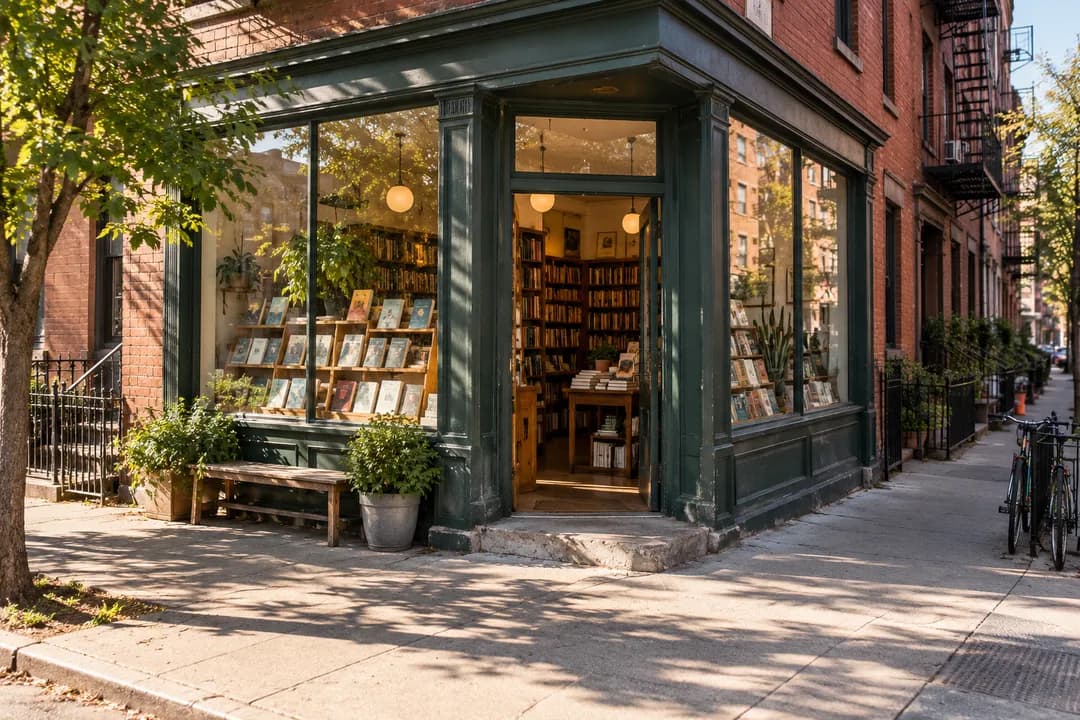
 WORD Bookstore in Greenpoint Remains a Community-Focused Indie Bookstore Near Me
Hidden Gems & Odd Finds
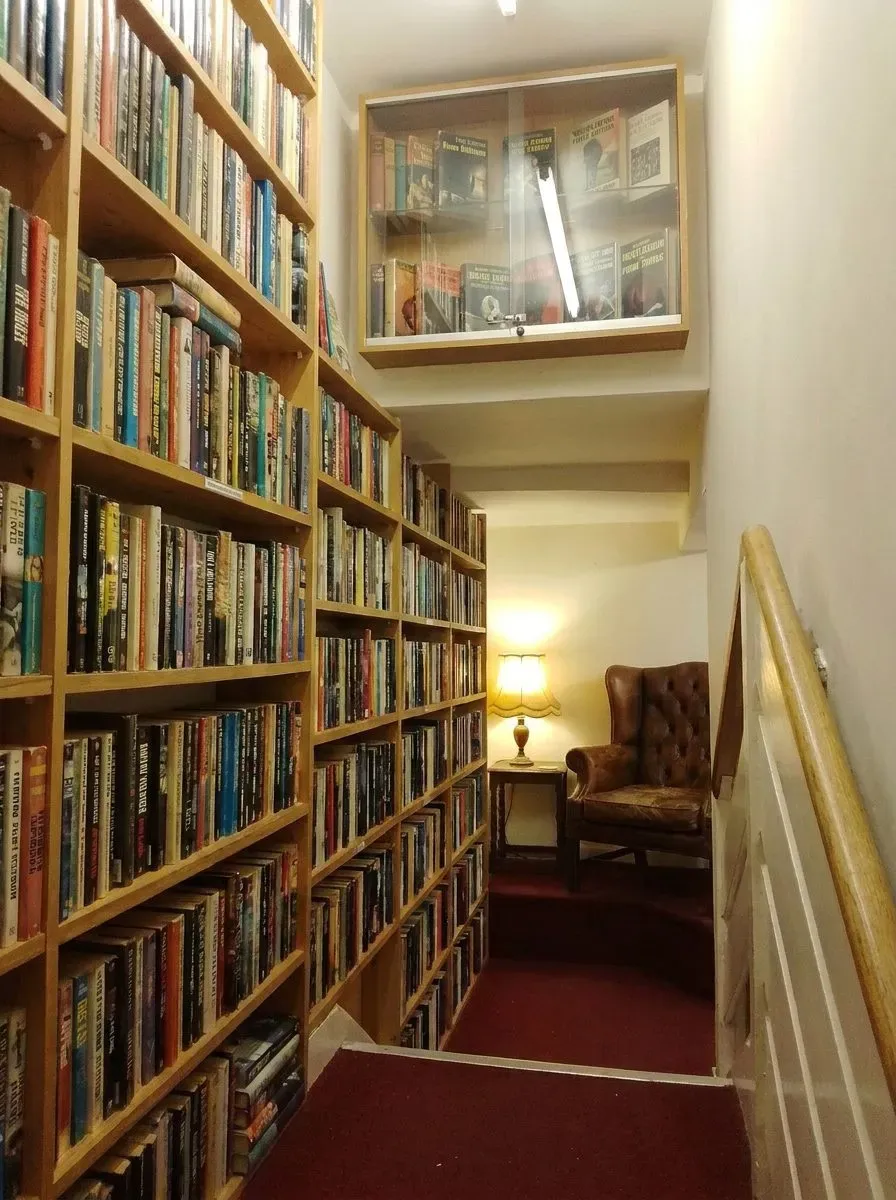
the mysterious bookshop's first editions when tribeca's crime fiction collectors arrive midweek
Tribeca's warren of narrow rooms houses one of the world's largest crime fiction collections. Serious collectors know to arrive midweek afternoons when staff have time to unlock the rare cases and discuss lineages.
The bookshop occupies a ground-floor corner on Warren Street with the kind of modesty that signals confidence. No garish signage, no window displays engineered for Instagram. Just narrow rooms stretching back farther than the facade suggests, shelves climbing to the ceiling, and the particular silence that settles over places where people come to hunt rather than browse. This is where Tribeca's crime fiction collectors conduct their searches, and where weekday afternoons reward patience with access that weekend traffic does not permit.
The locked cases and what they protect
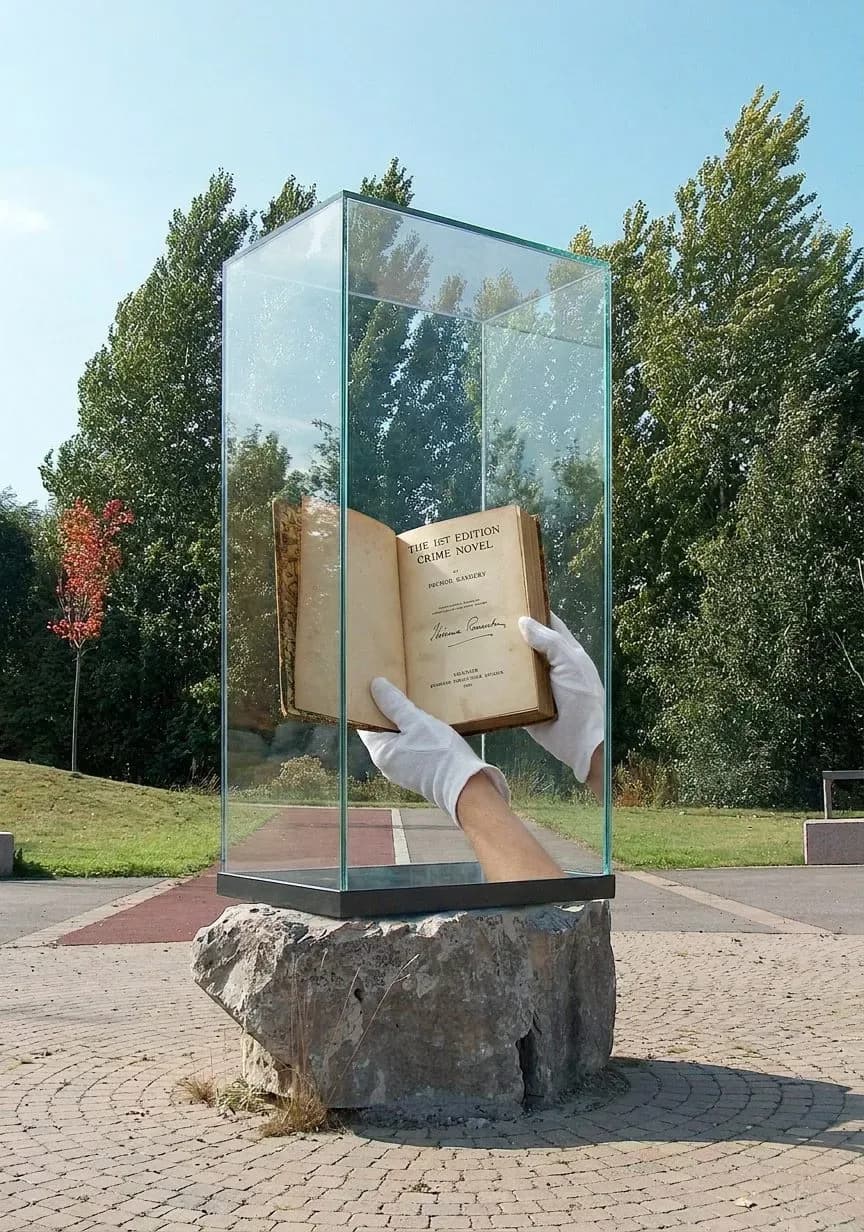
Near the front desk, a series of glass-fronted cases hold the kind of inventory that requires conversation before handling. Signed first editions of Patricia Highsmith, early Chandler hardcovers with intact dust jackets, Hammett printings that predate his Hollywood fame. These are not browsing stock. Staff keep the cases locked, and accessing what is inside requires both inquiry and adherence to handling protocols—cotton gloves for certain items, examination at the desk rather than in the narrow aisles, and a tacit understanding that you know what you are looking at.
The protocols exist for reason. Some of the paperbacks—lurid covers from Gold Medal and Ace and Lion Books—are as fragile as they are rare, their pulp stock never intended to survive sixty years of handling. Others carry provenance that adds layers to their value: inscriptions to fellow writers, marginalia, association copies that connect one title to a larger literary web. The staff can recite these lineages if you ask the right questions.
Midweek hours and the collectors who keep them
Weekends bring casual traffic—tourists extending their Tribeca walks, readers seeking beach paperbacks, the merely curious. Collectors often visit on weekday afternoons, when foot traffic thins and the full staff is available to field questions that require more than pointing toward a section. This is the window when a query about, say, the evolution of Scandinavian noir or the influence of Gold Medal originals on American hardboiled style will yield a twenty-minute conversation and a stack of pulled titles, some from the back room inventory that never makes it to the floor.
The rhythm of these afternoons follows a different cadence than retail hours suggest. There is time to examine a book's binding, to compare states of a first edition, to ask whether the shop has located a particular title mentioned in last month's search. Staff remember requests, follow auction listings, make calls to other dealers. This is not quite a city guide experience in the conventional sense—there are no landmarks to photograph, no tasting menus to document—but it offers something increasingly rare in 2026's algorithmic retail landscape: expertise applied in real time to individual curiosity.
Navigation by subgenre and tradition
The shop's organization can confound first-time visitors expecting simple alphabetical shelving. Instead, the taxonomy follows the genre's internal logic: noir occupies its own section, separate from procedurals, which are distinct from cozies, which have nothing to do with the espionage shelf wedged near the back stairs. Thrillers split into domestic and international. Private investigators are shelved by regional tradition—Los Angeles is not lumped with Boston, and both are separate from the British strand.
This system makes sense once you understand that collectors and serious readers think in terms of lineage and influence rather than author surname. Someone hunting for books in the vein of Derek Raymond is not helped by finding him alphabetically between two cozy writers. The staff serve as guides through this taxonomy, interpreting requests and translating interests into the shop's particular geography. They know which out-of-print titles occupy space in the British procedural section versus which have migrated to the locked cases.
Author events and the signed stock that follows
The shop maintains a monthly schedule of author appearances and signings, almost always on weekday evenings to accommodate writers passing through the city on book tours or local authors who can spare a Thursday night. These events are intimate by design—the space cannot hold more than forty people comfortably—and they draw the kind of audience that arrives with dog-eared advance reader copies and questions about craft rather than requests for selfies. Signed stock from these events remains available afterward, typically at the front counter, marked with event stickers and dated. For collectors building signed-first collections, these are opportunities to acquire signatures without the premium that comes from dealers or auction houses.
The event calendar circulates via email rather than social media, a small barrier that filters for genuine interest. By late 2026, this approach feels almost anachronistic, but it also means that those who do show up are there for the conversation rather than the content.
The back room and what else they can pull
Not everything lives on the floor. The shop maintains additional inventory in a back room—overflow, recent acquisitions awaiting evaluation, special requests being held for customers who inquired months ago. Staff will pull from this stock during those midweek afternoon hours if you describe what you are hunting with enough specificity. Looking for Gold Medal originals in decent condition? They might have a box that arrived last week. Trying to fill gaps in a Westlake collection? There is a stack awaiting pricing.
This access depends on establishing the kind of rapport that cannot be rushed. The shop sees enough serious collectors that staff have learned to distinguish between casual interest and committed searching. Once they understand what you are building—whether that is a comprehensive Highsmith collection or a survey of Chicano noir or a run of British Library Crime Classics—they become collaborators in the hunt, noting arrivals and setting aside possibilities.
What else Tribeca offers the afternoon collector
Tribeca in the mid-afternoon carries its own unhurried quality, particularly on weekdays when the neighborhood empties of its office workers but has not yet filled with evening diners. The walk from the bookshop south toward Battery Park or north along the Hudson offers the kind of aimless city wandering that pairs well with the mental state of having spent two hours examining crime fiction. Washington Market Park provides benches if you want to start reading immediately. The neighborhood's cafes and wine bars begin their transitions from afternoon to evening service, offering quiet corners for those who prefer to extend the solitary mood a bit longer before heading uptown.
Practical notes
The Mysterious Bookshop is at 58 Warren Street, between West Broadway and Church Street. Nearest subway: Chambers Street (1, 2, 3, A, C, E). Street parking is scarce. Hours vary seasonally; verify directly before visiting. The shop is street-level accessible, though the narrow aisles and tight turns between sections may challenge some mobility devices. Bring a want list if you are hunting specific titles; the staff appreciate specificity. A tote bag is useful—they have bags, but collectors tend to leave with more than they planned. Call ahead if you need access to specific locked-case items; they can have materials ready for examination.
Tags: #TheOddEdit #MysteriousBookshop #TribecaNYC #CrimeFiction #RareBooks #FirstEditions #BookCollecting #NYCBookstores #LiteraryNYC #MidweekNYC #CollectorsGuide #MysteryBooks #TribecaFinds #Summer2026 #IndependentBookstores
Please drink responsibly. Must be of legal drinking age.
Sources consulted: Crime Fiction · Tribeca · NYC Tribeca Guide · MTA Transit Info · NY Times Books
All trademarks are the property of their respective owners.
Ask Karpo for more information.
Keep reading
- WORD Bookstore in Greenpoint Remains a Community-Focused Indie Bookstore Near Me
 The Corner Bookstore on Madison Avenue Is Carnegie Hill's Indie Bookstore Near Me
 192 Books in Chelsea Brings Art and Fiction to Indie Bookstore Near Me