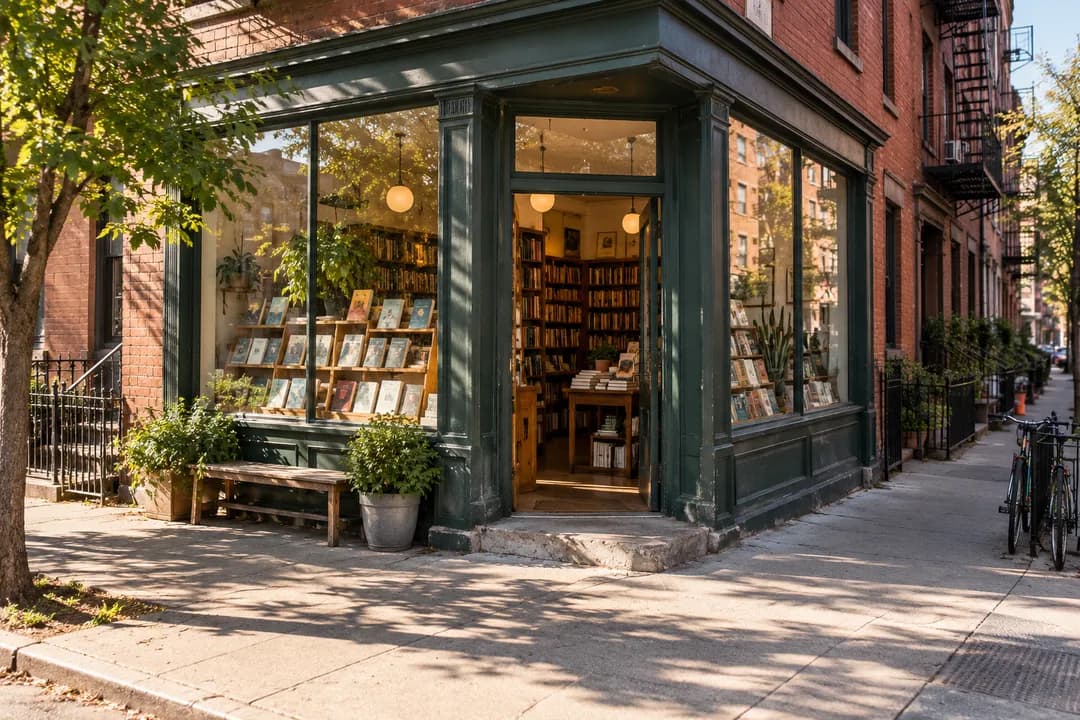
 WORD Bookstore in Greenpoint Remains a Community-Focused Indie Bookstore Near Me
Hidden Gems & Odd Finds
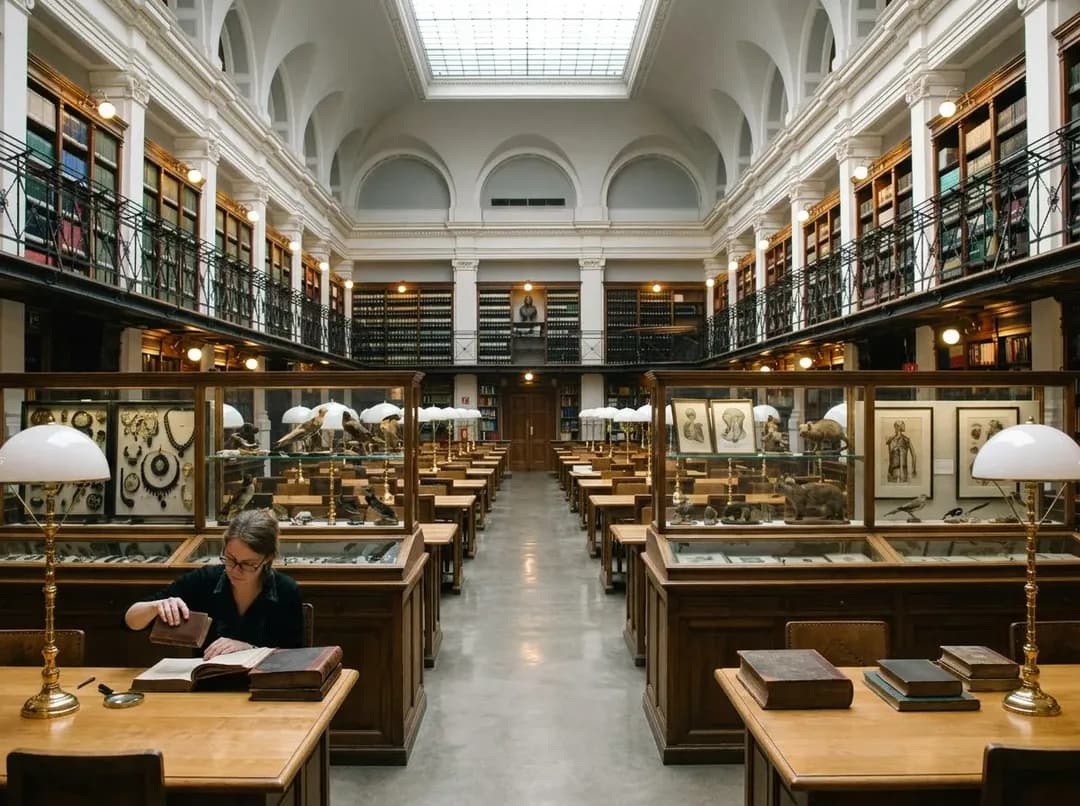
morbid anatomy's library when gowanus collectors research victorian mourning practices
A specialized research library in Gowanus grants by-appointment access to rare texts on taxidermy, embalming, and Victorian mourning customs—where death culture scholars and anatomical illustrators work in focused silence.
The reading room at Morbid Anatomy's library occupies a quiet corner of Gowanus where the ambient hum of the canal district fades into archival stillness. This is not a browsing space for casual visitors. It's a working library where academics pull rare taxidermy manuals from shelves, where illustrators photograph medical engravings under careful supervision, and where collectors trace the provenance of Victorian hair jewelry through brittle-paged mourning guides. The atmosphere carries the particular weight of concentrated research—whispered consultations, the soft rasp of cotton gloves against century-old paper, the deliberate care with which someone photographs a plate from an 1870s embalming handbook.
The appointment system
Access to the collection operates strictly by appointment, following a published schedule that typically offers research hours several afternoons per week. This structure emerged from necessity after the museum's earlier incarnation closed its doors; the library model allows staff to support serious scholarship while managing the delicate materials in their care. You book a slot online, state your research interests, and arrive to find a workspace prepared—relevant volumes set aside, archival boxes labeled, reference materials queued.
The system filters for intent. Weekend plans don't usually include four hours with Victorian autopsy photography, but for those researching specific traditions within death culture or verifying details for a novel set in a nineteenth-century anatomy theater, the focused environment proves invaluable. There's no background music, no espresso machine hiss. Just the shared understanding that everyone present has come for a particular kind of knowledge.
What the shelves hold
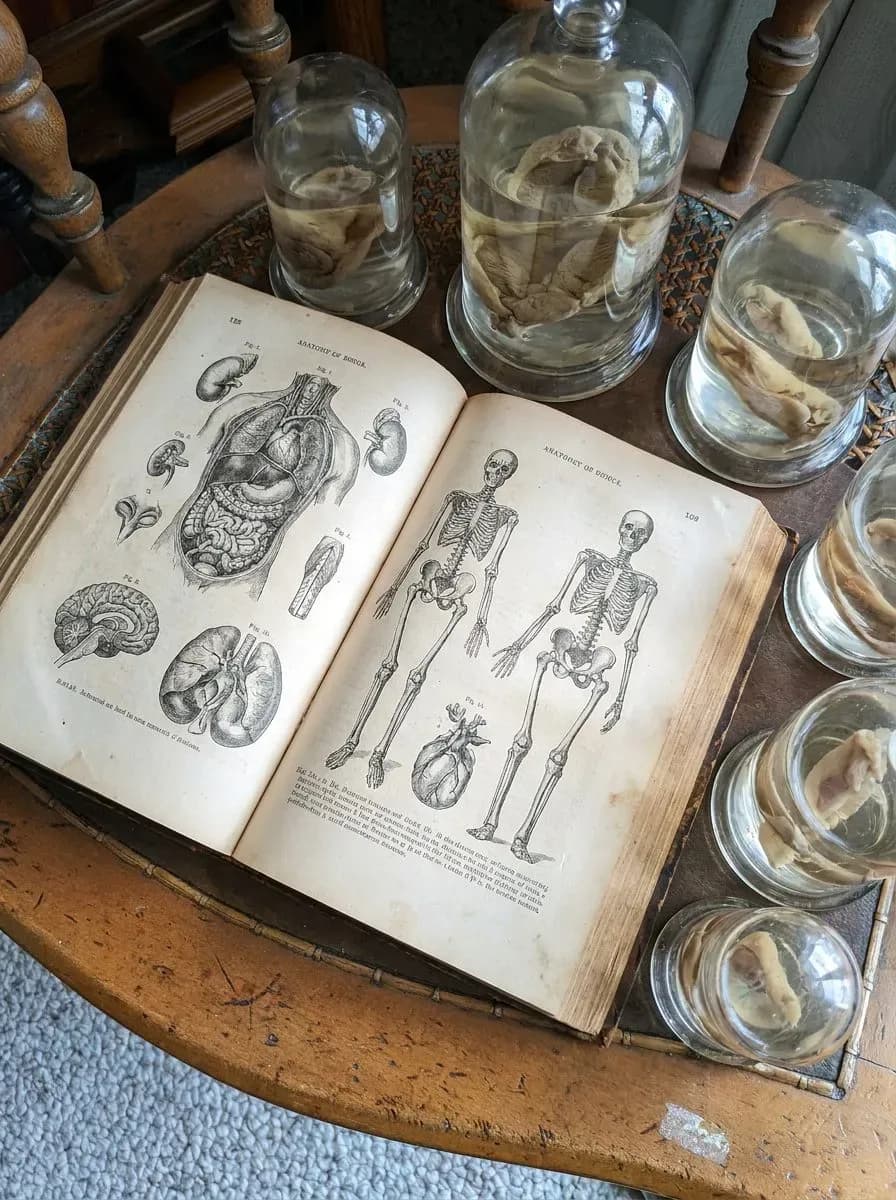
The collection's strength lies in its specificity. The library houses rare taxidermy manuals and Victorian mourning guides not available through general library systems, alongside medical illustration folios, thanatology journals, and ephemera from funeral customs across cultures. Staff members possess deep familiarity with the holdings and can suggest related materials you might not have known to request—a French mourning etiquette guide that complements the English broadside you came to see, or a 1920s embalming supply catalog that contextualizes the techniques described in an earlier text.
This is where artists come to verify the exact drape of a mourning veil or the hardware used in Victorian post-mortem photography. It's where costume designers confirm the weight of jet beads, where writers check the vocabulary of nineteenth-century anatomists. The materials resist digitization—the tactile qualities matter, the paper stock and binding methods contain information, and many items remain too fragile or obscure to have received institutional scanning attention elsewhere.
Working with archival materials
Not everything lives on open shelves. Special collection items require advance notice for retrieval from archival storage, with handling instructions provided during your scheduled appointment. You might request a particular mourning sampler or a boxed set of anatomical watercolors, and staff will prepare the materials for viewing, often with conservation-grade supports and guidance on photography permissions. The protocol isn't bureaucratic theater; these objects are genuinely rare, sometimes singular, and the library's ability to share them depends on careful stewardship.
Researchers wear cotton gloves for certain materials, use book cradles for fragile bindings, work at tables with controlled lighting. The staff's expertise extends beyond locating items—they can contextualize a mourning card's regional origin, identify the engraver of an unsigned anatomical plate, or connect your research question to a visiting scholar who worked with similar materials the previous month. It's curatorial consultation embedded in library service.
Who shares the reading room
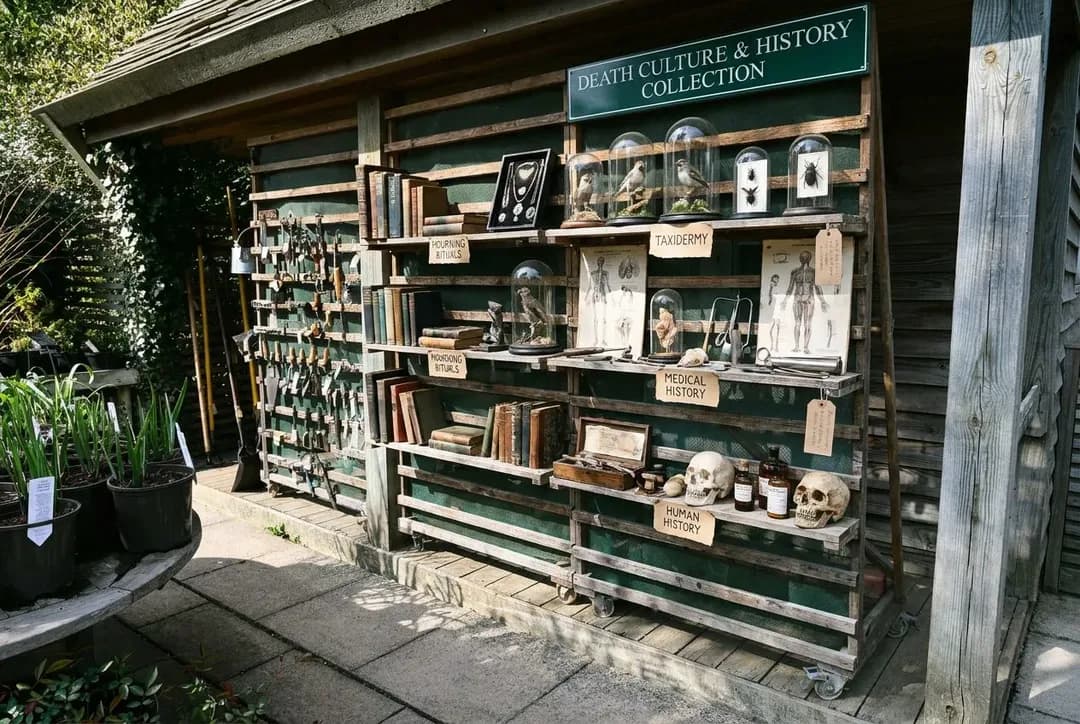
The appointment structure creates an accidental community. You might research beside a graduate student working on a dissertation about nineteenth-century spiritualism, a jewelry maker studying hair work techniques, or a medical illustrator tracing the evolution of anatomical rendering styles. Conversations happen in low voices during breaks—someone asks if you've seen the particular plate they're trying to locate, or mentions a related archive in Philadelphia. The space fosters the kind of serendipitous exchange that happens when specialists converge on uncommon ground.
By late 2026, the library has settled into a rhythm that balances accessibility with preservation. Regulars know to book research time well in advance, especially during academic calendar peaks. First-time visitors often arrive with specific questions and leave with unexpected connections—a pamphlet that reframes their project, a suggested reading that opens new lines of inquiry, or simply the validation that their niche interest has precedent and depth.
The Gowanus context
The library's Gowanus location feels appropriate in ways that transcend real estate pragmatism. This neighborhood has long harbored the city's stranger archives—binding studios, letterpress workshops, the kind of specialized trades that require space and tolerate odd hours. Walking to Morbid Anatomy from the subway, you pass canal-side lots where industrial history surfaces literally and metaphorically, where the past refuses to stay buried. It's a landscape that already thinks about layers and what endures.
Inside the reading room, the windows frame that particular Brooklyn light—refracted through water and construction scaffolding, softened by industrial haze. The building itself makes no attempt to disguise its workmanlike bones. This isn't a marble-halled repository; it's a functional space where serious inquiry happens without institutional grandeur. The lack of pomp suits the subject matter. Death culture resists romanticization when you're six hours into comparing embalming fluid formulations across three decades of trade journals.
Practical notes
Morbid Anatomy Library is at Industry City, 254 36th Street, Building 2, Room B421, Brooklyn. Nearest subway access is the D/N/R at 36th Street/4th Avenue, with the site also served by the F/G at 4th Avenue/9th Street. Street parking exists but turnover varies; the neighborhood has metered spots and residential permit zones. The library’s listed public hours are noon to 5 pm every Saturday, with no general seasonal research schedule stated. Bring photo ID, your research notes or questions, and a laptop or camera if you plan to document materials (staff will specify photography permissions). The reading room is located on the building's second floor; contact the museum directly regarding accessibility accommodations. Verify all hours and policies before visiting, as research schedules may adjust for archival conservation work or special programming.
Tags: #MorbidAnatomy #GowanusNYC #TheOddEdit #DeathCulture #VictorianMourning #ResearchLibrary #RareBooks #BrooklynCulture #ArchivalResearch #MedicalHistory #Taxidermy #NYCLibraries #FallInNYC #SpecialCollections #AnatomicalIllustration
Sources consulted: Morbid Anatomy Museum · Victorian Era · Gowanus Alliance · NY Times New York · MTA Trip Planning
All trademarks are the property of their respective owners.
Ask Karpo for more information.
Keep reading
- WORD Bookstore in Greenpoint Remains a Community-Focused Indie Bookstore Near Me
 The Corner Bookstore on Madison Avenue Is Carnegie Hill's Indie Bookstore Near Me
 192 Books in Chelsea Brings Art and Fiction to Indie Bookstore Near Me