 South Miami Pet Boutique Since 1986: Dog From Ipanema
Hidden Gems & Odd Finds
GANXXET Yarn Store in Miami: Weekday Pickup Tips
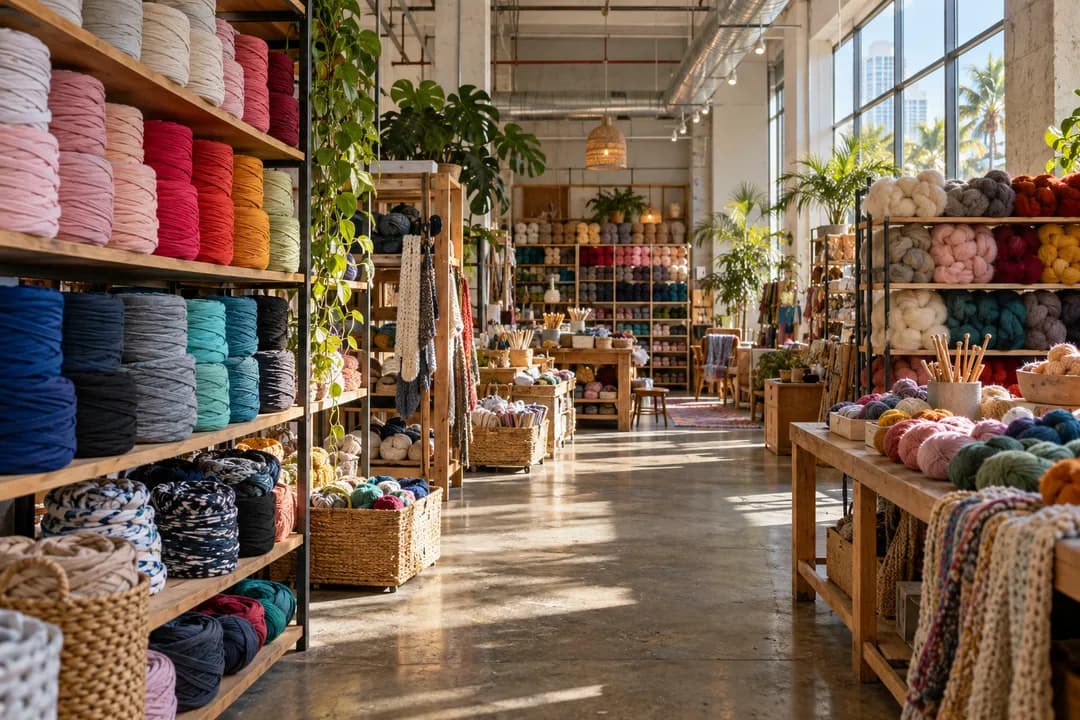
GANXXET at 2624 NW 72nd Ave sells yarn, wool, cord, and knitting supplies on weekdays, with a warehouse-style visit that rewards a focused shopping list.
GANXXET at 2624 NW 72nd Ave, Miami, FL 33122, is a useful answer to a yarn store search when the project needs more than one ball of standard wool. The official shop lists recycled t-shirt fabric yarn, cotton yarn, merino roving wool, wool fibers, knitting and crochet supplies, weaving materials, and DIY kits, with visiting hours Monday through Friday from 8 am to 3 pm. This is a supply-focused stop rather than a tiny neighborhood boutique, so the best visit starts with a clear project, a material question, and enough time to compare texture and weight before loading up a cart.
A Miami Yarn Stop Built Around Materials
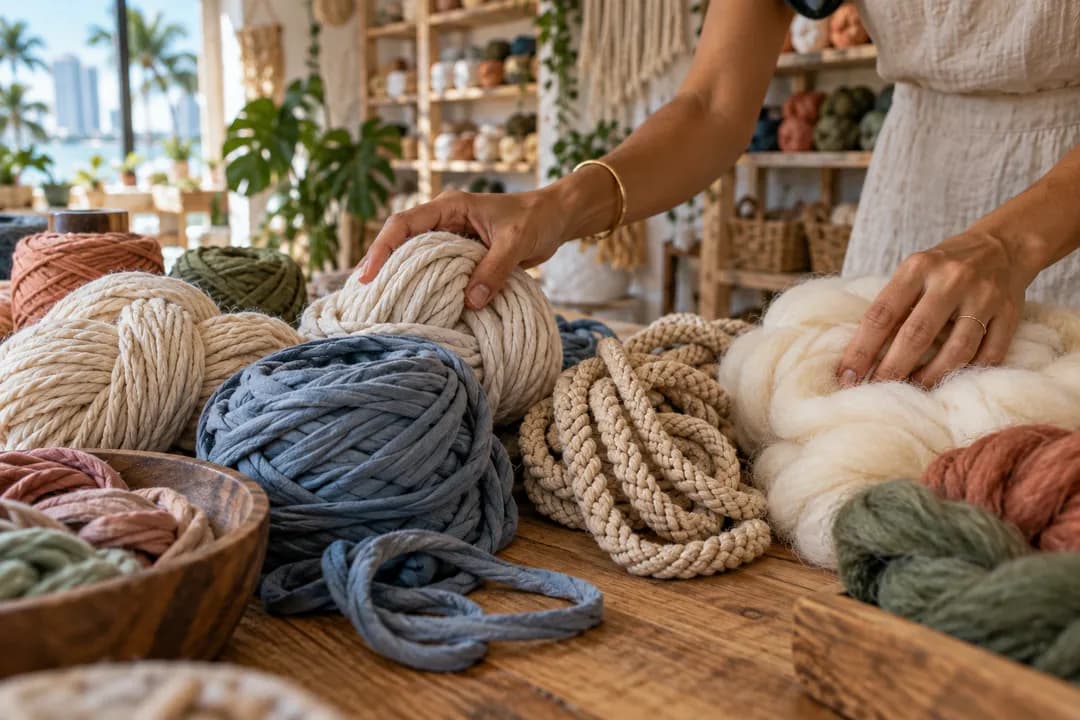
GANXXET’s own catalog makes its point through breadth. The site separates macrame, weaving, crochet, and knitting supplies, then breaks those families into cotton cords, t-shirt fabric yarn, braided yarn, cotton yarn, wool fibers, merino roving, handmade looms, and project kits. That range changes the way a shopper should enter the space. Instead of asking for one universal “best yarn,” begin by naming the object: a basket, a wall hanging, a sweater, a crochet bag, a woven panel, or a small seasonal project. The material choice becomes much easier once the finished scale and structure are clear.
The most distinctive lane is the recycled and fabric-based yarn section. GANXXET describes its soft cotton cords as upcycled material made from garment-industry fabric waste, a useful detail for shoppers who want a chunky textile with a more tactile, graphic finish than a conventional strand. T-shirt fabric yarn also works well for projects that need body and visual weight. It is a different starting point from merino roving or fine knitting yarn, so do not treat the categories as interchangeable. Ask what kind of drape, stretch, thickness, and surface the finished piece needs before choosing a color family.
Merino roving and wool fibers point in another direction. They are better suited to fiber work that depends on softness, loft, blending, or a visibly natural texture, while cords and braided yarn create more architectural lines. Cotton yarn sits between those worlds: it can support crochet, knitting, weaving, and warm-weather accessories without the same fuzzy halo as wool. A useful shopping habit is to hold one option in each hand, pull gently to feel recovery, and look at the strand against the project notes before deciding. That small pause prevents a beautiful skein from becoming the wrong material at home.
How to Shop Without Losing the Project
The store’s weekday window is 8 am to 3 pm, so the visit rewards a deliberate schedule rather than a spontaneous evening stop. Arriving early gives a knitter or crocheter the calmest chance to compare colors and textures before the day’s errands begin. A late-morning visit is useful for anyone who wants to browse the full category mix, while an early-afternoon run works better for a prepared pickup list. The official site does not list weekend visiting hours, so build the trip around the published Monday-through-Friday window instead of assuming Saturday access.
Bring the project’s pattern, a photo, or a short materials list. Write down the approximate amount needed, the desired gauge or thickness, the needle or hook size, and whether the finished item must hold a shape. These notes turn a large supply selection into a short decision tree. For a structured basket, start with fabric yarn or a firm cord; for a soft, airy textile, move toward merino or wool fibers; for a woven piece, compare the warp-friendly materials with the more decorative weft options. The rule is simple: choose for function first, then let color make the final call.
The same discipline helps with tools. GANXXET’s menu includes knitting and crochet supplies, weaving looms, and DIY kits, so a shopper can easily add an attractive tool that does not fit the project. Put the tool beside the yarn before buying it. A hook that is too small can make a chunky fabric yarn frustrating; a loom that is too narrow can limit a planned wall piece; a kit can be perfect for a first project but unnecessary when the maker already owns the core equipment. The best cart is not the fullest cart. It is the one that solves the project in front of you.
What to Pick First
For a first visit, start with a tactile comparison rather than a color hunt. Put recycled t-shirt fabric yarn, soft cotton, a braided cord, and merino roving next to one another and decide which surface matches the finished object. The contrast is immediate: fabric yarn reads bold and graphic, cord reads structured, cotton feels clean and practical, and roving brings softness and volume. That four-way test gives a new maker more information than scrolling through isolated product photos, especially when the project’s final texture matters as much as its color.
The DIY kit category is the easiest route for a visitor who wants a contained project. A kit reduces the number of decisions and can turn the trip into a low-pressure introduction to a new technique. Experienced makers should use the kits as idea prompts rather than automatic purchases: inspect the construction, note the material combination, and then decide whether the same design would work better in a different fiber. The store’s broader supply mix makes that kind of adaptation possible, which is more interesting than treating a kit as a fixed script.
Do not skip the small accessories. Needles, hooks, weaving tools, and finishing supplies are easy to overlook when the yarn wall is the visual focus, but they determine whether a project feels smooth or improvised. Check that the tool size matches the strand, that the finishing method suits the fiber, and that the project can be carried home without crushing the material. A small notebook is worthwhile too: record the material name, color, and quantity while the information is fresh. That note becomes valuable when the project needs a second visit or a matching order.
A Northwest Miami Craft Detour
GANXXET’s address places the stop in Northwest Miami near the airport-side commercial landscape, so it works best as a planned detour rather than a casual walk between dense retail blocks. Give the visit a little breathing room: the point is to compare materials, not sprint in, grab the first bright skein, and leave. The area’s broad roads and industrial character also make a car-based errand more natural than a neighborhood shopping stroll. Treat the store as the anchor, then build the rest of the outing around the project you are carrying home.
A good route pairs the supply run with a quiet reset after the browsing. Bring a sketchbook or pattern notes, sit somewhere comfortable, and make the first material decision while the differences are still clear in your mind. If the project is collaborative, take one sample of each leading option and let the recipient choose. That is especially useful for gifts, baby items, and home pieces where softness and color are personal. The neighborhood detour is not about collecting more stops; it is about giving the new yarn a job before it disappears into a craft drawer.
The most honest reason to choose GANXXET over a conventional craft aisle is the material vocabulary. A general craft store may solve an emergency supply need, but GANXXET’s mix of fabric yarn, cords, wool fibers, merino roving, weaving tools, and kits encourages a more deliberate project. Come here when the question is “what should this object feel like?” rather than only “where can I buy yarn today?” That shift is what turns a supply errand into a useful piece of creative research.
Practical Notes for the Visit
Use the official Monday-through-Friday, 8 am to 3 pm window as the trip’s hard boundary. The site lists the Miami visit address as 2624 NW 72nd Ave, Miami, FL 33122, and the company’s page presents that location as a place to visit. Because the published schedule is weekday-only, do not plan a weekend yarn run around it. Save the address before leaving, keep the project list nearby, and wear comfortable shoes for a supply-focused browse rather than a quick counter pickup.
GANXXET’s homepage also advertises free shipping in the United States over $119, which creates a practical choice for heavier or multi-project orders: compare what needs to be carried home with what can be shipped. That threshold is useful context, not a reason to overbuy. If the project only needs one color and one tool, the weekday visit is enough. If a group is planning several matching pieces, the online catalog and physical visit can work together, with the in-person stop reserved for texture and color decisions.
There is no need to force a complicated shopping strategy. Decide the finished object, compare two or three material families, match the tool to the strand, and leave with notes that make the project repeatable. GANXXET’s Miami stop is strongest for makers who enjoy that process: recycled fabric yarn for bold structure, cotton for clean everyday work, merino and wool for softness, and kits or looms when a new technique needs a clear starting point. For a focused weekday yarn store visit in Miami, that is a useful promise to keep.
Ask Karpo for more information.
Keep reading
- South Miami Pet Boutique Since 1986: Dog From Ipanema
 Pet Boutique Since 1999 in Coconut Grove: Lovely Pets
 Coral Gables Pet Boutique Open Sundays: Woof Gang Bakery