If you are asking what is rosh hashanah, the simple answer is that it is the Jewish New Year, usually marked by evening observance, a meal, and a slower, more reflective pace. For a low-stress night in Miami, that rhythm matters more than trying to make the evening feel busy. The goal is a plan that is calm from the moment you leave home to the moment you return. That means fewer transfers, fewer unknowns, and a setting that feels comfortable if the night runs a little later than expected.
Map your main plan and backup before sunset.

Define "easier" before you search. For some people, it means a shorter drive and easy parking. For others, it means an indoor space, step-free access, or a quiet route home. Start by searching with a neighborhood name and the practical details you need, such as accessible entrance, indoor setting, or close parking. In Miami, that habit helps you avoid choices that look convenient on a map but become stressful once you add heat, rain, traffic, or a long walk from the car.
Let Miami's geography work for you, not against you
Miami is not one easy zone. Barrier-island areas, especially near the beach, can be more exposed to traffic bottlenecks, weather, and parking pressure than inland neighborhoods. If you want the smoothest arrival, many people do better when they stay closer to major roads and avoid extra bridge crossings at peak time. That does not mean the coast is off-limits; it means you should give it a larger time buffer and a simpler backup. If rain is possible, also think about flood-prone streets and whether the walk from drop-off is short enough to stay comfortable.
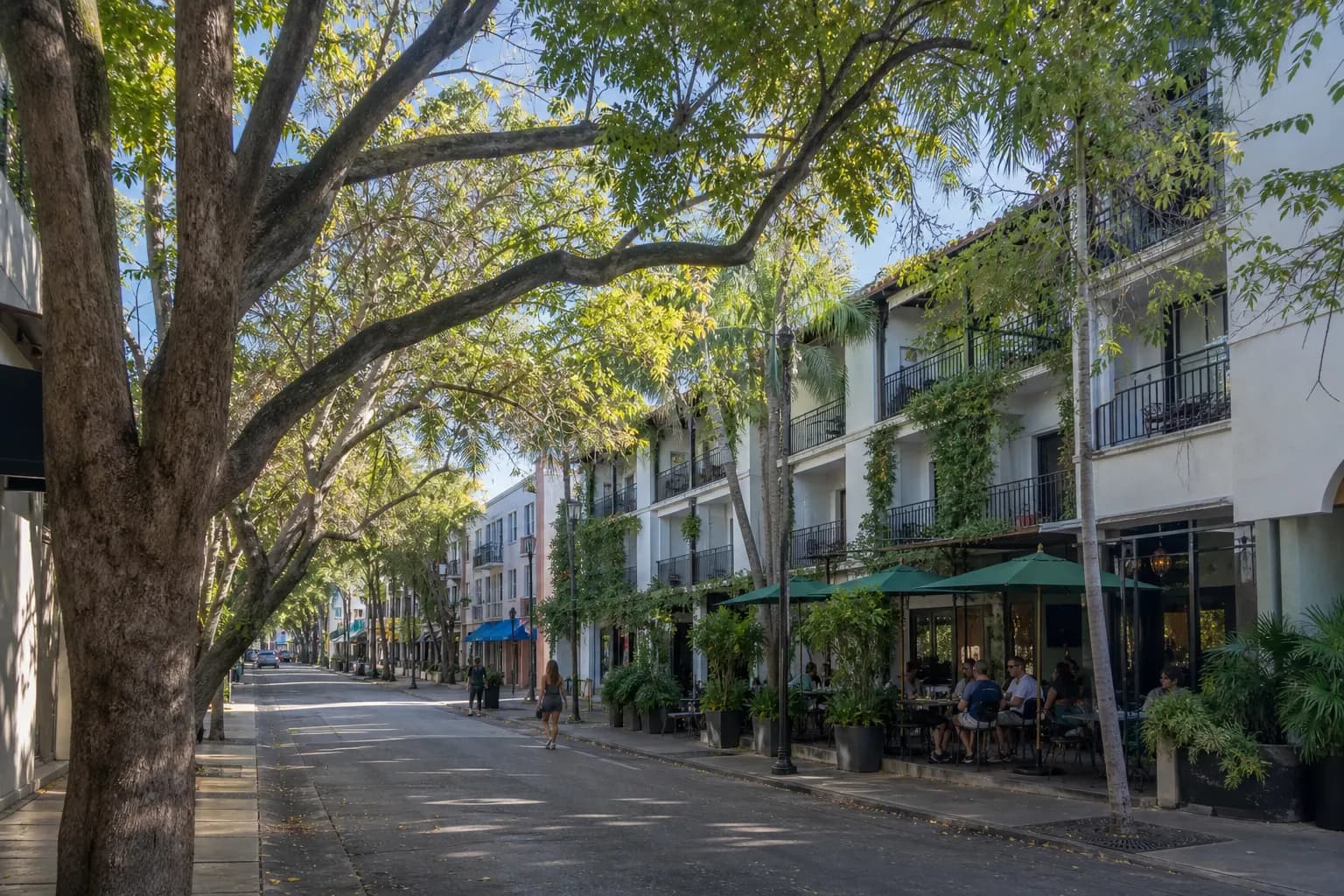
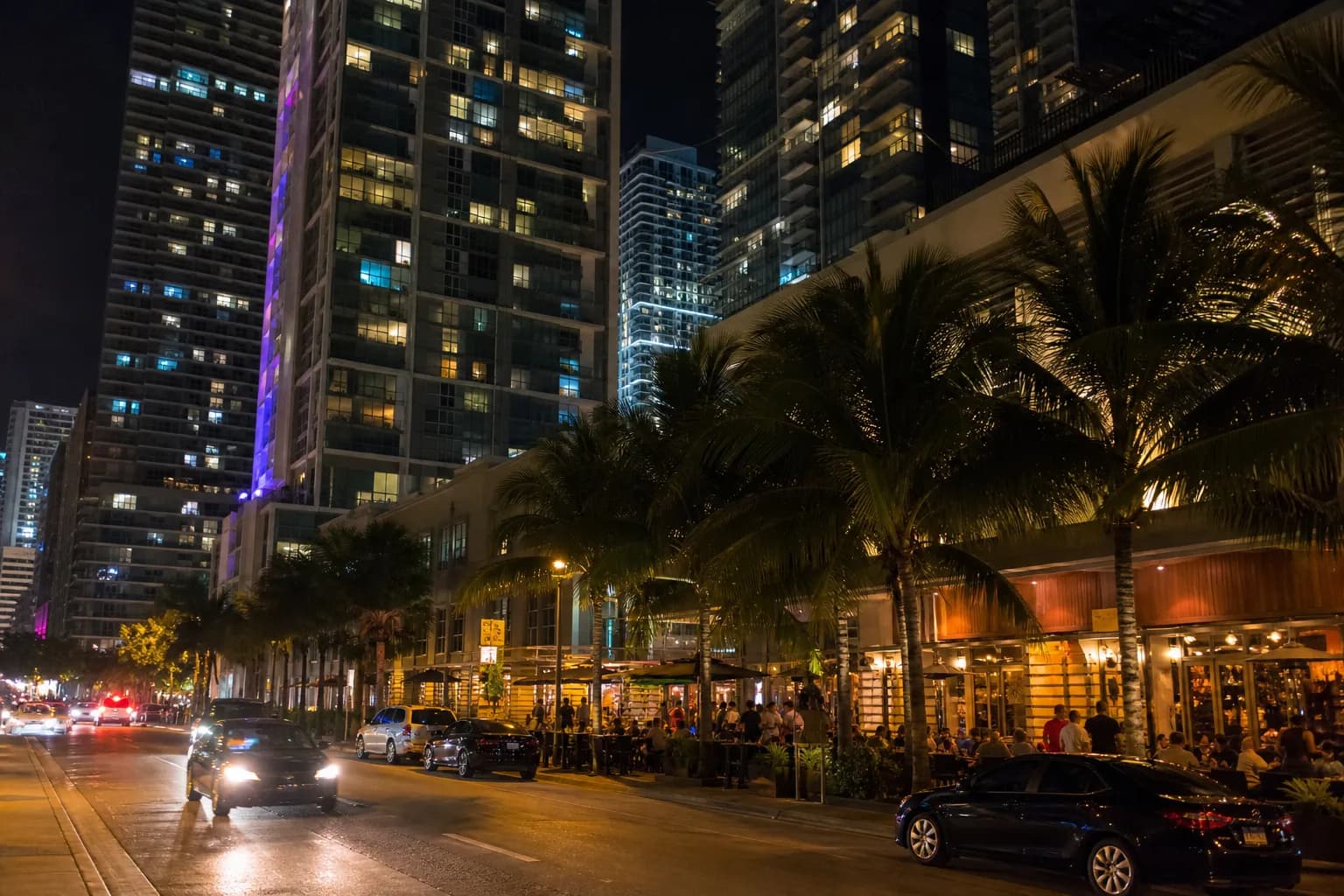
Neighborhood choice matters because the same evening can feel very different in Brickell, downtown, Coral Gables, North Miami, Aventura, or farther west in Kendall or Doral. Dense urban areas may offer more transit access, but they also bring more curbside competition and a less forgiving parking search. More residential or inland areas can feel easier if you want predictable arrival and a shorter indoor-to-indoor transition. Search by neighborhood first, then compare how each option handles parking, walking distance, and the route home after dark.
Check live conditions the same day
Miami weather can change the tone of the night fast. Before you leave, check the live forecast and radar, not just the high temperature. Afternoon heat may fade into a quick shower, a thunderstorm, or a sticky humid evening that makes a long walk uncomfortable. If your first choice depends on outdoor arrival, uncovered parking, or a route that becomes messy when the ground is wet, be honest about the risk. The best plan is the one that still works if the weather turns a little inconvenient right before sunset.
Live traffic matters just as much. Compare road conditions, look for bridge or expressway slowdowns, and check whether your route uses a causeway, a major connector, or a road that often backs up before evening. If you are using transit, make sure the final stop still leaves a simple, well-lit walk or a short ride at the end. Accessibility is part of live checking too: confirm step-free entry, elevator access if needed, and how far the actual drop-off point is from the door. In Miami, one extra block can feel much longer in rain or heat.
Build a backup option that is truly simple
A strong backup is nearby, indoor, and easy to reach without a second round of planning. If your first choice is in one neighborhood, the fallback should usually be in the same general area or on the way home, not across the county. That way, if parking is full, traffic stalls, or a storm line moves in, you can switch without turning the evening into a project. When you compare options, think in pairs: main plan plus backup plan. Check which one has the easier entrance, the shorter walk, and the cleaner route after dark.
The backup should also have a clear trigger. Decide in advance what counts as a problem: heavy rain, no accessible parking, a route delay, or a child who is too tired for a longer walk. If the trigger happens, switch quickly instead of circling for twenty minutes. This is especially helpful near beach corridors, bridge approaches, and busy downtown streets where one obstacle can snowball into a late arrival. A calm backup is not a sign that the first plan failed. It is what makes the night feel manageable.
Keep the evening calm once you have chosen
Small details can make a big difference. Dress for Miami warmth, but bring a light layer because indoor air conditioning can feel strong after being outside. If you are going with family, decide in advance who needs the closest drop-off and who can handle a longer walk. Bring water for the drive, a phone charger, and anything else that helps with comfort or mobility. The more of these details you settle before leaving, the less attention you need to spend on them in the car. That leaves more room for the purpose of the evening itself.
Plan your exit the same way you planned your arrival. Know whether you will head home right away, wait for traffic to thin, or stop only if the route is simple. If you are still deciding where to go, choose the option that gives you the shortest indoor-to-indoor transition and the fewest unknowns. For anyone wondering what is rosh hashanah in practical terms, the answer for a Miami evening is straightforward: choose a meaningful setting that is easy to reach, easy to leave, and easy to replace with a backup if the weather or traffic changes.
A simple plan before you go
- For beachside plans, add extra time for bridge traffic and parking search.
- Check weather radar before sunset; Miami rain can change arrival time fast.
- Choose a backup within the same neighborhood so the swap stays simple.
- Confirm entrances, seating, and accessibility details live on the day.

Tags: #neighborhood_guides #miami
Sources consulted: Official city information · Google Maps · Karpo local search
All trademarks are the property of their respective owners.