 Brickell Tailor Alteration Shop Finder: First Work Suit Fit
Neighborhood Guides
Miami Transit Station Pitstop Finder: Grove Walking Break
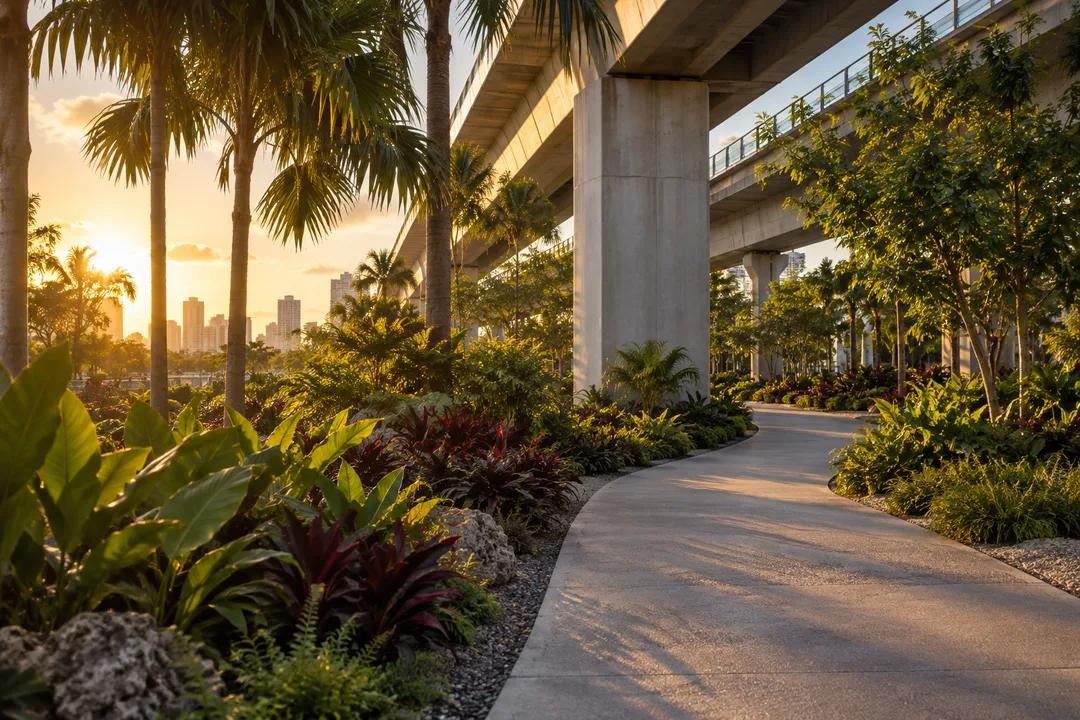
Plan a Coconut Grove transit and Underline walk in Miami around your endpoint, water already in your bag, and a drink stop that stays optional and modest.
A drink stop between Coconut Grove Metrorail and an Underline walk should begin with the walk you want to take. You might be making a short out-and-back pause, continuing toward another destination, or meeting someone beside the corridor. Tell the Karpo APP which version fits your day and what you need to carry. Ask for help comparing a beverage purchase with bringing water from the start. A request for a kiosk, shade, or a refill point is a need to plan around, rather than evidence that those facilities are available along your route.
Choose the shape of the walk
Coconut Grove appears on Miami-Dade's official Metrorail map. The Underline's own site describes a linear park and trail corridor and identifies a Coconut Grove section. These are useful geographic anchors for a conversation about combining transit and walking. They do not describe every entrance, crossing, or section condition you will encounter. Give the request a specific starting point and an endpoint instead of assuming the station name supplies the whole route.
For a short pause, decide where you would turn back. For a through walk, identify the place you need to reach next. A stop that is sensible on an out-and-back route may require backtracking when the walk continues in one direction. If you are meeting a friend, choose a meeting description both of you understand and state whether the purchase comes before or after that meeting. This keeps the refreshment decision connected to the actual outing.
Carry enough independence into the plan
Bringing a filled bottle changes the role of a beverage stop. It can become optional, something you choose because the walk allows it, instead of a task that must succeed for the outing to work. Tell Karpo whether you already have water and whether your interest is a cold drink, a snack, or a seated rest. Those needs can lead to different suggestions even when the route is identical.
If you have no bottle, make the purchase part of the plan before extending the walk. Do not build the route around an unnamed refill point or an assumed kiosk beneath the railway. A recommendation is not evidence of a working tap, a vendor's stock, or a public restroom. Keep the outing short enough for the supplies you actually have and the conditions you encounter, with the option to stop earlier as your needs change.
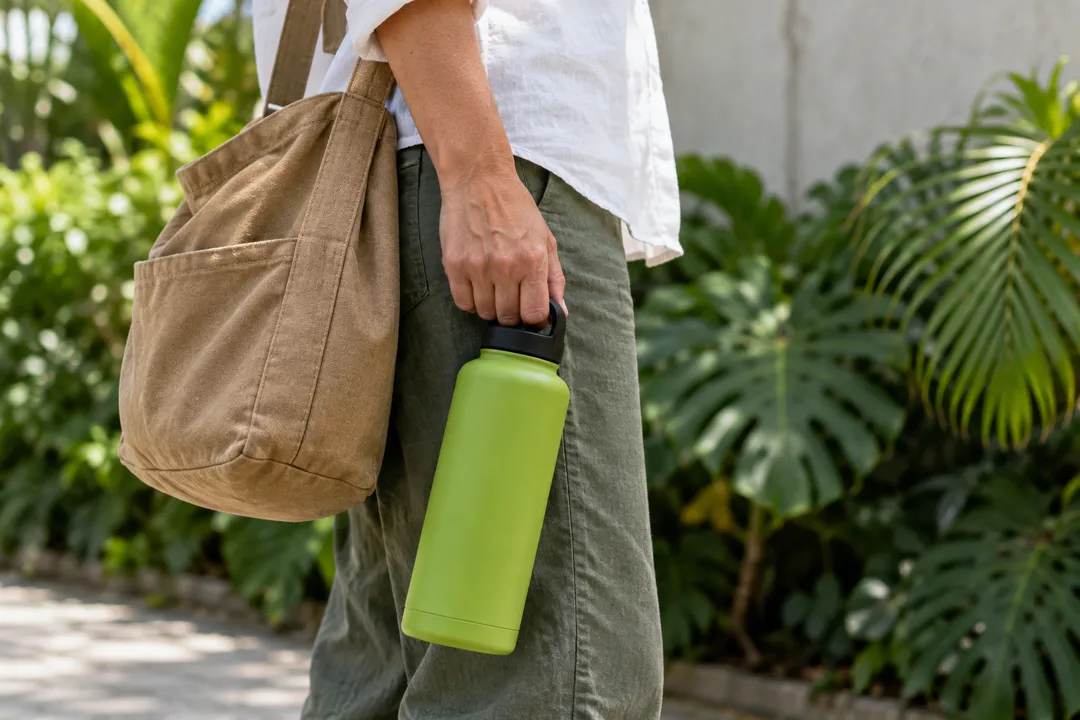
AI-generated linear-park and water-bottle illustrations; no exact Underline entrance, working refill point, kiosk, or shade condition is documented.
Describe comfort without promising it
Shade can be an important preference, but a corridor name does not make shade continuous. Tell the conversation if avoiding a long exposed stretch matters to you. The same applies to seating, step-free movement, and a place to set down a bag. Rank the essential needs so the recommendation has a clear purpose. Do not interpret a photograph of trees as a measurement of sun cover at the hour of your visit.
Comfort also depends on what you are carrying. A bottle that fits securely in a bag may be easier to manage than an open drink, especially when you want a hand free. If you are traveling with a child, a mobility aid, or a large work bag, include those details as planning conditions. The useful comparison may favor a purchase before the walk, or a rest after reaching the final destination, instead of a mid-route stop.
Send a request with an endpoint
A starting prompt could be: “I am combining Coconut Grove Metrorail with a short Underline walk. My endpoint is the place I will give you next. I have a water bottle and would like to compare a simple drink stop with continuing without a purchase. Keep extra movement modest and treat shade and seating as preferences, not assumed facilities.” Add your chosen endpoint, the approximate length of outing you want, and any access requirement.
If you want a twenty-minute walk, explain whether the drink purchase belongs inside those twenty minutes. You are choosing an allowance, not reporting a measured route time. Reserve room for arriving at the path, turning back if necessary, and getting ready for the next part of the journey. A conversation can help you weigh those pieces, while the decision to keep walking remains based on the actual route and your own comfort.
Compare the purchase at three moments
The drink could happen before the path, during the outing, or after you reach the destination. Buying before the walk reduces dependence on finding something later, but adds something to carry from the start. A mid-route purchase can be attractive when it naturally fits the direction. A destination-side stop can leave the walk simpler. Ask which timing best matches the needs you supplied instead of requesting a long list of venues across the neighborhood.
Keep the food or beverage request modest enough to support that timing. A closed drink and one small item need less organization than a meal that requires a table. If you have an ingredient restriction, put it into the request before choosing. The suggestion does not place an order or establish the ingredients available at a counter. You can keep the walk plan and decline the purchase if the actual offer does not suit you.
Let an early finish count as a good outcome
Choose a turnaround rule before leaving the station area. You might decide that discomfort, an unsuitable crossing, or a route that requires more movement than you wanted means shortening the outing. These are personal decisions, not product-generated safety guarantees. A short walk can still provide the pause you wanted. It does not need to reach every imagined stop to be worthwhile.
If you change direction, update Karpo with the new endpoint and remove the old onward destination. Ask about a drink near where you will actually finish. That is more useful than continuing to compare options around a section you will no longer reach. Your revised route should carry the conversation forward, with the refreshment decision supporting the walk rather than keeping you attached to the first idea.
Finish the pause ready for transit
Before returning to the rail journey, put away any loose food packaging and arrange the bottle so it stays secure. Leave room to orient yourself at the station and follow the operator's travel instructions. The walking recommendation does not establish train timing or equipment status. Keep the transit information with the operator and the purchase with the merchant, without expecting a conversation to monitor either of them for you.
Open the Karpo APP with the Coconut Grove starting point, your intended endpoint, the supplies already in your bag, and the comfort need you want to prioritize. Ask for a brief comparison that includes continuing with the water you brought. The result is an outing with a clear shape: a sensible place to finish, a manageable carry, and a beverage stop that remains a choice rather than an unsupported assumption about the park.
Ask Karpo for more information.
Keep reading
- Brickell Tailor Alteration Shop Finder: First Work Suit Fit
 Coconut Grove Tailor Alteration Shop Finder: Heat-Proof Fits
 Little Havana Tailor Alteration Shop Finder: Guayabera Fits