 Kendall Pastelito Window Crawl to Pick a Birthday Party Box
Coffee & Dessert
Seishin-an Tea House Morikami Museum Authentic Japanese Tea Ceremony and Gardens Guide
A South Florida guide to Seishin-an Tea House at Morikami Museum, an authentic Omote-Senke style tea sanctuary hosting traditional Japanese Chanoyu demonstrations.
The Seishin-an Tea House at the Morikami Museum and Japanese Gardens in Delray Beach stands as the premier destination for authentic Japanese tea culture and Chanoyu ceremonies in South Florida. Situated within a breathtaking two-hundred-acre park of sculpted pine trees, tranquil lakes, and winding garden paths, this authentic Omote-Senke school tea house was custom-designed and constructed by master craftsmen to offer visitors a window into the spiritual, artistic heart of the Japanese Way of Tea.
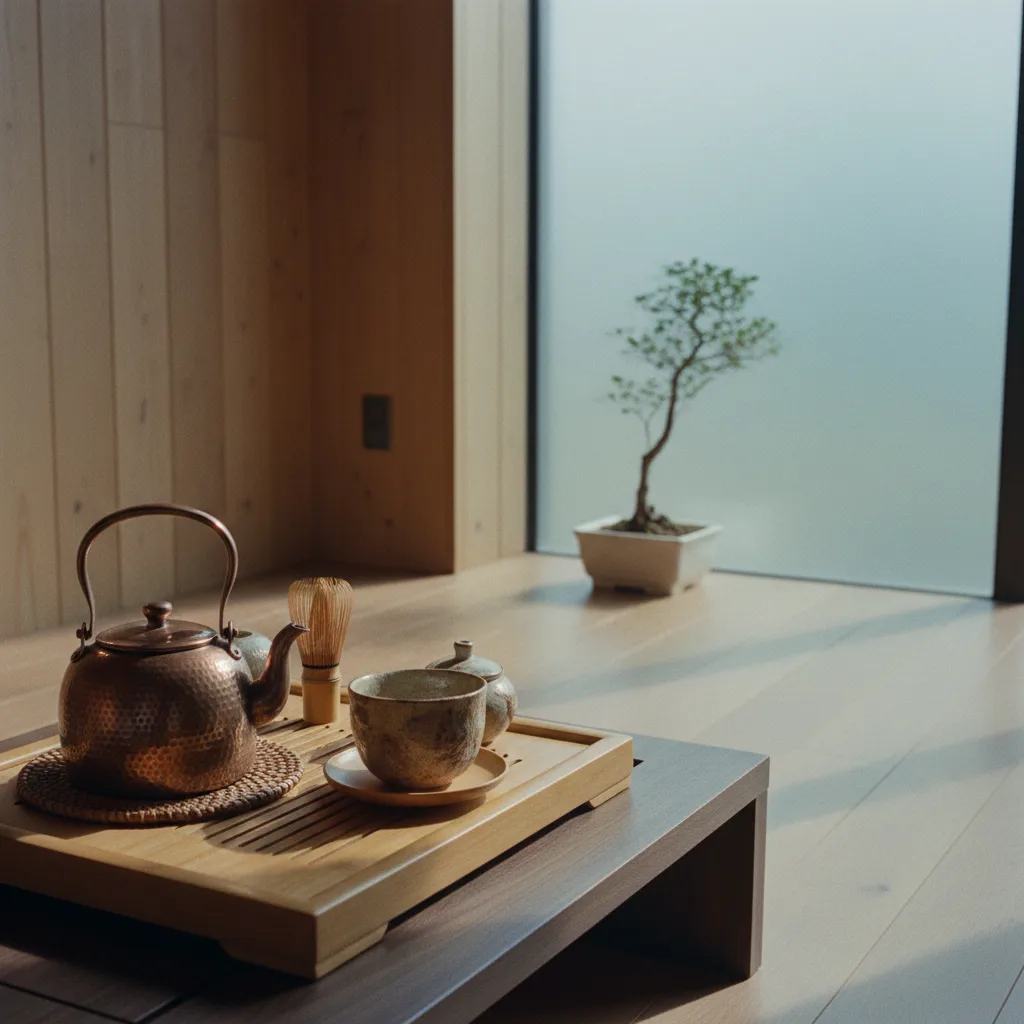
The name Seishin-an translates beautifully as Hut of the Pure Heart, encapsulating the Zen principles of purity, tranquility, harmony, and mutual respect that govern classical tea ceremony philosophy. Modeled after traditional residential teahouses in Kyoto, Seishin-an features tatami reed floor mats, cedar pillars, hand-plastered earthen walls, and a seasonal tokonoma scroll alcove displaying seasonal calligraphy and minimalist chabana flower arrangements.
Public tea ceremony demonstrations at Morikami are led by licensed Omote-Senke tea masters, providing visitors with a mesmerizing, educational introduction to this centuries-old ritual art form. Guests watch in quiet reverie as the tea master enters with measured steps, purifies the lacquer tea caddy and bamboo scoop with a silk fukusa cloth, and ladles boiling water from an iron kettle over bright green ceremonial matcha powder.
The matcha is whisked to a delicate, velvety froth using a single piece of split bamboo, or chasen, releasing a rich vegetal aroma reminiscent of sweet spring grasses and oceanic minerals. Each guest is served an authentic seasonal Japanese sweet, or wagashi, designed to prepare the palate by balancing the pleasant, brisk astringency of the ceremonial green tea broth with gentle sweetness.
Throughout the demonstration, the tea practitioner provides bilingual commentary explaining the profound symbolism behind every movement, from the bowing of the host to the rotation of the ceramic tea bowl. Guests learn that Chanoyu is not simply a decorative ritual, but a comprehensive Zen practice that integrates architecture, landscape gardening, ceramics, calligraphy, and mindful presence into a single unrepeatable encounter.
For dedicated students wishing to immerse themselves deeper into the discipline, Morikami offers structured multi-week Sado classes taught in progressive beginner and intermediate cohorts. Students learn the classical physical postures, walking steps, and purification rites required to host ceremonies, sitting in the traditional seiza kneeling posture on tatami mats inside Seishin-an.
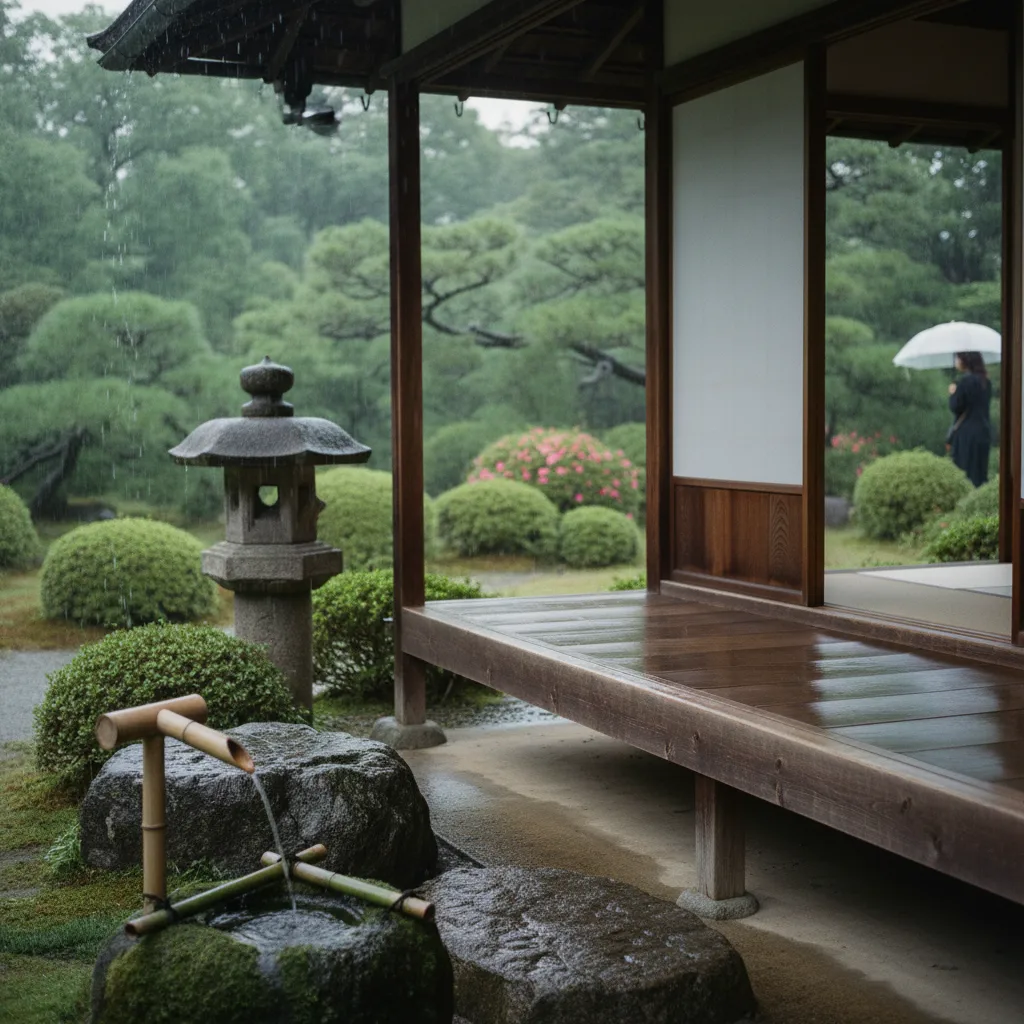
The surrounding Roji, or dewy path garden, is designed according to centuries-old Japanese aesthetic principles, guiding visitors through a physical and mental transition from the outer world to the peaceful sanctuary of the tea house. Guests pass weathered stone lanterns, bamboo water basins for hand washing, and serene pine plantings that encourage inner quiet and reflection.
Beyond the tea house, the Morikami Museum complex features world-class exhibitions of historic Japanese art, samurai armor, textiles, and fine ceramics, along with an authentic bonsai collection featuring miniature trees over three centuries old. A visit to Seishin-an naturally integrates into a full day of cultural exploration, surrounded by the peaceful beauty of the Yamato-kan island pavilion.
Located in Delray Beach just a short drive north of Miami and Fort Lauderdale along Florida's Turnpike or Interstate 95, Morikami provides ample complimentary on-site parking and accessible walking paths throughout the grounds. Because public tea ceremony demonstrations have limited seating capacity, purchasing advance tickets online through the museum website is highly recommended.
The museum also hosts major annual cultural festivals, including the Oshogatsu New Year Celebration and the Hatsume Fair in spring, where tea demonstrations are showcased alongside martial arts exhibitions, taiko drumming, and traditional Japanese folk arts. These festive occasions draw thousands of cultural enthusiasts from across Florida.
Educational outreach is a cornerstone of the museum's mission, with school tour programs and youth workshops introducing young generations to the values of mindfulness, hospitality, and environmental reverence embodied in Japanese tea culture. These programs ensure that the historic legacy of the early Yamato agricultural colony remains vibrant and honored.
Photographers and landscape enthusiasts find endless inspiration in the surrounding garden stroll, where six distinct historical gardens recreate the landscaping traditions of Japan from the Heian period through the modern era. The tranquil reflections of weeping willows and stone bridges in the central lake provide a picturesque backdrop for contemplative walks after the ceremony.
Visitors routinely reflect that experiencing a tea ceremony at Seishin-an imparts a deep, restorative sense of calm that lingers long after leaving the museum grounds. The unhurried pace, graceful etiquette, and serene natural setting offer an extraordinary refuge from modern digital noise and busy metropolitan schedules.
Ultimately, the Seishin-an Tea House at Morikami Museum is an irreplaceable cultural jewel that bridges South Florida and traditional Japan with unmatched authenticity and grace. For anyone seeking to discover the profound spiritual depth and artistic perfection of the Japanese Way of Tea, this Delray Beach sanctuary offers an unforgettable pilgrimage.
The architectural construction of the Seishin-an Tea House was achieved using traditional Japanese joinery techniques that require no metallic nails, allowing the seasoned cedar and cypress timbers to breathe and expand naturally in Florida's humid sub-tropical climate. Master carpenters traveled from Japan to oversee the construction, ensuring that every join, cedar lattice screen, and bamboo ceiling beam conformed strictly to historic Omote-Senke standards.
Morikami's tea masters maintain an authentic seasonal wagashi preparation kitchen, where fresh Japanese confectioneries are handcrafted in limited batches prior to each weekend demonstration. These edible artworks mimic seasonal garden motifs—such as cherry blossom petals in spring, water iris leaves in summer, and red maple foliage in autumn—delighting guests with their subtle beauty before the tea is served.
The surrounding museum grounds feature tranquil walking trails that wind through bamboo groves, a sprawling bonsai pavilion with specimen trees centuries old, and peaceful waterfront gazebos. Visitors often extend their tea pilgrimage by spending hours exploring the garden trails, finding that the calm headspace cultivated during the ceremony enriches their perception of the natural world.
Ask Karpo for more information.
Keep reading
- Kendall Pastelito Window Crawl to Pick a Birthday Party Box
 Coral Gables Croqueta Bakery Picker for a Home Cook
 Doral Pastelito Window Crawl for a Cuban and Venezuelan Duel