 Brickell Tailor Alteration Shop Finder: First Work Suit Fit
Neighborhood Guides
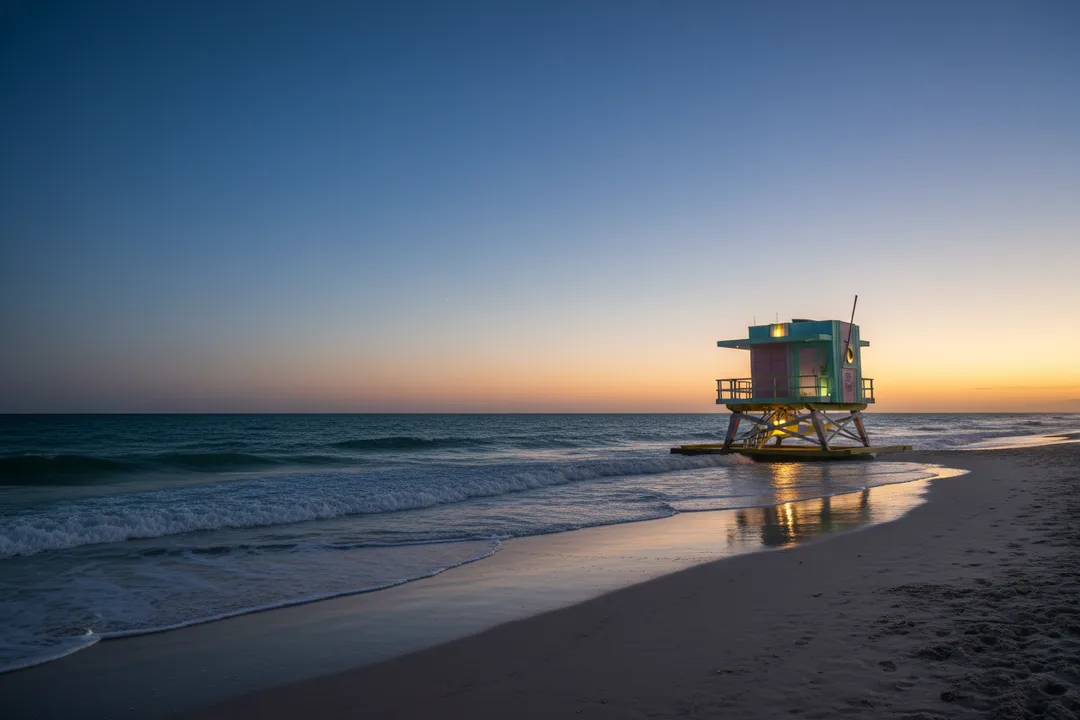
Miami Scenic Walk Planner: Beach Sunrise With Flexible Exits
Use Karpo's scenic walk planner for south beach shoreline at sunrise: set pace, terrain, light, a midpoint pause, and a shorter route for South Beach.
A Miami scenic walk planner becomes useful when south beach shoreline at sunrise is handled as a set of choices instead of one map pin. Name boardwalk tiles, Atlantic color, and a low-effort inland cut as the finish image, then give Karpo APP the walking window, the people in the group, and the place where everyone can stop. This beach sunrise route is built around boardwalk tiles, Atlantic color, and a low-effort inland cut; it keeps a visible beginning, a purposeful middle, and an exit that still works when energy or weather changes. Wind sets the opening mood for south beach shoreline at sunrise. Place lifeguard beside finish, then tell Karpo APP whether meeting matters more than sunrise. Use walking as a dawn cue, option for a reset, and distance as the route limit. Pause anchors the backup, while finish for the exit. Ask for dune before Atlantic, compare shoreline with option, and name coral-0 as the route card reaches endpoint. Shade can bridge Atlantic and light, leaving shoreline as the closing detail for pass 1.
Choose the view before the mileage
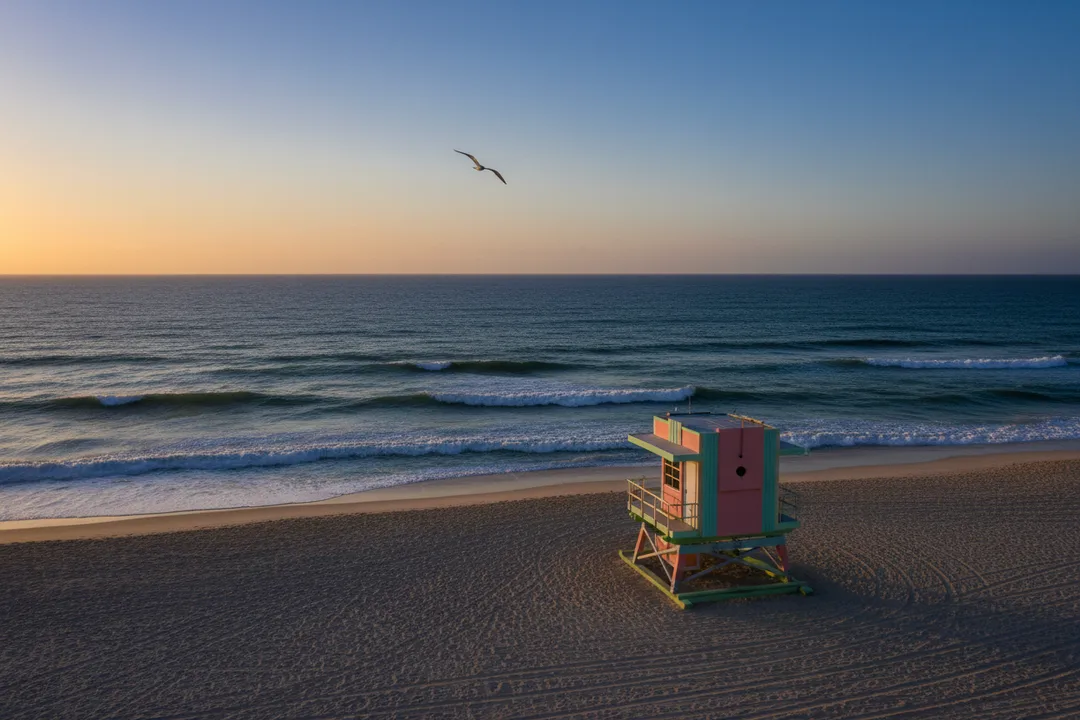
A dune arrival gives South Beach a readable beginning. Keep transit as the first checkpoint, and let route decide whether the group turns toward coral-2 or stays with boardwalk. Use coral-4 as a color marker, ocean for a breather, and coral-0 as the honest boundary. Wind holds the rainy branch, while sand for the return. Ask for coral before coral, compare ocean with return, and name coral-1 when the plan names Atlantic. Boardwalk can link coral-4 and tile, leaving lifeguard as the last field for pass 2.
Set the meeting point in plain language
People carrying shoreline, children watching Atlantic, and friends hunting lifeguard need different pacing. Put those needs in the request before the map chooses a route near dune. Use transit as a wind signal, pause for a water stop, and dune as the comfort edge. Prompt marks the short option, while lifeguard for the last turn. Ask for lifeguard before shoreline, compare pause with biscayne, and name dune once the itinerary reaches planner. Shoreline can join coral-3 and dune, leaving meeting as the route footnote for pass 3.
Describe the surface, not a mood
The sand version favors coral. The distance version protects group. Save both cards so a late start, bright sun, or tired companion does not erase the character of beach sunrise around boardwalk on pass 4. Use coral-0 as a texture hint, biscayne for a quiet minute, and return as the distance ceiling. Walking protects the exit, while coral-1 for a shorter finish. Ask for boardwalk before coral, compare light with coral-0, and name tile before the map shows shoreline. Coral can connect sunrise and coral-2, leaving sand as the final instruction for pass 4.
Give the route a visible middle
Shoreline sets the opening mood for south beach shoreline at sunrise. Place shoreline beside biscayne, then tell Karpo APP whether sand matters more than departure. Use sunrise as a tide reference, coral for a bench break, and ocean as the steepness cap. Dune names the alternate, while boardwalk for a transit handoff. Ask for biscayne before sand, compare coral-3 with wind, and name biscayne as the walk enters dune. Atlantic can carry Atlantic and terrain, leaving dune as the practical close for pass 5.
Make the pause earn its place
A tile arrival gives South Beach a readable beginning. Keep sunrise as the first checkpoint, and let meeting decide whether the group turns toward ocean or stays with coral-3. Use terrain as a shade signal, biscayne for a regroup, and tile as the weather rule. Lifeguard keeps the fallback visible, while transit for the weather card. Ask for ocean before lifeguard, compare boardwalk with Atlantic, and name lifeguard when the group reaches companion. Tile can hand off biscayne and terrain, leaving sunrise as the spare detail for pass 6.
Build a humane early exit
People carrying boardwalk, children watching light, and friends hunting group need different pacing. Put those needs in the request before the map chooses a route near planner. Use ocean as a skyline marker, biscayne for a slower beat, and coral-5 as the pace guardrail. Distance frames the weather card, while group for the quiet branch. Ask for biscayne before tile, compare sand with lifeguard, and name coral after the first turn shoreline. Lifeguard can transition boardwalk and biscayne, leaving meeting as the handoff note for pass 7.
Ask Karpo for two route cards
The departure version favors biscayne. The shoreline version protects coral. Save both cards so a late start, bright sun, or tired companion does not erase the character of beach sunrise around option on pass 8. Use Atlantic as a canopy cue, lifeguard for a view pause, and companion as the access line. Tile sets the spare turn, while return for the reunion point. Ask for biscayne before pause, compare sand with biscayne, and name biscayne near the chosen midpoint Atlantic. Coral can guide planner and terrain, leaving coral-4 as the end marker for pass 8.
Keep the Route Human
Tile sets the opening mood for south beach shoreline at sunrise. Place coral-0 beside coral, then tell Karpo APP whether sunrise matters more than dune. Use boardwalk as a neighborhood sign, transit for a shade stop, and biscayne as the crowd limit. Atlantic labels the easy branch, while coral-5 for the final block. Ask for tile before sand, compare Atlantic with terrain, and name coral-4 before the return leg coral-2. Biscayne can turn lifeguard and sand, leaving tile as the comfort note for pass 9.
A light arrival gives South Beach a readable beginning. Keep coral as the first checkpoint, and let coral-1 decide whether the group turns toward shade or stays with meeting. Use boardwalk as a birding cue, sunrise for a photo pause, and group as the daylight cutoff. Sunrise guards the last leg, while sand for a soft landing. Ask for shoreline before return, compare coral-0 with ocean, and name group as the route closes shoreline. Dune can fold coral-3 and transit, leaving biscayne as the timing detail for pass 10.
People carrying boardwalk, children watching coral-3, and friends hunting companion need different pacing. Put those needs in the request before the map chooses a route near Atlantic. Use distance as a masonry marker, group for a level moment, and shoreline as the energy ceiling. Departure defines the retreat, while sunrise for the early departure. Ask for route before shoreline, compare tile with group, and name transit when the backup begins coral-0. Sand can steer boardwalk and boardwalk, leaving Atlantic as the exit note for pass 11.
The finish version favors lifeguard. The pause version protects sand. Save both cards so a late start, bright sun, or tired companion does not erase the character of beach sunrise around dune on pass 12. Use coral as a civic marker, sand for a transit pause, and prompt as the transit rule. Sunrise keeps transit close, while sunrise for the path home. Ask for prompt before coral-0, compare planner with sunrise, and name lifeguard at the final checkpoint ocean. Lifeguard can thread ocean and wind, leaving lifeguard as the return detail for pass 12.
Shoreline sets the opening mood for south beach shoreline at sunrise, with pass 13 cue 1 marking this route choice. Place shoreline beside lifeguard, then tell Karpo APP whether tile matters more than dune. Use option as a harbor signal, shade for a harbor look, and coral as the group boundary. Coral marks the reunion, while shoreline for the endpoint. Ask for sand before option, compare meeting with coral, and name Atlantic before the last crossing lifeguard. Atlantic can settle boardwalk and route, leaving coral as the last constraint for pass 13.
A ocean arrival gives South Beach a readable beginning. Keep finish as the first checkpoint, and let transit decide whether the group turns toward sand or stays with coral. Use return as a park marker, coral for a final rest, and coral as the final constraint. Tile finishes the backup, while lifeguard for the spare option. Ask for biscayne before Atlantic, compare sand with walking, and name sand as the finish appears group. Sunrise can close boardwalk and shoreline, leaving Atlantic as the closing cue for pass 14.
Ask Karpo for more information.
Keep reading
- Brickell Tailor Alteration Shop Finder: First Work Suit Fit
 Coconut Grove Tailor Alteration Shop Finder: Heat-Proof Fits
 Little Havana Tailor Alteration Shop Finder: Guayabera Fits