 Brickell Tailor Alteration Shop Finder: First Work Suit Fit
Neighborhood Guides
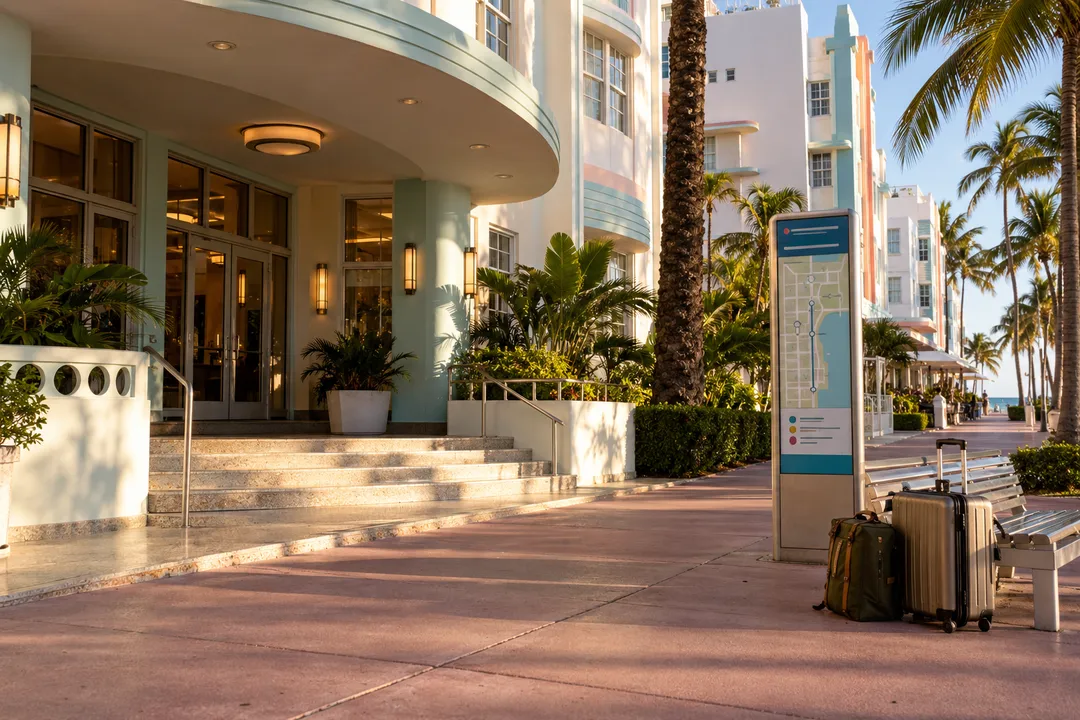
Miami Route Stopover Planner: South Beach in 60 Minutes
Plan a 60-minute South Beach arrival with one useful pause, a clear return landmark, and an indoor fallback when Miami weather shifts today.
A South Beach arrival is easiest when the stopover has a finish line. Instead of asking for a list of attractions, describe the one-hour window, the door you must reach afterward, and the kind of pause that would help: coffee, shade, a quick meal, a beach view, or a quiet indoor room. Miami's heat and wide avenues make a short walk feel longer than a map suggests, while luggage turns stairs and crowded sidewalks into real constraints. A useful route-stopover-planner request therefore starts with the next obligation and works backward. The goal is a pleasant pocket of time that ends with you oriented, cooled down, and ready for the next leg.
Set a return point before exploring
Start in Karpo APP with a sentence that sounds like your actual day: “I have 60 minutes after arriving in South Beach, I am carrying a roller bag, and I need to be back at my hotel lobby by 3:20.” Add whether you are alone, meeting someone, or traveling with a child. If the arrival is by Metrorail, Metromover, trolley, rideshare, or a hotel shuttle, name that handoff so the planner can keep the route realistic. A map distance is only one part of the decision. The app should also account for the first crosswalk, an elevator, a place to sit, and the time needed to turn around before the return journey.
Use South Beach as a boundary rather than a promise to cover the whole neighborhood. Ask for one primary stop inside the pedestrian zone and one fallback that stays close to the return point. You can specify “no second fare,” “under ten minutes on foot,” or “indoors if rain starts.” Those constraints make the result more useful than a generic list of Miami highlights. The route-stopover-planner can compare a shaded café, a small gallery, a lobby lounge, or a waterfront pause, then explain the last walking segment in plain language. Request the exact entrance or meeting corner, because a long block with several doors can erase ten minutes.
Budget the hour in three clear blocks
Divide the hour before you choose the stop. Reserve the first ten to fifteen minutes for the arrival handoff: finding the right curb, stowing luggage, and walking out of the station or lobby. Keep a middle block for the actual pause, and protect the final fifteen minutes for returning. In Karpo APP, ask the wayfinder to show those blocks explicitly and to mark the point where you must leave, even if the stop is going well. This simple budget prevents a scenic detour from consuming the return margin. It also gives companions a shared expectation about when browsing ends and movement begins.
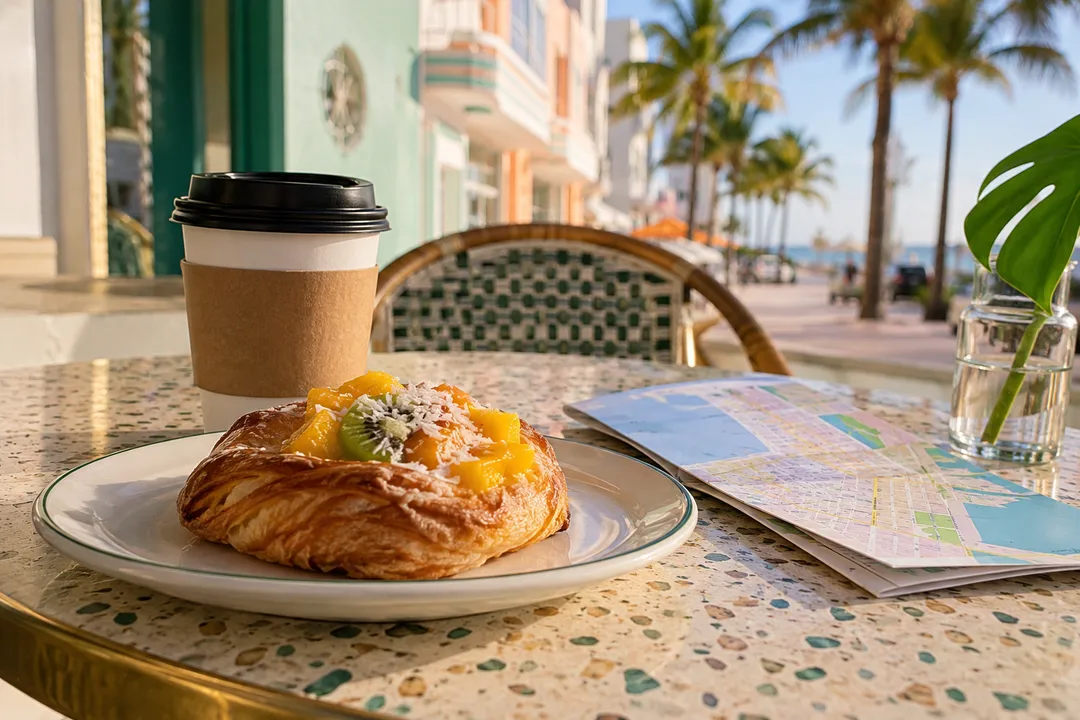
South Beach rewards small, specific plans. A short coffee break can include a shaded seat and a take-away cup; a beach look can mean one boardwalk viewpoint rather than a long shoreline walk; an indoor option can be one air-conditioned room with a clear exit. Tell Karpo APP which of those experiences matters most, then ask for a second choice with the same time limit. If you have a stroller or heavy suitcase, request step-free access and a route that avoids unnecessary crossings. If the weather is bright, ask for shade along the approach. The planner should treat comfort as part of the itinerary, not an afterthought.
Ask for two routes with different risk
The strongest prompt names a primary experience and a lighter substitute. For example: “Give me a quick coffee stop, then a shaded alternative that works if the line is long.” You can also ask for a view-first option, a quiet indoor reset, or a snack that does not require a full sit-down meal. Have the app rank them by walking simplicity, queue exposure, and return reliability. This is where a route-stopover-planner differs from a directory: it explains why one choice fits the clock and why another is safer when the sidewalk is hot or a shower moves in.
Open Karpo APP with the full handoff in one message: “Plan a 60-minute South Beach stop after arrival, keep walking under fifteen minutes each way, include an indoor fallback, and return me to my hotel lobby by 3:20.” Add your arrival time, luggage, accessibility needs, and whether you want food or only a drink. Ask for two branches, each with a named turn-around point. If your meeting is fixed, include the building entrance rather than only the neighborhood. The resulting plan can stay compact because every suggestion has a reason, a time budget, and a clear way back.
Write the fallback and switch rule
A fallback works when it is planned before the first order or photo. Ask the app to pair the primary stop with an indoor alternative nearby, and to state the switch rule: change branches if the queue has not moved after five minutes, if rain begins, or if the walking surface becomes uncomfortable. Request a route that keeps the second option on the same side of the broad avenue when possible. That detail matters in Miami, where one extra crossing can add heat and traffic exposure. A good plan also names a restroom or seating waypoint so a companion does not have to improvise.
Set your stopover rules at the curb. Decide who carries the bag, where everyone meets if the group separates, and what time the return walk starts. If the first stop is full, move to the fallback without opening a new search. If the weather changes, shorten the outdoor portion rather than stretching the whole schedule. Karpo APP can turn those choices into a two-branch route, with the same finish line for both. The point is not to remove spontaneity; it is to keep a pleasant pause from becoming a stressful race through unfamiliar blocks.
Orient yourself at the curb
Before leaving the starting point, look for three things: the door you will use to return, the direction of the next transit handoff, and one landmark everyone can describe. South Beach streets can look similar after a bright walk, and a hotel entrance may sit on a side street rather than the avenue. Ask Karpo APP to put that landmark in the plan and to repeat the final turn in the return branch. A thirty-second orientation check is worth more than another recommendation. It gives the group a shared reference when heat, traffic, or luggage slows the pace.
A stopover is easier to enjoy when the group agrees on its purpose. Tell your companion whether the hour is for conversation, a small bite, a quick photograph, or simply sitting in the shade. Agree on the leave-by time before anyone orders. Solo travelers can ask for a seat with a clear view of the exit and enough room for a bag. The planner can then weigh social comfort alongside walking distance. Those details make the route feel personal without adding extra stops, and they help the app suggest a realistic rhythm for the particular people traveling together.
Practical notes for a South Beach arrival
Write the plan as a short sequence you can read at a glance: arrival handoff, primary stop, switch rule, return landmark, and final departure. Add one detail you will keep if the route is early and one detail you will drop first if it runs late. For a South Beach hour, that might mean keeping the shaded drink while skipping a second viewpoint. Ask Karpo APP to show the sequence in that order. A compact note is easier to edit on the sidewalk than a long list of saved places, and it keeps the protected return margin visible.
On the day, update the planner when a real condition changes: a delayed train, a closed entrance, a heavy bag, a sudden shower, or a companion who needs a seat. Ask for two revised branches instead of ten new names. The best adjustment may be a shorter walk, a covered passage, or a stop that can end immediately when the leave-by time arrives. A successful stopover is measured by how calmly you make the next connection, not by how many places you managed to see. Karpo APP should preserve that priority when it reshapes the route.
Name the one thing this hour must solve
Choose one meeting phrase that everyone can repeat: the station mezzanine, the hotel's front canopy, or the corner beside a named landmark. Avoid vague instructions such as “meet in South Beach,” especially when someone is arriving with luggage. Tell Karpo APP to optimize for a simple handoff as well as distance. The app can then prefer an entrance with a visible threshold, shade, and a direct return path. A shared phrase turns the plan into something a group can use even when one person loses signal or takes a different curb.
After the stopover, save one practical observation for the next trip. Maybe the first crossing was slower than expected, the hotel entrance was farther down the block, or the indoor fallback made the hour feel much calmer. Feed that note into your next Karpo APP request and keep the boundary that worked: a maximum walking time, a preferred weather backup, or a fixed return landmark. Route planning improves when it remembers limits as well as destinations. The final test is simple: you arrive where you need to be with enough time to breathe, carrying a plan that still feels like your own day.
Ask Karpo for more information.
Keep reading
- Brickell Tailor Alteration Shop Finder: First Work Suit Fit
 Coconut Grove Tailor Alteration Shop Finder: Heat-Proof Fits
 Little Havana Tailor Alteration Shop Finder: Guayabera Fits