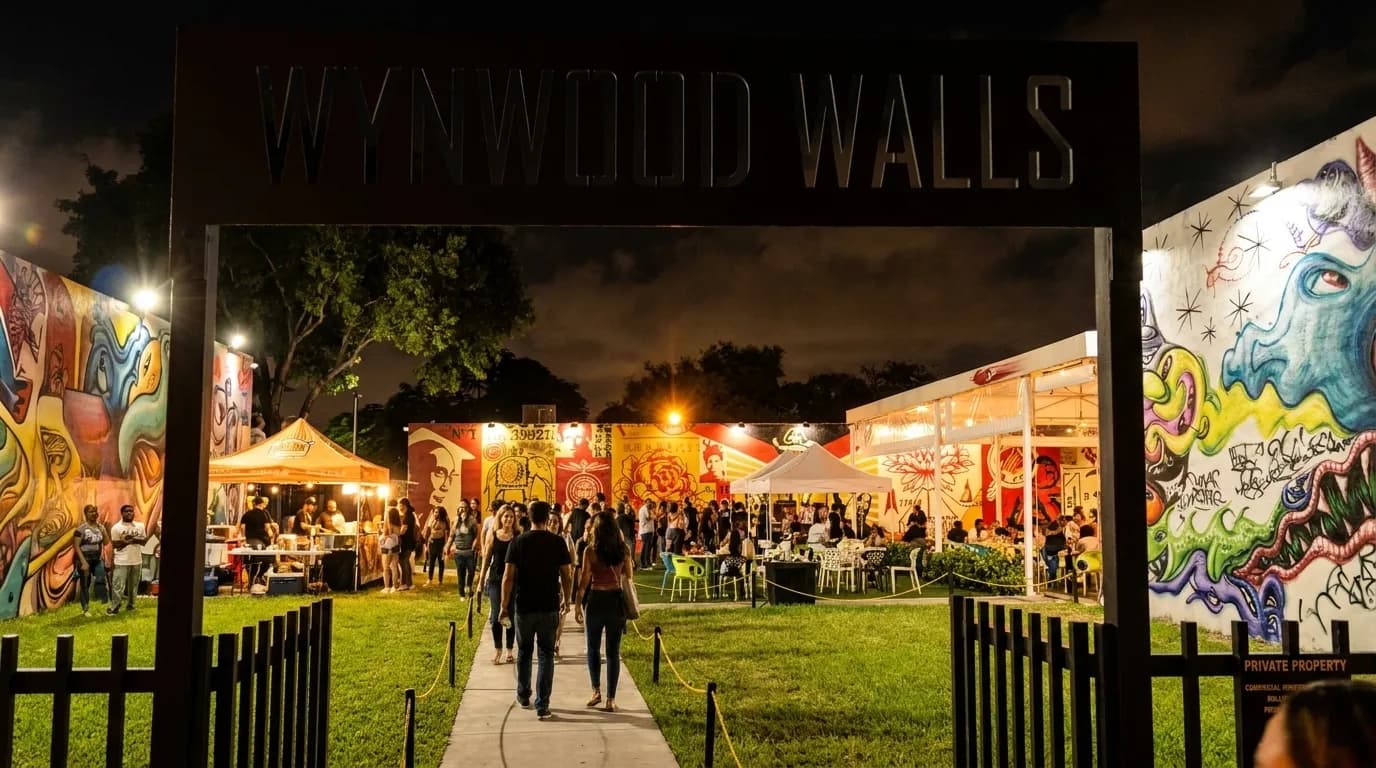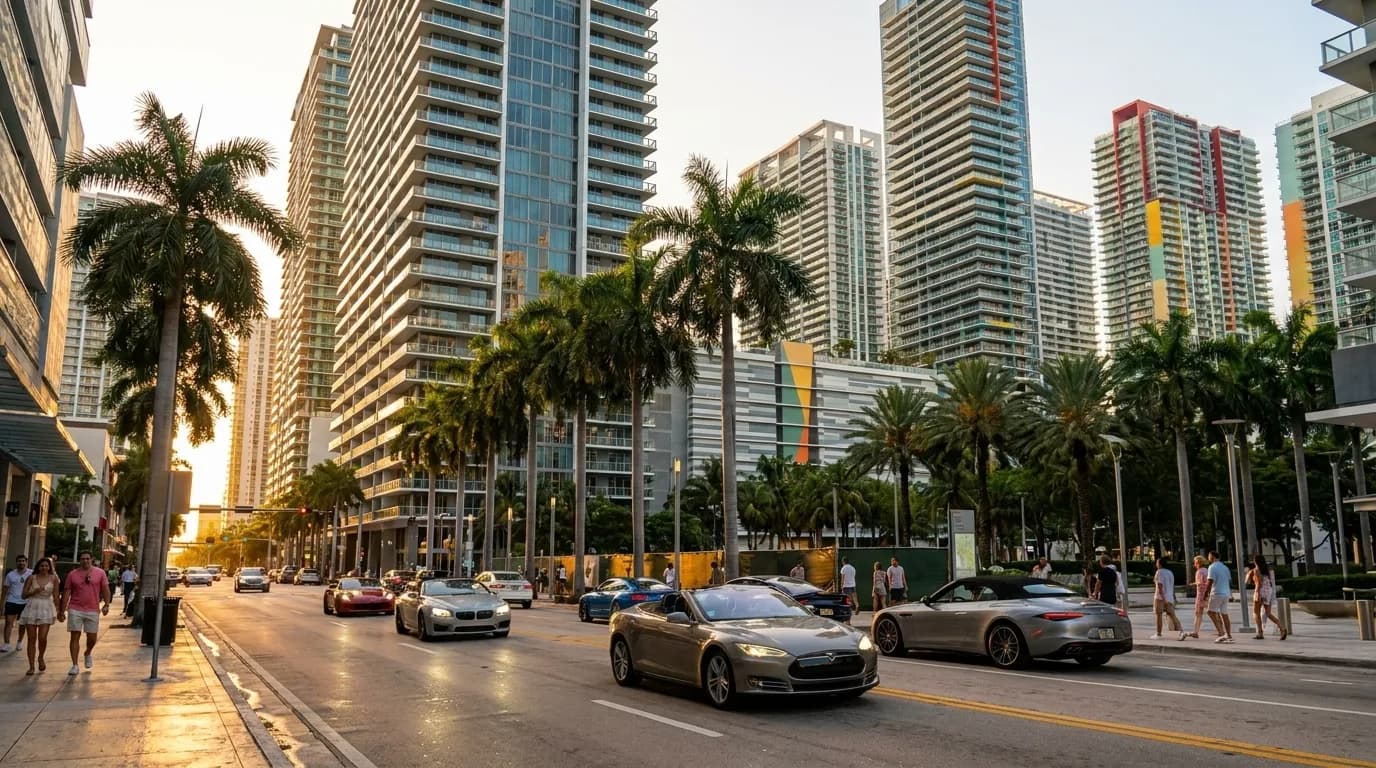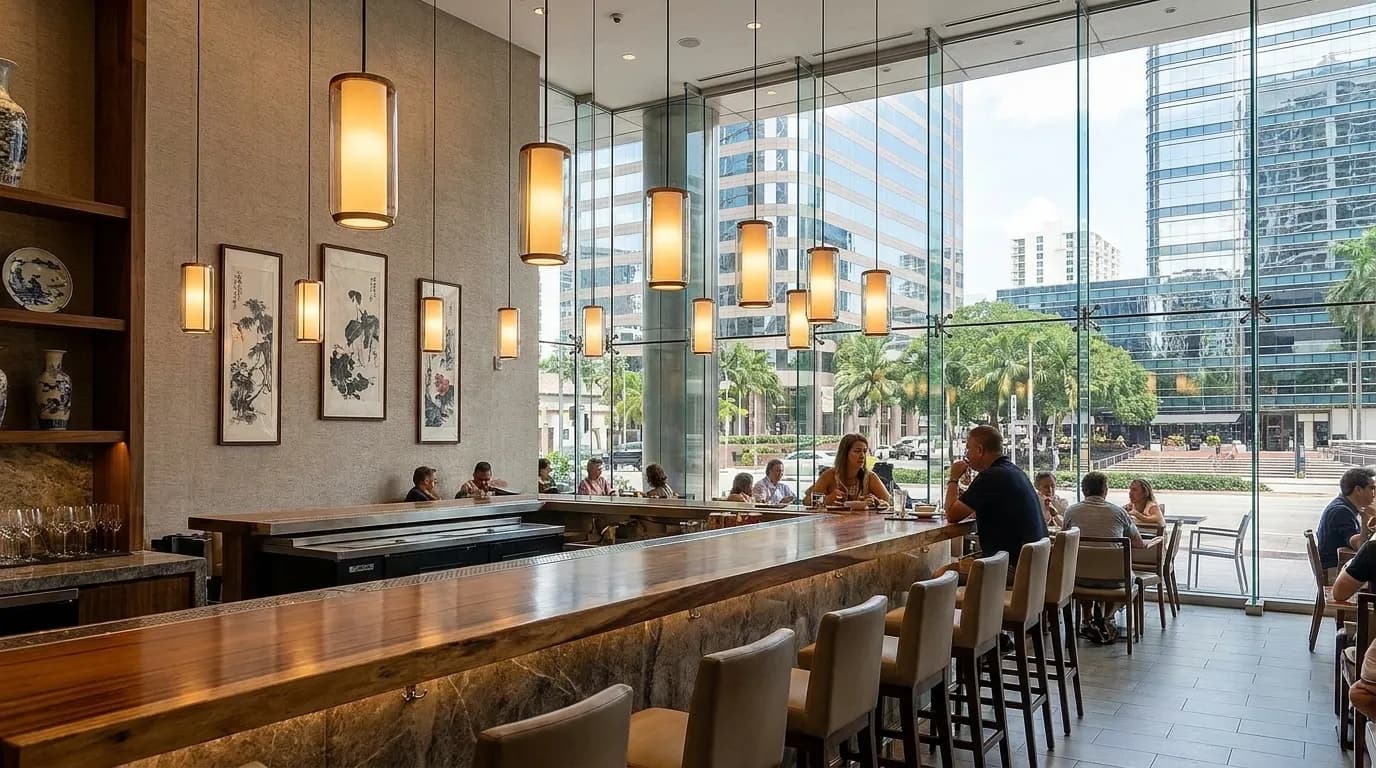
When you're craving Chinese food in Miami and your phone suggests Panda Express, that's a signal to dig deeper. The city's real Chinese cooking scene has grown beyond the expected—Cantonese roast meats hanging in windows, Sichuan chili oil that actually stings, dim sum carts rattling past tables on Sunday mornings. These three restaurants prove that Miami's Chinese food runs wider and more interesting than any mall food court ever will.
Karpo tracks what's worth the drive across Miami's Chinese scene, from the newest Cantonese spot to the dim sum cart that shows up on Sundays only.

Tropical Chinese
Tropical Chinese sits in a Coral Gables strip mall and feels nothing like the name suggests. The dining room is bright and modern, with white subway tile and blonde wood tables that could belong in any contemporary restaurant. What sets it apart is the menu, which leans heavily into Cantonese technique with a few Sichuan detours. The roast duck comes lacquered and bronze, skin crackling under the cleaver, served over rice with a side of ginger-scallion sauce that's more condiment than you'd think you need until the duck is gone.
Lunch on weekdays skews quieter, which means faster service and a better chance at snagging one of the corner booths. The salt and pepper squid arrives in a mound, tentacles crisped to the point of shattering, buried under fried garlic, jalapeño coins, and enough white pepper to make you reach for water. The dan dan noodles come properly numbing, the Sichuan peppercorns doing their electric trick on your tongue. Expect to spend around eighteen to twenty-five dollars per entrée, and know that rice is ordered separately. The space fills up fast on weekends, especially during dinner service when families claim the larger tables and order enough dishes to cover every inch of lazy Susan.
Blackbrick
Blackbrick operates out of Midtown Miami and splits its identity between Chinese classics and a bar program that takes itself seriously. The room is dark, all black walls and Edison bulbs, with a long bar that runs the length of the space. It's the kind of place where you can show up solo, post up with a cocktail, and order half the menu without anyone blinking. The xiao long bao are the move here—soup dumplings with thin skins that threaten to break in the steamer basket, filled with pork and a shot of hot broth that requires the full vinegar-ginger routine to balance.
The kung pao chicken doesn't mess around. It's built on dried chilies and peanuts, the sauce thick enough to cling to each piece of dark meat, with enough heat to remind you this isn't the sweet, gloopy version that shows up in takeout containers. The scallion pancakes come out golden and layered, best torn apart by hand while they're still too hot to handle comfortably. Portions are sized for sharing, and most people end up ordering three or four dishes for two. The bar menu is longer than you'd expect—craft cocktails that lean into Chinese spirits and tea infusions—but the beer list is solid if you'd rather keep it simple. Midtown parking can be a headache, so budget extra time or use the garage on Northeast 31st Street.
Kon Chau
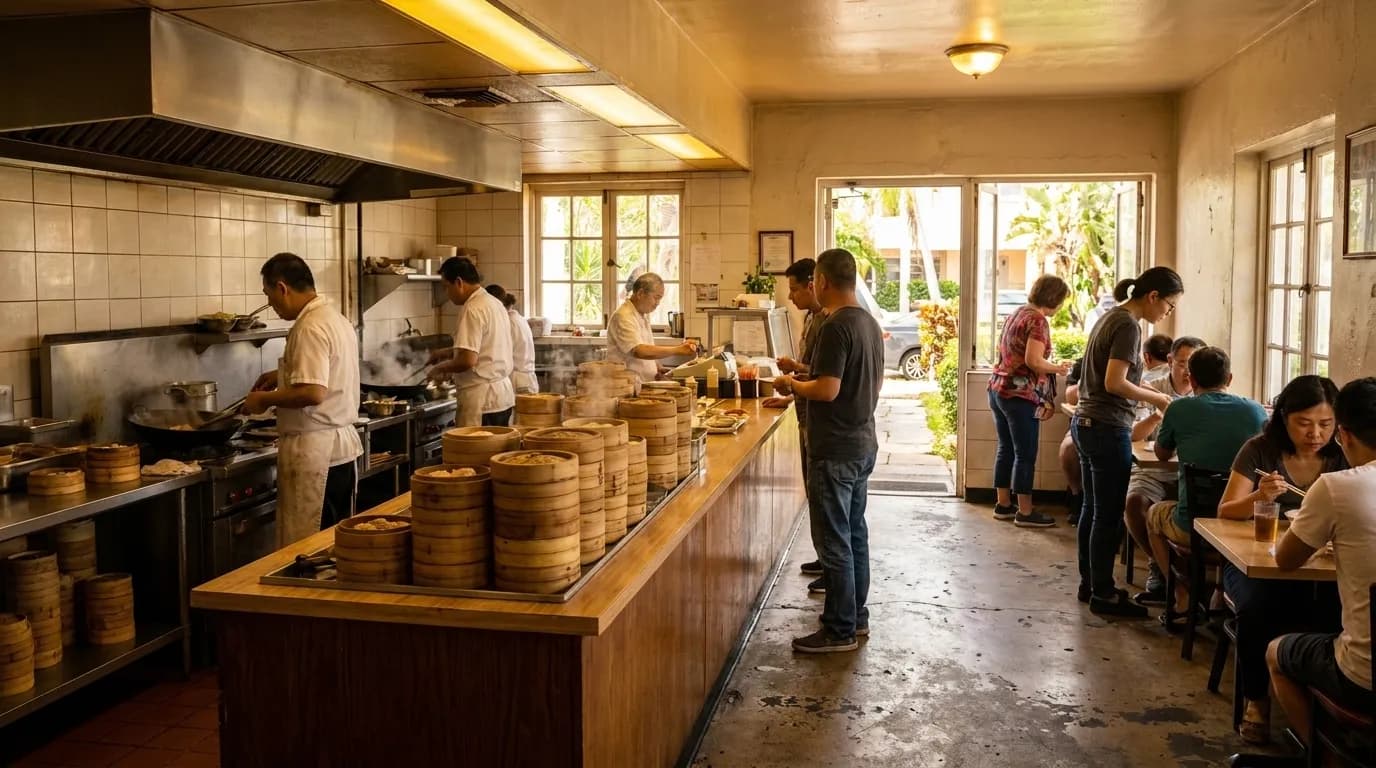
Kon Chau sits on Biscayne Boulevard and looks exactly like what it is: a no-frills Cantonese spot that's been feeding the neighborhood for years. The dining room is bright, almost aggressively lit, with fluorescent overhead panels and vinyl booths that have seen better decades. The draw here is dim sum, served from carts on weekend mornings when the place packs with families who know exactly which cart to flag down first. The har gow—shrimp dumplings with translucent wrappers—are textbook, each pleat tight and uniform, the shrimp inside still snapping with texture.
The spare ribs in black bean sauce come sticky and intense, the kind of dish where you end up gnawing every bone clean. Turnip cakes arrive pan-fried, crisp on the outside and yielding in the center, dotted with bits of Chinese sausage. The chicken feet show up glistening in a chile-black bean sauce, and if that's not your thing, the BBQ pork buns are safe and very good—soft, sweet, and filled with enough roast pork to justify eating three. Weekday lunch is dim sum from the menu instead of carts, which moves faster but lacks the theater. Small plates run around four to six dollars, and you'll want at least four or five per person. The space fills up by eleven on Saturdays, so get there early or be ready to wait in the small vestibule by the door.
What you're actually choosing
Panda Express delivers consistency, portion size, and speed. It's engineered to taste the same whether you're in a Miami airport terminal or a Missouri strip mall, which is comforting in its own way. But it's also steam-table food, held under heat lamps and scooped into Styrofoam, designed to offend no one and surprise no one. The orange chicken is sweet bordering on candy, the fried rice is underseasoned, and nothing on the menu will make you think about it two hours later.
The restaurants above are the opposite: specific, occasionally inconsistent, and always more interesting. Tropical Chinese will ruin you on mediocre duck. Blackbrick makes you realize soup dumplings are worth the mess and minor burns. Kon Chau reminds you that dim sum is supposed to be social, loud, and a little chaotic. These places require more effort—parking, waits, menus that don't come with pictures—but the tradeoff is food that actually tastes like someone in the kitchen cares. You're choosing between efficiency and experience, and once you've had the latter, the former starts to feel like settling.
Practical notes
Tropical Chinese takes reservations through their website and fills up Thursday through Sunday; weekday lunch is your best bet for a walk-in. Blackbrick doesn't take reservations for parties under six, so expect a short bar wait on Friday and Saturday nights. Kon Chau is cash-friendly but also takes cards; weekend dim sum runs from around ten in the morning until mid-afternoon, and the cart service stops when they run out. All three have parking—Tropical Chinese shares a lot, Blackbrick uses the Midtown garage, and Kon Chau has a small lot that fills fast. If you're Ubering, Blackbrick and Kon Chau are the easiest drop-offs. Skip the fried rice at all three unless it's specifically called out on the menu; white rice or noodles are the better bets.
Tags: #miamichinesefood #pandaexpressalternatives #tropicalchinesemiami #blackbrickmiami #konchaumiami #dimsummiami #cantonesemiami #sichuanmiami #miamieats #biscayneblvd #midtownmiami #coralgablesrestaurants #authentcchinesemiami #miamirestaurants #chinesefoodmiami
All trademarks are the property of their respective owners.
Ask Karpo first
Karpo keeps tabs on which dim sum cart has the best turnip cakes this month, when Tropical Chinese runs their weekend specials, and which nights Blackbrick's bar is too packed to be worth it. It's the friend who remembers you don't like cilantro and knows the best time to hit Kon Chau before the wait gets brutal. Next time you're thinking Chinese in Miami, ask Karpo—it'll save you from the food court and point you toward the tables that actually matter.