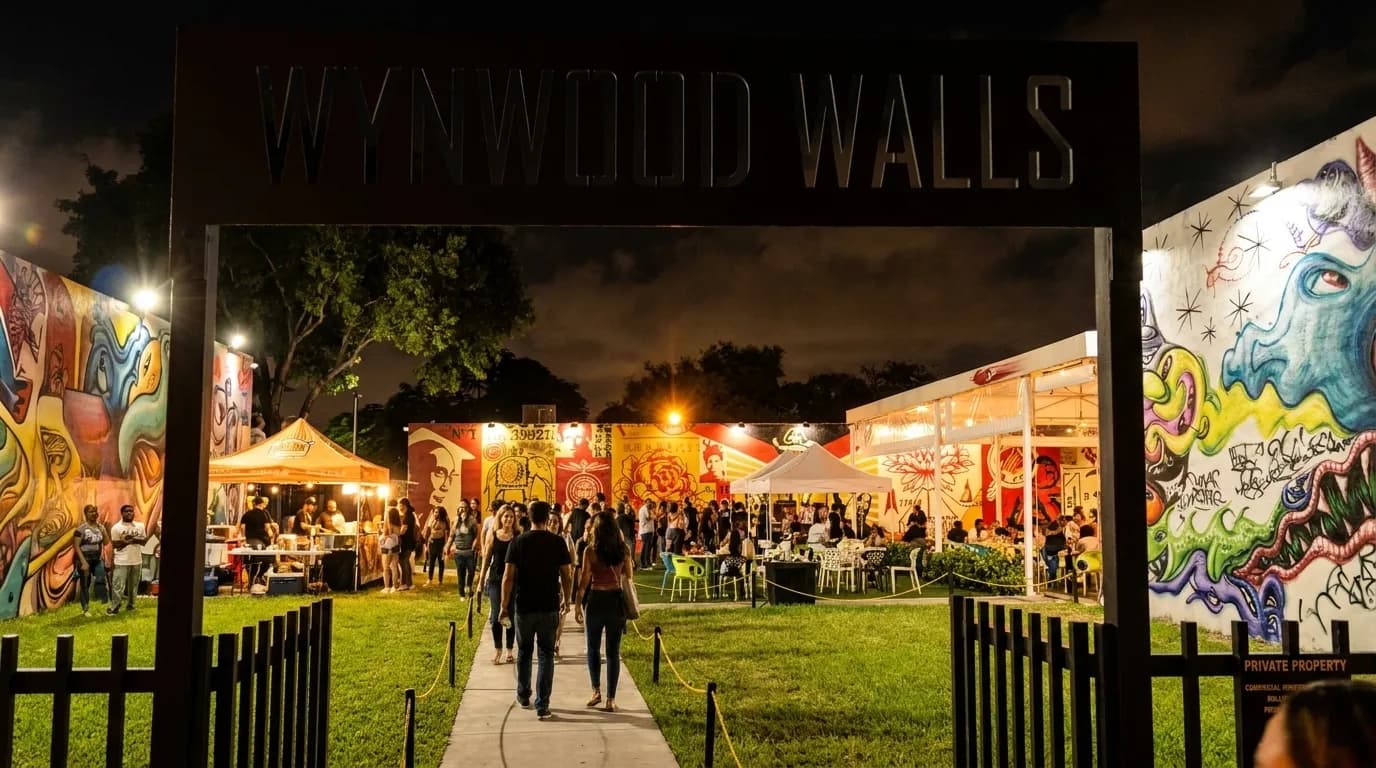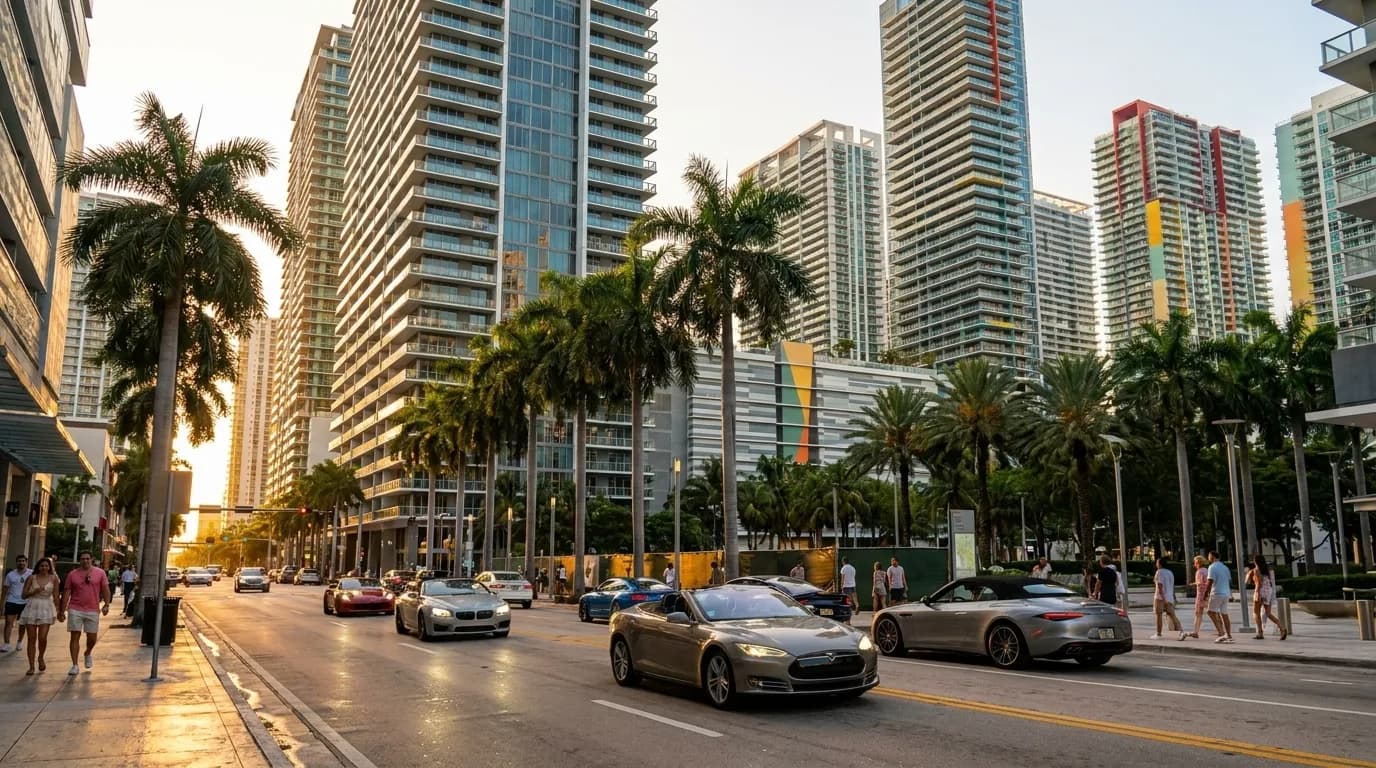
Most Miami visitors end up watching salsa from a corner table, nursing overpriced mojitos while a hired troupe performs choreographed routines. That's not what you came for. The real scene happens in Little Havana's three essential clubs where the dance floor stays packed until 3 a.m., the bands play son cubano and timba like their rent depends on it, and nobody cares if your footwork is rusty. You'll learn fast when you're surrounded by abuelas who've been dancing casino-style since the sixties.
Karpo tracks which nights have live bands versus DJs, cover charges, and whether you'll need a reservation—so you can walk in ready to dance.

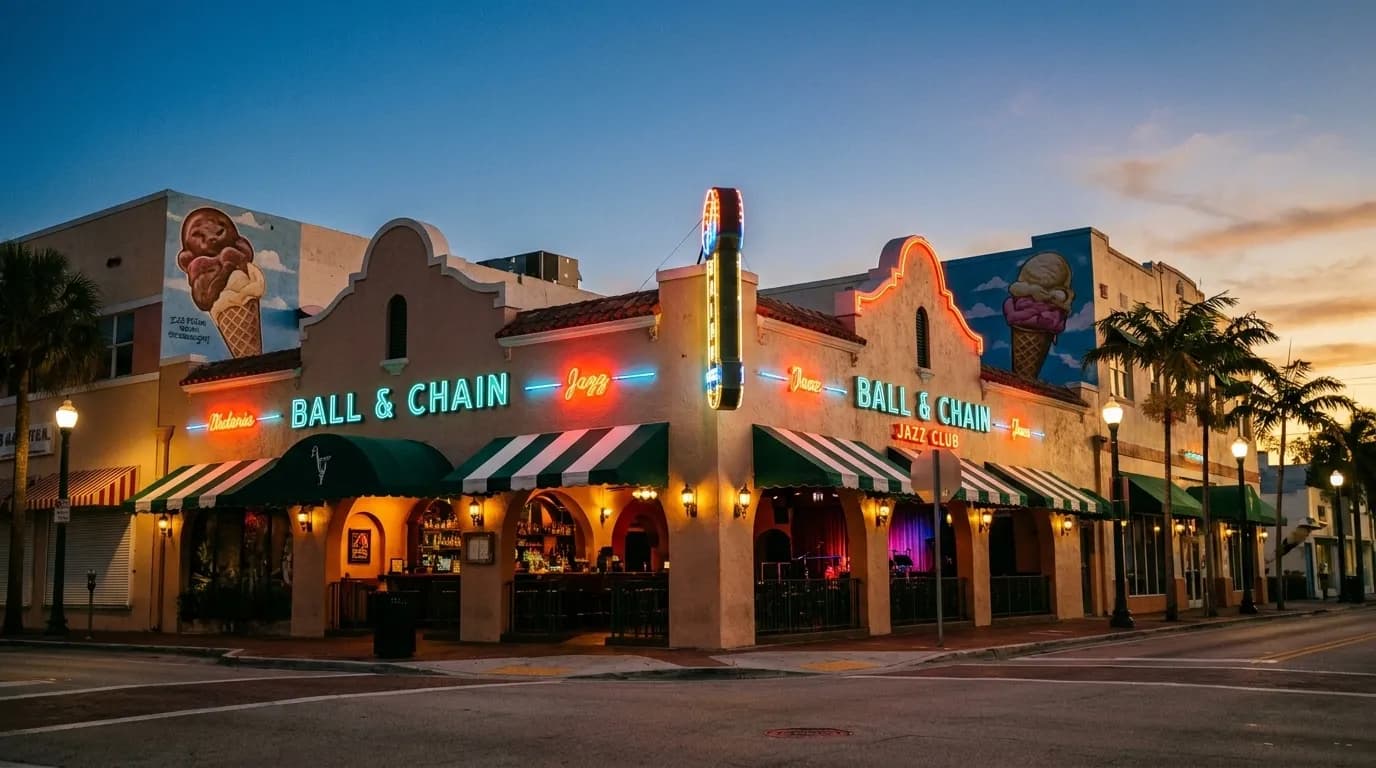
Ball & Chain: where the room moves as one
Ball & Chain on Calle Ocho has been the anchor since it reopened in 2014, reviving a spot that originally launched in 1935. The two-story venue books nine-piece bands most nights—full horn sections, congas, timbales—and the sound system actually does them justice. Weekends pull serious dancers, the kind who lead with their hips and can follow a tempo change mid-phrase. Fridays around 11 p.m., the upstairs mezzanine fills with couples running through complicated casino patterns while the main floor stays looser.
The bar pours solid Cuban coffee during the day and switches to rum-forward cocktails after 8 p.m. Expect around fifteen dollars for drinks. The kitchen serves decent ropa vieja and tostones, but most regulars eat before they arrive. Get there before 10 p.m. on weekends if you want a table; after that, you're dancing or standing. The courtyard offers a breather when the humidity inside gets thick, and the DJ between live sets knows exactly how to keep energy up without clearing the floor.
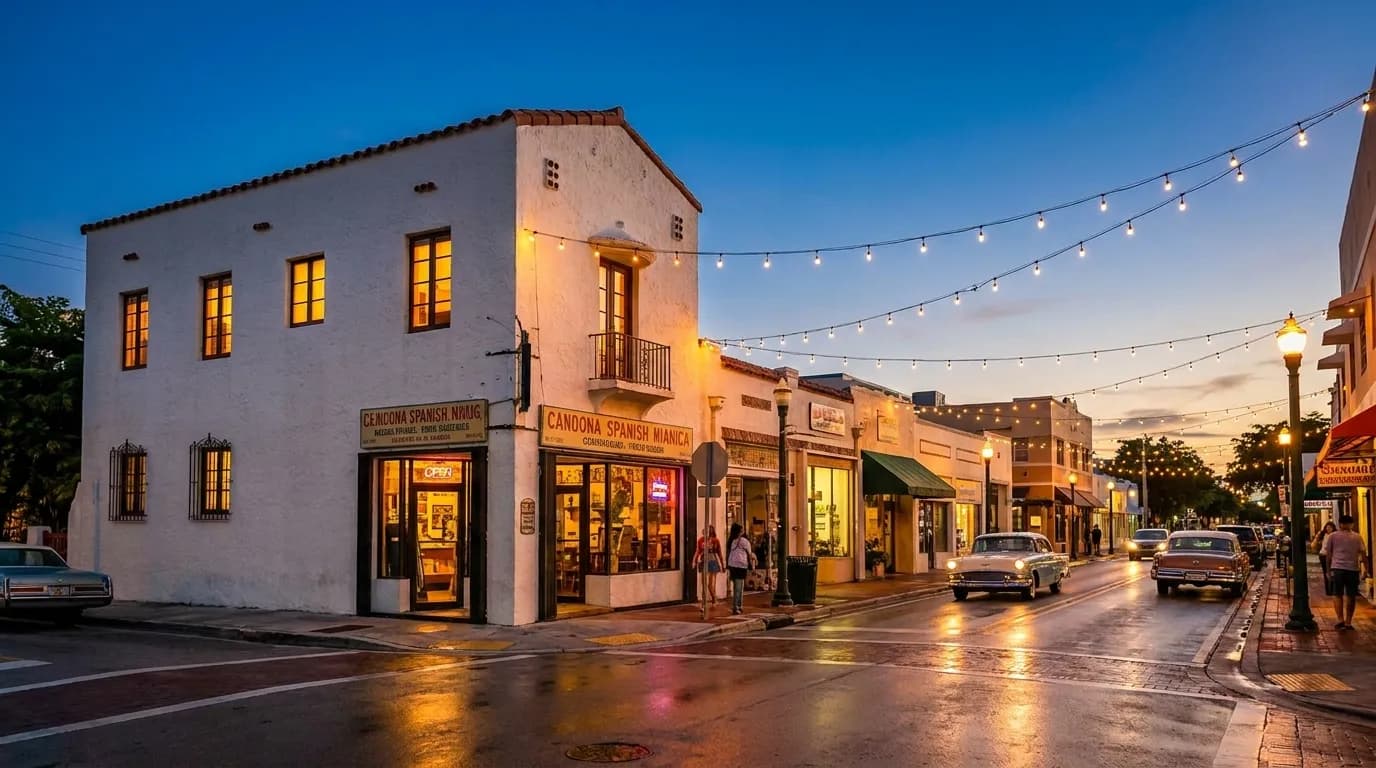
Hoy Como Ayer: the room that never peaks too early
Two blocks west, Hoy Como Ayer operates in a low-slung building that looks like it hasn't changed since the eighties. That's the point. This is where you go when you want live music every single night—trova on Mondays, full salsa orchestras Fridays and Saturdays, jazz trios midweek—and a crowd that skews older and vastly more skilled. The dance floor is small, maybe twenty by twenty feet, which forces you to stay tight and move efficiently. Watch how the regulars navigate: short steps, lots of rotation, zero wasted motion.
Cover runs around ten to twenty dollars depending on the band, and they don't take cards at the door. The bar is cash-only too, so hit an ATM before you arrive. Drinks are cheaper here than Ball & Chain—rum and Cokes hover around eight dollars—and the bartenders pour heavy. The sound is raw and loud, vocals sometimes overpowering the mix, but that's part of the charm. Locals arrive after midnight and stay until close, which is technically 3 a.m. but often stretches to 4 a.m. if the band is feeling it. Sit along the back wall if you need to pace yourself; the front tables get claimed by dancers who rotate in and out between songs.
Café La Trova: the bar that happens to throw a party
Café La Trova opened in 2019 and immediately split opinion. Some called it too polished, too designed, too much like a theme park version of a Havana cantina. Then people actually went. Yes, the interior is pristine—marble bar top, vintage Bacardi mirrors, a carefully curated collection of Cuban memorabilia—but the music program is dead serious. Weekends bring full bands into the back room, and the space transforms from a cocktail lounge into a dance hall that rivals anywhere else on Calle Ocho.
The difference here is the bar itself. Cantinero Julio Cabrera runs one of the best cocktail programs in the city, and the daiquiris and mojitos are meticulously balanced. Expect drinks around sixteen to eighteen dollars. The crowd skews younger and more mixed than Hoy Como Ayer, with plenty of people who came for the drinks and stayed for the music. Live sets usually start around 9 p.m., and by 11 p.m. the back room is full. The acoustics are cleaner than the other two spots, which means you can actually hear the piano montunos and the tres guitar lines that get buried elsewhere. If you're with someone who doesn't dance but appreciates craft cocktails, this is your compromise.
What to expect on the floor
None of these venues are beginner dance classes. You'll see people of all levels, but the culture is participatory. If you stand on the sidelines all night, you're missing the point. The regulars are generally welcoming—someone will offer a hand if you look willing but hesitant—but they also expect you to know at least basic salsa timing. YouTube a few casino rueda patterns before you go if you're nervous. The music is fast, tempos often pushing past 180 beats per minute, and bands don't slow down for tourists.
Dress codes are nonexistent, but you'll regret wearing sandals or anything that restricts movement. The floors are hardwood or tile, so proper shoes matter. Women often wear heels; men stick to dress shoes or clean sneakers. The rooms get hot—bring cash for coat check if you're carrying a jacket, though most people leave everything in the car. Bathrooms are small and often have a line, so plan accordingly.
When to go and what it costs
Ball & Chain usually doesn't charge cover but has a two-drink minimum most nights. Hoy Como Ayer's cover varies but rarely tops twenty dollars. Café La Trova doesn't charge entry, but the cocktails are pricier. All three accept cards for drinks and food, though Hoy Como Ayer's door is cash-only. Fridays and Saturdays are the big nights across all three, with Ball & Chain pulling the largest crowds and Café La Trova offering the most polished experience. Thursday nights at Hoy Como Ayer often feature smaller ensembles and a more intimate vibe, which can be ideal if you want to actually talk between songs.
Parking on Calle Ocho is a mix of metered street spots and paid lots. The meters stop charging after 9 p.m., but spaces fill fast. Rideshare is the easier call, especially since you'll likely be drinking. All three venues are within a ten-minute walk of each other, so some people bar-hop between sets. Be aware that the energy peaks late—if you show up at 8 p.m., you're early. By 11 p.m., you're in the thick of it.
Practical notes
All three spots are open nightly, though live music schedules shift. Ball & Chain posts lineups on Instagram a week ahead. Hoy Como Ayer's website lists bands but isn't always current—call ahead if you want to confirm. Café La Trova takes reservations for dinner tables but not for the back room during live music. Arrive by 10 p.m. on weekends if you want any shot at a seat. Bring cash for Hoy Como Ayer's door and tips. The scene is most active Thursday through Saturday, with Sunday nights offering a quieter but still live experience at Ball & Chain. Skip Monday and Tuesday unless you're already in the neighborhood.
Tags: #livemusicmiami #salsadancing #littlehavanamiami #ballandchain #hoycomoayer #cafelatrova #calsaocho #cubanmusic #miaminightlife #dancefloors #livebandsmiami #soncubano #miamisalsa #timbamusic #miamidancing
Please drink responsibly. Must be of legal drinking age.
All trademarks are the property of their respective owners.
Ask Karpo first
Karpo keeps current on which bands are playing where, when cover charges jump for special guests, and which nights actually deliver if you're serious about dancing. Text before you head out and you'll skip the guesswork—whether it's live music in Little Havana or anything else worth doing in Miami tonight.