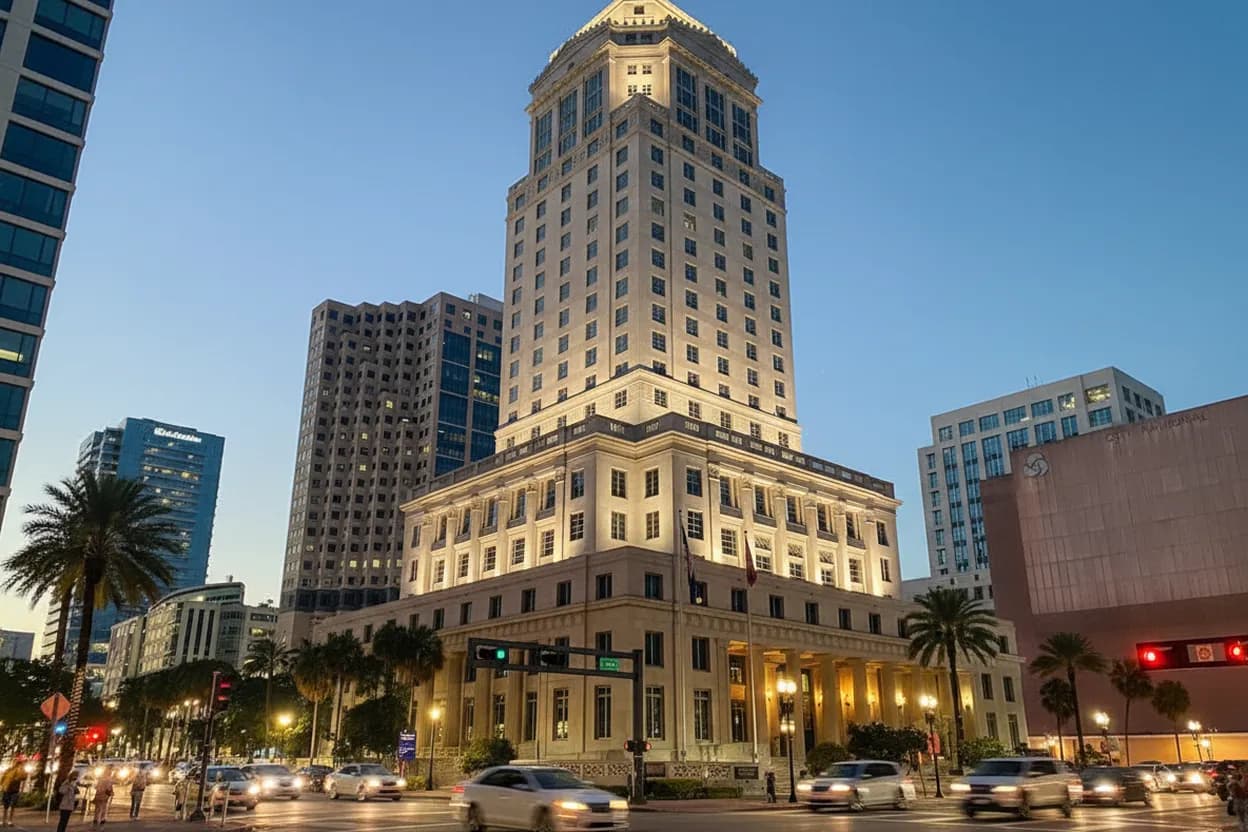
A weekday morning lawsuit question in Miami can feel bigger than the paperwork in front of you. Downtown court buildings, online case searches, fee schedules, and legal-aid intake all answer different problems, so the first move is not rushing to file. The calmer route is to separate three tasks: confirming what case or deadline exists, researching the law or forms without expecting legal advice, and deciding whether a lawyer or legal-aid organization should review the situation. Miami-Dade residents can start at official court and clerk resources, use the Miami-Dade County Law Library for research access, and keep Legal Services of Greater Miami or bar-listed referral options as a backup when the issue needs representation.
Want a cleaner Miami courthouse route before you click or commute? Text Karpo for a city-specific checklist that helps compare records, library research, and legal-aid intake steps.

Miami-Dade County Courthouse Law Library Desk
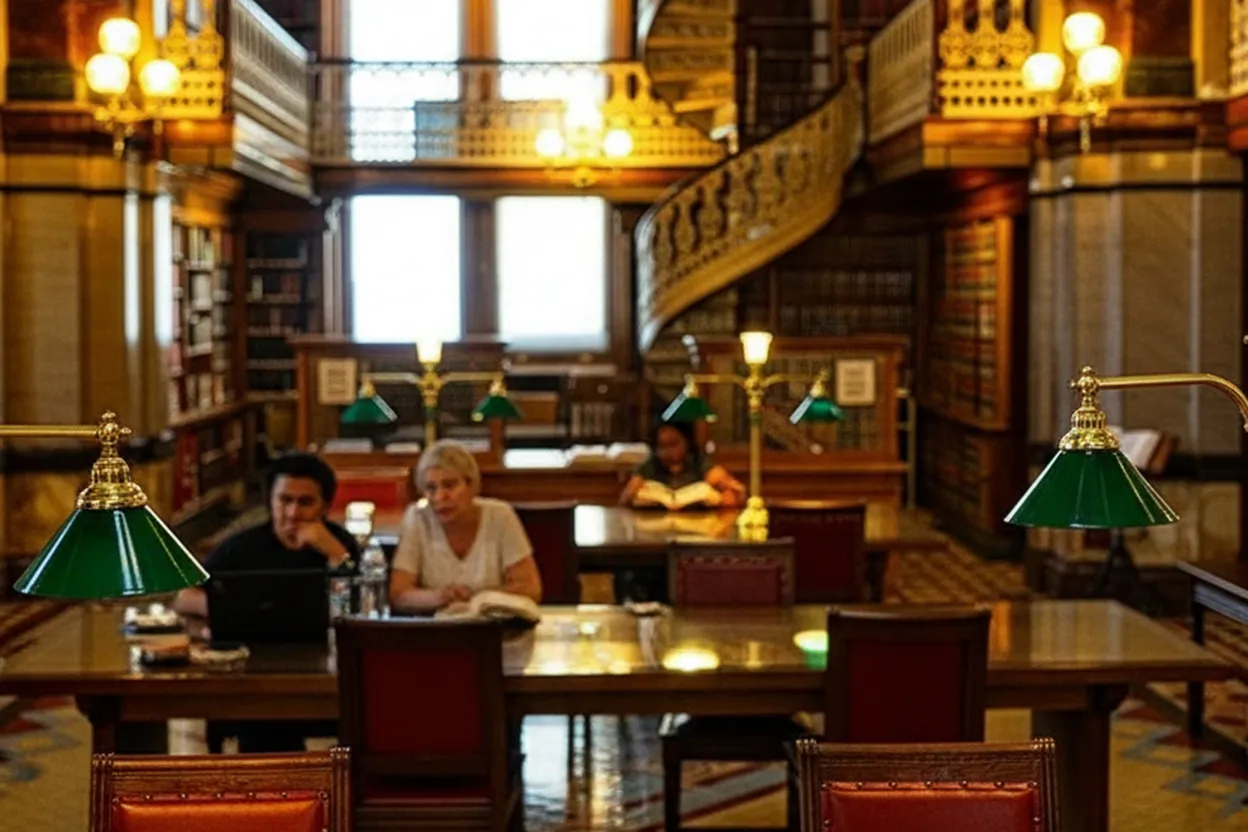
The Miami-Dade County Law Library is inside the Osvaldo N. Soto Miami-Dade Justice Center at 20 NW 1st Avenue, Room 10.234. Its posted schedule is Monday through Thursday, 8:15 a.m. to 4 p.m., and Friday, 8:15 a.m. to noon, except holidays. That makes it useful for a morning research stop, but not a substitute for same-day legal advice, filing confirmation, or emergency representation.
Use the library when you need statutes, case law databases, basic computer access, printing, or a quiet place to organize documents before speaking with someone else. Materials generally stay in the library, and some front-desk materials require a valid Florida driver license or Florida identification card for in-library use. The practical tradeoff is simple: the library can support research, but staff should not be treated as your lawyer or filing agent.
Osvaldo N. Soto Miami-Dade Justice Center Civil Clerk
The Clerk’s civil court page says civil filings may be made at the Osvaldo N. Soto Miami-Dade Justice Center or district court locations. It separates small claims, county court, and circuit court by claim type and amount, with small claims listed for money claims that do not exceed $8,000, excluding interest, court costs, and attorney fees. Check the clerk page before choosing a window or form.
A common failure mode is confusing a courthouse research trip with a filing decision. If you have a deadline, summons, eviction notice, foreclosure paper, or demand letter, first confirm the case type, case number, party names, and whether anything has already been filed. The clerk can provide procedural filing information, but a deputy clerk’s assistance is not the same as strategy about whether to sue, settle, answer, or seek dismissal.
Civil Online Case Search From Home
Miami-Dade’s records page links online searches for civil, family, probate, official records, code enforcement, and criminal justice records. For a civil dispute, start with party name, local case number, state case number, or hearing date if you have it. This at-home step can save a difficult downtown trip, especially if you only need to confirm whether a lawsuit exists or whether a document has been recorded.
Online records are not a complete plan. Names can be misspelled, cases can be sealed or restricted, and recently filed documents may not appear exactly when you expect. If the search does not match what you were told, do not assume the other person is wrong. Save screenshots or notes, then verify through the Clerk’s official contact channels or in person before missing a response deadline or paying anyone for a claimed courthouse problem.
Lawson E. Thomas Courthouse Center Family Self-Help
If the issue is divorce, name change, paternity, child custody, or post-judgment family modification, the Eleventh Judicial Circuit points self-represented litigants to the Family Court Self Help Program at the Lawson E. Thomas Courthouse Center, 175 NW 1st Avenue, Room 2441. Posted hours are 8:30 a.m. to noon and 1 p.m. to 4 p.m., Monday through Friday except court holidays.
This program is narrower than many anxious residents expect. It provides procedural assistance, form packets, review for completeness, and related self-help services, with fees listed by service and possible reduced or waived self-help costs for people who can show indigency. Its own FAQ warns that staff cannot tell you legal rights or remedies, represent you in court, tell you how to testify, guarantee a result, or keep information confidential.
Legal Services of Greater Miami Intake Choice
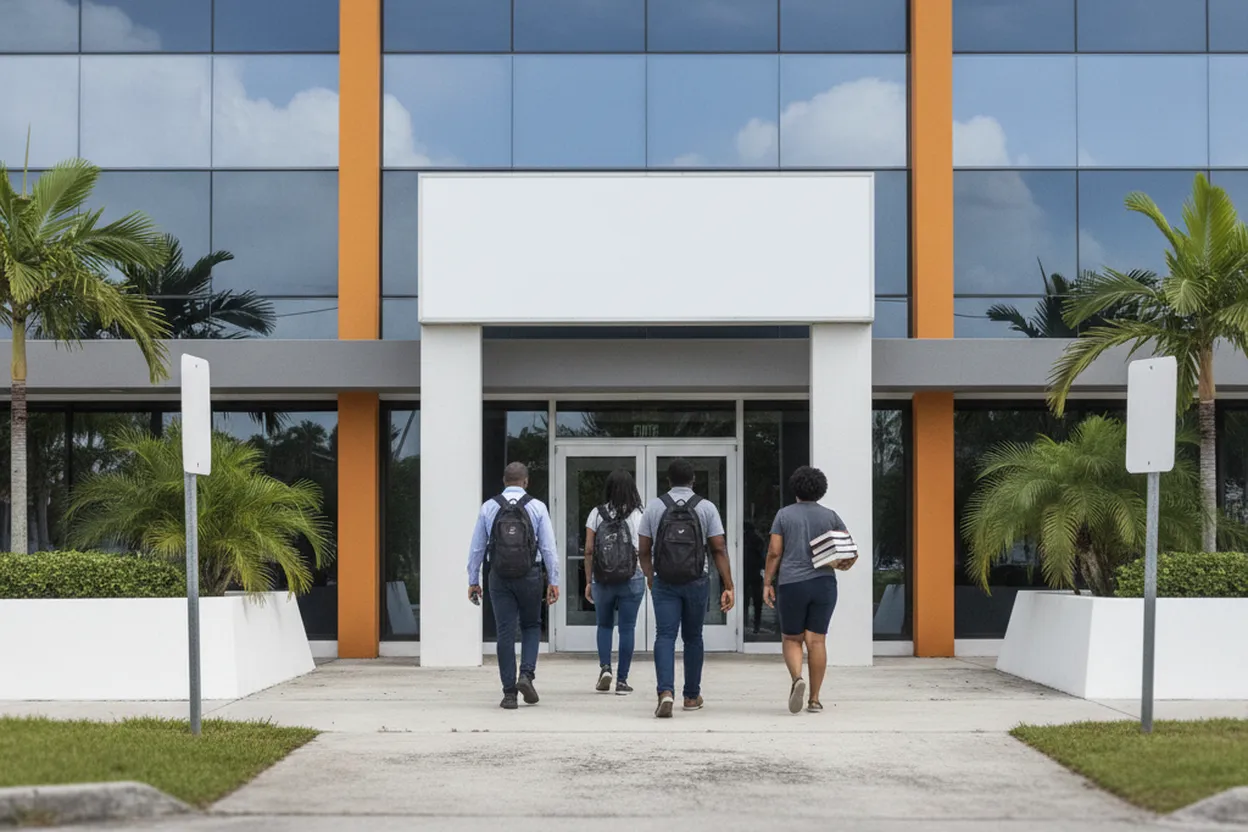
Legal Services of Greater Miami lists its main office at 4343 West Flagler Street, Suite 100, Miami, FL 33134, with a Miami-Dade phone number of 305-576-0080. Florida Law Help describes the organization as providing free civil legal assistance for low-income residents of Miami-Dade and Monroe Counties. Topic areas include housing, consumer, public benefits, education, veterans, seniors, disaster issues, tax, and related civil matters.
Choose legal aid when your question turns on rights, defenses, negotiation, evidence, immigration-related consequences, housing stability, public benefits, disability, safety, or a deadline you do not understand. The tradeoff is eligibility and capacity: free help is not automatic, intake may not mean representation, and some subjects may be referred elsewhere. If you cannot confirm current walk-in or phone intake hours on the official site, call before traveling across Miami traffic.
Government Center Metrorail and Metromover Backup
For many residents, transit is easier than parking near Government Center. Miami-Dade Transit says Metrorail operates from 5 a.m. to midnight, seven days a week, with Government Center serving downtown connections. Metromover is free and currently posted for 5:30 a.m. to 10 p.m. service while upgrades continue. Check alerts the morning you go, because downtown service changes can affect courthouse timing.
Accessibility planning should happen before leaving home, not at the platform. Miami-Dade Transit posts elevator and escalator status, and its Metromover page says riders using wheelchairs or mobility aids can request backup accessible service if an elevator is out of service. Build extra time for security screening, wrong-room corrections, printing delays, and lunch closures. If you must be in court, transit convenience should never outrank arrival reliability.
Morning Verification Action at Your Kitchen Table
Before going downtown or starting an online intake, make a one-page packet for yourself: court paper, envelope, deadline, case number, opposing party name, your questions, income documents if seeking legal aid, and a timeline of events. Put court research questions on one side and legal-strategy questions on the other. This prevents the law library, clerk counter, and legal-aid intake from blurring into one stressful errand.
The final verification action is to contact the exact office you plan to use on Tuesday, August 4, 2026, or the morning of your visit if later. Confirm hours, address, room number, holiday status, appointment rules, fees, language access, disability accommodation steps, and whether your case type fits. If any answer conflicts with an older screenshot, printed flyer, or third-party listing, rely on the official office confirmation before spending money or missing a deadline.
Tags: #Miami #MiamiDade #Lawsuit #LegalAid #LawLibrary #CivilCourt #SelfHelp #DowntownMiami #GovernmentCenter #CourtRecords #AccessToJustice #NeighborhoodGuides #AskKarpo #BeforeYouGo
Sources consulted: Source 1: mdcll.org · Source 2: miamidadeclerk.gov · Source 3: miamidade.gov · Source 4: jud11.flcourts.org · Source 5: legalservicesmiami.org · Source 6: miamidade.gov
All trademarks are the property of their respective owners.
Ask Karpo first
Tell Karpo your date, group size, budget, and starting point. We’ll check current access, timing, transit, and the cleanest Miami plan for Miami-Dade County Courthouse Law Library before you head out.