 GANXXET Yarn Store in Miami: Weekday Pickup Tips
Hidden Gems & Odd Finds
What Does Kevin Kiley Have to Do with Miami Plans Right Now?
When a California politician's name trends, Miami residents wonder if there's a local angle worth organizing an evening around.
Kevin Kiley represents a district northeast of Sacramento, but his name surfaces in Miami search bars when national politics heats up—usually around budget fights, education policy, or immigration debates that ripple through Florida. People aren't looking for the man himself to appear on Biscayne Boulevard. They're trying to figure out if there's a watch party, a university panel, or a campaign surrogate event tied to whatever legislative fight he's in the middle of. Miami has enough politically engaged communities—from Cuban-American groups tracking federal immigration votes to young professionals following education reform—that a trending congressional name can mean someone, somewhere in the metro, is organizing a discussion.
If you're trying to figure out whether a debate watch, a campaign stop, or a policy discussion is happening tonight in Downtown Miami, text Karpo. It'll check what's actually on the calendar and route you to the room that's open.
Why a California congressman shows up in Miami searches
The searches spike hardest when Kiley makes cable news rounds or when a bill he's sponsoring moves forward. That's when local political clubs, university groups, and issue-focused nonprofits schedule last-minute panels or informal gatherings. The problem is that these events rarely get announced more than forty-eight hours out, they're scattered across Coral Gables lecture halls, Wynwood coworking spaces, and Downtown hotel conference rooms, and half the time the venue changes because of air conditioning failures or double-bookings. If you're planning to attend something tied to a trending political figure, your first move is confirming the event actually exists and the room is still available.
Miami's political event circuit operates on short notice and high churn. A university auditorium books a panel, then a tropical downpour floods the parking lot and the organizer pivots to a Zoom link. A bar in Brickell advertises a debate watch, then the manager realizes the projected screen is broken. The friction isn't ideological—it's logistical. Heat, sudden storms, and the fact that half the city is separated by causeways mean that even a confirmed event can unravel if you don't verify the details two hours before you leave.
Downtown Miami as the default anchor for political gatherings
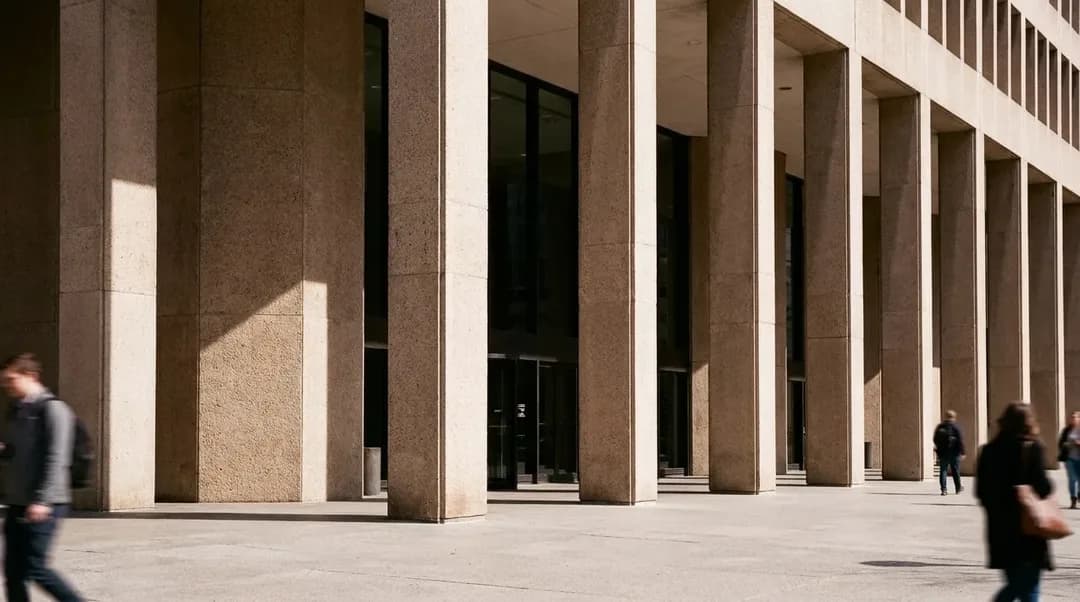
When something tied to Kevin Kiley or any other national political figure prompts a Miami event, Downtown is the neighborhood that absorbs most of the spillover. It has the hotel conference rooms, the coworking lounges with projectors, and the bars willing to let a group take over a corner for a watch party. The Stephen P. Clark Center and the adjacent public library branches have hosted informal policy discussions, though you'll need to check if the room you want is reserved for a different group. Brickell, just south, offers more polished venues—hotel ballrooms and private event spaces—but those tend to be invitation-only or ticketed affairs.
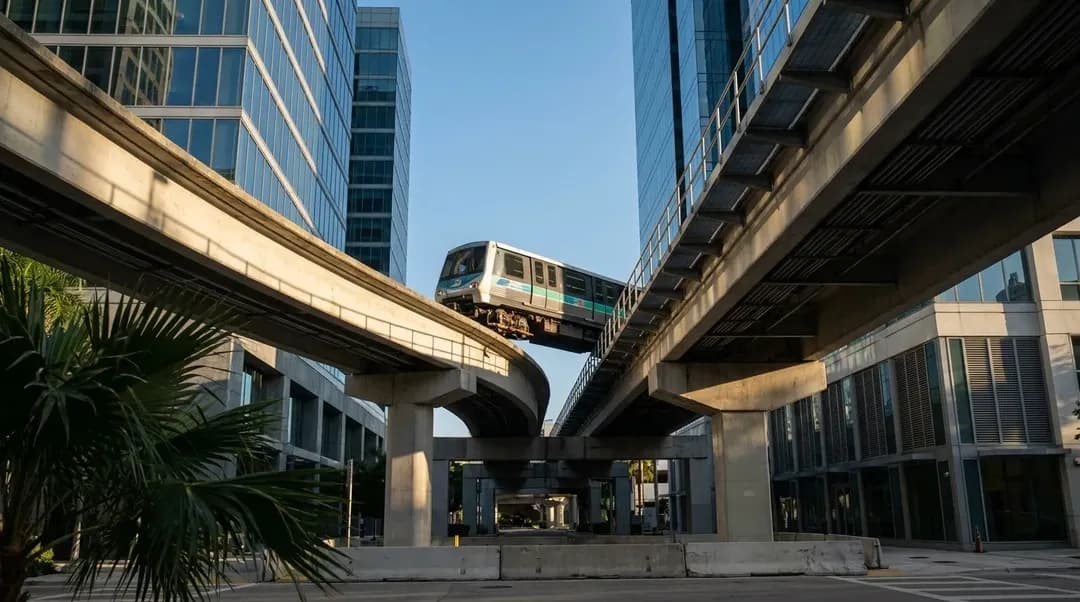
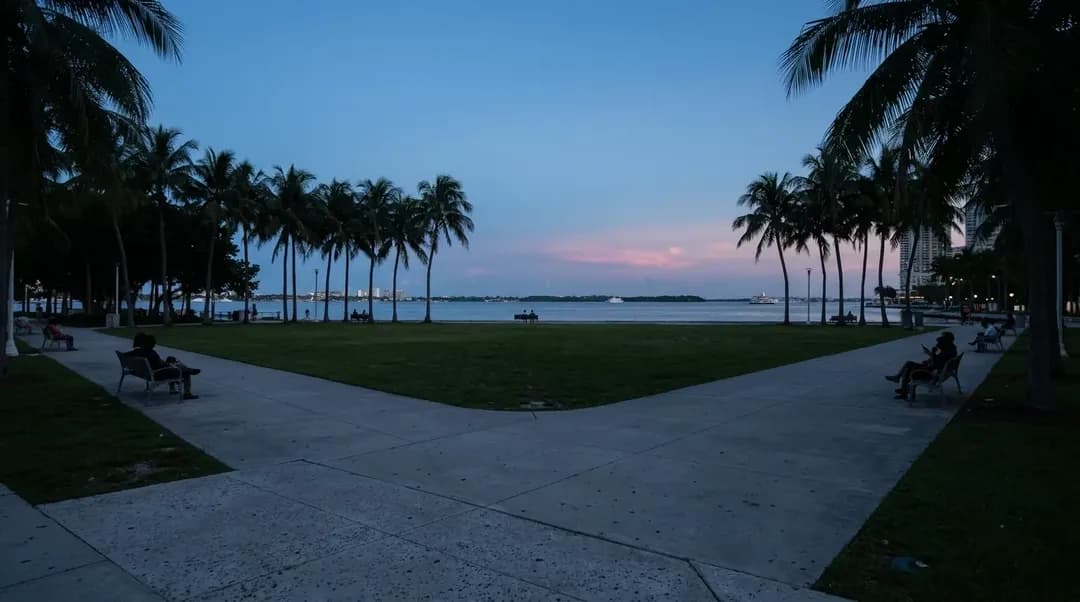
The advantage of Downtown is density: if the event you planned to attend falls through, you have fallback options within a ten-minute walk. Bayfront Park is a reliable neutral zone if you want to regroup outdoors, though the afternoon sun makes it brutal between noon and four. The Metromover runs a tight loop through Downtown and Brickell, so if you're venue-hopping, you can avoid the parking nightmare. Park once near the Government Center station or in one of the garages off Flagler Street, then ride the elevated rail to whichever block your event lands on.
The neighborhood's weak point is evening timing. If your event starts after six, you're racing causeway traffic if you're coming from the Beach, and rideshare pickup points around the Brickell Avenue corridor can add fifteen minutes to your exit. The Metromover stops running at midnight, so if a debate watch or panel runs late, plan your ride home before the crowd rushes the same pickup zone. The block between Northeast Second Avenue and Biscayne Boulevard tends to be the calmest for rideshare—fewer competing hotel guests, better curb access.
When to show up and when to bail
Political events tied to trending national figures have a narrow window of relevance. If Kevin Kiley is in the news today because of a committee vote, the Miami event organized around it will likely happen tonight or tomorrow—not next week. That means you're working with incomplete information: the venue might be confirmed but the start time is still "around seven," or the host posted an address but didn't mention whether it's indoors or outdoors. The single most useful move is to verify the event two hours before it's supposed to start. Check the organizer's social media, call the venue if it's a public space, or text someone who's already committed to going.
Afternoon rain is the great disruptor. Miami's summer storm pattern—clear skies until three, then a hard downpour from four to six—can flood street-level event spaces and knock out power in older buildings. If your event is scheduled for seven and the rain starts at five, give it until six-thirty before you commit to the drive. Organizers will usually post a cancellation or venue change by then. If you're already Downtown and the event gets called off, the public library on Flagler stays open until eight most weeknights, and it's a decent place to wait out the weather while you figure out your next move.
Bridge timing matters if you're coming from Miami Beach or Key Biscayne. The MacArthur Causeway backs up between five and seven on weeknights, and if you're aiming for a six-thirty event, you need to leave the Beach by five-fifteen. The Venetian Causeway is slower but more predictable—it rarely jams completely, just crawls. If you're driving, budget twenty extra minutes for parking. The garages near the Adrienne Arsht Center and around Northeast Second Avenue fill up early when there's a performance or a public meeting at the same time as your event.
Coral Gables and Coconut Grove as quieter alternatives
If the Downtown scene feels too last-minute or too crowded, Coral Gables and Coconut Grove offer smaller, more predictable venues for political discussions. The University of Miami occasionally hosts panels tied to national policy debates, and those events are better organized than a pop-up bar watch party—posted agendas, confirmed speakers, actual seating. The campus is a twenty-minute drive from Downtown, and parking is straightforward if you arrive before the event starts. Check the university's public event calendar rather than relying on social media rumors.
Coconut Grove has a handful of independent bookstores and cafes that host informal political talks, though these are more likely to focus on local or state issues than a specific congressman from California. Still, if you're trying to find a group of people interested in the same legislative fight that made Kevin Kiley trend, Grove gatherings tend to attract a policy-focused crowd rather than a cable-news-watch crowd. The trade-off is that these events are smaller—fifteen to thirty people—and they fill up fast. RSVP if the host asks for one, and confirm the location the day of.
Both neighborhoods are easier to navigate than Downtown if you're unfamiliar with Miami. Coral Gables has metered street parking that actually turns over, and Coconut Grove's main strip along Grand Avenue has public lots that don't charge after six. The downside is fewer fallback options if your event cancels. You're not within walking distance of three other venues the way you are in Downtown, so have a backup plan before you drive out.
Double-check the event exists before you leave
The most common mistake is assuming that because Kevin Kiley is trending nationally, the Miami event you saw mentioned online is still happening. Political watch parties and pop-up panels get announced in Facebook groups, on Twitter, and in Slack channels, but they also get quietly canceled when the organizer realizes ten people RSVPed and the venue requires a fifty-person minimum. Before you commit to the drive, verify that the event is confirmed by the venue itself—not just the person who posted about it.
If the event is at a hotel conference room, call the front desk and ask if the room is reserved for that group tonight. If it's at a bar, check the bar's own social media or call to confirm they're expecting a group. If it's at a coworking space or a community center, make sure the building is open to the public that evening—some spaces require a member to check you in. This verification step sounds tedious, but it saves you from arriving at a locked door or a venue that has no idea what you're talking about.
Miami's event culture runs on enthusiasm and improvisation, which is great until you're the one stuck in causeway traffic heading to something that was canceled three hours ago. The city's political groups are genuinely engaged and they organize thoughtful discussions, but the infrastructure—venues, communication, backup plans—is inconsistent. Treat every event as tentative until you have hard confirmation, and keep a list of fallback spots in the neighborhood where you can regroup if the original plan falls apart. Bayfront Park, the public library, and the Metromover loop are all free and accessible, and they give you time to figure out your next move without standing in the heat.
Practical notes
- Verify the event location and start time two hours before you plan to leave; many political gatherings get canceled or moved on short notice.
- If you're driving from Miami Beach, leave by 5:15 PM to clear causeway traffic for a 6:30 PM event Downtown.
- Park near Government Center or a Flagler Street garage and use the Metromover to reach venues in Downtown or Brickell.
- Afternoon rain between 4 PM and 6 PM often floods street-level spaces; wait until 6:30 PM for organizer updates before committing to the drive.
- Most political watch parties and panels are free, though some university events or ticketed discussions may require advance registration.
- Have a fallback plan—Bayfront Park, the public library on Flagler, or a café in Coral Gables—in case the event cancels.
Tags: #karpo #miamidowntown #kevinkiley #politicalevents #miamiplans #theoddedit #coralgables #coconutgrove #metromover #bayfrontpark #miaminights #causewaytiming #eventvetting #miamilogistics #watchparty
Sources consulted: Miami-Dade County Public Library · University of Miami Events · Miami Metromover
All trademarks are the property of their respective owners.
Ask Karpo first
Before you drive to a political event tied to Kevin Kiley or any other trending figure, text Karpo to confirm what's actually on the calendar tonight in Downtown Miami or Coral Gables. It'll check current venue status, give you a live route that accounts for causeway traffic and parking, and suggest a backup if the event falls through.
Ask Karpo for more information.
Keep reading
- GANXXET Yarn Store in Miami: Weekday Pickup Tips
 South Miami Pet Boutique Since 1986: Dog From Ipanema
 Pet Boutique Since 1999 in Coconut Grove: Lovely Pets