 Brickell Tailor Alteration Shop Finder: First Work Suit Fit
Neighborhood Guides
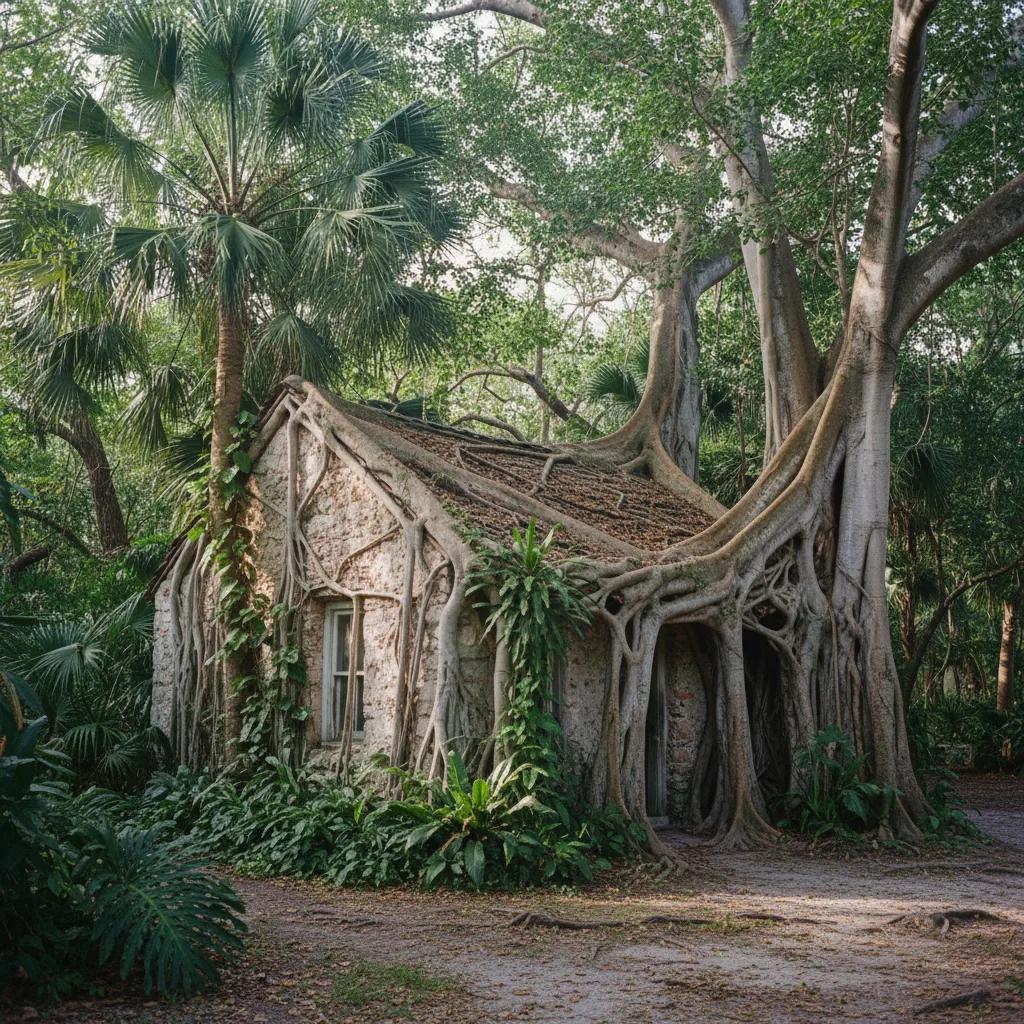
Coconut Grove Historic Neighborhood Photo Walk Trail
Explore lush banyan canopies and 19th-century pioneer cottages through Coconut Grove. Use the Karpo APP to connect historic shell-rock lanes near Biscayne Bay.
McFarlane Road and Main Highway anchor the historic tropical village of Coconut Grove, Miami's oldest continuously inhabited modern neighborhood founded in 1873 by an eclectic community of Bahamian settlers, New England artists, and naturalists. Nestled along the limestone bluffs of Biscayne Bay, the Grove is celebrated for its dense, ancient canopy of massive banyan trees, historic coral-rock pioneer cottages, and relaxed bohemian maritime character. Taking this self-guided historic neighborhood photo walk leads visual storytellers through shaded shell-rock lanes, historic Bahamian shotgun houses, and serene bayfront marinas that evoke the timeless romance of Old Florida across every tropical block.
Pioneer Coral Rock Architecture and The Barnacle
Main Highway preserves some of the finest pioneer architecture in South Florida, highlighted by The Barnacle Historic State Park along Main Highway. Built in 1891 by pioneer Ralph Middleton Munroe, the historic home is the oldest standing residence in Miami-Dade County remaining on its original site. Constructed from salvaged shipwreck timbers and native Dade County slash pine with deep wraparound verandas, the house was ingeniously designed to catch natural bay breezes and withstand tropical storms with remarkable resilience.
Walking through the five-acre virgin tropical hardwood hammock surrounding the Munroe home transports photographers back to the late nineteenth century. Shaded shell paths lead through dense canopies of gumbo-limbo and pigeon plum trees, opening suddenly onto an expansive grassy lawn that slopes gently down to the tranquil sailboat moorings of Biscayne Bay. Framing the rustic wooden veranda looking out toward the water captures the authentic pioneer lifestyle that characterized early Biscayne Bay settlements.
Morning Sun and Lush Tropical Banyan Canopies
Early morning between 8:00 am and 10:30 am provides breathtaking lighting conditions throughout Coconut Grove, as golden sunlight breaks through the dense canopy of century-old weeping banyans along Main Highway and Ingraham Highway. Massive aerial roots cascade from towering branches to anchor in the soil, creating natural cathedral-like columns and sculptural wooden arches. The filtered morning light casts delicate, dancing shadow patterns across historic coral rock walls.
Photographers should use a wide 28mm or 35mm lens to capture the monumental scale of these heritage banyans framing historic wooden cottages. The high humidity and warm coastal air create a soft atmospheric bloom that lends a dreamy, vintage tropical quality to your landscape and architectural exposures.
Charles Avenue and Bahamian Shotgun Heritage
Charles Avenue represents the historic heart of Coconut Grove's Bahamian pioneer community, settled in the 1880s by skilled Bahamian mariners and agriculturalists who contributed profoundly to early Miami. The street preserves charming nineteenth-century Bahamian shotgun and wooden frame cottages characterized by raised limestone pier foundations, steep gabled metal roofs, and shaded front porches designed for evening conversation. These colorful historic dwellings offer powerful documentary street photography subjects.
Surrounding garden plots feature vibrant plantings of crotons, bougainvillea, and fruit trees, reflecting the agricultural traditions of early island settlers. Capturing the weathered wooden clapboards, louvered window shutters, and hand-carved porch railings with soft side lighting honors the enduring cultural resilience of Miami's first Black community. The lush subtropical foliage framing these modest wooden homes provides vivid color contrast and rich historical atmosphere.
South Bayshore Drive Traffic and Fast Roads to Skip
South Bayshore Drive along the coastal perimeter carries heavy commuter automobile traffic connecting Coconut Grove with downtown Miami, producing steady engine noise and vehicle congestion. The fast-moving traffic and wide multi-lane intersections make pedestrian street photography difficult and unrelaxing during morning and afternoon rush hours. Skip attempting continuous walking photography along the main roadway of South Bayshore Drive during peak commute periods.
Quiet interior residential lanes such as Hibiscus Street, Commodore Plaza, and Day Avenue provide serene, tree-shaded alternatives throughout the day. These pedestrian-friendly village streets feature light local traffic, lush residential gardens, and wide brick sidewalks where photographers can compose peaceful architectural frames in relaxed comfort.
Native Coral Rock Masonry and Historic Gateways
Hand-cut oolitic limestone, known locally as coral rock, forms the distinctive structural material that defines Coconut Grove's historic masonry. Examine the historic retaining walls, gate pillars, and garden terraces along Royal Road and Douglas Road, where nineteenth-century stonemasons laid rough fossilized coral containing ancient sea shells and fossilized marine formations. The rough, porous texture catches morning side light with remarkable tactile relief and warm natural coloration.
Decorative wrought-iron gates set into coral stone pillars provide elegant framing elements for landscape views. Photographing these historic gates draped in climbing white jasmine or magenta bougainvillea evokes the secluded, aristocratic charm that drew early artists and writers to establish winter studios in the Grove.
Peacock Park and Biscayne Bay Marina Promenades
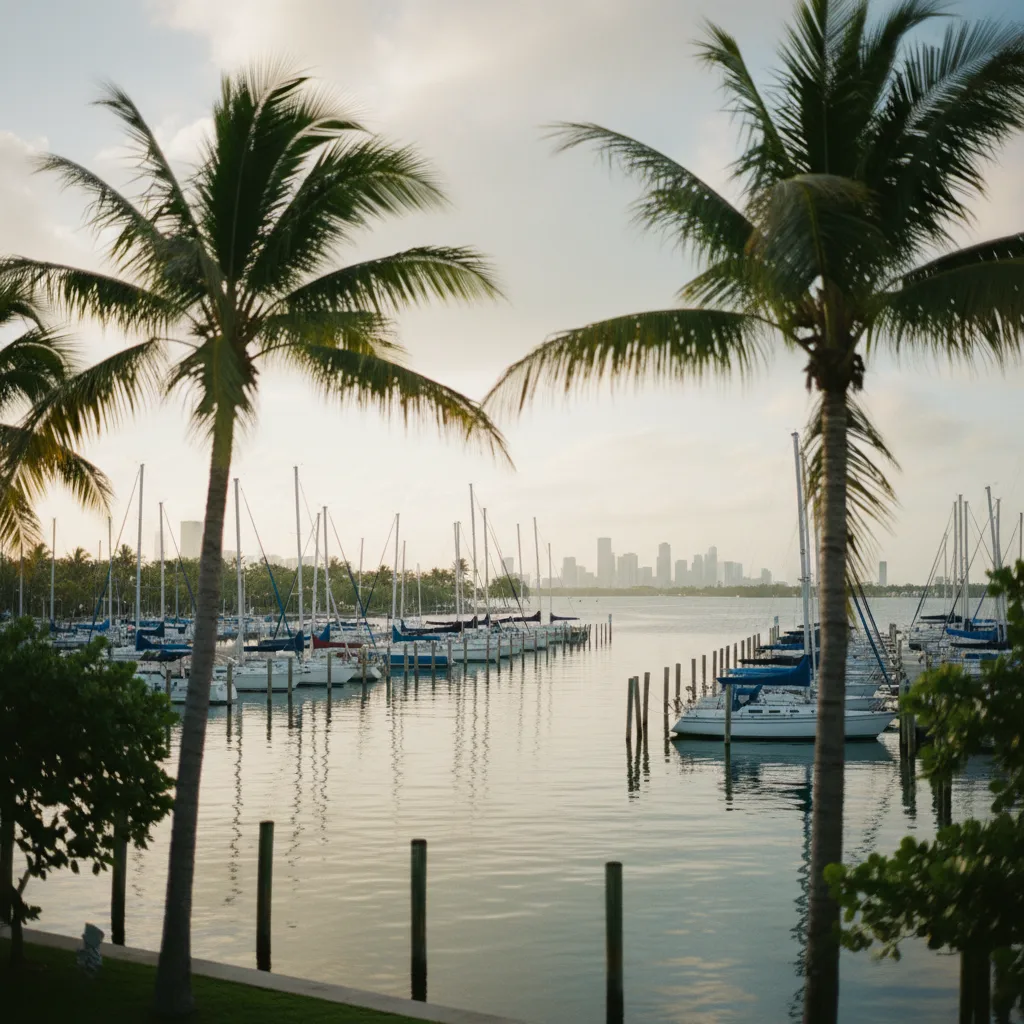
Peacock Park marks the historic site where Jack and Isabella Peacock opened the Bay View House in 1882, Miami's very first tourist hotel. Today, the nine-acre public park features rolling green lawns, mature shady trees, and open waterfront boardwalks overlooking Dinner Key Marina. Hundreds of white sailing masts bob gently in the blue bay waters, creating classic maritime leading lines against the horizon.
Pausing at an outdoor terrace cafe along Commodore Plaza provides a wonderful setting to rest, enjoy a fresh key lime pastry or espresso, and review your captured frames. The relaxed bohemian rhythm and welcoming village atmosphere offer delightful candid documentary opportunities that capture Coconut Grove's enduring community charm, where artists, sailors, and longtime locals mingle naturally beneath the gentle tropical shade.
Transit Access and Practical Grove Field Notes
Reaching Coconut Grove is straightforward using public transportation, with the Coconut Grove Metrorail station located on US-1, where visitors can board the free Coconut Grove Trolley that loops directly through the historic village center and bayfront parks every fifteen minutes.
Shaded sidewalks and paved park pathways make this photo walk comfortable and largely protected from midday sun, though insect repellent is helpful when exploring dense wooded hammocks. Wear comfortable walking shoes with good traction, carry a microfiber cloth for humid lens transitions, and open the Karpo APP to follow curated walking circuits and discover historic photo landmarks across Coconut Grove. Taking time to linger near the bay as evening breezes rustle the palms provides a deeply tranquil conclusion to an architectural journey through Old Florida.
Ask Karpo for more information.
Keep reading
- Brickell Tailor Alteration Shop Finder: First Work Suit Fit
 Coconut Grove Tailor Alteration Shop Finder: Heat-Proof Fits
 Little Havana Tailor Alteration Shop Finder: Guayabera Fits