 Brickell Tailor Alteration Shop Finder: First Work Suit Fit
Neighborhood Guides
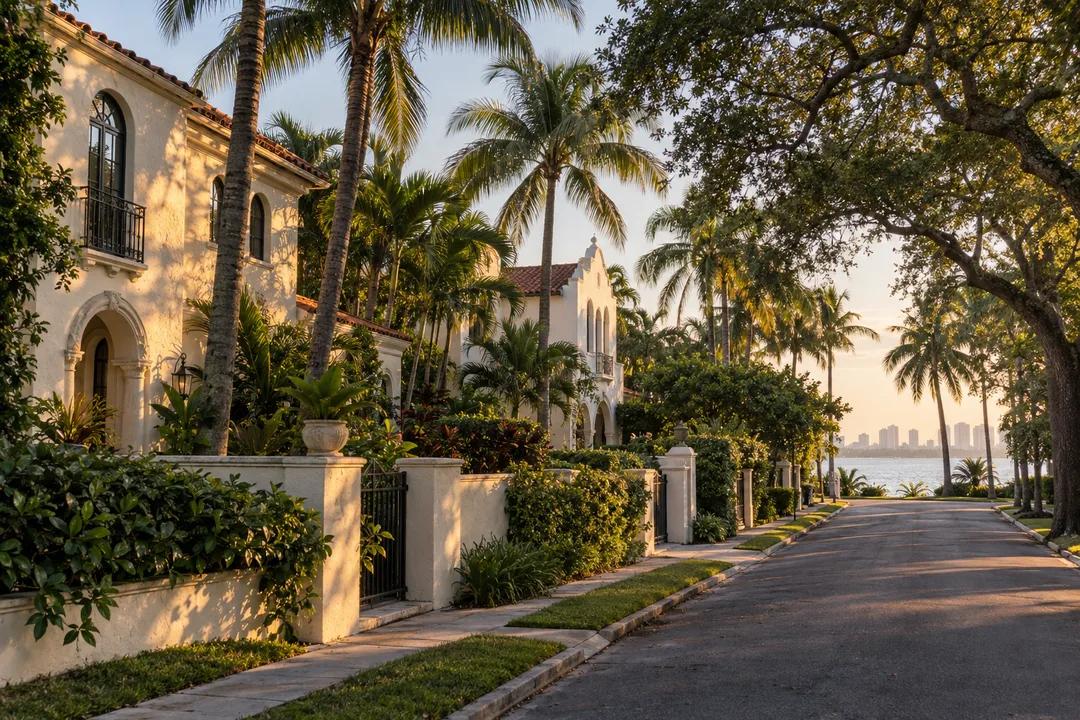
Morningside Historic Neighborhood Loop: Bayfront Garden Walk
Design a Morningside historic neighborhood loop with garden streets, bayfront pauses, and a calm return tailored to your walking pace and energy.
A Morningside historic neighborhood loop is a study in edges: garden walls beside sidewalks, mature trees over residential streets, and moments when the landscape opens toward Biscayne Bay. The route should feel calm and deliberate rather than like a race between landmarks. Tell Karpo APP whether you want a garden-focused walk, a bayfront pause, a photography route, or a gentle outing with an early finish. Set duration, pace, and shade preference first. The planner can compare a compact residential loop with a longer version that adds an open-air segment, keeping the return leg simple enough for the whole group.
Choose a Garden-Led Opening
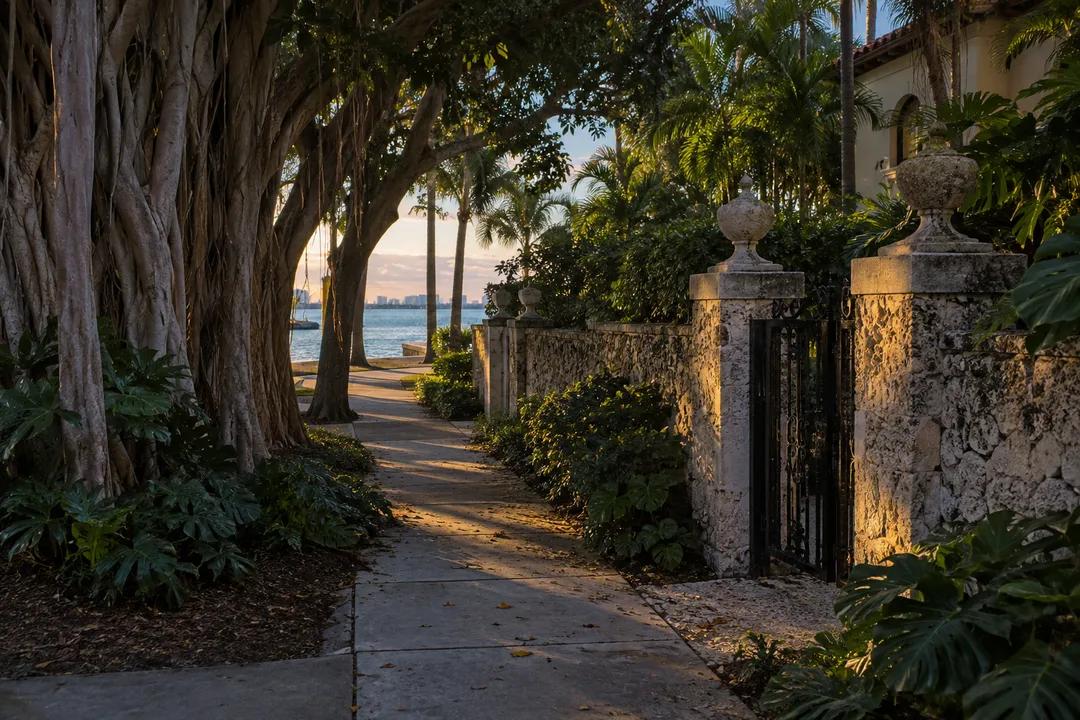
Begin with the district's landscape vocabulary. A garden-led opening gives everyone time to notice canopy, setbacks, walls, and the way houses sit behind greenery. Ask for lower-traffic streets and a few obvious regroup points so the group can talk without bunching. Use one architectural or landscape anchor as the first chapter, then let the route move toward a broader view. Avoid overloading the opening with facts. The neighborhood's character emerges through repetition: shade, quiet façades, planted edges, then a sudden glimpse of sky. That pattern is more memorable than a string of unrelated pins.
Read the District Through Street Edges
Street edges help explain how a historic district works. Compare a landscaped residential stretch with a more open public edge, noting changes in sound, pace, and sightline. If someone wants history, ask for a context note tied to the route's sequence rather than a detached paragraph. If another walker wants only a relaxing loop, keep the explanation optional. The planner can make that distinction visible by offering a story-rich version and a lighter version with the same core anchors. A route that respects different attention spans is easier to enjoy and easier to finish together.
Plan for Shade and Bay Wind
Bay wind and Miami sun create different kinds of exposure. A shaded opening can protect the group while energy is fresh, while the open section becomes a deliberate highlight rather than an unavoidable burden. Ask for an alternate return if the breeze or heat feels stronger than expected. Build one reset before the bayfront pause and one after it. Carry water, a hat, and a light layer for changing conditions. If the weather shifts, remove the longest exposed branch first and keep the garden streets as the route's reliable backbone. This preserves the atmosphere without pretending conditions are static.
Keep Residential Segments Respectful
Residential streets require a quieter kind of route etiquette. Keep the group moving, avoid lingering in driveways or blocking gates, and use planned corners for photographs. The point is to observe the district as a lived environment, not to turn private houses into attractions. Ask the app to favor public paths and clear sidewalks, with a compact alternative if a segment feels too close to homes. A respectful loop also feels better: the group can pay attention to trees, walls, and light without worrying that its presence is creating friction. That is a practical improvement, not just a moral one.
Add a Bayfront Pause With Options
The bayfront pause should have choices attached to it. Some walkers want a long view and silence; others want a short look before returning to shade. Ask for both durations and compare the extra walking time. If the group is photographing, schedule a defined stillness window so no one feels rushed. If energy drops, use the nearest exit rather than pushing toward a distant finish. A route tool is valuable here because it can preserve the same central idea while changing the amount of exposure. The best view is the one the group can reach without spending all its attention on logistics.
Build a Quiet Return Leg
For the return, choose calm over novelty. A different but parallel residential line can keep the walk fresh without adding complexity. Set the finish condition before leaving: a regroup point, a transit connection, or a place where the group can decide on the next activity. If twilight arrives, remove optional turns and keep to the clearest path. If everyone still feels energized, add one short garden-focused extension. This makes the route adaptable without losing its shape. Morningside works especially well when the ending feels quieter than the beginning, as if the neighborhood has gradually lowered the volume.
Practical Notes for Morningside
Practical Notes: prompt “Morningside historic neighborhood loop, garden streets, optional bayfront pause, respectful residential pace, calm return.” Choose compact or extended duration, set shade priority, and add one regroup corner. Keep public paths central, treat bay exposure as optional, and remove the longest open branch if heat or wind rises. Ask for a different finish condition if the group wants to continue elsewhere. Karpo APP can compare these route shapes so a peaceful walk stays peaceful even when the weather, energy, or timing changes. End the planning conversation with one shared promise: the route will protect the neighborhood's quiet character. Decide where photographs are appropriate, where the group will pause, and which branch can be removed without losing the core experience. If the bayfront feels too exposed, keep the garden sequence and return along the clearest public path. If everyone feels comfortable, add the short extension and let the open sky become the final note. Save the chosen version in Karpo APP so the group can move together without comparing separate maps. Morningside is most rewarding when the walk leaves space for small discoveries: a gate, a canopy, a changing breeze, a distant line of water. Those details emerge when logistics are settled early and attention is free to wander. Give the route a clear editing principle: protect the quietest and most distinctive segment first. If time shrinks, remove repetition before removing the bayfront or garden anchor that defines the outing. Ask for a direct return that uses the same public-path logic, then keep an optional scenic extension for walkers who want more. The group can decide in real time without losing orientation. A short note about meeting point, pace, and shade preference is enough to keep everyone aligned. Morningside rewards restraint. The loop should feel like a measured walk through layered landscape, with the final view acting as a gentle punctuation mark rather than another demand on attention. End the setup with a one-line promise: garden shade, quiet architecture, or bay air with a gentle finish. That promise gives the group a shared filter for optional turns. Save a compact and an extended version in Karpo APP, then select after checking energy and weather. If a path feels too exposed, keep the garden sequence and use the direct return. Morningside's details are subtle, so the route should create enough calm for everyone to see them. The clearest plan is often the one with fewer, better transitions.
Ask Karpo for more information.
Keep reading
- Brickell Tailor Alteration Shop Finder: First Work Suit Fit
 Coconut Grove Tailor Alteration Shop Finder: Heat-Proof Fits
 Little Havana Tailor Alteration Shop Finder: Guayabera Fits