 Brickell Tailor Alteration Shop Finder: First Work Suit Fit
Neighborhood Guides
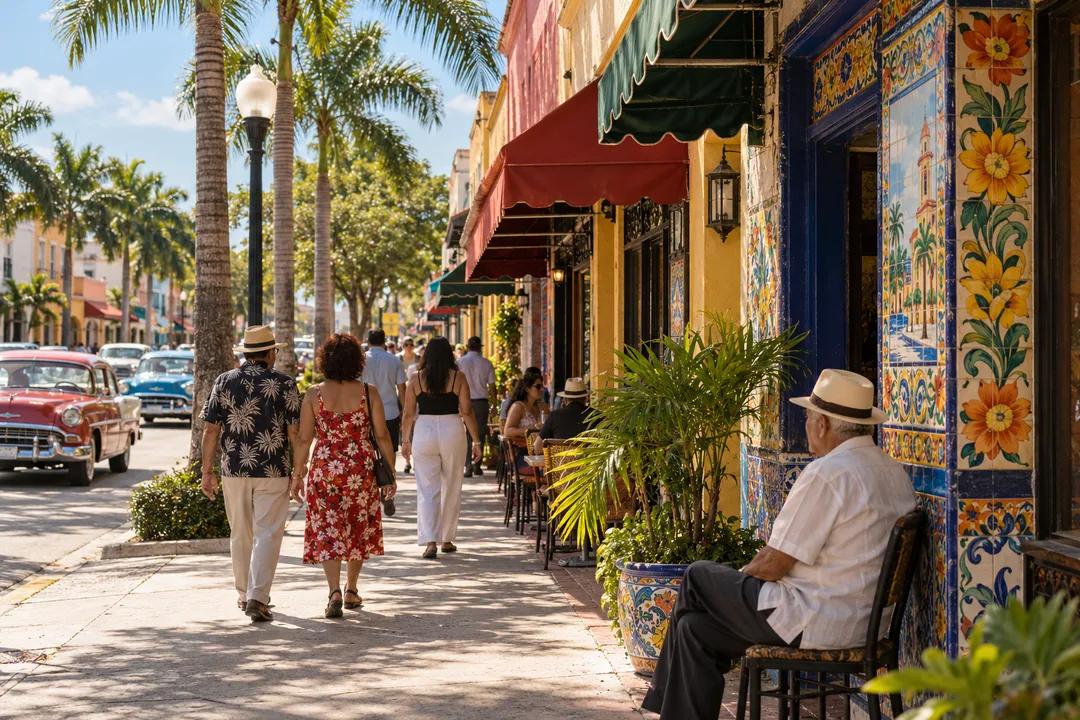
Little Havana Historic Neighborhood Loop: Calle Ocho
Plan a Little Havana historic neighborhood loop with music, murals, shaded pauses, and a flexible Calle Ocho route for your group to adjust.
A Little Havana historic neighborhood loop should be planned as a sensory walk, not a checklist of famous corners. The district reveals itself through music drifting from doorways, hand-painted color, café conversations, domino-table energy, and the changing pace of Calle Ocho. Tell Karpo APP whether you want a story-focused route, a food-and-sound outing, a photo walk, or a gentle social loop. Set your duration and walking pace first. The planner can then offer a compact spine, a version with quieter side streets, and a return that keeps the group together. That structure leaves room for the neighborhood to speak without asking you to perform it.
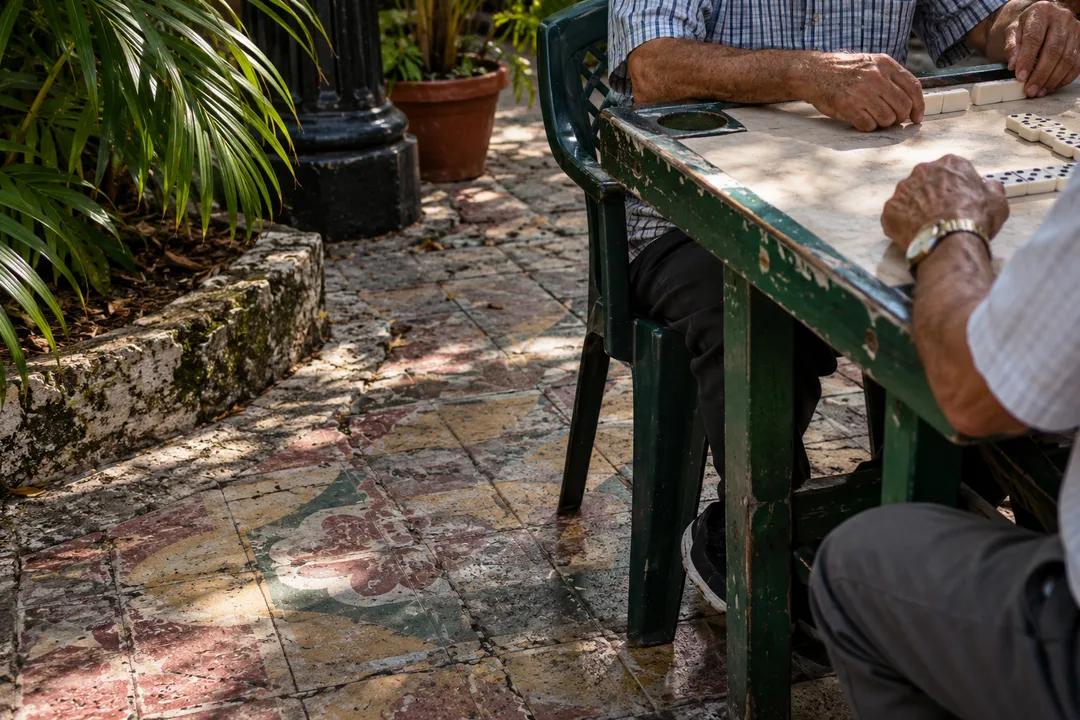
Begin With Sound and Street Rhythm
Start with one clear story anchor, then let nearby details accumulate. A mural, a music-facing stretch, or a public gathering spot can provide the first chapter; the route does not need ten named attractions to feel rich. Ask for a short opening that helps everyone settle into the street rhythm before adding optional branches. Keep the anchor sequence varied: one visual moment, one sound or social moment, and one place where the group can pause. This prevents the walk from becoming a parade of photo stops. It also gives companions different ways to participate, even if not everyone is interested in the same kind of history.
Choose Story Anchors Without Overloading
The neighborhood's history is carried by migration, work, music, and everyday ritual. A useful planning prompt asks for context without turning the route into a lecture. Add a note for respectful observation: stand clear of doorways, keep voices low near active businesses, and let regular customers move first. The goal is to notice how a street functions, not to treat it as a stage. If someone in the group has personal knowledge of Cuban or Caribbean traditions, leave an open segment for their perspective. A local explanation can be more meaningful than another generic fact attached to a pin.
Build Around Heat and Crowd Flow
Heat and crowd flow should shape the middle of the loop. In brighter hours, keep longer open stretches short and use shaded pauses as reset points. At busier times, request a route that uses the main corridor for a defined section, then moves to calmer parallel blocks. If a group member needs a break, build it into the plan instead of waiting for frustration. A compact version should preserve the strongest story anchor and one social pause. An extended version can add a second branch only if the route still ends near the agreed finish. This gives everyone a clear way to scale the outing.
Leave Room for Food Decisions
Food decisions work better when they are treated as choices, not promises. Ask the planner to finish near the kind of stop your group actually wants, then leave the route open enough to decide after seeing the queue and mood. If everyone wants to keep walking, continue to the next anchor; if energy drops, use the nearest planned exit. Avoid packing the itinerary with exact dishes or venues when the task is a neighborhood loop. The value is in matching the street experience to the group's appetite and time, not in turning the walk into a prewritten tasting menu.
Use Side Streets for Breathing Space
Side streets provide breathing space and a chance to notice residential texture beyond the main corridor. Use them as a short parallel segment rather than a detour with no purpose. A good route explains why it turns: quieter conversation, shade, a different architectural layer, or a calmer return. Keep regroup points obvious and avoid blocking sidewalks while taking photos. If the group wants more music and movement, return to the main spine for the final chapter. If it wants reflection, stay on the quieter line and let the soundscape recede. The route should respond to mood without losing its narrative shape.
Make the Route Respectful and Social
Respect is part of route design. Ask for a plan that favors observation over intrusion, with no invented access, private-space assumptions, or staged interactions. Keep the group small enough to move comfortably and let active businesses set the pace. If weather or crowds change, shorten the loop and preserve one meaningful segment rather than forcing every planned stop. A graceful exit is a feature, not a failure. When the group leaves with a clearer sense of the neighborhood's rhythm and the people who sustain it, the route has done its job.
Practical Notes for Calle Ocho
Practical Notes: prompt “Little Havana historic neighborhood loop, Calle Ocho sound and murals, shaded pauses, respectful pace, flexible food finish.” Choose a compact or extended duration, then set one story anchor and one regroup point. Keep food as an optional decision, not a fixed promise. If the corridor feels crowded, use a short parallel segment and return for the final anchor. If heat rises, remove the longest exposed leg first. Karpo APP can compare these route shapes so your group follows the neighborhood's rhythm without turning living streets into a checklist. Before the walk, agree on a simple social rule: observe first, photograph second, and keep the route moving when a space is active. That keeps the group from turning a living corridor into a backdrop. Choose one sound cue, one visual cue, and one pause as the route's memory markers. If a queue or crowd changes the mood, keep the story anchor and change the order of the next two segments. Store that choice in Karpo APP so everyone follows the same plan. Little Havana rewards curiosity, but curiosity works best when it is patient and reciprocal. A flexible loop lets you notice more while asking less of the people who make the neighborhood itself. Leave with a route memory built from rhythm, color, and conversation rather than a checklist of captures. Make the route's exit as thoughtful as its opening. A final calm segment gives the group time to discuss what it noticed and prevents a sudden stop in the middle of a busy flow. Ask for a finish that supports regrouping and an onward decision, then keep one shorter exit visible. If the street becomes crowded, move with the flow and postpone photographs until the next pause. If rain arrives, keep the strongest visual or musical anchor and remove the branch that requires the most waiting. This is not a loss of detail; it is a different edit of the same neighborhood story. A good Little Havana loop ends with attention still generous enough to listen. Give the loop a closing sentence before you begin: listen first, notice color, or follow the street's everyday rhythm. Use that sentence to filter extra stops and keep the walk respectful. Save a compact version and a longer version in Karpo APP, then choose after seeing the crowd and the group's energy. If a branch feels intrusive or too busy, remove it without losing the main story anchor. Little Havana is generous with detail; a clear promise lets the group receive it without rushing or staging the experience.
Ask Karpo for more information.
Keep reading
- Brickell Tailor Alteration Shop Finder: First Work Suit Fit
 Coconut Grove Tailor Alteration Shop Finder: Heat-Proof Fits
 Little Havana Tailor Alteration Shop Finder: Guayabera Fits