 Brickell Tailor Alteration Shop Finder: First Work Suit Fit
Neighborhood Guides
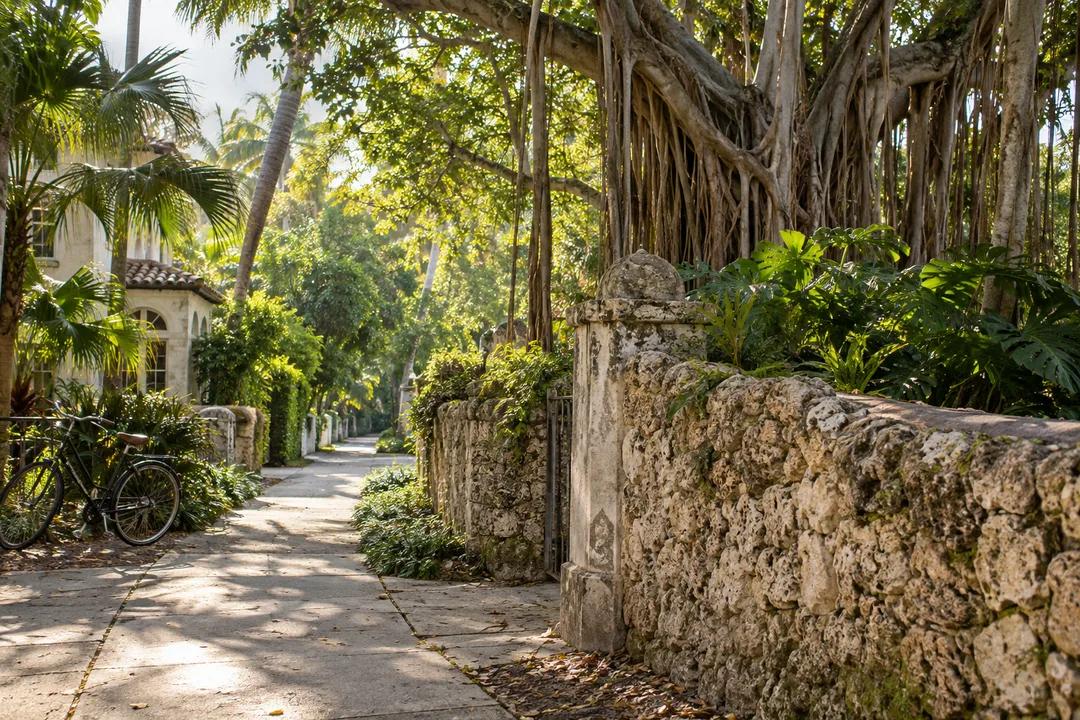
Coconut Grove Historic Neighborhood Loop: Shaded Route
Plan a Coconut Grove historic neighborhood loop with shade, waterfront pauses, and a flexible pace. Compare compact and extended route options before leaving.
A Coconut Grove historic neighborhood loop works best when the route is treated as a sequence of shaded decisions rather than a mileage challenge. Start with a simple request: a quiet walk, a waterfront finish, or a route that leaves room for coffee and conversation. The neighborhood's canopy, narrow lanes, and changing edges reward a slower pace because the visual details arrive at eye level: roots lifting a sidewalk, a coral wall behind foliage, a porch half-hidden by leaves. In Karpo APP, set your start point, preferred walking duration, and whether you want a mostly shaded path. The result should be a loop with a clear beginning, one memorable middle, and a return leg that does not retrace every step.
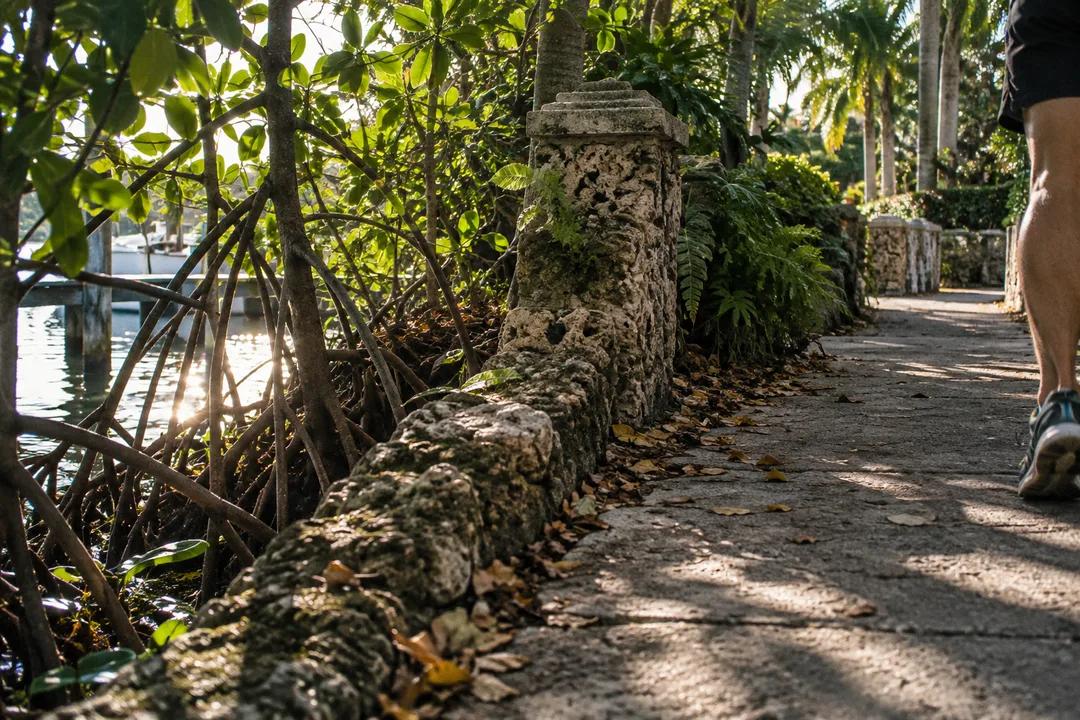
Begin With a Canopy-First Route Shape
Use the opening stretch to establish the mood. A canopy-first route lets walkers settle into humidity before the more open waterfront sections. Ask for low traffic and frequent pause points if the group includes a photographer, a child, or anyone who prefers not to rush. Then choose a single anchor, such as a historic garden edge or a broad view toward the bay, so the walk has a narrative spine. Avoid stacking too many named stops; three strong anchors are easier to remember than ten pins. A useful loop alternates textures: leafy residential shade, a more public promenade, then a return through quieter streets. That rhythm makes the neighborhood feel lived-in rather than consumed as a checklist.
Read Coconut Grove Through Layers of Time
Coconut Grove's history is easiest to understand through contrasts. The route can move from older tropical landscaping to later apartment blocks, from hand-built walls to modern storefront glass, without pretending every view belongs to the same era. Ask the planner to favor streets where older trees and building setbacks remain visible, then add one public space where the neighborhood's social life is easier to read. The point is not to recite dates; it is to notice how shade, porches, garden walls, and pedestrian shortcuts shape daily movement. If you are walking with someone who knows the area, leave one unplanned segment for their memory. A personal detour often explains the place better than another formal landmark.
Choose Pace, Heat, and Pause Windows
Heat changes the correct route more than distance does. For a morning loop, prioritize exposed edges later and keep the first half under canopy. For a late-afternoon outing, reverse that order so the brighter waterfront section becomes a reward rather than a drain. Ask Karpo APP for a gentle pace with a ten-minute reset every thirty minutes, or choose a compact version if the forecast feels heavy. A good plan labels optional branches instead of forcing one perfect circuit. If a walker wants photographs, build in stillness; if another wants momentum, give them a clear point where they can continue ahead and rejoin. This small amount of structure prevents the common problem of one person silently falling behind.
Build a Loop That Works for Different Walkers
Make the loop inclusive by describing surfaces and decisions, not by promising a universal experience. Request the fewest abrupt changes, avoid narrow cut-throughs when the group includes a stroller, and keep an alternate return leg ready if a path feels uncomfortable. The planner can compare a direct version with a slower scenic version, letting the group choose after seeing the trade-off in time. Carry water, a hat, and a light layer for changing shade. The neighborhood's charm is its density of small observations, so a route that leaves room to stop is often better than a longer route that looks impressive on paper. Skip any branch that turns the walk into a traffic negotiation.
Add Texture Without Turning the Walk Into a Checklist
A strong middle section should feel like discovery without relying on hidden facts. Look for transitions: a wall giving way to an open view, a quiet lane meeting a busier corner, or a cluster of mature trees framing a new building. Use those moments as prompts for the next decision in the app. If the group is hungry, ask for an ending near the kind of stop they want, rather than naming a venue before preferences are clear. If the weather turns, shorten at the next leg break and preserve the best section. A route is successful when the group remembers a sequence of moods, not when every planned pin was checked off.
Decide When to Shorten or Extend
For the return, choose a different visual language. Coming back through the same canopy can feel calm for a solo walker but repetitive for a family, so ask for a parallel street or a more direct line. A practical plan also names a clear finish point where everyone can regroup before deciding what comes next. If evening light is fading, prioritize well-connected streets and remove optional detours. If energy remains high, let the app add one short extension rather than rebuilding the entire route. This is where a historic neighborhood loop becomes useful as a tool: it adapts without losing its shape, and it gives the group a graceful way to stop early.
Make the Return Leg Feel Intentional
Practical Notes: begin with a duration you can comfortably finish, then add one optional branch. Set preferences for shade, quieter streets, and walking speed before choosing landmarks. Keep the route in Miami-Dade, confirm the group’s meeting point, and leave buffer time for photographs or conversation. A useful prompt is: “Coconut Grove loop, mostly shaded, gentle pace, one waterfront pause, easy return.” Karpo APP can compare the compact and extended versions so the group decides with the trade-off visible. If a planned segment feels too hot, crowded, or unclear, skip it and continue to the next anchor. The best route is the one everyone can complete with attention intact. Before leaving, write down three signals that will decide whether to continue: shade availability, group energy, and the agreed finish zone. If two signals move in the wrong direction, use the compact route without debate. If all three remain positive, take the optional branch and let the neighborhood's canopy carry the pace. For a solo walk, ask for more observation time and fewer social stops; for a group, ask for a clear regroup cue every fifteen minutes. A route can also be framed by mood: quiet and leafy, active and waterfront-facing, or balanced between the two. Naming the mood helps the planner select turns that feel related. Keep the final decision visible in Karpo APP so everyone can see the same version rather than following separate screenshots. This small habit makes the loop feel collaborative and keeps the return leg from becoming an argument. One final planning habit is to name the route's promise in a sentence everyone understands: leafy and slow, bay-facing and reflective, or social with a short scenic finish. That sentence becomes a filter for every later choice. When a new idea appears, keep it only if it supports the promise. This protects the loop from accumulating unrelated stops. Save the route, the compact alternative, and the agreed finish in Karpo APP before setting out. The group can then pay attention to details instead of negotiating the map. Coconut Grove's layered landscape gives you plenty to notice; a clear promise makes those details feel connected.
Ask Karpo for more information.
Keep reading
- Brickell Tailor Alteration Shop Finder: First Work Suit Fit
 Coconut Grove Tailor Alteration Shop Finder: Heat-Proof Fits
 Little Havana Tailor Alteration Shop Finder: Guayabera Fits