 Edgewater Pottery Painting: $10 Fee and Half-Off Fridays
Weekend Plans
Ginnie Springs Road Trip: A Crystal-Clear Escape From Miami
Five hours north of Miami, Ginnie Springs offers spring-fed clarity and a full break from salt water and coastal crowds.
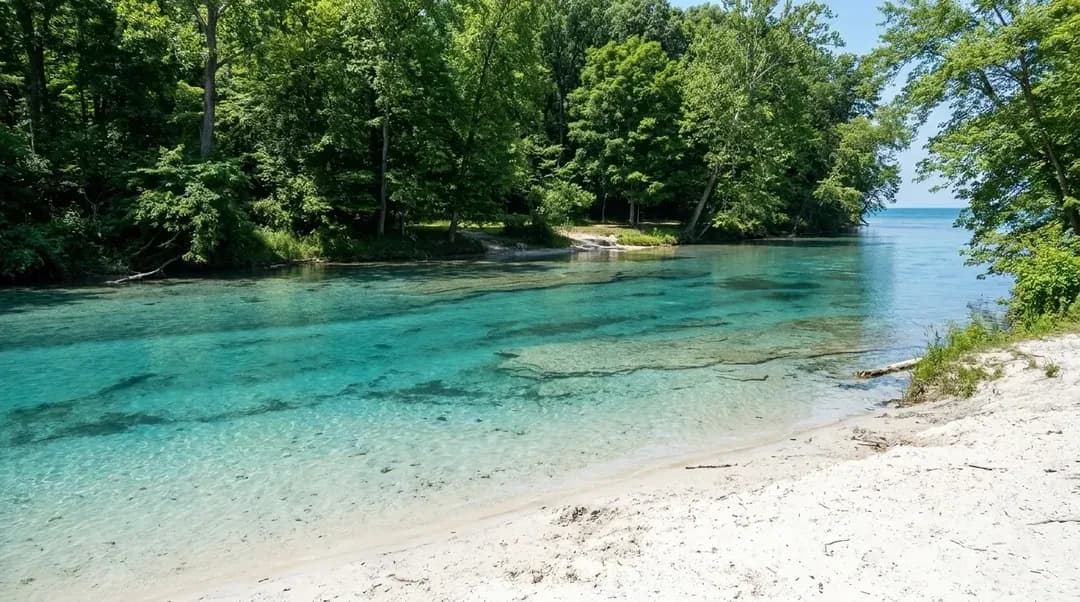
Miami sits on salt water, and after a while every beach trip blurs into the same sticky afternoon: sand in the car, sunscreen that won't rinse off, parking lots that cost more than lunch. Ginnie Springs is a different ecosystem entirely. It's a privately operated spring system in North Florida, about halfway between Gainesville and Lake City, where 72-degree water pumps out of limestone caves at a rate that keeps the current steady and the visibility surreal. The drive is five hours if you leave early and skip the Turnpike slowdowns near Fort Lauderdale. It's not a day trip—plan to stay overnight in High Springs or camp at the springs themselves—but it's one of the few places within driving range where the water is genuinely clear enough to see twenty feet down without goggles.
Text Karpo before you leave for live traffic on I-75, alternate routes if there's construction near Gainesville, and a check on whether afternoon storms will hit the drive back.
Why driving five hours for freshwater makes sense from here
The appeal is straightforward: Ginnie Springs offers tubing, snorkeling, and cave diving in water that stays cool year-round. The main spring basin is about fifteen feet deep in the center, and the spring run connects to the Santa Fe River. You can tube downstream, swim back upstream against the current, or just float. The site is managed as a private campground, so there's a day-use fee and a vehicle entrance fee; check the official Ginnie Springs website for current rates, which vary between weekdays and weekends. Camping is first-come in some areas, reservable in others. If you're driving from Miami, you're already used to paying for access to water—this just happens to be water you can see through.
Leaving Miami early and routing through Gainesville
The cleanest route is I-95 north to the Turnpike, then I-75 through Gainesville. Leave Buena Vista or anywhere central by 6 a.m. and you'll miss the worst of the causeway traffic heading to the beaches and the Turnpike backups near the Broward line. Once you're past Fort Lauderdale, it's mostly straight highway. I-75 through the center of the state is flat, hot, and punctuated by truck stops with clean restrooms and decent coffee. Gainesville is roughly the halfway mark; if you need gas or food, take the Archer Road exit. The stretch from Gainesville to High Springs is about twenty minutes, and from there it's another fifteen minutes on local roads to the springs entrance.
Parking at Ginnie Springs is part of the entrance process—you pay at a gatehouse, then drive to one of several parking areas depending on whether you're tubing, diving, or camping. The lot near the main spring fills up by mid-morning on weekends, especially in summer. Midweek visits in spring or fall give you more room and shorter waits for tube rentals if you didn't bring your own. The site has a small general store that rents tubes, sells snacks, and posts maps of the spring run. It's not a resort—it's a working campground with showers, restrooms, and a sand beach area at the spring head.
What the springs actually look like once you're in
Ginnie Springs itself is a wide, circular basin with white sand banks and a limestone ledge that drops off into the main vent. The water is so clear that the first time you look down, it's disorienting—your depth perception flattens because there's no particulate haze. You can see fish, turtles, and the occasional alligator gar drifting over the bottom. The current is gentle at the surface but stronger as you get closer to the vent. Cave divers use this site for training and exploration; if you're not certified, stay in the open basin and the marked run. The spring run flows about a mile to the Santa Fe River, and tubing it takes roughly an hour depending on the current and how often you stop.
The water temperature holds at 72 degrees year-round, which feels cold in July and perfect in January. If you're used to Miami beach water in the low 80s, bring a rashguard or wetsuit top for extended swimming. The springs are busiest on summer weekends, when the campground fills with families and college groups. Alcohol is allowed in some areas and prohibited in others—signage is posted, and rangers enforce it. If you want a quieter experience, visit on a weekday in late fall or early spring. The water clarity doesn't change with the season, and the surrounding hardwood hammock is prettier when it's not 95 degrees.
Ginnie Springs Miami crystal-clear water is the main draw, but the site also includes several smaller springs: Devil's Eye, Devil's Ear, and Dogwood Spring. Devil's systems are cave entrances restricted to certified divers. Dogwood is shallower and good for kids. The layout is straightforward once you walk it once—follow the trails from the parking area to the spring heads, and use the provided maps if you're tubing the run. The Santa Fe River is tannic and darker than the springs, so the contrast is sharp when the spring run dumps into it. Some people swim back upstream; others walk the trail back to the main area.
When weather or crowds change the plan
Florida afternoon storms are a constant from June through September, and they move fast. If you're on the water and you hear thunder, get out—lightning over open water is not worth the risk, and the springs have no covered areas in the swim zones. The campground has pavilions, but the main basin and tubing run are fully exposed. Check radar before you leave Miami, and again when you're an hour out. If storms are forecast for the afternoon, plan your swim for late morning and have a backup: High Springs has a few restaurants and the nearby town of Alachua has a small downtown. It's not a rich fallback, but it's better than sitting in a wet tent.
Crowds are the other variable. Summer weekends draw hundreds of people, and the main spring can feel more like a public pool than a natural site. If you arrive and the parking lot is full, ask at the gatehouse whether overflow parking is available or whether they're at capacity. Some weekends they stop admitting day-use visitors once the campground is full. Midweek and off-season visits give you a different experience—fewer people, more room to swim, and easier access to the spring vent. The water is the same temperature and clarity regardless, so if you have flexibility, avoid Memorial Day, Fourth of July, and Labor Day weekends.
What to confirm before you leave Miami
Check the Ginnie Springs website or call ahead to confirm that the park is open and that day-use admission is available. Occasionally the site closes for private events or maintenance. Verify current entrance fees, tube rental costs, and whether you need a reservation for camping if you're staying overnight. If you're planning to dive, confirm that your certification is current and that you have the required gear—cave diving here is serious and regulated.
Pack more drinking water than you think you'll need. The drive is long, the springs are in a rural area, and hydration matters when you're spending hours in cool water under a hot sun. Bring reef-safe sunscreen, a towel, water shoes for the rocky sections of the spring run, and a dry bag for your phone and keys. If you're tubing, ask whether the site provides a shuttle back from the Santa Fe River or whether you're walking the trail. Most people walk; it's about a mile and shaded.
For the drive back, plan to leave by mid-afternoon if you want to avoid hitting Miami during evening causeway backups and rideshare pickup chaos around Brickell and downtown. If storms develop on I-75, pull off at a rest stop rather than driving through low visibility. The Turnpike tolls are cashless, so make sure your SunPass is active or that you're prepared for toll-by-plate billing. Ginnie Springs is a long drive for a clear-water escape from Miami, but it's one of the few places in Florida where the water genuinely lives up to the photos.
Practical notes
- Five-hour drive each way; plan to stay overnight in High Springs or camp at the springs.
- Day-use and vehicle entrance fees apply; check the official Ginnie Springs website for current rates.
- Water temperature is 72°F year-round—bring a rashguard or wetsuit top for extended swimming.
- Parking fills by mid-morning on summer weekends; midweek and off-season visits are quieter.
- Afternoon storms June–September; check radar and leave the water if you hear thunder.
- SunPass required for Turnpike tolls; leave Miami by 6 a.m. to avoid causeway and Turnpike backups.
Tags: #karpo #miami #ginniesprings #weekendplans #florida #roadtrip #freshwater #springs #highsprings #northflorida #clearwater #tubing #snorkeling #daytrip #escapemiami
Sources consulted: Ginnie Springs Outdoors
All trademarks are the property of their respective owners.
Ask Karpo first
Text Karpo for live traffic on I-75, construction alerts near Gainesville, and whether afternoon storms are forecast for your drive back. Ask for current day-use status at Ginnie Springs and whether the main parking lot is at capacity. Get a route that skips Turnpike slowdowns if there's an accident.
Ask Karpo for more information.
Keep reading
- Edgewater Pottery Painting: $10 Fee and Half-Off Fridays
 Parfums de Marly Perfumery at Dadeland: Open Until 8 PM
 Bond No. 9 Perfumery, Design District: Pick a NYC Street