 Brickell Tailor Alteration Shop Finder: First Work Suit Fit
Neighborhood Guides

Cozy Coffee Reading Route in MiMo: Mid-Century Pause
Shape a MiMo coffee reading route around mid-century streets, a shaded walk, and an indoor fallback. Keep the plan calm when traffic interrupts.
MiMo rewards a coffee reading route that treats the boulevard as a sequence of pauses rather than one long mission. Start with your return deadline, decide whether the walk itself is part of the pleasure, and describe the seat you want: counter, patio edge, breezy window or quieter interior. Karpo APP can turn that brief into a shortlist while leaving the final choice to the moment you arrive.
Use a midcentury rhythm
MiMo’s boulevard scale can encourage a long wander, so decide whether the architecture is the route or the backdrop. Set a return time first. Then reserve a reading block and a short approach. The route can include one visual pause at a façade or breeze-block detail, but it should not require a full loop. The book is the anchor; the street supplies texture.
Name the seat you can use
Ask for a counter seat, breezy window, patio edge or quieter interior instead of simply saying “cozy.” These details help narrow the mood without pretending that the room is static. Add a maximum walking distance and whether you are carrying a larger book. A practical request prevents the shortlist from drifting toward photogenic but uncomfortable options.
Keep the boulevard leg reversible
Choose a route that lets you turn back at a clear block or landmark. If the first candidate is crowded, you want a short alternate rather than a new expedition. Save both options before setting out. MiMo’s visual interest can become a trap when every storefront looks like another possibility. A two-choice plan protects the reading window.
Run a quiet arrival audit
At the door, check sound, seat support and table space. Listen for whether you can read a full paragraph without leaning into the noise. If a breeze makes pages difficult, move inside or use the fallback. Do not ask staff to hold a table while you walk. The route respects the room by making a quick, considerate decision.
Keep the drink uncomplicated
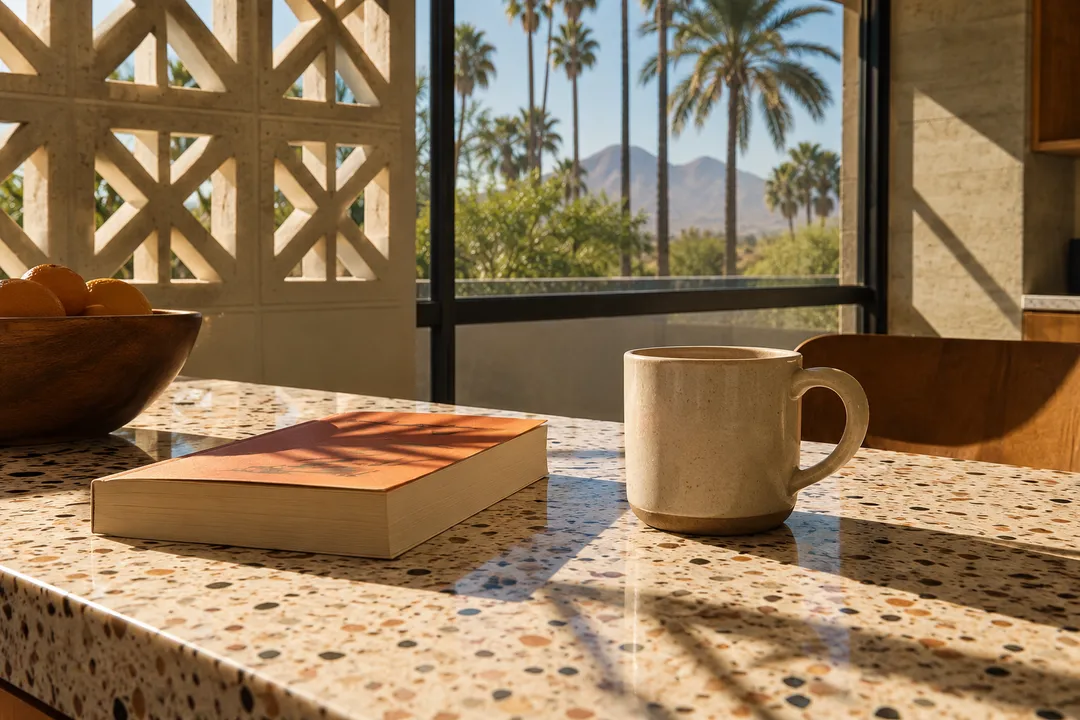
A coffee, tea or cold drink can frame the break without turning it into a tasting project. Choose what fits your pace and keep the reading window central. If you need a snack, decide before opening the book. A small table with one drink and one paperback feels intentional, while a spread of items can make the stop feel like work.
Notice details between pages
Use a chapter break to look at tile, shade, old signs without reading them as facts, and the changing line of palms. These observations can wake up attention without requiring a second destination. If the sun becomes harsh, cut the outdoor segment. The route should give your eyes a different distance, then return them to the page.
Keep the phone out of the choreography
Save the candidate and fallback before you sit, then put the phone away. If you need a deadline, use one discreet alarm. Do not keep reopening the shortlist because a new possibility appeared. The point is to make a choice and inhabit it. A reading route becomes calmer when the decision ends at the table.
Shorten before you substitute
When heat, rain or noise arrives, first remove the boulevard stroll. If that is still not enough, use the indoor fallback. Do not force a second café to rescue the plan. The best alternative preserves the coffee-and-book purpose with fewer moving parts. A shorter route is more trustworthy than a grand itinerary that depends on perfect conditions.
Give Karpo APP the constraints
Say: “I am in the MiMo District with 55 minutes. Find one coffee stop with a comfortable reading seat, a midcentury streetscape nearby and a weather-shortened fallback.” Include whether you want to walk before reading and when you must return. Karpo APP can organize candidates and tradeoffs; it cannot know the chair is free until you arrive.
Practical Notes
Carry a bookmark, water and a thin layer for indoor cooling. Pick one stopping point for the outward walk and leave the return direct. Keep your order compact and your bag close. If the route works, note which seat and sound level helped. That observation becomes a better future prompt than a generic rating, because it describes your actual reading need.
Use a visual marker for time
Pick one architectural detail as the point where you stop wandering: a breeze-block wall, a shaded arcade or a distinctive façade. It gives the route a beginning and an end without requiring another map check. When the marker is reached, shift from noticing the street to giving the chapter your full attention.
Keep the alternative genuinely near
A fallback is useful only if it is easier than the first option. Prioritize a shorter approach and a simpler exit, even if the room is less photogenic. This is especially important when the boulevard feels hot or traffic makes crossing unpleasant. Convenience is a feature of the reading route, not a compromise to hide.
Let the book choose the pace
A dense essay may need a longer settled block; a light novel can pair with a shorter stop and more walking. Tell Karpo APP what you are reading only if it changes the pace you want. Otherwise, use the same clear constraints: coffee, one seat, a return deadline and a weather branch. The route should fit attention, not impose a performance.
Leave the street better than you found it
Carry your cup and paper responsibly, keep the table ready for the next person, and leave the route without adding litter or blocking a doorway. These ordinary choices matter because a reading break is still a public experience. The calm you seek depends on the shared environment staying usable for others. If you leave with one clear thought and a clean table behind you, the route has done its job without taking more space than it needs. Give yourself a final minute to notice whether the district feels easier to return to; that small observation can guide a better next route.
The MiMo District gives this kind of outing a strong visual spine: repeated balconies, palms, terrazzo details, and long sightlines that make a short walk feel intentional. Use that structure to set a realistic reading block. Choose the stop first, then add only the stretch of boulevard that still leaves you fresh enough to read. Traffic noise can change quickly, so treat a quieter interior as part of the route rather than a failure of the original plan. If your book needs concentration, say so; if you want people-watching between pages, say that instead. Karpo APP can compare those two moods and return a primary option plus a nearby fallback without forcing you to commit to a full afternoon. Keep a small note of what worked—shade, seat depth, background sound, or the length of the walk—so the next route becomes more precise. In MiMo, the best plan feels edited, like a good mid-century room.
Ask Karpo for more information.
Keep reading
- Brickell Tailor Alteration Shop Finder: First Work Suit Fit
 Coconut Grove Tailor Alteration Shop Finder: Heat-Proof Fits
 Little Havana Tailor Alteration Shop Finder: Guayabera Fits