Miami runs hot all year, and so does its festival calendar. You're not waiting for summer—the city stacks electronic showcases, Latin block parties, and boutique music weekends into every season. Three anchor events define the rhythm: III Points brings the art and music crowd to Wynwood every October, Ultra Music Festival takes over Bayfront Park each March, and Calle Ocho turns Little Havana into the largest Latin street festival in the country every spring. Each pulls a different crowd, demands different stamina, and rewards different strategies.
Karpo tracks every festival weekend, club residency, and surprise pop-up across Miami—from Wynwood warehouses to beach stages—and recommends shows based on who you actually listen to.

III Points: Wynwood's boutique weekend
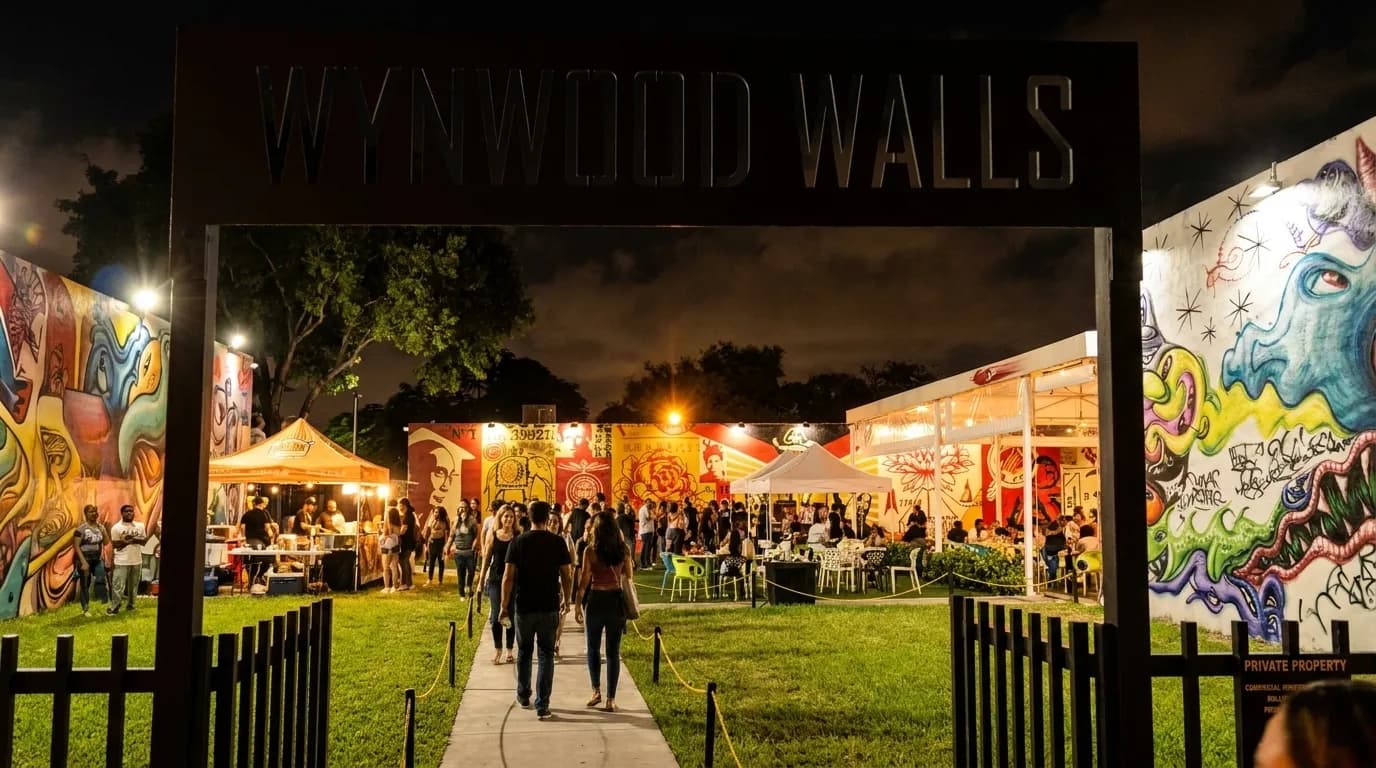
III Points unfolds across multiple stages and gallery spaces in Wynwood, typically mid-October when Miami's heat finally breaks. The festival caps around 25,000 attendees—manageable compared to Ultra's six-figure mob—and books across genres: experimental electronic, indie rock, hip-hop, ambient installations. Past lineups have included LCD Soundsystem, Disclosure, Erykah Badu, and Thundercat alongside local selectors you won't catch anywhere else.
The festival uses Mana Wynwood as its anchor, a 50,000-square-foot warehouse complex that becomes an indoor-outdoor circuit. Stages spill into parking lots, graffiti corridors, and courtyards where food trucks park between murals. It's walkable but sprawling. Wear comfortable shoes—concrete and gravel dominate. The smart move is arriving after 6 PM when temperatures drop into the high 70s and the outdoor stages become tolerable. Locals skip the overpriced lot across from Mana and park in the residential streets west of NW 2nd Avenue, then walk five minutes in. Single-day passes run around $100, two-day closer to $175. Tickets sell out, but rarely weeks in advance.
One stage—the Mind Melt—focuses on bass and experimental sets in a pitch-black room with projections. It's where you'll find the weirdest, heaviest hour of your night. The food situation improves every year: Coyo Taco, Vicky Bakery, and other Miami staples set up, though lines spike between 8 and 10 PM. Bring a portable charger. Cell service crashes when everyone tries to coordinate meet-ups simultaneously.
Ultra Music Festival: the bayfront behemoth
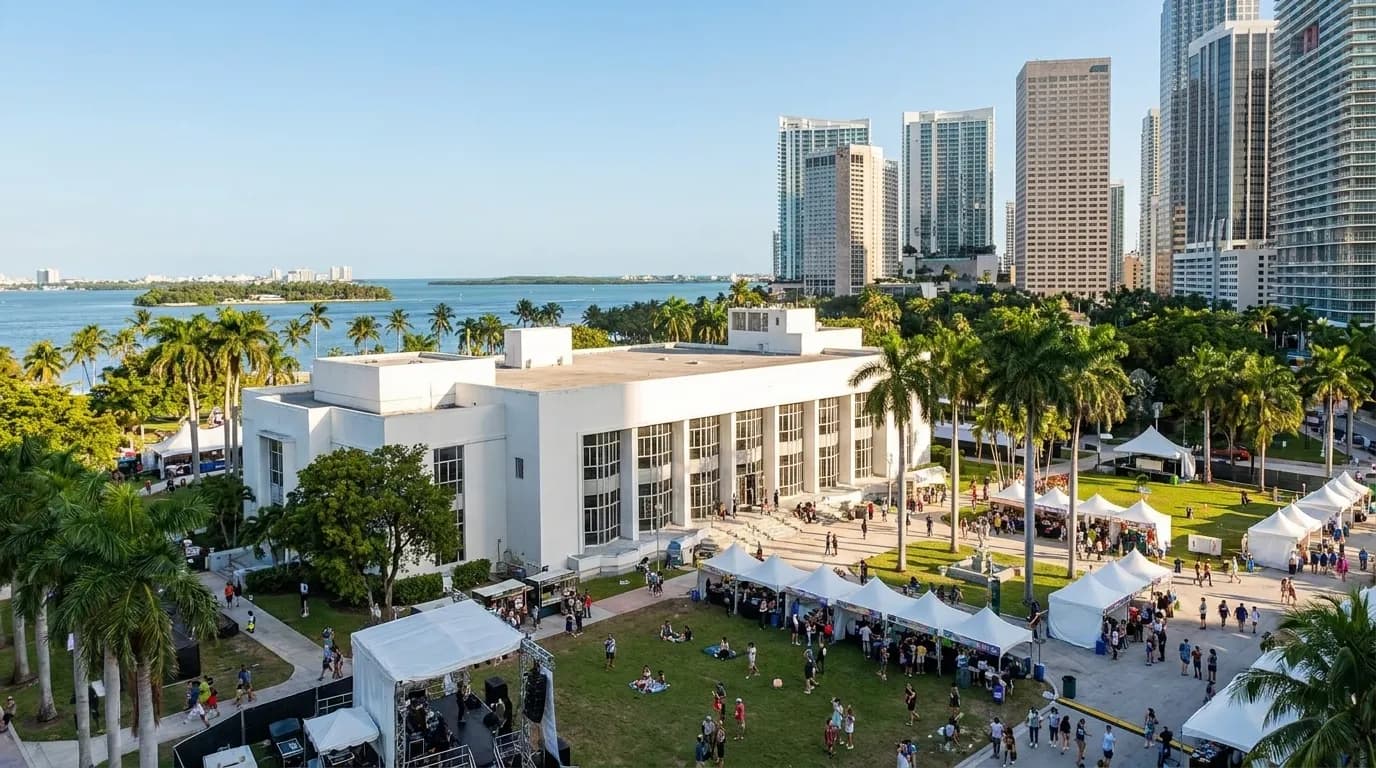
Ultra Music Festival is the opposite of boutique. It draws around 170,000 people across three days in late March, transforming Bayfront Park and the surrounding downtown blocks into a sprawling electronic music city. Eight stages run simultaneously: the hulking Main Stage faces Biscayne Bay with production that includes pyrotechnics, LED walls three stories tall, and headliners like Swedish House Mafia, David Guetta, and Armin van Buuren. The Megastructure—a massive tent with industrial sound design—handles techno and house. The Live Stage books acts with full bands. UMF Radio and Resistance stages cater to deeper, less commercial sounds.
Getting there requires planning. The Metromover is free and drops you at Bayfront Park station, but it's slower than walking if you're already in Brickell. Most people Uber or Lyft to nearby streets—expect surge pricing and a 15-minute walk from the drop-off zone. Rideshare pickup after the festival ends is borderline impossible; walk north toward the Arsht Center or west into Brickell to escape the crush. General admission three-day passes start around $400, VIP closer to $1,200. GA gives you access but not much breathing room. VIP includes dedicated bars, air-conditioned bathrooms, and shaded seating—worth it if you're over 28 or prone to heat exhaustion.
The festival runs from 4 PM to midnight Friday, then 1 PM to midnight Saturday and Sunday. Afternoon sets can hit 90 degrees with no shade in the main viewing areas. Locals arrive after 6 PM, catch the sunset from the bay side, and stay until close. Hydration stations are scattered throughout, but bring an empty water bottle to refill—buying drinks inside costs $12 for a cocktail, $8 for water. Food trucks line the perimeter, but expect 20-minute waits during peak hours. The smartest attendees eat a late lunch beforehand at CVI.CHE 105 or Boulud Sud in Brickell, then snack minimally inside.
Calle Ocho Festival: Little Havana's street takeover
Calle Ocho Festival happens in early March, part of the larger Carnaval Miami celebration. It's free, which changes everything. Over a million people flood SW 8th Street between 4th and 27th Avenues—roughly 23 blocks of live salsa, reggaeton, merengue, bachata, and pop stages alongside domino tournaments, cigar rollers, lechón pits, and more mojito stands than you can count. It's chaotic, joyful, and exhausting.
The festival runs from 11 AM to 7 PM, typically the second Sunday of March. Stages are staggered along Calle Ocho, so you're constantly walking between acts. The main stage near 13th Avenue books the biggest names—Gloria Estefan, Pitbull, and Marc Anthony have all performed—but the smaller stages often have better energy and shorter sight lines. Get there before noon if you want any chance at street parking. After that, lots fill up and you're hunting for spots in residential blocks south of the festival footprint. The Vizcaya Metrorail station is a 20-minute walk north, manageable if you're avoiding parking chaos.
The food is the point. Skip the generic festival stands and hunt for family-run setups selling masitas de puerco, croquetas, pastelitos, and ceviche. The best vendors cluster near 15th Avenue, where local spots like Versailles and Los Pinarenos set up satellite operations. Bring cash—many stalls don't take cards. Bathrooms are port-a-potties; expect lines. Locals know to duck into Domino Park around 17th Avenue for a quieter breather and bathrooms that aren't a disaster. By 4 PM, the crowd density becomes uncomfortable in the main stretch. If you're not locked in for a specific headliner, consider leaving before the final acts to avoid the bottleneck exodus.
How the three festivals layer across the year
These three festivals rarely conflict, but they define distinct phases of Miami's music calendar. Ultra kicks off the spring as winter visitors leave and locals reclaim the city. Calle Ocho follows two weeks later, pulling a different demographic—families, older generations, Spanish-speaking crowds from across South Florida and the Caribbean. III Points waits for October, after hurricane season and before Art Basel, giving Wynwood a reason to draw crowds before the December frenzy.
Locals treat them differently. Ultra is a spectacle you attend once, then skip unless you're deep into EDM. Calle Ocho is a ritual—multi-generational, rooted, worth the chaos. III Points is the one you circle on the calendar, the one that books acts you'll brag about seeing in a small setting before they blow up. If you're visiting Miami and can only pick one, let your music taste decide: electronic maximalism points to Ultra, Latin traditions to Calle Ocho, curation and discovery to III Points.
What else runs between the big three
Miami's live music calendar doesn't stop with the anchors. Rolling Loud dominates hip-hop every July at Hard Rock Stadium, pulling 70,000 fans for three days of rap and trap. The Tortuga Music Festival brings country and rock to the beach in April. Space Park, a smaller electronic series, runs monthly pop-ups in Wynwood and Allapattah. The Fillmore and The Wharf host touring acts weekly, while Hard Rock Live books arena-level names in a more contained room. Club residencies at E11EVEN, LIV, and Story run year-round if you want bottle service and celebrity DJ sightings over festival grit.
For more intimate settings, Ball & Chain in Little Havana books live salsa nightly. Gramps in Wynwood programs indie rock, punk, and experimental acts in a backyard patio. North Beach Bandshell offers free or low-cost jazz, classical, and world music with ocean breezes. The city's concert infrastructure is deep enough that you can catch live music any night of the week if you know where to look.
Practical notes
III Points typically announces dates in July and sells tickets through its website. Ultra releases tickets in May for the following March, with early bird pricing that saves around $50. Calle Ocho is free but requires no tickets—just show up. All three festivals are rain-or-shine. Miami's brief winter cold fronts occasionally hit March, so bring a light layer for Ultra. October during III Points is warm but can spike humid; dress for sweat. The Metrorail and Metromover serve downtown and connect to Brickell, but Wynwood and Little Havana require rideshares or personal vehicles. Street parking around Calle Ocho becomes impossible after 10 AM; arrive early or plan for a long walk. Skip the hotel-festival shuttle packages—they're slower and less flexible than just using rideshare apps. Water, sunscreen, and portable chargers are non-negotiable for all three.
Tags: #miamiconcerts #iiipointsfestival #ultramusicfestival #calleocho #wynwoodmiami #miamimusic #livemusicmiami #miamifestivals #bayfrontpark #littlehavana #electronicmusic #miamitravel #festivalseason #miamievents #musiccalendar
All trademarks are the property of their respective owners.
Ask Karpo first
Karpo keeps tabs on every festival weekend, surprise venue pop-up, and warehouse afterparty across Miami. Whether you're hunting for techno in an unmarked Allapattah loft or need to know which night Gloria Estefan might actually show up at Ball & Chain, Karpo connects you to the shows that match your taste—and tells you the truth about which festivals are worth the ticket price. Ask before you buy.